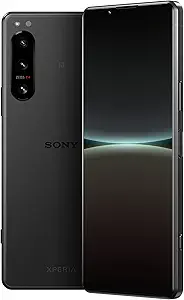
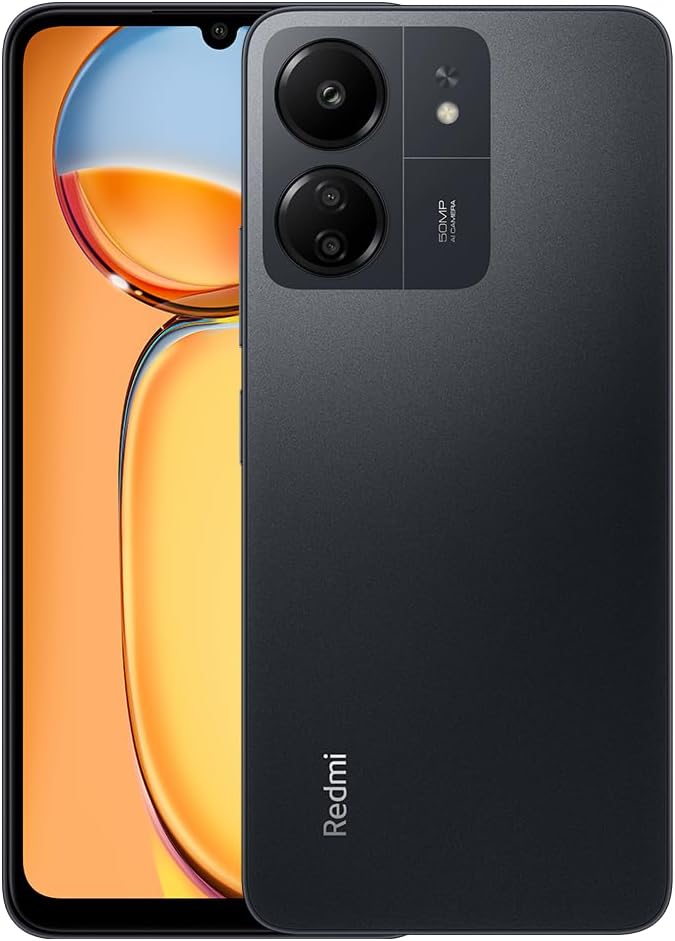
Sony vs Xiaomi: Overview
Comparing Sony and Xiaomi helps you determine which brand is best suited for your needs in Smartphones. Both brands offer strong choices depending on your budget and key feature requirements.
Key Features & Comparison
Evaluate factors such as build quality, warranty, customer satisfaction, and total value before making your final purchase choice between Sony and Xiaomi.
Affordability
When evaluating affordability, Sony and Xiaomi represent two fundamentally opposed pricing and market segmentation strategies. Xiaomi has anchored its global brand identity on an aggressive price-to-performance ratio, operating with lean hardware margins across its broad portfolio that spans the entry-level Redmi line, mid-tier Poco devices, and the premium Xiaomi series. By leveraging massive supply chain scale and ecosystem cross-subsidization, Xiaomi delivers flagship-grade features—such as high-refresh-rate AMOLED displays, ultra-fast charging systems, and robust chipsets—at price points that consistently undercut the broader market. Consequently, budget-conscious consumers and mid-range buyers get access to cutting-edge internal specifications without having to cross into premium price tiers.
In stark contrast, Sony completely eschews the low-cost volume game, focusing almost exclusively on a niche, ultra-premium market segment through its Xperia flagship and upper-tier lineup. Sony’s Xperia 1 and Xperia 5 series often debut with MSRPs that sit above standard flagship baselines, offering minimal promotional discounting and no presence in the true budget smartphone segment. Consumers purchasing a Sony device are paying a substantial premium for bespoke industrial engineering, uncompromised hardware additions like dedicated shutter buttons and 3.5mm audio jacks, and broadcast-tier media technologies. Thus, from a pure monetary and accessibility standpoint, Xiaomi remains the undisputed leader in affordability, while Sony’s pricing reflects a high-overhead, boutique luxury product aimed at specialized enthusiasts.
Quality/Durability
In terms of build quality and mechanical durability, Sony showcases an exceptional legacy of Japanese engineering, emphasizing long-term resilience and minimalist refinement. Sony’s flagship devices consistently feature top-tier materials, utilizing Gorilla Glass Victus front and rear alongside high-grade aluminum side frames with distinctive ribbed or textured finishes designed for superior grip. Sony sets an industry benchmark for environmental resistance by offering both IP65 and IP68 water and dust ingress protection, ensuring endurance against continuous submersion as well as low-pressure water jets. Furthermore, the brand’s internal thermal architecture and battery-care software, such as Xperia Adaptive Charging, are engineered specifically to prevent cell degradation and prolong device longevity over three to four years of intensive use.
Xiaomi’s build quality and durability, while drastically improved over recent generations, exhibit broader variance depending on the product tier. Its ultra-flagships, such as the Xiaomi Ultra variants, boast exceptional craftsmanship utilizing vegan leather, ceramic backings, and Xiaomi's proprietary Dragon Crystal Glass alongside full IP68 certifications. However, within Xiaomi’s mainstream and budget portfolios, cost-cutting measures are evident; lower-tier devices often incorporate polycarbonate frames, lower-grade Gorilla Glass variants, and basic IP53 or IP54 splash resistance. Additionally, aggressive fast-charging protocols—frequently exceeding 90W to 120W—place higher thermal strain on battery packs over extended periods. While Xiaomi matches Sony’s structural integrity at the highest price tier, Sony offers unmatched consistency in ruggedness, premium tactile fit and finish, and ingress protection across its entire portfolio.
Performance
Performance delivery highlights contrasting philosophies between Sony's purist approach and Xiaomi's feature-dense computing model. At the silicon level, both manufacturers utilize high-tier Qualcomm Snapdragon processors within their flagship series, delivering comparable raw compute benchmarks and 5G connectivity. Xiaomi, however, aggressively tunes its hardware for peak synthetic scores and consumer-facing metrics. Utilizing advanced vapor chamber cooling loops and fine-tuned power profiles, Xiaomi devices push high sustain benchmarks in demanding mobile gaming scenarios. This raw compute power is paired with HyperOS, a deeply customized Android interface that is exceptionally feature-rich and heavily integrated into Xiaomi’s smart-home ecosystem, though occasionally criticized for background resource management and bloatware.
Sony adopts an understated, software-efficient performance methodology designed for seamless productivity and content creation. The software running on Xperia hardware is remarkably close to stock Android, free from duplicate applications, aggressive background process killing, or heavy launcher skins. This lean operating system results in instantaneous touch responses, predictable memory management, and fluid UI navigation with minimal system bloat. To support creative professionals, Sony integrates sophisticated thermal throttling curves that prioritize steady-state throughput for 4K 120fps video capture rather than brief benchmark spikes. While Xiaomi delivers higher burst capability and ultra-fast storage access, Sony provides a clean, predictable, and professional computing environment that remains remarkably stable under sustained workloads.
Camera Quality
The photographic systems engineered by Sony and Xiaomi offer completely divergent paradigms of mobile imaging. Sony draws heavily from its Alpha mirrorless camera division, targeting professional photographers, videographers, and purists. Rather than relying on heavy computational photography, AI scene detection, or aggressive multi-frame HDR blending, Sony emphasizes natural color science, realistic dynamic range, and physical optics. Hardware innovations such as true continuous optical zoom lenses, stacked Exmor T for mobile sensors, and dedicated hardware two-stage shutter buttons complement Sony's industry-leading real-time eye autofocus and 20fps burst tracking. Sony's dedicated Pro apps (Photography Pro and Videography Pro) give users complete manual control over ISO, shutter speed, and focus, delivering unrivaled fidelity for those willing to shoot in RAW and grade their own footage.
Xiaomi approaches camera performance through a blend of massive hardware sensors and aggressive, highly refined computational processing, amplified through its partnership with Leica. Flagship devices like the Xiaomi 13 and 14 Ultra deploy immense 1-inch type image sensors, stepless variable apertures, and dual telephoto systems to capture extraordinary detail and organic depth of field. Xiaomi’s Leica Authentic and Vibrant color profiles deliver high-contrast, artistic imagery straight out of the camera, eliminating the need for post-processing. While Sony requires manual intervention and photography knowledge to extract optimal image fidelity, Xiaomi excels at point-and-shoot versatility, producing instantly shareable photos with superior low-light Night Mode algorithms, higher dynamic range recovery in harsh lighting, and automated portrait rendition.