Samsung vs VIVO: Overview & Brand Philosophy
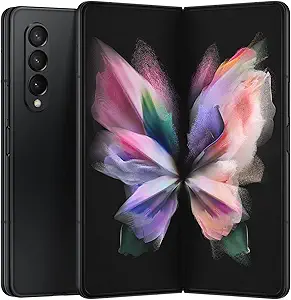
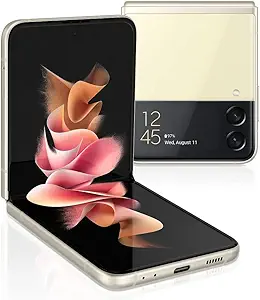
The global smartphone marketplace represents a clash between established technological hegemony and rapid, hardware-centric innovation. Samsung, the South Korean tech conglomerate, has long stood as the de facto leader of the Android ecosystem. Its brand philosophy is rooted in comprehensive vertical integration, pioneering display technologies, and a commitment to delivering a standardized, reliable user experience across every price tier—from the entry-level Galaxy A-series to the boundary-pushing Galaxy Z foldables and flagship S-series. Samsung positions itself as a mature, enterprise-ready, and ubiquitous technology partner designed to compete directly with Apple's ecosystem.
Conversely, VIVO, operating under the consumer electronics powerhouse BBK Electronics, approaches the smartphone landscape with an agile, feature-first engineering ethos. Born out of the hyper-competitive Asian markets, VIVO's philosophy focuses heavily on bleeding-edge camera innovation, aggressive fast-charging capabilities, and sleek industrial design. While Samsung often exercises measured restraint with hardware adoption to prioritize software consistency, VIVO treats each generation as an opportunity to introduce radical photography hardware—often in collaboration with imaging stalwart ZEISS—and push the physical boundaries of device thinness and ergonomics.
Ultimately, this comparison reflects two fundamentally different paths to mobile excellence. Samsung sells a holistic, interconnected digital lifestyle supported by multi-year software guarantees and enterprise security. VIVO sells sensory-forward mobile photography marvels and rapid charging hardware that cater to power users seeking immediate, tactile hardware advantages. Understanding which brand aligns with your needs requires weighing long-term ecosystem stability against rapid, aggressive hardware innovation.
Key Differences & Technological Comparison
The technological divergence between Samsung and VIVO is most apparent in three critical domains: imaging architecture, display and performance engineering, and software ecosystem design.
Camera Systems and Image Processing: Samsung's imaging strategy centers on ultra-high-resolution sensors—such as its proprietary 200MP ISOCELL modules—paired with heavy computational photography. Samsung devices favor wide dynamic range, punchy color saturation, and exceptional zoom stabilization up to 100x digital zoom. VIVO, however, has disrupted mobile photography through its engineering partnership with ZEISS and custom in-house image signal processors (the V-series chips). VIVO flagships routinely incorporate 1-inch Sony sensors, active gimbal stabilization on telephoto or primary lenses, and specialized ZEISS T* lens coatings that virtually eliminate glare and chromatic aberration. For natural skin tones, low-light night videography, and optical portraiture, VIVO frequently outperforms Samsung's computational approach by prioritizing raw physical sensor size and optical clarity.
Display, Battery, and Charging Architecture: As the world's premier display manufacturer, Samsung equips its smartphones with industry-leading Dynamic AMOLED 2X panels featuring exceptional peak brightness, high color accuracy, and robust outdoor visibility protected by Corning's latest Gorilla Glass Armor. However, Samsung remains excessively conservative with charging speeds, capping its fastest devices at 45W wired charging and excluding power bricks from the box. VIVO counters this by utilizing high-end Samsung E-series or BOE AMOLED panels while dramatically outclassing Samsung in power delivery. VIVO flagships and mid-rangers frequently feature 80W to 120W FlashCharge technology (with charging adapters included), capable of fully replenishing a depleted cell in under 30 minutes, alongside aggressive silicon-carbon battery capacities that exceed typical industry averages.
Software Interface and Ecosystem: The user experience on these devices is governed by two radically different Android interpretations. Samsung’s One UI is arguably the most polished, mature skin in the Android world. It offers desktop-like functionality through Samsung DeX, native SmartThings IoT integration, secure enterprise data management via Samsung Knox, and an industry-leading update commitment of up to seven years of operating system and security patches. VIVO relies on Funtouch OS (globally) and OriginOS (in mainland China). While Funtouch OS has become cleaner, shedding much of its historical bloatware, it remains less refined than One UI, offers shorter software support lifecycles (typically three to four years), and lacks a coherent peripheral ecosystem to rival Samsung's seamless integration with Galaxy Watches, Buds, and Book laptops.
Pros & Cons Comparison
Samsung: Pros
- Unmatched Software Support: Industry-leading longevity with up to seven years of major OS and security upgrades on flagship models.
- Software Maturity: One UI is feature-dense, highly polished, and integrates Samsung DeX and enterprise-grade Knox security.
- Display Quality: Industry-best anti-reflective display coatings, high peak brightness, and class-leading panel calibration.
- Ecosystem Integration: Robust ecosystem synchronization across wearables, tablets, smart home appliances, and Windows PCs.
- Wider Availability: Comprehensive global carrier support, ubiquitous retail availability, and robust trade-in programs.
Samsung: Cons
- Stagnant Charging Speeds: Conservative 25W to 45W wired charging speeds lag far behind modern industry standards.
- Omission of Accessories: Retail packaging excludes chargers, cases, and screen protectors across virtually all price points.
- Aggressive Post-Processing: Image output can suffer from over-sharpening and shutter lag when capturing fast-moving subjects.
VIVO: Pros
- Superior Camera Hardware: 1-inch main sensors, ZEISS optics, and dedicated ISP chips produce unmatched low-light and portrait imagery.
- Ultra-Fast Charging: Proprietary FlashCharge delivers up to 120W speeds, including the necessary fast-charging brick in the box.
- Hardware Innovation: Pioneering physical improvements such as built-in gimbal stabilization and ultra-thin chassis engineering.
- Aggressive Price-to-Spec Ratio: Exceptional value proposition in entry-level and mid-range segments (e.g., the V-series).
VIVO: Cons
- Software Refinement: Funtouch OS lacks the deep enterprise utility, polish, and UI consistency of One UI.
- Shorter Update Lifecycles: Fewer promised operating system updates compared to Samsung's extended support window.
- Fragmented Global Availability: Limited retail and carrier presence in North America; predominantly available via imports or selective regional launches.
Performance, Durability & Value Analysis
From a hardware performance perspective, flagship offerings from both brands leverage top-tier silicon—typically Qualcomm Snapdragon 8-series or high-end MediaTek Dimensity processors. Samsung often benefits from custom-binned silicon (e.g., "Snapdragon for Galaxy"), delivering slightly higher clock speeds, though real-world thermal throttling can offset these paper gains. VIVO counters this by engineering massive vapor chamber cooling systems, allowing its devices to sustain peak gaming performance with remarkable thermal stability. In terms of physical durability, Samsung maintains an advantage. Its flagships utilize Armor Aluminum or Titanium frames paired with Gorilla Glass Armor and certified IP68 water resistance. While VIVO’s top-tier devices match the IP68 rating, their mid-tier offerings frequently cut corners on chassis rigidity and ingress protection to keep manufacturing costs low.
Assessing long-term value reveals an interesting dynamic between depreciation and immediate utility. Samsung devices hold their secondary-market trade-in value significantly better than VIVO, sustained by reliable global software updates and universal consumer recognition. A Samsung phone purchased today is mathematically more likely to remain functional, secure, and supported half a decade later. However, in terms of initial out-of-the-box value, VIVO provides an overwhelming hardware advantage per dollar spent. By including high-wattage charging bricks, premium protective cases, pre-applied screen protectors, and superior physical camera optics at lower MSRPs, VIVO minimizes hidden ownership costs for users who intend to upgrade within two to three years.
Final Verdict: Which Brand Should You Choose?
The decision between Samsung and VIVO ultimately hinges on whether your priorities lie with software longevity and ecosystem synergy, or bleeding-edge camera optics and charging convenience.
Choose Samsung if:
- You plan to keep your smartphone for four to seven years and require guaranteed software updates and enterprise-grade security.
- You value a cohesive digital ecosystem featuring seamless synchronization with smartwatches, tablets, and Windows PCs.
- You live in North America or regions heavily dominated by carrier-subsidized installment plans and localized trade-in infrastructure.
- You frequently utilize desktop-extension software like Samsung DeX for work productivity.
Choose VIVO if:
- Mobile photography is your absolute top priority, particularly portraits, low-light scenes, and dynamic motion capture via ZEISS-tuned optics.
- You find slow 25W–45W charging frustrating and demand sub-30-minute full battery recharges with an included in-box adapter.
- You want cutting-edge hardware design, lighter chassis profiles, and unique rear finishes that deviate from corporate minimalism.
- You upgrade your smartphone every two to three years and reside in Europe, India, Southeast Asia, or are comfortable importing unlocked devices.
Affordability
When assessing affordability in the smartphone landscape, Samsung and VIVO execute fundamentally different engineering and cost-distribution strategies. Samsung approaches the budget and mid-tier markets—primarily through its Galaxy A and M series—by relying on economies of scale and software ecosystem prestige. However, at sub-$400 price points, Samsung frequently makes noticeable hardware compromises to maintain its profit margins. Consumers in this segment often encounter lower-tier chipsets (frequently entry-level in-house Exynos silicon), sluggish charging speeds capped at 15W to 25W, and plastic "Glasstic" chassis materials. In contrast, VIVO, through its Y-series and V-series, treats affordability as a vehicle for aggressive spec-sheet democratization. VIVO often integrates premium features down-market, offering glass-sandwich builds, substantially higher native RAM capacities, and class-leading fast-charging bricks (often 44W to 80W) included directly inside the retail box, yielding far superior out-of-the-box hardware value.
The technical trade-offs between the two brands reveal distinct cost-cutting priorities that impact daily user experience. VIVO prioritizes perceived speed, aesthetic design, and camera novelty—frequently outfitting budget devices with high-resolution selfie cameras and specialized portrait sensors paired with cost-effective MediaTek Dimensity or Qualcomm Snapdragon 6-series SoCs. The compromise, however, lies in VIVO’s Funtouch OS, which often features aggressive background app management, pre-installed bloatware to offset device costs, and an inconsistent software update track record. Conversely, Samsung offloads cost by trimming physical packaging (omitting charging adapters) and secondary camera quality, but compensates by outfitting its budget devices with industry-leading Super AMOLED panels and the most comprehensive software support in the industry, offering up to four years of major OS upgrades even on mid-range tiers.
Ultimately, determining which brand offers superior affordability depends on the consumer’s technical definition of value: initial hardware acquisition versus total cost of ownership. VIVO is the undisputed champion of immediate hardware return-on-investment, giving price-sensitive buyers rapid charging, sophisticated aesthetic finishes, and modern ergonomics at prices Samsung rarely matches component-for-component. However, Samsung delivers superior long-term affordability through enterprise-grade durability, IP water-resistance ratings that VIVO typically reserves for flagships, higher trade-in residual value, and prolonged software longevity via One UI. Budget-conscious consumers prioritizing instant, tangible hardware performance will find VIVO significantly more compelling, while those viewing affordability through the lens of device lifespan and reliable support will find Samsung's premium pricing justified over a multi-year cycle.
Quality/Durability
When evaluating structural engineering and build quality, Samsung establishes a clear lead, largely owing to its mature supply chain, proprietary component manufacturing, and rigorous quality assurance protocols. Samsung’s flagship Galaxy S and Z series represent the vanguard of hardware durability, frequently integrating top-tier materials such as custom Armor Aluminum frames, Gorilla Glass Armor—which features industry-leading anti-reflective and scratch-resistant properties—and comprehensive IP68 water and dust ingress protection across both premium and upper mid-range tiers (such as the Galaxy A50 series). In contrast, VIVO has made monumental strides in industrial design, particularly with its premium X-series, which frequently incorporates vegan leather backs, aerospace-grade aluminum, and robust Zeiss-engineered glass housings with IP68 or IP69 ratings. However, VIVO’s attention to premium resilience is less uniform across its catalog; its entry-level to mid-tier devices (such as the V and Y series) rely more heavily on composite plastics and offer basic IP54 or IP64 splash resistance, creating a noticeable durability disparity compared to Samsung's more uniformly hardened portfolio.
The technical trade-offs between the two brands become pronounced in specialized hardware sectors—specifically foldable displays, battery technology, and long-term software support. VIVO excels in physical hinge engineering for foldables, utilizing advanced carbon-fiber teardrop mechanisms in devices like the X Fold series to minimize screen creasing and disperse mechanical stress more effectively than earlier iterations of Samsung's Galaxy Z Fold. Conversely, Samsung counters with unparalleled environmental protection, offering the first consumer foldables with formal water and dust resistance (IP48) alongside ultra-thin flexible glass (UTG) optimized for structural longevity. Furthermore, software maintenance is a critical component of perceived durability; Samsung guarantees up to seven years of major Android OS and security updates on its premium devices, ensuring the phone remains secure, functional, and performant over a prolonged lifecycle. VIVO typically caps its commitment at three to four years of platform updates on flagships, which, despite their innovative silicon-carbon battery tech providing superior high-capacity charge cycle longevity, compromises the phone’s extended operational viability.
Ultimately, the practical choice regarding quality and durability depends on consumer usage cycles and mechanical priorities. Samsung delivers an uncompromising, standardized standard of resilience, backed by globally accessible service networks, superior shatter-resistant glass engineering, and long-tail software reliability, making it the superior investment for users seeking a durable, low-risk device intended to last five years or more. VIVO appeals to users who appreciate cutting-edge chassis refinement, sophisticated hinge mechanics, and rapid-charging battery systems designed to endure intense thermal stress without swelling. However, VIVO's lower tier hardware compromises and comparatively shorter software support cycles mean that Samsung remains the benchmark for comprehensive hardware durability and long-term device integrity.
Performance
When evaluating performance, Samsung and vivo approach hardware integration and processing power from distinct engineering philosophies, resulting in varied experiences across their product tiers. Samsung relies heavily on a dual-engine strategy, utilizing top-tier Qualcomm Snapdragon platforms globally for its ultra-flagship devices while deploying proprietary Exynos chipsets in regional models and mid-range tiers. The Korean giant focuses on holistic, sustainable performance, pairing its silicon with robust LPDDR5X RAM, UFS 4.0 storage, and optimized software pipelines tailored for enterprise-grade multitasking and desktop-replacement environments like Samsung DeX. Conversely, vivo emphasizes raw, burst throughput and aggressively customized hardware architectures. In its flagship X-series, vivo heavily integrates MediaTek’s highest-end Dimensity processors alongside Snapdragon variants, bolstered by custom-engineered co-processors (such as the V-series and modern V3 imaging and computing chips). These proprietary secondary chips offload complex computational photography, frame interpolation, and graphic rendering tasks from the primary SoC, giving vivo an engineering edge in specialized real-time processing and mobile gaming efficiency.
In practical day-to-day use and intensive gaming workloads, these technical disparities lead to noticeable trade-offs in sustained throughput, thermal management, and software overhead. Samsung’s One UI is feature-dense and architecturally heavier, which ensures exceptional productivity and prolonged multi-window stability, but it occasionally suffers from micro-stutters and more conservative thermal throttling compared to its rivals. To safeguard battery health and manage heat dissipation, Samsung limits sustained clock speeds under extended heavy gaming loads. vivo, running the lighter and more graphically responsive Funtouch OS or OriginOS, utilizes advanced vapor-chamber cooling arrays that allow its chipsets to run hotter and faster for longer periods. This delivers superior sustained frame rates in graphically demanding titles like Genshin Impact. However, vivo’s performance optimization is heavily slanted toward entertainment and photography rather than desktop-class productivity, meaning it lacks the sophisticated ecosystem workflows and desktop virtualization features native to Samsung hardware.
Ultimately, the performance verdict between the two brands depends on whether a user prioritizes balanced, long-term computational reliability or specialized, high-peak processing power. Samsung stands as the superior choice for users demanding bulletproof longevity, enterprise-grade data handling, multi-year driver optimization, and comprehensive productivity suites. In contrast, vivo represents the cutting edge for power users who demand peak silicon efficiency, advanced thermal headroom, and industry-leading auxiliary hardware that accelerates both gaming performance and real-time imaging workflows beyond standard chipset capabilities.
Camera Quality
When evaluating smartphone camera quality, Samsung and Vivo represent two distinct, elite philosophies in optical engineering and digital image processing. Samsung’s flagship strategy, headlined by the Ultra series, revolves around high-resolution proprietary sensors (such as the 200MP ISOCELL HP2) and unmatched telephoto versatility. The Korean tech giant prioritizes broad dynamic range, hyper-detail through advanced pixel-binning, and vibrant, consumer-pleasing color science optimized for high contrast and immediate social sharing. Conversely, Vivo has established itself as an imaging powerhouse through its strategic co-engineering partnership with optical legend ZEISS. Vivo heavily invests in physically superior hardware, utilizing massive 1-inch main sensors (like the Sony LYT-900) alongside ZEISS T* lens coatings that practically eliminate chromatic aberration, flaring, and ghosting. This gives Vivo an innate physical advantage in light gathering and pure optical clarity over Samsung’s reliance on computational sharpening.
In low-light and portrait performance, the technical strengths sharply diverge. Vivo's custom V-series imaging chips and larger sensor footprints allow it to excel in night scenarios, producing cleaner shadows, lower digital noise, and a more natural depth of field that bypasses algorithmic artificiality. Its portrait mode, enhanced by simulated ZEISS bokeh rendering, sets the industry standard for realistic edge detection and true-to-life skin tones. Samsung, while historically dominant in synthetic zoom up to 100x via dual-telephoto arrays, has shifted toward more practical optical reaches (5x and 10x periscopes), excelling in landscape detail and extreme distance framing. However, Samsung's computational approach occasionally suffers from aggressive noise reduction that can smudge micro-textures in low light, alongside shutter lag that can result in motion blur during fast-action indoor shots—an area where Vivo's instantaneous zero-lag shutter response vastly outperforms.
Ultimately, the practical trade-off between the two brands lies between operational consistency and photographic artistry. Samsung remains the superior choice for video creators and consumers seeking an intuitive, highly dependable "point-and-shoot" ecosystem; its Super Steady stabilization, smooth lens-switching at 4K60, and 8K capture capabilities provide unrivaled multimedia reliability. On the other hand, Vivo caters to photography purists and mobile enthusiasts who prioritize authentic optical rendering, superior low-light sensitivity, and professional-grade portraiture without the hyper-processed artifacts typical of conventional mobile cameras. While Samsung offers the more balanced, versatile content-creation package, Vivo frequently takes the crown for raw, flagship still-image fidelity.