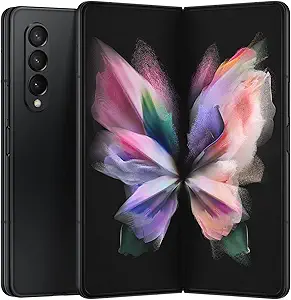
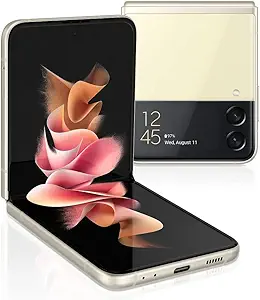
Samsung vs Oppo: Overview & Brand Philosophy
The global smartphone landscape is largely defined by the tension between established technological titans and agile, innovation-forward challengers. Samsung, the South Korean conglomerate, has long stood as the Android ecosystem's standard-bearer. Guided by a philosophy of vertical integration, extensive research and development, and global ubiquity, Samsung positions itself as a complete-lifecycle brand. From its budget-conscious Galaxy A series to the vanguard engineering of the Galaxy S Ultra and Galaxy Z Fold lineups, Samsung prioritizes long-term software support, enterprise-grade security, and proprietary hardware components like Dynamic AMOLED displays and advanced sensor modules.
Conversely, Oppo—a premier brand under the Chinese multinational BBK Electronics—approaches the smartphone market with a philosophy rooted in rapid iteration, aesthetic distinction, and consumer-centric hardware acceleration. Oppo built its reputation on camera innovation, ergonomic industrial design, and disruptive battery technologies, such as its pioneering SuperVOOC flash charging. Rather than emphasizing enterprise utility, Oppo targets lifestyle, mobile photography, and younger demographics by packing premium features—like high-frequency dimming displays and periscope telephoto lenses—into mid-range and upper-tier devices under its Find and Reno series.
While Samsung operates with the measured, institutional authority of a global market leader, Oppo functions as an aggressive disruptor. Samsung focuses heavily on software consistency, ecosystem interconnectivity with its tablets and smart home devices, and platform longevity. Oppo counters by frequently beating traditional market leaders to the punch with ergonomic breakthroughs, zero-crease foldable displays, and lightning-fast charging speeds, forcing consumers to weigh classic long-term reliability against immediate hardware innovation.
Key Differences & Technological Comparison
When dissecting the hardware and software architectures of both brands, several distinct technological divergences emerge across user interface, battery architecture, and camera processing pipelines.
- Software Experience (One UI vs. ColorOS): Samsung’s One UI is engineered for large-screen ergonomics, productivity, and ecosystem cohesion. It offers deep integration with Windows PC, Samsung DeX (desktop mode), and a massive suite of customization options via Good Lock. Oppo’s ColorOS is geared toward fluidity, hyper-responsiveness, and visual personalization. It utilizes BBK's Aquamorphic design language, featuring snappy animations and lightweight operational overhead, though it lacks a true DeX equivalent and occasionally features more regional bloatware out of the box.
- Battery & Charging Architecture: This represents the widest gap between the two manufacturers. Samsung maintains an extremely conservative approach, capping its flagship wired charging speeds at 25W or 45W via USB Power Delivery (PPS). Oppo dominates this vertical with its proprietary SuperVOOC technology, delivering speeds ranging from 67W to 100W+ on standard models, often reaching a full charge from empty in under 30 minutes while keeping thermal buildup confined to the power brick rather than the handset.
- Imaging Pipelines & Optics: Samsung relies heavily on high-resolution sensors (such as its 200MP ISOCELL modules) paired with computational photography characterized by punchy saturation, wide dynamic range, and class-leading video stabilization. Oppo collaborates with legendary camera maker Hasselblad to co-develop color profiles, emphasizing natural skin tones, sophisticated optical portrait falloff, and custom image processing chips (such as the MariSilicon series) to maximize low-light photography.
- Display Engineering: While Samsung Display manufactures the underlying OLED panels for a significant portion of the entire industry—including Oppo—the tuning differs. Samsung handsets typically deliver higher peak brightness in direct sunlight and pristine color fidelity under the DCI-P3 standard. Oppo counters by leading the adoption of ultra-high-frequency PWM dimming to reduce eye strain, alongside aggressive curvature and minimal bezel engineering.
Pros & Cons Comparison
Samsung: Advantages
- Industry-Leading Software Lifecycle: Samsung offers up to 7 years of major OS upgrades and security patches on flagship lines, alongside 4 to 5 years on many mid-range models.
- Ecosystem & Enterprise Utility: Native Knox enterprise security, Samsung DeX desktop mode, and seamless synchronization with Galaxy Watches, Buds, and SmartThings.
- Universal Fast Charging Standards: Supports standard USB-PD and PPS protocols, eliminating the need for proprietary bricks to hit maximum rated speeds.
- Superior Resale Value: Samsung devices historically retain trade-in and resale value significantly better than competitor devices in Western markets.
Samsung: Disadvantages
- Slow Charging Speeds: Maxing out at 45W, Samsung flagships charge considerably slower than Oppo devices.
- Conservative Hardware Iteration: Design languages, battery capacities, and camera sensors often see minimal physical year-over-year changes.
- Higher Cost-to-Performance Ratio: Entry-level and mid-range Galaxy A devices often ship with less powerful processors and lower RAM capacities than similarly priced Oppo phones.
Oppo: Advantages
- SuperVOOC Rapid Charging: Blistering wired and wireless charging speeds that drastically reduce downtime.
- Hardware Innovation: Earlier adoption of zero-gap foldable hinges, thin chassis profiles, and specialized periscope zoom setups across various price tiers.
- Aggressive Mid-Range Pricing: Delivers high-end aesthetics, premium haptics, and capable displays at lower price points than equivalent Samsung tiers.
- Hasselblad Color Calibration: Exceptional color fidelity, portrait depth, and realistic white balancing on flagship Find series devices.
Oppo: Disadvantages
- Software Longevity: OS support timelines, while improving (now up to 4-5 years on flagships), still lag behind Samsung’s top-tier guarantees.
- Proprietary Ecosystem Requirements: Hitting peak charging speeds requires Oppo's proprietary SuperVOOC adapters and thick, specialized cables.
- Limited Global Availability: Oppo faces carrier restrictions, patent disputes, and limited availability in major markets such as North America.
Performance, Durability & Value Analysis
In terms of raw processing performance, top-tier offerings from both brands utilize Qualcomm’s flagship Snapdragon silicon or MediaTek’s Dimensity processors, yielding roughly parity in synthetic benchmarks and gaming output. However, real-world longevity tilts toward Samsung. Samsung manufactures its chassis with proprietary Armor Aluminum frames and Corning Gorilla Glass Armor, paired with uniform IP68 water and dust resistance across its premium and upper-mid tiers. Oppo frequently matches these build specs at the absolute flagship level (Find series), but mid-range Reno and A-series models often substitute plastic frames or drop water ingress ratings to IP54 or IP65, compromising real-world physical durability.
From a long-term value perspective, the calculation hinges on ownership duration and market presence. Samsung provides an objectively better long-term return on investment for users who retain devices for four years or longer, driven by unmatched software patching and ubiquitous trade-in infrastructure. Oppo, however, captures the short-to-medium-term value proposition: at the moment of purchase, an Oppo consumer almost universally receives higher RAM configurations, faster out-of-the-box charging accessories (frequently bundled in the box, whereas Samsung omits the charger), and sleeker aesthetics for lower initial capital outlay.
Final Verdict: Which Brand Should You Choose?
Selecting between Samsung and Oppo comes down to whether you prioritize software infrastructure and platform stability, or hardware agility and fast-paced technological convenience.
Choose Samsung if:
- You plan to keep your phone for 4 to 7 years and demand continuous, guaranteed security and feature updates.
- You need high-level productivity workflows, including desktop environments via Samsung DeX or integration with Windows PCs.
- You want reliable customer support, carrier availability, and high secondary market trade-in values in North America, Europe, or South Korea.
Choose Oppo if:
- You experience battery anxiety and want a phone that completely recharges in under 35 minutes via fast charging.
- You prioritize industrial design, comfortable handheld ergonomics, and minimal display creasing on foldable devices.
- You reside in an Asian or European market where Oppo enjoys full carrier support, localized warranty fulfillment, and aggressive retail pricing.
Affordability
When evaluating affordability in the smartphone landscape, Samsung and Oppo approach cost-efficiency through markedly different engineering philosophies and product tiering. Samsung leverages its massive economies of scale to dominate the budget-to-midrange market with its Galaxy A and M series. Rather than offering aggressive bleeding-edge hardware at lower price points, Samsung prioritizes long-term software support, enterprise-grade Knox security, and superior display engineering. Even sub-$300 Samsung devices typically feature high-refresh-rate Super AMOLED panels and the promise of up to four generations of Android OS updates. However, this focus on software longevity and display quality introduces notable practical trade-offs: entry-level and midrange Samsung devices often rely on underpowered in-house Exynos processors, feature slower wired charging capped at 15W or 25W, and omit power bricks from the retail packaging, subtly increasing the true cost of ownership.
Conversely, Oppo fundamentally challenges the price-to-performance paradigm through its A-series and feature-dense Reno lineup, delivering immediate, tangible hardware value that appeals to spec-conscious consumers. Oppo’s engineering strength lies in trickling premium flagship features down into aggressively priced chassis, most notably seen in their industry-leading SuperVOOC fast charging—frequently providing 67W or even 80W charging bricks directly in the box on sub-$400 handsets. Furthermore, Oppo tends to configure baseline budget models with more generous RAM and internal storage allocations than Samsung, utilizing efficient MediaTek Dimensity or Qualcomm Snapdragon chipsets optimized for thermal stability. The trade-off, however, emerges in long-term value: Oppo's ColorOS generally receives fewer guaranteed software and security updates compared to Samsung's One UI, and their budget devices frequently employ lower-tier auxiliary camera sensors (such as 2MP macro and depth lenses) simply to pad the spec sheet.
Ultimately, the definition of affordability diverges depending on the consumer's replacement cycle. Oppo represents the apex of immediate purchasing power, offering faster charging, bundled accessories, and superior out-of-the-box hardware configurations that maximize utility in years one and two. Samsung, on the other hand, embodies value through structural durability, reliable ecosystem integration, and sustained software viability. While Samsung demands a slight price premium for equivalent raw processing power and charging speeds, its extended update roadmap inherently reduces the annualized cost of the device, making it the more affordable choice for users who retain their smartphones for three to five years.
Quality/Durability
When assessing structural engineering and material integrity, Samsung holds a distinct advantage in raw hardware durability, particularly in the flagship tier. Samsung consistently utilizes industry-leading protection, including Corning Gorilla Glass Victus 2 and proprietary Armor Aluminum or titanium frames, paired with standardized IP68 dust and water resistance ratings across its mid-to-high-end portfolios. Furthermore, Samsung has pioneered durable foldable displays through multiple iterations of ultra-thin glass (UTG) and reinforced hinges. In contrast, Oppo prioritizes sleek aesthetics and innovative mechanics—such as their proprietary "Flexion Hinge," which significantly minimizes the screen crease compared to Samsung foldables. While Oppo's flagship Find series utilizes robust ceramic backs and high-grade aluminum, the brand frequently employs composite plastics and older Gorilla Glass variants (or proprietary alternatives like Panda Glass) in its expansive mid-range Reno and A-series lineups. Water resistance is also less uniform across Oppo’s catalog, where IP54 or IP65 splash-proofing is often deemed sufficient instead of comprehensive submersion protection.
Beyond external physical resilience, long-term durability encompasses internal engineering, thermal mitigation, and extended software support. Oppo excels in battery longevity and internal stress management via its proprietary Battery Health Engine and SUPERVOOC fast-charging architecture. By offloading thermal load to the charging brick, Oppo smart-manages battery degradation, officially rating its batteries to retain 80% capacity after 1,600 charging cycles—double the historical industry standard. Samsung takes a more conservative approach to charging speeds to safeguard battery health, but relies heavily on advanced internal vapor chambers for sustained thermal control. However, where Samsung unequivocally triumphs in long-term operational durability is software longevity. The Korean giant offers an industry-benchmark pledge of up to seven years of major Android OS and security updates on its flagship devices, far outpacing Oppo’s four-to-five-year commitment. This extended software support ensures that Samsung devices remain secure, optimized, and functionally durable long after the hardware has aged.
Ultimately, the consumer trade-off between the two brands centers on physical and functional lifespan versus battery performance and localized impact resistance. Samsung presents a safer, more rugged investment for consumers seeking certified ingress protection, premier structural materials, and a device capable of lasting half a decade or more without obsolescence. Oppo, on the other hand, delivers exceptional drop-resistant hinge mechanics in its foldables and world-class battery cycle longevity, making it an enticing choice for users who prioritize everyday battery endurance and ergonomic design. However, the lack of ubiquitous high-grade water resistance and shorter software life cycles in Oppo's mid-tier catalog tip the overall quality and durability balance in Samsung's favor.
Performance
When evaluating performance, Samsung and Oppo take distinct architectural paths shaped by their respective software philosophies and hardware integration strategies. Samsung’s flagship tier, anchored by the Galaxy S series, relies heavily on customized Silicon, alternating between market-specific Exynos chipsets and specially binned, higher-clocked "Qualcomm Snapdragon for Galaxy" processors. This bespoke silicon engineering grants Samsung an initial edge in raw computing power and synthetic benchmarks, particularly in single-core and multi-core CPU metrics. Furthermore, Samsung leads the industry in mobile memory architecture, being a primary manufacturer of ultra-fast UFS 4.0 storage modules and LPDDR5X RAM, which translates into rapid app load times and seamless local file access. In contrast, Oppo relies on off-the-shelf tier-one silicon—namely MediaTek Dimensity and standard Qualcomm Snapdragon platforms—optimizing them heavily through custom co-processors like their MariSilicon imaging NPUs and the proprietary Trinity Engine, a system-level computing model designed to dynamically balance CPU utilization and memory caching.
The practical trade-offs between the two ecosystems become most apparent during sustained workloads, such as extended 3D gaming and aggressive multitasking. Samsung’s One UI is exceptionally feature-dense, designed for productivity powerhouses with deep desktop virtualization (Samsung DeX) and extensive background multitasking. However, this heavyweight software footprint, combined with historically conservative thermal dissipation designs, can lead to earlier thermal throttling under prolonged peak stress compared to its rivals. Oppo, conversely, prioritizes thermal stability and responsiveness with ColorOS, which operates with a much lighter system footprint. Oppo's engineering excels in passive cooling mechanics, utilizing massive multi-layered vapor chambers and graphite sheets that allow devices like the Find X series to sustain high frame rates with less jitter over hour-long gaming sessions. Additionally, Oppo mitigates overall battery and thermal degradation during intensive use through its industry-leading SUPERVOOC charging protocols, which offload heat management to the charging brick rather than the phone's internal circuitry.
Ultimately, the performance verdict hinges on the user's specific performance profile: desktop-class productivity or fluid, sustained efficiency. Samsung provides higher peak ceiling performance, advanced peripheral capabilities, and superior extended hardware support with seven years of OS updates that ensure longevity, though users may encounter occasional micro-stutters and thermal ceiling hits during peak sustained operations. Oppo delivers a more balanced, thermally stable day-to-day experience that excels in long-term frame-rate consistency, background app retention, and exceptionally low operating temperatures under load, making it a compelling alternative for mobile gamers and performance enthusiasts who prioritize sustained speed over peak burst metrics.
Camera Quality
When evaluating smartphone camera quality, Samsung and Oppo approach optical engineering and image processing from fundamentally distinct philosophical angles. Samsung’s flagship imaging systems rely on ultra-high-resolution proprietary sensors—epitomized by their 200MP ISOCELL modules—paired with an aggressive computational photography pipeline. This results in photographs with high dynamic range, punchy color saturation, and exceptionally bright exposures, particularly in low-light environments. Furthermore, Samsung remains the industry benchmark for periscope zoom technology, offering unrivaled clarity at extreme telephoto ranges (10x to 100x digital) through advanced multi-frame synthesis and dual-telephoto optical setups. In contrast, Oppo prioritizes natural color fidelity and sensor-level light intake, underscored by its multi-year partnership with legendary camera brand Hasselblad. Oppo’s premium Find series frequently incorporates expansive 1-inch-type Sony sensors across its primary lenses, generating authentic optical bokeh, superior natural depth, and an analog-style tonality that avoids the clinical, digitally sharpened look occasionally seen in Samsung's output.
Beyond primary hardware, the two brands diverge significantly in secondary sensor consistency, portrait rendering, and video capture. Oppo excels in balancing its focal lengths, often deploying large, flagship-grade sensors across its ultrawide and periscope lenses rather than treating them as auxiliary afterthoughts. Coupled with custom imaging chips like the MariSilicon NPU and Hasselblad portrait profiles, Oppo delivers exceptional skin-tone accuracy, subtle subject separation, and class-leading low-light noise reduction without sacrificing fine facial textures. Samsung, however, pulls ahead in creative versatility and mobile videography. The Korean giant’s Pro and Pro Video modes offer granular manual controls, 8K video capture, robust optical image stabilization (OIS), and seamless lens switching during 4K recording. Samsung’s color grading is deliberately tuned for instant social media appeal, while Oppo's output caters more toward mobile photographers seeking flat, natural baselines that preserve shadow gradations for manual post-processing.
Ultimately, the practical trade-offs between these two imaging powerhouses hinge on user priorities. Samsung is the superior all-around utilitarian choice, offering peerless extreme-telephoto zoom reach, reliable point-and-shoot vibrance that makes landscapes and architectural shots pop immediately, and market-leading Android video stabilization. However, Samsung can suffer from noticeable shutter lag in fast-moving conditions and overly aggressive contrast mapping that occasionally introduces noise in complex textures. Oppo represents the connoisseur’s imaging tool, boasting faster shutter response, superior wide-angle hardware parity, and portraiture with unmatched color calibration and organic depth. The compromise with Oppo lies in its more conservative maximum zoom capabilities and a slightly less cohesive video software ecosystem compared to the mature production suite offered by Samsung.