







TCL vs OnePlus: Overview & Brand Philosophy
The global smartphone marketplace has evolved from a two-horse race into a nuanced landscape populated by specialized innovators and manufacturing giants. TCL and OnePlus represent two distinctly different approaches to hardware engineering, product positioning, and consumer value. While both brands trace their roots to prominent consumer electronics origins, their brand philosophies diverge significantly in how they prioritize display technology, processing power, and software design.
TCL, historically recognized as a global titan in television and panel manufacturing, entered the smartphone space with a clear directive: democratize cutting-edge display technology at accessible price points. Rather than competing in the hyper-expensive ultra-flagship tier, TCL focuses on the entry-level to mid-range segments. Their devices leverage proprietary display innovations, such as NXTPAPER and NXTVISION, prioritizing eye comfort, color fidelity, and media consumption for budget-conscious consumers who refuse to compromise on visual quality.
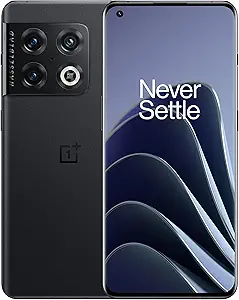
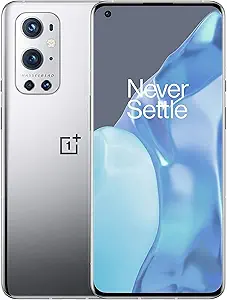
Conversely, OnePlus was founded on the ethos of "Never Settle," initially disrupting the industry as the ultimate "flagship killer." While the brand has since matured and expanded into a comprehensive lineup that includes the premium tier alongside its budget-friendly Nord series, its primary identity remains anchored in high-performance computing, class-leading charging speeds, and exceptionally fluid software. OnePlus targets technology enthusiasts, gamers, and power users who demand flagship-grade performance, premium build materials, and industry-pioneering rapid-charging ecosystems.
Key Differences & Technological Comparison
When evaluating the core technological divergence between OnePlus and TCL, the primary battlegrounds are processing hardware, panel engineering, charging infrastructure, and software longevity.
Display Technology: TCL relies on its deep display manufacturing heritage to introduce distinct screen experiences. Its standout innovation, NXTPAPER, uses multi-layer hardware technology to mimic the tactile and anti-glare properties of paper while eliminating harmful blue light at the hardware level, dramatically reducing eye strain. OnePlus, on the other hand, prioritizes speed, brightness, and color dynamic range. OnePlus devices consistently integrate high-refresh-rate Fluid AMOLED panels featuring LTPO technology, Dolby Vision, and industry-leading peak brightness levels designed for outdoor readability and ultra-responsive touch feedback.
Performance and Internals: Under the hood, the performance gap becomes pronounced. TCL typically equips its smartphones with power-efficient, entry-level to mid-tier chipsets from MediaTek (Helio/Dimensity) or Qualcomm’s Snapdragon 4 and 6 series. These configurations handle everyday multitasking, social media, and video streaming reliably, but struggle under heavy 3D gaming loads. OnePlus places raw performance at the center of its identity, routinely deploying top-tier silicon such as the Qualcomm Snapdragon 8 series in its flagships, paired with advanced vapor chamber cooling systems and high-speed LPDDR5X RAM, making them ideal for sustained gaming and resource-intensive productivity.
Charging Ecosystem and Battery: OnePlus remains a pioneer in fast-charging technology through its proprietary SUPERVOOC system. Many OnePlus devices feature charging rates ranging from 80W to over 100W, allowing a full recharge in under thirty minutes. TCL devices offer respectable battery capacities—often 5,000 mAh or higher—engineered for multi-day endurance under moderate usage, but their charging speeds are substantially slower, typically capping between 18W and 33W.
Software and Support Lifespan: Software execution is another critical separator. OnePlus deploys OxygenOS, a sleek, highly customizable interface built on top of Android, known for its fluid animations and deep personalization. OnePlus also backs its mid-to-high-tier devices with competitive update commitments, often promising up to four years of major Android updates and five years of security patches. TCL UI offers a clean, near-stock Android experience with useful display-specific utilities, but the brand’s software support track record is significantly more limited, often offering only one or two OS updates and infrequent security maintenance.
Pros & Cons Comparison
TCL Smartphones
- Pro: Proprietary NXTPAPER and NXTVISION displays offer best-in-class eye comfort and reduced glare.
- Pro: Highly competitive pricing that delivers exceptional value in the sub-$300 market.
- Pro: Clean user interface without overwhelming bloatware or confusing menu structures.
- Pro: Solid battery longevity paired with energy-efficient processing units.
- Con: Limited processor performance unsuitable for demanding 3D gaming or intensive productivity tasks.
- Con: Modest software update lifecycle with slow rollout of major Android upgrades.
- Con: Average secondary camera performance, particularly in low-light environments.
OnePlus Smartphones
- Pro: Exceptional processing speeds powered by class-leading Snapdragon processors and optimized cooling.
- Pro: Ultra-fast SUPERVOOC wired charging that dramatically reduces downtime.
- Pro: Premium industrial design, vibrant Fluid AMOLED displays, and durable build quality.
- Pro: Extended software support lifecycle with long-term Android OS and security updates.
- Con: Premium flagship and upper-mid-range models command significantly higher price tags.
- Con: Carrier availability can vary significantly depending on region and specific model.
- Con: Modern OxygenOS shares a close codebase with ColorOS, departing somewhat from its original minimalist roots.
Performance, Durability & Value Analysis
From an operational standpoint, OnePlus holds a definitive advantage in computational throughput and hardware resilience. By utilizing aviation-grade aluminum frames, Gorilla Glass Victus front panels, and advanced thermal dissipation components, OnePlus builds devices engineered to withstand physical impacts and the rigors of sustained processing stress. Over a three- to four-year ownership cycle, a OnePlus device is far more likely to retain its responsiveness, supported by higher RAM thresholds, faster UFS storage standards, and consistent software patching that mitigates operating system degradation.
TCL commands a formidable position in pure price-to-utility value. While their devices predominantly utilize polycarbonate enclosures rather than glass or metal sandwiches, they are robustly constructed and less prone to catastrophic glass shatter on the rear panel. TCL extracts maximum utility from modest budgets, making advanced features like high-refresh-rate eye-care screens and high-capacity batteries accessible to buyers who spend less than half the price of a typical performance handset. For users whose requirements center on calling, web navigation, digital reading, and media streaming, TCL delivers an outstanding return on investment without requiring payment for excess processing headroom.
Final Verdict: Which Brand Should You Choose?
Your choice between OnePlus and TCL hinges directly on your performance demands, technological expectations, and budgetary ceiling. Neither brand is universally superior; instead, each dominates its intended consumer niche.
Choose TCL if: You are seeking an affordable daily driver (typically under $300) focused on comfortable reading, media streaming, and long battery life. TCL is the standout choice for students, budget-conscious consumers, and readers who suffer from digital eye strain and want the revolutionary paper-like comfort of NXTPAPER panels without paying flagship prices.
Choose OnePlus if: You demand uncompromised performance, premium build quality, and rapid charging speeds. Whether you opt for their accessible Nord series or their top-tier flagships, OnePlus is the definitive pick for mobile gamers, productivity power users, and consumers who intend to keep their smartphone for three or more years and require top-tier processing power alongside sustained software support.
Affordability
When evaluating affordability, OnePlus and TCL approach the market from fundamentally different price-to-performance tiers. TCL operates primarily as a low-cost volume leader, capitalizing on its vertical integration as a veteran display manufacturer to dominate the ultra-budget and sub-$300 segment. By producing its own panels, TCL significantly cuts manufacturing costs, allowing devices like the TCL 40 and 50 series to feature surprisingly competent, color-accurate displays with proprietary NXTPAPER or NXTVISION technology at entry-level price points. Conversely, OnePlus historically forged its identity as a "flagship killer" and currently targets the upper-budget to premium midrange space, particularly through its Nord lineup. While OnePlus phones naturally carry higher starting price tags, the engineering quality—characterized by aluminum frames, superior haptics, and faster UFS storage speeds—delivers a markedly more premium tactile experience and sustained hardware longevity than TCL's primarily plastic assemblies.
The feature sets and technical strengths of each brand illustrate distinct compromises to achieve their respective price points. OnePlus offers exceptional value retention and everyday fluidity, integrating powerful Snapdragon or upper-tier MediaTek Dimensity chipsets alongside its industry-leading fast-charging architectures (often exceeding 67W to 100W SuperVOOC). This hardware ensures that even an affordable OnePlus Nord or older flagship handles heavy multitasking, gaming, and rapid top-ups without thermal throttling. TCL, meanwhile, relies on modest, cost-efficient silicon—such as entry-level Helio or lower-tier Dimensity platforms—and basic charging speeds (typically 15W to 33W). While TCL smartphones successfully deliver fundamental capabilities like multi-day battery life, expandability via microSD cards, and integrated 3.5mm headphone jacks, their thermal management and graphic-rendering capabilities are engineered strictly for utilitarian, daily communication rather than high-performance computing.
The practical trade-offs regarding affordability ultimately resolve down to initial upfront savings versus long-term cost of ownership. TCL wins decisively on absolute barrier to entry; for consumers seeking a functional, screen-centric smartphone under $200 with minimal financial risk, TCL is virtually unmatched. However, TCL heavily compromises on software lifecycle, often offering just a single major OS upgrade and sporadic security patches, leading to premature functional obsolescence. OnePlus requires a larger initial capital outlay, but pays dividends through sustained usability, smoother OxygenOS optimization, and extended software support lifecycles. Consequently, while TCL reigns supreme for pure bottom-line budget constraints, OnePlus delivers a substantially superior cost-per-year value proposition for users who can afford the step up into the mid-tier market.
Quality/Durability
When evaluating build quality and physical durability, OnePlus and TCL represent starkly different tiers of engineering and material execution. OnePlus operates primarily in the flagship and upper-midrange segments, utilizing premium structural components such as aerospace-grade aluminum frames, scratch-resistant Corning Gorilla Glass Victus 2, and specialized ceramic or textured glass backings. Many of its modern flagships, like the OnePlus 12, boast an IP65 rating, transitioning toward the more comprehensive IP68 and IP69 water and dust ingress protection seen in newer iterations. This advanced sealing protects critical internal components from prolonged moisture and fine particles. In contrast, TCL focuses aggressively on budget-to-midrange smartphones, which necessitates cost-cutting engineering choices. TCL devices rely heavily on lightweight polycarbonate chassis and standard plastic frames that, while naturally resilient against shattering upon impact compared to glass, are significantly more prone to deep scratches, cosmetic scuffing, and structural flex under pressure. Ingress protection is a notable vulnerability for TCL, as most of their lineup settles for rudimentary splash resistance (typically IP52 or IP54), lacking the robust internal rubberized gaskets found across the OnePlus portfolio.
The technical divergence extends deeply into internal hardware longevity and thermal management—key pillars of long-term durability. OnePlus equips its handsets with dual-cell battery architectures engineered for high-wattage charging alongside advanced hardware solutions, such as their proprietary "Battery Health Engine." This technology actively monitors and preserves internal chemical stability, guaranteeing that batteries retain over 80% capacity even after 1,600 charging cycles, effectively doubling the industry standard. Coupled with massive, multi-layered Dual Cryo-velocity vapor chambers, OnePlus devices run cooler under heavy processing loads, preventing micro-stress on the logic board and solder joints. Conversely, TCL directs its engineering strengths toward display innovation, integrating proprietary NXTPAPER technology that provides exceptional anti-glare capabilities and eye comfort with a paper-like, fingerprint-resistant matte finish. However, TCL’s thermal dissipation relies on basic graphite sheets, and their standard lithium-polymer cells generally adhere to the typical 500-to-800 charge-cycle life before showing measurable degradation, placing practical limitations on long-term daily performance under intensive use.
From a consumer longevity perspective, software support acts as the final arbiter of operational quality, where the trade-offs between the two brands become definitively pronounced. OnePlus offers an enterprise-grade software lifecycle, pledging four to five years of major Android OS upgrades and up to five years of bimonthly security patches on its premium models, ensuring the operating system remains stable and secure as the hardware ages. TCL, constrained by its razor-thin profit margins, generally caps software support at one to two OS updates and two years of sporadic security updates for its 40 and 50 series devices, rendering them technically obsolete much sooner. Ultimately, while TCL delivers impressive screen resilience and decent low-impact survivability at an entry-level price point, OnePlus stands vastly superior in structural integrity, advanced ingress sealing, thermal endurance, and sustainable software longevity, making it the clear winner for users prioritizing multi-year durability.
Performance
When evaluating performance, OnePlus and TCL target distinctly different market segments through divergent silicon strategies and system architectures. OnePlus has built its reputation on delivering flagship-tier speed, equipping its numbered series with top-of-the-line Qualcomm Snapdragon 8-series processors, copious amounts of LPDDR5X RAM, and ultra-fast UFS 4.0 storage. This high-end hardware integration ensures that OnePlus devices handle sustained peak workloads effortlessly, excelling at high-framerate 3D gaming, intensive multitasking, and 4K/8K video processing with minimal thermal throttling. In contrast, TCL focuses squarely on the budget and lower-midrange tiers, deploying cost-effective MediaTek Helio and Dimensity chips alongside entry-level Qualcomm Snapdragon 400-series silicon, paired with slower eMMC 5.1 or base-tier UFS storage. While TCL devices adequately manage day-to-day essentials—such as web browsing, video streaming, and social media navigation—their hardware engineering exhibits noticeable latency under heavy multi-app pressure and struggles to render graphically demanding mobile games smoothly.
The operational divide between the two brands is further widened by their software optimization philosophies and thermal management designs. OnePlus utilizes OxygenOS, a platform engineered specifically for fluid motion, utilizing custom CPU thread-scheduling and proprietary RAM management engines to eliminate dropped frames and keep numerous applications active in the background. This is supported by sophisticated vapor chamber cooling systems that actively dissipate heat during extended operational bursts. TCL’s proprietary interface, on the other hand, prioritizes display optimization via its dedicated NXTVISION processing engine—enhancing visual contrast and color calibration in real time—rather than raw computing throughput. Consequently, TCL smartphones often make aggressive background-app compromises to conserve limited hardware resources, resulting in more frequent app reloads and system micro-stutters during intense use. Ultimately, OnePlus represents an enthusiast-grade performance standard built for sustained, heavy compute cycles, whereas TCL offers modest, efficiency-first processing tuned strictly for media consumption and everyday utility.
Camera Quality
When evaluating camera quality, OnePlus operates in a substantially higher performance tier than TCL, driven by sophisticated imaging hardware and its high-profile partnership with Hasselblad. OnePlus smartphones—particularly their number-series flagships—utilize high-end Sony imaging sensors, advanced multi-directional phase detection autofocus (PDAF), and optical image stabilization (OIS). The Hasselblad collaboration introduces calibrated natural color science and advanced digital processing algorithms, delivering punchy yet realistic dynamic range, refined portraiture depth-of-field, and dependable low-light performance via dedicated night modes. In contrast, TCL focuses squarely on the budget and entry-level segments, leveraging its proprietary NXTVISION display technology to digitally enhance image capture and viewing. While TCL devices often feature multi-lens arrays boasting high megapixel counts on paper, they generally rely on smaller, budget-oriented sensors paired with basic electronic image stabilization (EIS) or no stabilization at all, which inherently limits their performance in demanding lighting environments.
In practical application, the technical gap between the two brands manifests vividly in detail retention, shutter lag, and versatility. OnePlus devices excel in edge-to-edge sharpness, rapid autofocus tracking, and raw 4K/8K video recording fidelity, while maintaining consistent color rendering across ultra-wide, telephoto, and primary lenses. TCL smartphones perform respectably in bright, outdoor daylight, capturing pleasant colors boosted by real-time AI scene detection, but their secondary sensors—often consisting of low-resolution macro and depth lenses—offer minimal utility and are largely marketing-driven. Furthermore, TCL cameras struggle significantly in challenging conditions, exhibiting pronounced digital noise, slower shutter response, and aggressive smoothing in low-light environments. For consumers, the trade-off is framed strictly by cost versus imaging ambitions: OnePlus offers a near-flagship photographic experience capable of serious content creation, whereas TCL provides functional, utilitarian snapshot capabilities engineered for casual social media use at a fraction of the price.