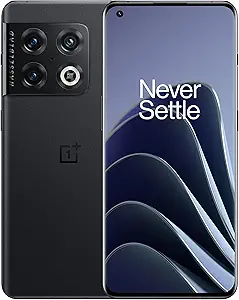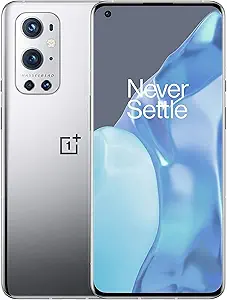







OnePlus vs Oppo: Overview & Brand Philosophy
In the modern smartphone landscape, few brand comparisons are as intricately connected as OnePlus and Oppo. Both entities exist under the umbrella of BBK Electronics, a corporate relationship that has evolved from quiet component-sharing into deep technological integration. Historically, OnePlus entered the market in 2013 as a disruptive "flagship killer," positioning itself around enthusiast-grade hardware, minimalist software via OxygenOS, and a direct-to-consumer digital model. While the brand has since matured into a mainstream premium competitor, its guiding ethos continues to prioritize fluid daily performance, fast processing, and rapid charging solutions tailored to power users and Western markets.
Oppo, established earlier in 2004, approaches the mobile industry from an entirely different origin. Operating as a mass-market innovator with massive brick-and-mortar retail footprints across Asia and Europe, Oppo’s brand identity revolves around consumer-facing lifestyle tech. Its design philosophy strongly emphasizes cutting-edge mobile photography, aesthetic industrial design, and breakthrough display and battery technologies. Rather than catering primarily to digital specs-enthusiasts, Oppo aims to deliver complete, fashion-forward hardware equipped with sophisticated camera suites that appeal to a wide spectrum of lifestyle and photography consumers.
Today, the lines between both manufacturers are more blurred than ever due to unified research and development pipelines and a shared software codebase. Despite this corporate convergence, their target audiences remain distinct. OnePlus continues to focus on streamlined, high-efficiency flagships and cost-conscious performance handsets, while Oppo pushes the envelope on high-end imaging innovations, experimental folding designs, and a broader array of entry-to-premium tiered devices globally.
Key Differences & Technological Comparison
While OnePlus and Oppo frequently share fundamental hardware platforms—such as proprietary fast-charging architectures and battery chemistry—their executions reveal fundamental differences in software philosophy, imaging specialization, and industrial build priorities.
Camera Hardware and Image Processing: Oppo is the undisputed leader between the two regarding imaging research and development. Oppo's flagship Find X series typically features superior sensor selections across all focal lengths, including large-sensor periscope telephoto lenses and proprietary imaging processors like the MariSilicon neural processing unit. OnePlus benefits from the shared Hasselblad color calibration partnership, yet its camera systems are generally configured with a strong primary sensor while occasionally cutting corners on secondary ultrawide or macro sensors to maintain competitive price points.
Software and User Experience: Both OxygenOS (OnePlus) and ColorOS (Oppo) now share a unified underlying code framework, meaning settings layouts, transitions, and animations feel nearly identical under the hood. However, OnePlus retains specific optimizations designed to deliver a snappier, less intrusive user experience with cleaner defaults and minimal bundled bloatware. Oppo’s ColorOS leans heavily into deep visual customization, vibrant user interface elements, and advanced multitasking tools, though it frequently includes more region-specific pre-installed applications depending on the retail market.
Build, Industrial Design, and Form Factors: Oppo frequently leads the portfolio on mechanical innovation. The company's Find N foldable series pioneered zero-gap hinges and minimal screen creasing before these innovations trickled down to OnePlus devices (such as the OnePlus Open). In traditional slab-style form factors, OnePlus maintains utilitarian identity cues—most notably the tactile hardware Alert Slider—while Oppo leans toward ultra-thin chassis profiles, curved backplates, and striking, reflective color finishes.
Pros & Cons Comparison
OnePlus: Pros
- Consistently delivers high-tier processing speed, clean thermals, and superior everyday fluidity.
- Iconic physical Alert Slider allows immediate toggling between silent, vibrate, and ring modes.
- Generally priced more aggressively than direct competitors with identical processors.
- Superior retail availability and extensive carrier support across North American markets.
- Market-leading charging speeds via bundled high-wattage SUPERVOOC adapters.
OnePlus: Cons
- Secondary cameras (telephoto, ultrawide) often lag behind competitors in the premium price bracket.
- Official ingress protection ratings (IP68) are occasionally omitted on entry-level flagship models.
- Software identity has largely drifted away from the original clean, stock-Android design language.
Oppo: Pros
- Industry-leading computational photography and superior periscope zoom capabilities on flagship tiers.
- Pioneering foldable hardware engineering that minimizes screen creases and hinge bulk.
- Highly premium, durable exterior design finishes with consistent full IP68 water resistance on flagships.
- Extensive physical retail presence, warranty hubs, and repair infrastructure throughout Europe and Asia.
Oppo: Cons
- Virtual absence from the official United States and North American carrier networks.
- ColorOS includes more pre-installed applications and notification bloat out of the box.
- Flagship Find X devices typically command much higher price tags than comparable OnePlus flagships.
Performance, Durability & Value Analysis
When assessing long-term performance and durability, both brands post solid metrics due to their shared manufacturing standardizations, yet they target different segments of the value curve. OnePlus consistently captures the performance-per-dollar advantage. By prioritizing the latest flagship Snapdragon processors alongside advanced cooling vapor chambers, OnePlus devices typically sustain high benchmark loads and graphic-intensive gaming sessions without early thermal throttling. In terms of durability, OnePlus incorporates durable aluminum frames and Gorilla Glass Victus panels, though consumers must double-check water resistance certifications, as OnePlus sometimes utilizes weather sealing without paying for formal IP-level certification on lower-tier configurations.
Oppo, conversely, treats performance as a foundational layer rather than the sole selling point, directing budget allocations toward structural premium materials, display tech, and durability testing. Oppo’s high-end portfolio frequently features micro-curved ceramic backs, custom-engineered drop-resistant glass, and certified IP68 water ingress ratings standard across its flagship tiers. While this meticulous build quality translates to exceptional structural longevity, it also pushes flagship pricing firmly into four-figure territory. As a result, Oppo’s value proposition is driven by luxury build quality and uncompromising hardware versatility, whereas OnePlus provides the more efficient financial return on processing power and daily responsiveness.
Final Verdict: Which Brand Should You Choose?
Selecting between OnePlus and Oppo ultimately comes down to geographic availability, photographic expectations, and cost consciousness.
Choose OnePlus if: You are seeking peak processing performance, high refresh-rate gaming, and lightning-fast charging speeds at a price that routinely undercuts typical four-figure flagships. It is the definitive choice for North American consumers who rely on domestic carrier networks, as well as power users who value tactile touches like the physical alert slider and a comparatively streamlined software interface.
Choose Oppo if: Mobile photography is your absolute priority and you reside within Europe, Asia, or markets with official import channels. If you want the most refined periscope cameras, elite portrait processing, or industry-leading foldable hardware—and you are willing to pay standard luxury flagship prices—Oppo stands as the technologically superior and visually distinct option.
Affordability
When assessing affordability, Oppo casts a wider net across the pricing spectrum by leveraging an expansive multi-tier portfolio, whereas OnePlus focuses on delivering high-spec efficiency within specific, targeted pricing tiers. Oppo’s entry-level and mid-range devices, prominently featured in its A-series and Reno lineup, provide remarkably low barriers to entry. In these budget segments, Oppo prioritizes visible lifestyle perks—such as sleek industrial design, high-resolution selfie cameras, and robust battery capacities paired with proprietary SUPERVOOC fast-charging. However, this aggressive cost reduction often necessitates engineering compromises, such as the use of plastic chassis, lower-tier MediaTek Helio or entry-level Dimensity chipsets, slower eMMC storage standards, and less consistent software update commitments. For cost-conscious consumers seeking baseline functionality with modern aesthetic appeal at sub-$300 price points, Oppo commands a clear pricing advantage.
Conversely, OnePlus approaches affordability through the lens of value retention and performance-per-dollar rather than bottom-dollar pricing. While the brand abandoned its pure "flagship killer" roots to offer ultra-premium devices, its Nord series and base numbered flagships (such as the OnePlus 12R) redefine mid-tier affordability. Instead of spreading resources thinly across the ultra-budget space, OnePlus concentrates on tier-one silicon—frequently deploying previous-generation Qualcomm Snapdragon 8-series processors—alongside LPDDR5X RAM, UFS 3.1 or 4.0 storage, and fluid 120Hz LTPO AMOLED displays. The practical trade-off for OnePlus buyers is a higher minimum entry cost compared to Oppo's cheapest offerings, occasionally paired with less versatile secondary camera arrays (such as superfluous macro sensors). Nevertheless, OnePlus mitigates these initial costs by offering superior thermal dissipation systems, streamlined OxygenOS optimization, and extended software lifecycles that significantly reduce the device's total cost of ownership over three to four years.
Ultimately, the choice regarding affordability hinges on whether a buyer prioritizes the lowest upfront financial outlay or long-term operational value. Oppo is the superior choice for strict budget constraints where maximizing superficial design and essential utility for the lowest possible cash outlay is paramount. In contrast, OnePlus dominates the mid-range performance-value calculation, offering technical specifications and component engineering that closely mirror true flagships at a fraction of their cost. While Oppo wins on absolute low-price accessibility, OnePlus provides far superior hardware longevity and processing headroom per dollar spent, making it the more prudent financial investment for performance-oriented consumers.
Quality/Durability
When assessing the engineering quality and structural durability of Oppo and OnePlus, it is essential to recognize their shared lineage under the BBK Electronics umbrella, which grants both brands access to identical high-tier manufacturing facilities and rigorous stress-testing protocols. However, their structural execution differs noticeably across market segments. Oppo places a massive emphasis on mid-range and premium resilient industrial design, frequently incorporating proprietary drop-resistance technologies like their high-strength alloy frames and chemically treated Gorilla Glass across diverse price points. The brand’s flagship Find X series showcases master-class craftsmanship, featuring ceramic backs, advanced hinge mechanisms on foldables rated for over 400,000 folds, and consistent IP68 dust-and-water resistance. OnePlus equally prioritizes flagship materials, consistently deploying aerospace-grade aluminum and Corning Gorilla Glass Victus, but historically has displayed more variance in formal durability certifications, occasionally reserving official IP ratings solely for carrier variants or top-tier flagships to optimize consumer cost-to-performance ratios.
From a hardware resilience and component longevity perspective, both manufacturers offer formidable technical strengths accompanied by specific trade-offs. OnePlus has heavily engineered its devices for functional longevity, introducing specialized tactile innovations like the three-stage physical Alert Slider, which is rated to endure hundreds of thousands of actuations, alongside customized cooling vapor chambers that mitigate the thermal degradation of internal silicon. OnePlus also leads in environmental usability through features like "Aqua Touch" technology, which ensures touch-panel tracking accuracy even under heavy rain or with wet hands. Conversely, Oppo focuses extensively on sustained internal component health, pioneering proprietary Battery Health Engines that employ real-time monitoring and specialized electrolytes to ensure their devices maintain 80% battery capacity after 1,600 charge cycles—effectively doubling industry standards. While OnePlus provides slightly superior frame rigidity and thermal dissipation under sustained processor stress, Oppo delivers a more uniform baseline of structural sealing and long-term battery cell durability across its broader device ecosystem.
The practical durability verdict rests on how consumers weigh software support windows against physical daily wear. OnePlus holds a distinct advantage in extended lifecycle support for its latest flagships, matching the industry’s best with up to five years of operating system updates, ensuring the device remains usable and secure over long periods. Oppo, while improving rapidly in its software commitments, reserves its best longevity guarantees primarily for the ultra-premium Find series, leaving some mid-range Reno devices with shorter maintenance lifespans. However, for users seeking everyday physical toughness, Oppo’s extensive drop-testing and scratch-resistant finishes tend to better resist the micro-abrasions and physical shocks of daily, case-free use. OnePlus represents the ideal choice for enthusiasts wanting robust thermal engineering and extended systemic longevity, whereas Oppo offers a marginally more refined physical fit-and-finish designed to withstand immediate mechanical trauma.
Performance
When evaluating raw processing power and sustained performance, OnePlus traditionally holds an edge over Oppo, despite their shared corporate lineage and joint R&D under OPlus. OnePlus has systematically positioned itself as a speed-first brand, equipping even its mid-tier and flagship-killer models with top-of-the-line Qualcomm silicon, generous LPDDR5X RAM, and cutting-edge UFS 4.0 storage. Their engineering prioritizes high frame-rate stability and thermal dissipation, utilizing expansive Dual Cryo-velocity vapor chambers and aggressive background app-retention algorithms like the Trinity Engine. Oppo also deploys tier-one hardware in its ultra-premium Find series—frequently matching OnePlus's peak benchmark scores—but tends to adopt a more diversified, conservative silicon strategy across its broader catalog. In its mid-range Reno series, Oppo often relies on slightly less capable MediaTek Dimensity or mid-tier Qualcomm chipsets, prioritizing power efficiency and dedicated camera imaging co-processors (such as the MariSilicon chips) rather than raw graphical horsepower.
The divergence becomes starker when analyzing real-world sustained performance, thermal throttling, and software tuning. OnePlus's OxygenOS is deliberately tuned for a rapid, hyper-responsive user experience, offering a perceived fluidness with snappy animation curves and minimal input latency that gaming enthusiasts and heavy multitaskers prefer. Oppo's ColorOS, while sharing the underlying codebase, is tuned toward battery longevity and device stability. Oppo applies more conservative thermal governors that initiate thermal throttling earlier during intensive workflows like 4K video rendering or extended 120Hz gaming sessions. While this results in Oppo devices running perceptibly cooler and preserving battery health over long operating stretches, it comes at the expense of peak sustained clock speeds. For consumers demanding uncompromising computational grunt, high-refresh-rate gaming stability, and unyielding multitasking, OnePlus stands as the technical victor; however, users who prioritize a cooler-running device with an architectural emphasis on imaging performance will find Oppo's balanced engineering adequate.
Camera Quality
While Oppo and OnePlus share manufacturing roots and research resources under the BBK Electronics umbrella, their approach to camera engineering reveals distinct hardware and imaging philosophies. Oppo traditionally positions itself as a camera-centric innovator, often introducing bleeding-edge optical hardware first in its flagship Find X series. This is evidenced by their deployment of custom MariSilicon image-processing neural processing units (NPUs) and dual periscope telephoto systems utilizing massive 1-inch-type primary sensors. OnePlus, while historically playing catch-up in optics, has bridged the hardware gap through its multi-year partnership with Hasselblad. OnePlus cameras leverage this collaboration primarily for natural color calibration, bespoke sensor tuning, and specialized portrait modes. However, Oppo generally retains the technological edge in pure optical engineering, offering superior dynamic range, higher sustained optical zoom quality, and more consistent low-light performance across all auxiliary lenses.
In real-world usage, the technical trade-offs between the two brands center on image processing science and target demographic appeal. Oppo leans heavily into advanced computational photography; its aggressive HDR stacking, highly effective skin-tone optimization algorithms, and superior telephoto stabilization cater exceptionally well to mobile photographers and content creators demanding punchy, social-ready results straight from the shutter. In contrast, OnePlus emphasizes color realism and dynamic restraint. The Hasselblad tuning delivers a more true-to-life palette with authentic contrast and less aggressive digital sharpening, which appeals to photography purists who prefer manual adjustments via comprehensive Pro modes. Despite these strengths, OnePlus devices occasionally struggle with white-balance consistency when switching between the ultra-wide, primary, and telephoto sensors, an area where Oppo’s unified ISP pipeline maintains far tighter uniformity.
Ultimately, the consumer choice in camera quality hinges on hardware tiering and post-processing preferences. Oppo delivers a more versatile, cutting-edge camera suite that excels across extreme shooting scenarios, including high-contrast scenes, long-range zoom, and night videography, making it the superior overall performer for demanding smartphone photographers. OnePlus, on the other hand, delivers high-tier primary camera performance at a typically more competitive price-to-performance ratio. While OnePlus flags slightly behind Oppo in secondary lens capabilities and zoom reach, its sophisticated, natural color rendering and capable primary shooter provide more than enough imaging prowess for the mainstream consumer.