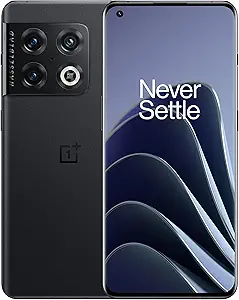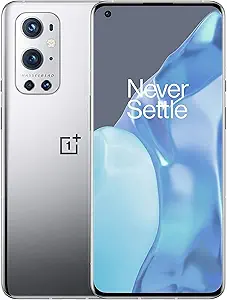









OnePlus vs Motorola: Overview & Brand Philosophy
The global smartphone marketplace has evolved from a duopoly into a fiercely contested arena where specialized value propositions define brand survival. OnePlus entered the market in 2013 under the disruptive banner of "Never Settle," initially targeting tech enthusiasts with high-performance "flagship killers" sold at razor-thin margins. Today, as an integrated subsidiary of BBK Electronics alongside Oppo, OnePlus has pivoted toward mainstream premium status. While it has broadened its portfolio into mid-range segments through the Nord series, its primary identity remains rooted in high-octane processing hardware, rapid battery replenishment technologies, and sleek, modern industrial design tailored for power users.
Conversely, Motorola represents one of the foundational pillars of mobile telecommunications. Now operating as a vital subsidiary of Lenovo, Motorola champions democratization and utilitarian engineering. The brand avoids chasing hyper-spec consumer trends, focusing instead on accessibility, rock-solid baseline hardware, and broad retail ubiquity. Through its ubiquitous Moto G and Moto E families, Motorola commands significant market share in entry-to-mid-tier demographics globally, while its revitalized Edge and foldable Razr lines prove the legacy brand can still execute cutting-edge premium engineering. Motorola’s philosophy centers on clean ergonomics, reliable multi-day battery life, and lightweight software integration.
Key Differences & Technological Comparison
Evaluating OnePlus and Motorola across core technological vectors reveals sharply divergent engineering priorities. The most pronounced hardware divergence lies in charging architecture and battery management. OnePlus leverages proprietary high-wattage charging (SuperVOOC), delivering speeds ranging from 80W to 100W, capable of fully recharging a depleted cell in under thirty minutes. Motorola generally adopts standard USB Power Delivery protocols, capping most mainstream devices between 30W and 68W. While Motorola devices charge more slowly, their wider adoption of PD standards ensures superior cross-compatibility with universal chargers and power banks without requiring brand-specific cables.
Software implementation forms another crucial battleground. Motorola adheres to "My UX" (and the modern "Hello UI"), which offers one of the cleanest, most unadulterated interpretations of stock Android available. Motorola complements this near-AOSP base with genuinely intuitive micro-features, such as their iconic chop-chop flashlight gesture, twist-for-camera action, and the sophisticated "Ready For" desktop-mirroring suite. In contrast, OnePlus has transitioned away from its beloved, minimalist OxygenOS of old into a framework that shares its underlying codebase directly with Oppo's ColorOS. While this unification brings deeper customization, robust multitasking capabilities, and a polished feature set, purists often criticize it for drifting away from the stock Android aesthetic toward a heavier, more stylized interface.
Regarding imaging and display technology, OnePlus generally holds the technical advantage in the premium and upper-midrange segments. Its flagship collaborations with legendary camera manufacturer Hasselblad yield advanced color science, sophisticated portrait modes, and superior low-light computational algorithms. Motorola's cameras, while significantly improved in modern Edge flagships, still struggle intermittently with white balance consistency, dynamic range under harsh lighting, and post-processing lag. Display-wise, OnePlus heavily utilizes high-end LTPO AMOLED panels with variable refresh rates up to 120Hz, whereas Motorola often opts for high-fixed-refresh pOLED panels (reaching up to 144Hz or 165Hz on gaming-oriented devices) that deliver remarkable fluid motion, albeit occasionally at the cost of variable-rate battery optimization.
Pros & Cons Comparison
OnePlus: Strengths
- Industry-leading wired and wireless charging speeds (SuperVOOC) that radically reduce wall-outlet tethering time.
- High-tier display engineering with advanced LTPO panels offering superior peak brightness and power regulation.
- Hasselblad-tuned imaging pipelines delivering reliable color calibration and sophisticated manual controls on flagship units.
- Superior software support lifecycles, offering up to 4-5 years of major Android OS updates on modern flagships.
- Premium build materials, including high-durability Gorilla Glass formulations and tactile signature alert sliders.
OnePlus: Weaknesses
- Proprietary fast charging requires original bricks and cables to realize peak advertised speeds.
- Software identity has merged heavily with ColorOS, alienating users who prefer a stock Android software environment.
- Inconsistent water resistance ratings; some regional models or carrier-unlocked variants lack official IP68 certifications.
Motorola: Strengths
- Exceptionally clean, near-stock Android software interface largely devoid of pre-installed bloatware.
- Class-leading physical gesture controls and the powerful "Ready For" PC desktop extension platform.
- Unrivaled value and dominant performance in the budget-to-midrange ($150–$400) market space via the Moto G series.
- Broad universal fast-charging compatibility using open USB-PD protocols.
- Bold hardware innovation in the clamshell foldable sector with the competitively priced Razr lineup.
Motorola: Weaknesses
- Historically poor software update policies, often limiting budget and midrange models to a single OS upgrade.
- Inconsistent camera post-processing, especially when handling indoor motion and high-contrast night shots.
- Secondary hardware cutbacks, such as deploying slower UFS storage or outdated secondary camera sensors on budget tiers.
Performance, Durability & Value Analysis
From a raw performance and longevity standpoint, OnePlus designs devices intended to endure hardware-intensive use over multi-year periods. By pairing tier-one Qualcomm Snapdragon processors with generous RAM configurations (frequently offering 12GB to 16GB as base tiers) and ultra-fast UFS 4.0 storage, OnePlus phones retain their snappiness well into year three and four of operation. Durability is bolstered by consistent structural rigidity, premium aluminum frames, and robust thermal cooling chambers that throttle heat build-up during sustained workloads or gaming sessions. Furthermore, OnePlus’s commitment to providing four years of major OS upgrades on premium tiers ensures these devices remain digitally secure and feature-relevant over their physical lifespans.
Motorola approaches the value equation from a transactional, upfront-savings perspective. In the entry-level and mid-tier markets, Motorola delivers exceptional structural durability; their devices routinely feature plastic composite builds that resist drop damage and shock better than fragile glass-backed competitors, combined with internal water-repellent nano-coatings. However, Motorola compromises on long-term performance ceilings. Devices in the Moto G series frequently adopt mid-tier MediaTek or lower-tier Snapdragon chips that exhibit noticeable processing degradation and stutter under modern application bloat after 24 months. Compounding this is Motorola's sluggish, sparse software update schedule, which fundamentally truncates device longevity, making them exceptional short-to-medium term values rather than long-term tech investments.
Final Verdict: Which Brand Should You Choose?
Your choice between OnePlus and Motorola hinges primarily on budget tier, update expectations, and your tolerance for modified software.
Choose OnePlus if: You are shopping in the mid-range to premium flagship space ($500 to $1,000+) and prioritize blistering performance, elite battery recharge times, and class-leading display panels. OnePlus is the definitive pick for mobile gamers, power users, and consumers who plan to keep their smartphone for four or more years and expect continuous software updates, top-tier computational photography, and swift daily operation.
Choose Motorola if: You are seeking an unbeatable budget device under $400, demand an immaculate, uncluttered Android operating system, or want an accessible entry point into the foldable market via the Razr line. Motorola is ideally suited for practical consumers who value hardware simplicity, intuitive gesture controls, clean enterprise integration via desktop mode, and physical durability, and who do not mind upgrading their hardware every two to three years.
Affordability
When evaluating affordability, Motorola and OnePlus take fundamentally different approaches to hardware engineering, component sourcing, and market positioning. Motorola reigns as an undisputed giant in the sub-$300 entry-level and lower-midrange tiers, largely through its ubiquitous Moto G and Moto E families. To achieve exceptionally aggressive pricing, Motorola implements calculated engineering trade-offs, such as utilizing cost-effective polycarbonate unibodies, lower-tier MediaTek or Qualcomm Snapdragon 4-series and 6-series silicon, and standard LCD panels over pricier AMOLED tech. In contrast, OnePlus has largely graduated from its original "flagship killer" roots into premium mid-range and high-end territory. Even its dedicated budget line, the Nord series, targets a higher price floor—generally starting around the $300 to $500 mark—focusing on delivering near-flagship performance, vibrant high-refresh-rate AMOLED displays, and aluminum-reinforced chassis rather than competing for the absolute lowest barrier to entry.
In terms of practical value and technical capability per dollar spent, the contrast between the two brands sharpens. OnePlus prioritizes high-spec hardware parity with top-tier devices, providing consumers with disproportionate performance value in its price brackets. Across most of its catalog, OnePlus includes proprietary SUPERVOOC fast-charging bricks directly in the box (ranging from 67W to 100W), coupled with superior thermal management and high-tier Snapdragon processors that guarantee longer usability and software smoothness via OxygenOS. Motorola, while offering unbeatable upfront cash savings, incurs hidden compromises in long-term value; budget Moto devices often ship with sluggish 15W to 30W charging, mono speakers, and mediocre camera sensors that suffer heavily in low-light environments. Furthermore, Motorola's notorious software support policy—often providing only one major OS upgrade and sporadic security patches for its cheaper devices—diminishes its long-term cost-effectiveness compared to the extended, robust software lifecycles OnePlus offers.
Ultimately, the trade-off comes down to absolute budget restrictions versus longevity and performance yield. Consumers with rigid budget ceilings under $250 will find Motorola to be the practical, accessible choice that reliably handles basic daily tasks, web browsing, and battery endurance without financial strain. However, for buyers willing to stretch their budget slightly further into the mid-range domain, OnePlus represents superior overall economic value. By delivering flagship-grade silicone, vastly superior fast-charging capabilities, premium display technology, and better multi-year software longevity, OnePlus ensures a device that remains technically relevant and performant over a significantly longer lifecycle, resulting in a lower annualized cost of ownership.
Quality/Durability
When assessing engineering quality and physical durability, OnePlus leans heavily into a premium, performance-oriented construction that mirrors traditional tier-one flagships. Contemporary OnePlus flagships and upper-mid-range devices consistently feature rigid aluminum-alloy chassis sandwiched between robust Gorilla Glass Victus or Victus 2 panels. While past iterations suffered from notorious structural vulnerabilities—most visibly the catastrophic frame flex around the camera module and antenna lines in the OnePlus 10 series—recent designs (such as the OnePlus 11 and 12) have substantially reinforced internal rigidity. OnePlus has also improved its official ingress protection, advancing from sporadic carrier-dependent ratings to standardized IP68 certifications on flagship models. Furthermore, OnePlus introduced innovative environmental touch features like "Aqua Touch," which utilizes custom display chip logic to maintain precise capacitive responsiveness even when the screen is soaked with water, mitigating a common usability flaw found in competing hardware.
Motorola approaches quality and durability through functional, utility-driven engineering that offers broad resilience across diverse price segments. Unlike OnePlus, which reserves its best build standards for flagship devices, Motorola excels in structural endurance across its budget and mid-tier G-series alongside its premium Edge and foldable Razr lines. A major engineering hallmark of Motorola is the company-wide deployment of water-repellent designs; even sub-$300 handsets frequently integrate a P2i nano-coating to protect internal motherboards from moisture and minor splashes, while their Edge flagships often match or exceed OnePlus by guaranteeing full IP68 water and dust submersion resistance. In terms of materials, Motorola regularly innovates with impact-resistant vegan leather and high-grade polymethyl methacrylate (PMMA) acrylic backings, which naturally absorb drops and resist catastrophic shattering far better than the brittle frosted glass commonly favored by OnePlus.
The practical trade-offs between the two brands ultimately center on aesthetic resilience versus long-term mechanical wear. OnePlus delivers superior long-term screen scratch resistance via flagship-grade Gorilla Glass, paired with a denser, more cohesive in-hand heft that signals luxury engineering. However, an accidental drop with a OnePlus device poses a high risk of shattered glass surfaces on both sides. Conversely, Motorola’s functional material choices offer superior real-world survivability against everyday impact and scuffs, but its lighter polycarbonate and composite frames can suffer from cosmetic abrasion and micro-denting over prolonged usage. Additionally, while Motorola has made commendable strides in the hinge durability of its Razr foldables, OnePlus retains an engineering edge in hinge tolerance and internal thermal dissipation—using massive dual vapor chambers that prevent the thermal degradation of internal silicon over multi-year lifespans.
Performance
When evaluating performance, OnePlus and Motorola represent two distinct engineering philosophies, largely defined by their processor integration and software optimization. OnePlus has historically anchored its brand identity to high-tier speed, consistently outfitting its flagship and mid-range devices with the latest top-tier silicon, such as Qualcomm’s Snapdragon 8-series chipsets, paired with rapid LPDDR5X RAM and high-speed UFS 4.0 storage. This hardware prowess is complemented by OxygenOS, which utilizes aggressive frame-rate stabilization engines and dynamic RAM allocation algorithms to maintain blistering responsiveness during intensive tasks and competitive mobile gaming. Motorola, by contrast, adopts a more stratified approach across its lineup. While its flagship Edge devices feature comparable flagship Snapdragon silicon, Motorola tends to be more conservative with thermal thresholds and clock speeds, prioritizing balanced daily execution and battery conservation over sustained peak frame rates. In the mid-range and budget segments, Motorola leans heavily on MediaTek or lower-tier Snapdragon chips, which, while reliable, cannot quite match the raw synthetic benchmarks or demanding 3D rendering capabilities delivered by OnePlus's competitive Nord and numeric series.
The practical trade-offs between the two ecosystems become evident in long-term stability and user experience. OnePlus implements aggressive background task-killing mechanisms to preserve speed and smoothness, which occasionally disrupts background app retention and timely push notifications. However, its sophisticated vapor-chamber cooling designs and proprietary high-wattage charging architectures—which offload heat management to the power adapter rather than the device—allow OnePlus phones to sustain prolonged gaming sessions without the severe thermal throttling that plagues competitors. Motorola distinguishes itself with its lightweight My UX software, which offers a near-stock Android experience remarkably devoid of bloatware. This uncluttered interface allows Motorola devices to feel exceptionally fluid during standard navigation, multitasking, and productivity workflows despite harboring theoretically lesser cooling hardware. Motorola also excels in functional productivity with its "Ready For" platform, which converts the phone into a responsive desktop workstation with minimal input lag. Ultimately, power users, mobile gamers, and benchmark-driven consumers will find OnePlus the superior performer, while everyday users prioritizing fluid navigation, clean UI overhead, and desktop-extended productivity will be well served by Motorola’s balanced architecture.
Camera Quality
When evaluating camera engineering quality and color science, OnePlus consistently holds an advantage over Motorola in the flagship and upper-midrange smartphone segments. Through its strategic, multi-year partnership with legendary camera manufacturer Hasselblad, OnePlus has refined its natural color calibration, resulting in balanced tone curves, accurate flesh tones, and superior high dynamic range (HDR) processing across both primary and ultra-wide sensors. Their upper-tier devices feature large, cutting-edge Sony sensors with robust optical image stabilization (OIS) and sophisticated multi-directional phase detection autofocus. Conversely, Motorola traditionally prioritizes pixel-binning efficiency over custom color profiles, often leaning into high-megasensor numbers—such as 200MP modules—to market detail. While Motorola's flagship Edge series yields sharp daytime photography, its image signal processing (ISP) frequently struggles with erratic exposure balancing, overly aggressive contrast, and intermittent shutter lag that OnePlus has largely engineered out of its ecosystem.
The feature sets and technical execution diverge further when assessing secondary sensors and low-light performance. OnePlus integrates dedicated telephoto lenses, often incorporating periscope prisms with advanced computational portrait modes that mimic classic Hasselblad optics, providing natural bokeh and high optical fidelity at 3x and 6x zoom levels. Their Nightscape algorithms efficiently synthesize multi-frame exposures to retain shadow detail while curbing digital noise in high-contrast, dark environments. Motorola, meanwhile, focuses heavily on fast shooting ergonomics, offering software-driven gestures like the signature "double twist" to quickly activate the camera, alongside robust manual and "Pro" modes that give enthusiasts granular control over RAW capture. However, Motorola’s auxiliary sensors—specifically its macro and secondary zoom lenses—frequently exhibit a noticeable drop-off in edge sharpness and color continuity compared to the main sensor, making the overall shooting experience less cohesive.
From a practical consumer perspective, the trade-off hinges on budget tier versus photographic dependability. In the ultra-budget and lower-tier market, Motorola’s Moto G series offers competitive, practical point-and-shoot cameras that outperform their modest price points for everyday social media snaps, though they struggle significantly in challenging lighting. For users seeking true flagship imaging capable of handling rapid movement, complex skin tones, and low-light environments without intensive manual tuning, OnePlus delivers a far more refined and reliable photographic package. Motorola provides commendable utility and fun utility features, but OnePlus secures the upper hand in optical consistency, dynamic range, and professional-grade color fidelity.