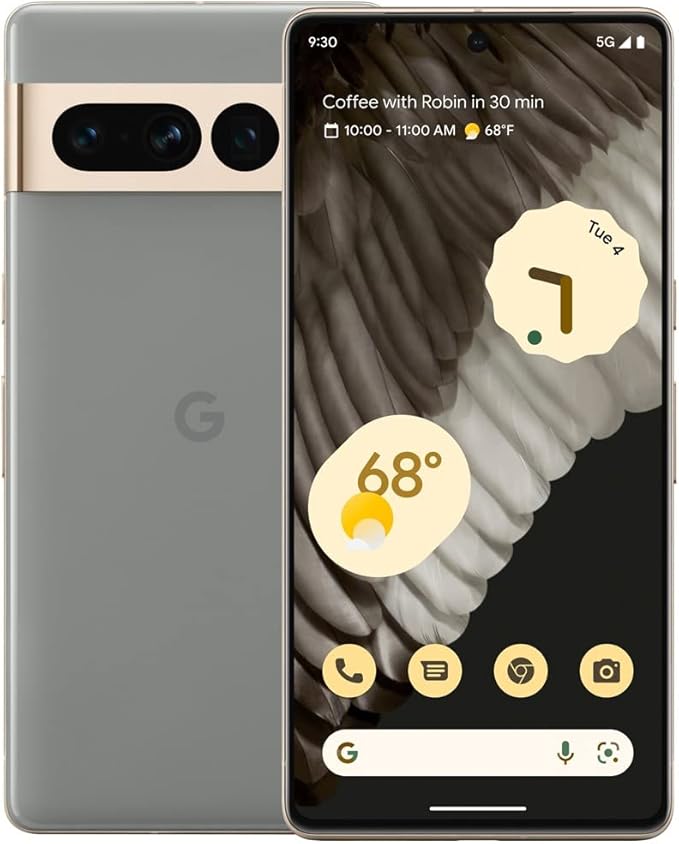
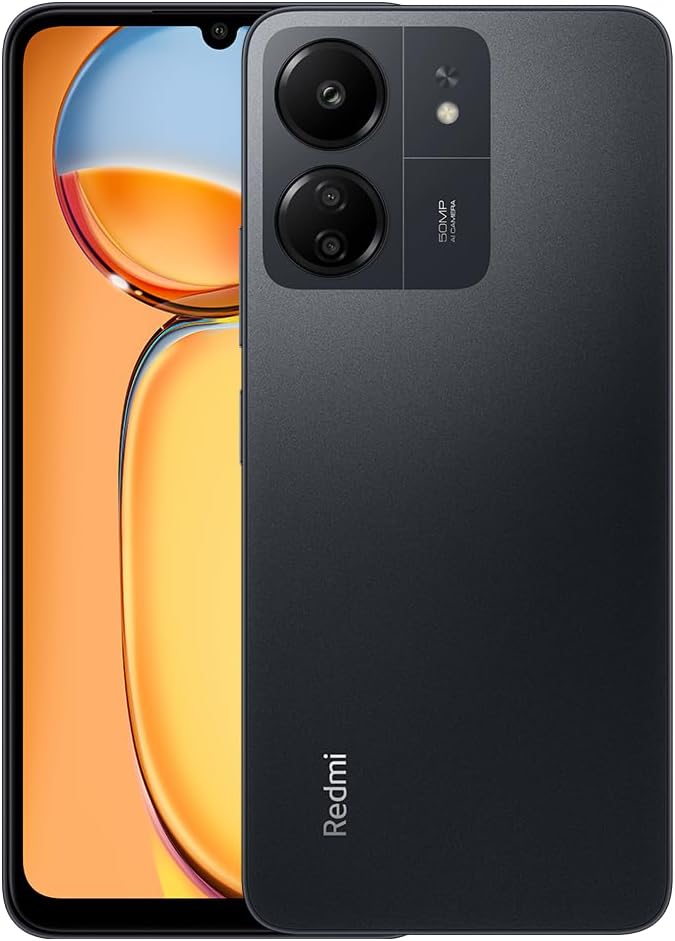
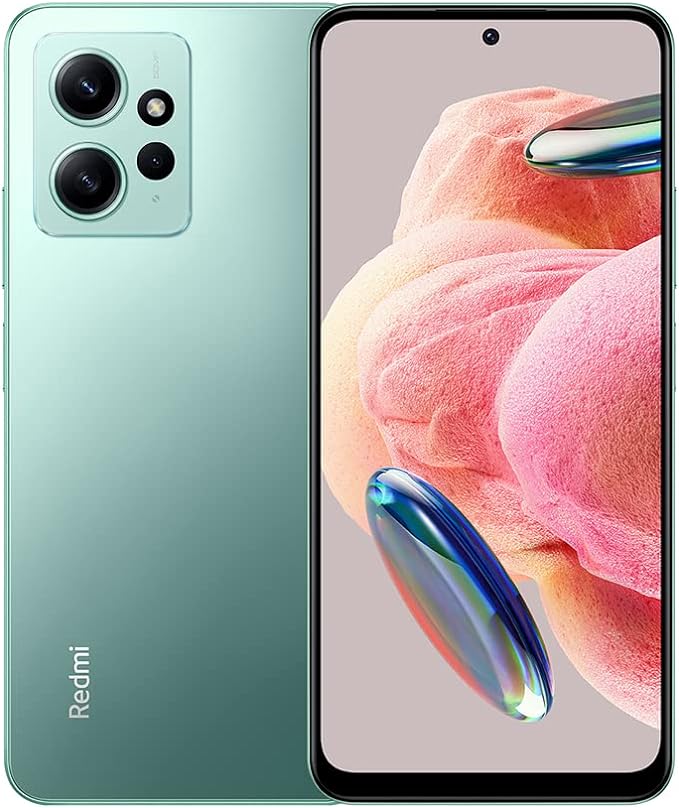
Google vs Xiaomi: Overview
Comparing Google and Xiaomi helps you determine which brand is best suited for your needs in Smartphones. Both brands offer strong choices depending on your budget and key feature requirements.
Key Features & Comparison
Evaluate factors such as build quality, warranty, customer satisfaction, and total value before making your final purchase choice between Google and Xiaomi.
Affordability
When evaluating affordability, Xiaomi consistently operates as an industry disrupter, leveraging a high-volume, lean-margin business model that delivers exceptional hardware specifications per dollar spent. Across its entry-level Redmi line, mid-range POCO sub-brand, and flagship numbered series, Xiaomi offers consumer electronics with high refresh rate AMOLED displays, expansive battery capacities, and rapid charging speeds at price points often half those of Western competitors. This aggressive pricing strategy allows budget-conscious consumers to access premium technological features—such as 120Hz panels and 67W or higher fast charging—well below standard market entry thresholds.
Google approaches affordability with a more bifurcated and software-centric methodology through its Pixel 'A' series alongside standard flagships. While a base Pixel or A-series device typically commands a higher initial price than a direct hardware-equivalent from Xiaomi, Google offsets this delta through software longevity, higher residual trade-in values, and a lack of monetized system advertisements. Xiaomi frequently subsidizes its razor-thin hardware margins via its HyperOS (formerly MIUI) software ecosystem, which incorporates pre-installed bloatware and algorithmic promotions in select markets, meaning consumers face a trade-off between raw upfront hardware savings from Xiaomi versus a cleaner, ad-free interface with guaranteed seven-year software support cycles from Google.
Quality/Durability
Google's structural engineering focuses on refined, minimalist industrial aesthetics and robust ingress protection, particularly on its flagship and mid-tier tiers. Contemporary Pixel devices consistently incorporate IP68 water and dust resistance, aerospace-grade aluminum frames, and Corning Gorilla Glass Victus or Victus 2 across front and rear assemblies. The tactile feel is premium and unified, distinguished by the iconic camera visor architecture. However, Google has experienced historic hardware quality control variances, such as thermal throttling under heavy loads, minor display tint inconsistencies, and physical component tolerances that occasionally necessitate post-launch software stabilization patches.
Xiaomi showcases tremendous versatility in its manufacturing execution, ranging from utilitarian, cost-reduced polycarbonate builds in budget lines to lavish ceramic and faux-leather finishes on ultra-flagship tiers engineered in collaboration with premium material suppliers. Flagship models, such as the Xiaomi 13 and 14 Ultra series, boast peerless structural rigidity, IP68 ratings, and proprietary 'Dragon Crystal' glass designed to rival Gorilla Glass in drop tests. Conversely, Xiaomi's mass-market and mid-range devices frequently omit robust water resistance (often topping out at splash-proof IP54) and use plastic mid-frames that do not resist torsional stress as effectively as Google's fully aluminum-chassis counterparts.
Performance
Performance benchmarks highlight a fundamental divergence in silicon strategy between Google and Xiaomi. Xiaomi unequivocally prioritizes top-tier processing brute force by partnering closely with Qualcomm and MediaTek to integrate market-leading silicon, such as the Snapdragon 8 Gen series, paired with blistering UFS 4.0 storage and LPDDR5X RAM. This raw computational horsepower translates to exceptional sustained graphics performance, higher peak frame rates in demanding 3D gaming titles like Genshin Impact, and superior thermal dissipation driven by expansive vapor-chamber cooling arrays. For power users and mobile gamers who demand pure synthetic throughput and multitasking endurance, Xiaomi holds a distinct architectural advantage.
Google takes a custom, purpose-driven approach with its proprietary Tensor system-on-chips (SoCs), engineered in tandem with Samsung's foundry and optimized for artificial intelligence and machine learning rather than peak synthetic benchmarks. While Tensor chips trail Snapdragon competitors in peak CPU and GPU rasterization, they excel in low-latency TPU tasks, driving on-device generative AI, real-time voice transcription, live translation, and computational photography pipelines. Daily navigation and UI fluidity feel exceptionally smooth on Pixel devices due to the tightly integrated, clean Android framework, but sustained gaming sessions and heavy 4K video rendering reveal thermal limits and battery drain faster than Xiaomi's thermally optimized flagships.
Camera Quality
Google is widely regarded as a pioneer in computational imaging, leveraging sophisticated algorithms to achieve pristine photographic results even with modest sensor sizes. With current Pixel flagships utilizing large 50MP primary sensors alongside advanced telephoto lenses, Google's imaging pipeline—anchored by HDR+, Real Tone skin profiling, and Night Sight—consistently produces class-leading point-and-shoot accuracy. Pixels excel in dynamic range preservation, edge detection in portraiture, and eliminating motion blur in chaotic lighting conditions. The operational philosophy minimizes user intervention, delivering natural, color-accurate, and contrast-balanced photos with exceptional consistency across all lenses.
Xiaomi counters Google's computational mastery through sheer optical engineering and high-end hardware integration, highlighted by its strategic partnership with optical titan Leica. Ultra-tier Xiaomi devices incorporate massive 1-inch-type Sony image sensors, physical stepless variable apertures, and specialized Leica Summilux lens coatings that dramatically reduce chromatic aberrations and flare. This hardware-first approach produces authentic, shallow depth-of-field and rich optical bokeh that algorithms struggle to replicate organically. While Xiaomi gives photography enthusiasts deep granular control via manual modes and distinct color profiles (Leica Authentic vs. Leica Vibrant), it occasionally suffers from minor color inconsistencies between lenses and less predictable automated HDR adjustments compared to Google's infallible image processing.