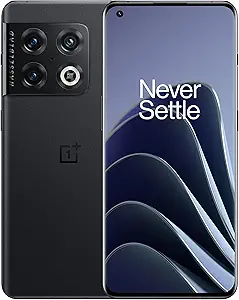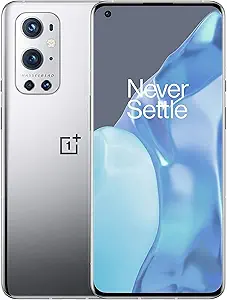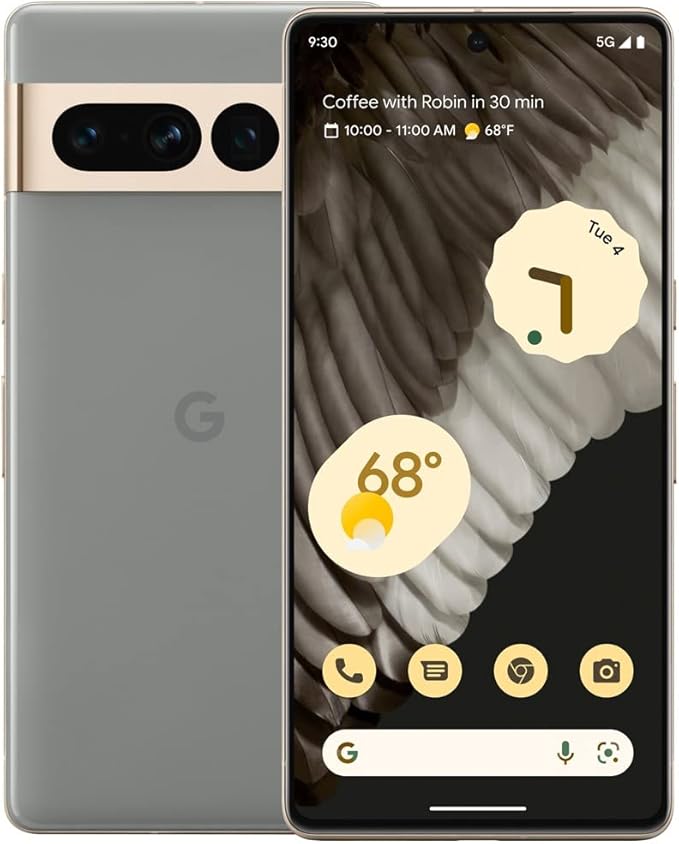








In the vast ocean of smartphones, two brands have emerged as beacons of innovation and user-centric design: Google and OnePlus. Both companies have carved out their own niches in the fiercely competitive market, offering compelling alternatives to the established giants. Google, with its Pixel lineup, focuses on delivering a pure Android experience coupled with cutting-edge camera technology and seamless integration with Google services. Meanwhile, OnePlus prides itself on its "Never Settle" mantra, catering to tech enthusiasts with flagship-level performance, sleek design, and a commitment to affordability. Let's dive deep into the realms of Google and OnePlus smartphones, comparing their features, philosophies, and the experiences they offer to users.
Key Features Comparison
Affordability
Google smartphones, specifically the Pixel series, are renowned for their advanced features and high-quality cameras. However, they are often priced higher than their counterparts from other brands. For instance, the latest Google Pixel 6 Pro is priced at $899 for the base model, which is quite steep for an average consumer. Despite this, the price is justified by the unique features it offers, such as the Google Tensor SoC, 5G support, and a 50MP camera. However, the high price point may deter budget-conscious consumers, especially when there are more affordable options available in the market. On the other hand, OnePlus smartphones are known for their competitive pricing strategy. They offer high-end specifications at a relatively lower price, making them a popular choice among budget-conscious tech enthusiasts. The latest OnePlus 9 Pro is priced at $969 for the base model, which, while still high, offers features such as the Snapdragon 888, 5G support, and a 48MP camera. Although the camera quality may not be on par with Google's Pixel series, the overall package offered by OnePlus is quite competitive considering the price. Thus, while Google smartphones may offer superior camera quality, OnePlus smartphones provide a more affordable alternative without compromising on the latest technologies.
Quality/Durability
When it comes to the quality and durability of smartphones, both Google and OnePlus have made significant strides in recent years. Google smartphones, particularly the Pixel series, are known for their high-quality build and longevity. The latest model, Google Pixel 5, features an aluminum body with a bio-resin coating, providing a robust and durable exterior. It also has Gorilla Glass 6 for screen protection, which is known for its high resistance to damage. However, some users have reported issues with the Pixel series' battery life over time, which could affect the overall durability of the device. On the other hand, OnePlus smartphones, such as the OnePlus 8T and OnePlus 9, are also renowned for their quality and durability. These models feature an aluminum frame and Gorilla Glass on both the front and back for added protection. OnePlus devices are generally praised for their build quality, with a solid feel and weight that suggests durability. However, some users have reported that the paint and finish on OnePlus devices can be prone to scratching and wear over time. Compared to other brands, both Google and OnePlus smartphones offer good durability, but like all devices, they are not without their potential issues.
Performance
When evaluating performance, OnePlus and Google take radically different architectural approaches that cater to distinct user priorities. OnePlus consistently positions itself as a raw hardware powerhouse, outfitting its flagship devices with the latest Qualcomm Snapdragon processors paired with class-leading LPDDR5X RAM and UFS 4.0 storage. This relentless focus on sheer throughput translates to blistering multi-core processing speeds, class-leading thermal dissipation through large vapor chambers, and exceptional sustained gaming performance. Combined with OxygenOS’s aggressive resource management and lightweight animations, OnePlus delivers a hyper-fluid, tactile user experience with near-instantaneous app launch times and minimal frame drops under heavy GPU loads.
Conversely, Google relies on its proprietary Tensor silicon, which deprioritizes benchmark-topping synthetic metrics in favor of specialized, on-device machine learning capabilities. Tensor chips feature custom TPU (Tensor Processing Unit) hardware optimized for complex computational tasks like real-time language translation, advanced voice dictation, and generative photo manipulation. While Google's devices feel remarkably smooth in daily navigation thanks to deep system integration within pure Android, they inherently fall short of OnePlus in sustained thermal efficiency and heavy 3D gaming, where throttling and moderate heat generation become apparent. The fundamental trade-off is clear: OnePlus dominates in raw processing muscle, sustained peak output, and battery-refilling charging speeds, whereas Google excels in context-aware intelligence and seamless AI-driven utility.
Camera Quality
In the camera department, the contrast between OnePlus and Google exemplifies the classic battle between hardware-forward imaging and computational photography supremacy. Google’s Pixel lineup has long set the gold standard for point-and-shoot reliability, leveraging industry-leading computational pipelines to master high-dynamic-range (HDR) scenes, skin tone accuracy via Real Tone, and challenging low-light environments with Night Sight. Google’s software algorithms excel at deblurring, extracting shadow detail without introducing unnatural noise, and producing consistent contrast and color rendition across all lenses. This results in an effortless photographic experience where users can reliably capture fleeting moments without manual intervention or post-processing adjustments.
OnePlus counters Google’s algorithmic prowess through sophisticated physical optics and its strategic partnership with Hasselblad. Recent OnePlus flagships feature massive Sony image sensors, advanced prism-based telephoto periscopes, and dedicated color calibration co-engineered with Hasselblad to deliver natural color science and rich tonality. While OnePlus can capture stunning, high-resolution imagery with exceptional organic depth and tactile manual controls via its Master Mode, it still exhibits occasional inconsistencies in challenging HDR scenarios and fast-moving shutter capture compared to Google. Nevertheless, OnePlus offers expansive hardware versatility and superior manual control, whereas Google remains the indisputable leader for dependable, turn-key computational imaging straight out of the pocket.
Related Videos
Conclusion
In the dynamic landscape of smartphones, Google and OnePlus have established themselves as formidable players, each with its own unique strengths and appeal. Whether you're drawn to Google's commitment to pure Android and cutting-edge camera technology or OnePlus's mantra of performance, design, and affordability, there's a smartphone experience tailored to your preferences. As both brands continue to push the boundaries of innovation and user-centric design, consumers can expect even more exciting developments and groundbreaking features in the future. Whether you choose Google or OnePlus, you're sure to embark on a journey filled with innovation, performance, and endless possibilities.