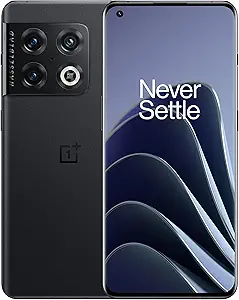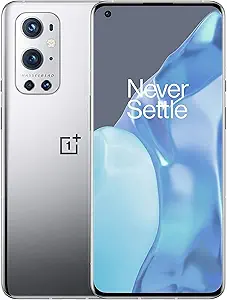







In the bustling world of smartphones, two brands stand out as pioneers of innovation and user-centric design: Apple and OnePlus. Each brand brings its own unique blend of style, performance, and technology to the table, captivating consumers with their distinct approaches to the smartphone experience. Apple, with its iconic iPhones, has redefined the industry with a focus on sleek design, seamless integration, and a vibrant ecosystem of apps and services. OnePlus, on the other hand, has earned a loyal following among tech enthusiasts with its "Never Settle" ethos, delivering flagship-level performance, innovative features, and exceptional value for money. Let's delve into the realms of Apple and OnePlus smartphones, comparing their features, philosophies, and the experiences they offer to users.
Key Features Comparison
Affordability
When it comes to the aspect of price, Apple and OnePlus smartphones cater to different segments of the market. Apple smartphones, particularly the latest models like the iPhone 12 Pro Max or the iPhone 13, are positioned as premium devices with prices starting from $1,099 and $799 respectively. This high price tag is justified by Apple's reputation for quality, cutting-edge technology, and a robust ecosystem of apps and services. However, this makes Apple smartphones less accessible to budget-conscious consumers. On the other hand, OnePlus smartphones, such as the OnePlus 9 and OnePlus Nord, are priced much more affordably, with prices starting from $729 and $299 respectively. OnePlus has gained a reputation for offering high-quality smartphones with top-tier specs at a fraction of the cost of other flagship devices. While OnePlus may not have the same brand recognition as Apple, it offers a compelling alternative for consumers seeking value for money. However, it's important to note that while OnePlus phones are cheaper, they may not always match Apple in terms of performance, camera quality, and software updates.
Quality/Durability
When it comes to the quality and durability of smartphones, both Apple and OnePlus have established a strong reputation in the market. Apple's iPhones are renowned for their superior build quality, using high-grade materials like aerospace-grade aluminum and ceramic shield front cover, which is touted as tougher than any smartphone glass. This, coupled with the IP68 rating for dust and water resistance in recent models, significantly enhances the durability of iPhones. Apple's quality control is also highly stringent, ensuring that each iPhone meets the company's high standards. However, iPhones are also known for their delicate screens which can be prone to cracking if dropped without a protective case. On the other hand, OnePlus smartphones are also known for their robust build quality. They utilize strong materials such as aluminum and Gorilla Glass, which offer a good level of durability. OnePlus devices are generally considered sturdy and capable of withstanding day-to-day usage and minor accidents without significant damage. However, it's worth noting that OnePlus has not consistently offered official IP ratings for water and dust resistance in their models, which can be a point of concern for some users. In terms of quality control, OnePlus has had a few instances of quality-related controversies, but they have generally maintained a good track record. Compared to Apple, OnePlus smartphones may offer a slightly lower level of build quality and durability, but they also come at a significantly lower price point, offering excellent value for money.
Performance
When evaluating performance, Apple represents the pinnacle of vertical integration, designing bespoke Silicon chips like the A-series and M-series alongside iOS. The primary engineering strength of Apple's architecture lies in its industry-leading single-core CPU throughput, specialized neural engines, and exceptional energy efficiency under sustained loads. Apple devices rarely exhibit background thermal throttling during routine tasks, and the operating system's strict memory management allows iPhones to achieve parity or superiority over competitors with significantly less physical RAM. For resource-intensive workloads such as on-device 4K ProRes video rendering or advanced graphical gaming, Apple provides sustained, dependable performance without dramatic drops in frame rates over years of device ownership.
OnePlus counters with a philosophy rooted in raw, unbridled specification dominance, leveraging Qualcomm's flagship Snapdragon platforms paired with massive allocations of high-speed LPDDR5X RAM and UFS 4.0 storage. Operating on OxygenOS, OnePlus fine-tunes its software specifically for fluid tactile responsiveness, achieving exceptional multi-tasking capabilities where dozens of applications can remain resident in memory without reload delays. Furthermore, OnePlus distinguishes itself in thermal dissipation, employing oversized dual-chamber vapor cooling systems that sustain high frame rates in prolonged mobile gaming sessions. However, the trade-off lies in long-term efficiency: while OnePlus devices often feel faster in immediate UI navigation and app-launch bursts due to aggressive animation scaling, they can suffer from higher peak battery consumption and shorter multi-year optimization cycles compared to Apple’s tightly controlled ecosystem.
Camera Quality
Apple’s imaging philosophy emphasizes computational consistency, photorealistic color science, and class-leading video production standards. Utilizing custom image signal processors (ISPs) linked to the Photonic Engine, Apple balances dynamic range and shadow detail to produce an accurate, dependable representation of the physical scene. Where Apple indisputably leads the industry is in videography: features like Dolby Vision HDR capture, Log video recording with ACES support, and the Cinematic Mode rack-focus system make the iPhone an indispensable tool for mobile content creators. The hardware execution—from sensor-shift optical image stabilization to custom anti-reflective lens coatings—ensures that shutter lag is virtually non-existent, making it the superior option for capturing unpredictable motion and candid family photography.
OnePlus approaches camera engineering through specialized hardware partnerships, most notably its multi-year collaboration with Hasselblad, which focuses heavily on natural color calibration and distinct portrait aesthetics. OnePlus flagship configurations often push boundaries with superior telephoto periscope zoom lenses and large Sony primary sensors that excel in low-light optical light gathering without heavy computational over-sharpening. The Hasselblad Master Mode provides enthusiast photographers with granular manual controls, 16-bit RAW capture, and unique lens simulations that yield dramatic, artistic results. Despite these technical strengths, OnePlus still experiences occasional inconsistencies in white balance when transitioning across ultra-wide, wide, and telephoto sensors, and its video capture capabilities lack the stabilization polish and professional codec support standard on Apple's flagship devices.
Related Video
Conclusion
In the ever-evolving landscape of smartphones, Apple and OnePlus continue to push the boundaries of innovation and excellence, each with its own unique strengths and appeal. Whether you're drawn to Apple's timeless design, seamless ecosystem, and advanced camera technology, or OnePlus's commitment to performance, value, and customization, there's a smartphone experience tailored to your preferences. As both brands continue to innovate and evolve, consumers can expect even more exciting developments and groundbreaking features in the future. Whether you choose Apple or OnePlus, you're embarking on a journey filled with innovation, performance, and endless possibilities.