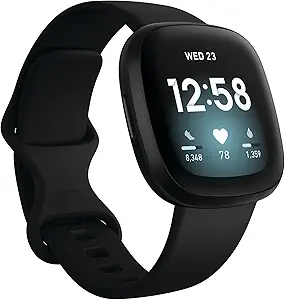
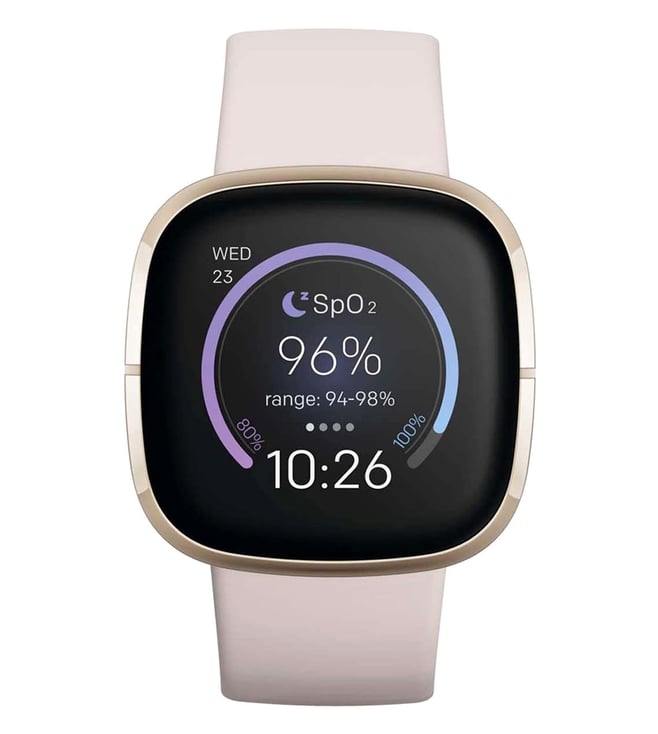
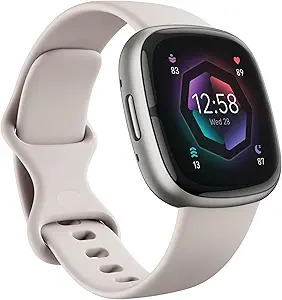
Huawei vs Fitbit: Overview
Comparing Huawei and Fitbit helps you determine which brand is best suited for your needs in Smart Watch. Both brands offer strong choices depending on your budget and key feature requirements.
Key Features & Comparison
Evaluate factors such as build quality, warranty, customer satisfaction, and total value before making your final purchase choice between Huawei and Fitbit.
Battery Life
When it comes to power longevity, Huawei stands as one of the market leaders, engineering wearables that consistently deliver between 7 to 14 days of typical use on a single charge. Devices like the Huawei Watch GT series achieve this remarkable endurance through a dual-chipset architecture and highly optimized, lightweight operating systems (HarmonyOS Lite) that dynamically regulate energy consumption based on user activity. Even with continuous heart rate monitoring, sleep tracking, and frequent notification pings enabled, Huawei wearables rarely induce battery anxiety, making them exceptional companions for long-distance travel, multi-day outdoor excursions, or users who simply dislike daily charging rituals.
Fitbit provides respectable stamina compared to traditional high-drain smartwatches like the Apple Watch, typically offering between 4 to 7 days of autonomy across models such as the Versa and Sense lines. While sufficient for tracking an entire week's sleep cycles without intermediate top-ups, Fitbit falls short of Huawei’s multi-week capability, particularly when power-hungry sensors such as built-in GPS or the Always-On Display (AOD) are engaged. Furthermore, fast-charging capabilities on Huawei devices tend to replenish substantial operational capacity within 10 to 15 minutes, whereas Fitbit requires a more deliberate, tethered charging session, leaving Huawei as the clear victor in overall power performance and efficiency.
Build Quality & Durability
Huawei takes an uncompromised, traditional horological approach to its hardware design, frequently utilizing premium materials that rival high-end luxury timepieces. Flagship models such as the Huawei Watch 4 Pro and GT Pro series boast aerospace-grade titanium cases, scratch-resistant sapphire crystal glass, and nanocrystal ceramic rear casings. Beyond offering exceptional aesthetic refinement, this construction yields outstanding structural integrity, often certified with 5 ATM water resistance, IP68 ingress protection, and dedicated EN13319 diving ratings capable of enduring deep-water immersion. Huawei devices look and feel like durable precision instruments engineered for rigorous use in both boardroom and rugged wilderness environments.
Fitbit adopts a much more utilitarian, fitness-centric aesthetic characterized by soft, rounded "pebble" contours and lightweight aluminum or polymer frames. While this design ensures remarkable comfort during sleep and intense cardiovascular workouts, it lacks the opulent feel and high-impact resilience of Huawei's catalog. Fitbit displays generally use standard Corning Gorilla Glass, which is resistant to everyday scuffs but more vulnerable to catastrophic cracks under direct impacts than sapphire. For buyers prioritizing rugged durability, high-end materials, and premium watchmaking standards, Huawei holds an unmistakable engineering edge, whereas Fitbit caters to those who value lightweight unobtrusiveness.
Health & Fitness Tracking
Fitbit built its global reputation on holistic biometric tracking and remains an industry benchmark for lifestyle health analysis, sleep staging, and stress management. Leveraging its sophisticated algorithmic modeling and multi-path optical sensors, Fitbit excels at delivering granular sleep metrics, dividing rest into deep, light, and REM stages alongside a proprietary Sleep Score. The Fitbit Sense series also introduced pioneering electrodermal activity (cEDA) sensors for continuous stress monitoring, skin temperature tracking, and FDA-cleared ECG apps. However, a notable trade-off is the commercial ecosystem: several advanced longitudinal trends, raw HRV metrics, and comprehensive health readiness reports remain locked behind the paid Fitbit Premium subscription wall.
Huawei counters with its proprietary TruSeen™ and TruSleep™ technologies, which provide exceptionally fast, accurate physiological telemetry without requiring any recurring subscription fees. Recent Huawei devices incorporate multi-channel optical sensor arrays capable of continuous arterial stiffness detection, ECG monitoring, blood oxygen (SpO2) tracking, and advanced running dynamics like ground contact time balance. While Huawei’s companion Health app provides an overwhelming wealth of unpaywalled data and scientific training metrics, its holistic lifestyle insights and sleep coaching occasionally feel less intuitive or emotionally engaging than Fitbit’s polished, community-driven interface. Still, for athletes seeking granular performance data without a monthly fee, Huawei presents a formidable alternative.
Smart Features & Connectivity
Fitbit, backed by its Google parentage, integrates cleanly into Western smart ecosystems, especially for Android users. Newer devices like the Sense 2 and Versa 4 leverage official Google Maps turn-by-turn navigation, Google Wallet for contactless payments, and native voice control via Google Assistant or Amazon Alexa. Notification handling is relatively smooth, allowing quick text replies and basic phone interactions directly from the wrist. However, recent iterations have seen the software ecosystem somewhat restricted, with the removal of third-party app stores and local music storage, pivoting Fitbit into a dedicated health companion rather than an expansive standalone computing platform.
Huawei's smart feature ecosystem presents a classic high-reward, high-friction dynamic due to global geopolitical restrictions. Hardware-wise, Huawei smartwatches feature brilliant micro-OLED displays, responsive speakers, crisp Bluetooth calling, and even standalone eSIM cellular connectivity on select flagship models. However, software accessibility varies significantly by region; users must sideload the Huawei Health app on non-Huawei Android phones, contactless payment support through Huawei Wallet is severely restricted outside select countries, and iOS users face stripped-down notification interactions and limited feature parity. For seamless connectivity, third-party app integration, and Western ecosystem cohesion, Fitbit offers a vastly more convenient and frictionless user experience.
Compare current retail pricing, active promotions, and verified stock availability directly from authorized stores: