Apple vs Skagen: Overview
Comparing Apple and Skagen helps you determine which brand is best suited for your needs in Smart Watch. Both brands offer strong choices depending on your budget and key feature requirements.
Key Features & Comparison
Evaluate factors such as build quality, warranty, customer satisfaction, and total value before making your final purchase choice between Apple and Skagen.
Battery Life
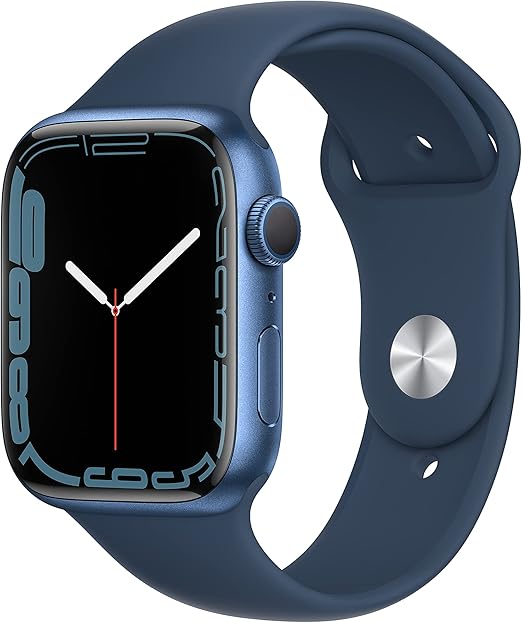
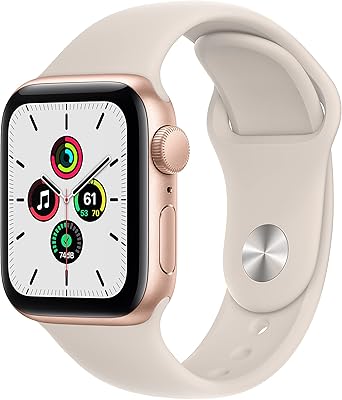
When examining battery endurance, Apple and Skagen represent radically different engineering philosophies. Apple prioritizes continuous high-level computing power, continuous biosensing, and vibrant Retina displays, which inherently draws significant energy. Standard Apple Watch models typically yield roughly 18 hours of typical daily use, necessitating a daily charging routine, though the high-end Apple Watch Ultra extends this boundary to 36 to 72 hours via aggressive software power optimizations and a larger physical cell. Fast-charging capabilities mitigate this limitation somewhat, replenishing the cell to 80% in approximately 45 minutes, yet battery anxiety remains an acknowledged operational trade-off for users heavily reliant on GPS and cellular connectivity.
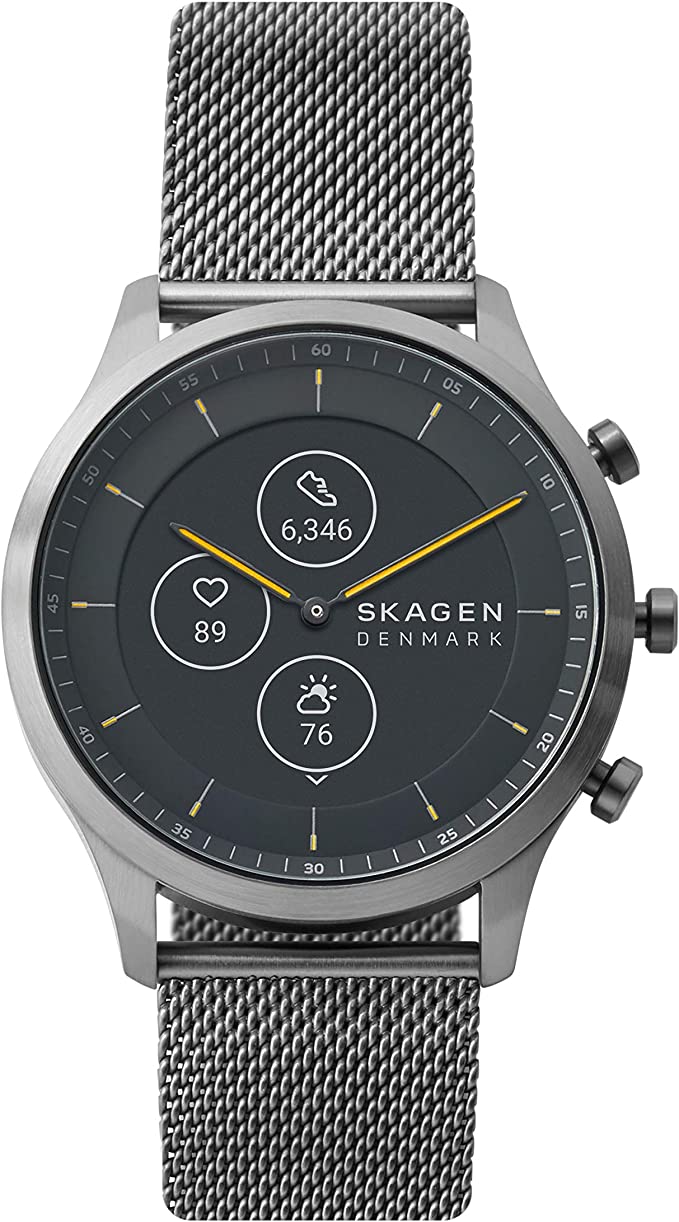
Conversely, Skagen approaches battery management through distinct hardware categories, primarily via Wear OS devices (like the Falster series) and hybrid smartwatches. While the Wear OS models mirror Apple's constraints by requiring a daily recharge due to resource-heavy platforms, Skagen's hybrid timepieces dominate the longevity metric by utilizing energy-efficient E-Ink displays or mechanical hands paired with coin-cell or low-draw rechargeable batteries. These hybrid variants deliver anywhere from one to two weeks—and sometimes months on replaceable cells—without ever seeing a charging dock. For consumers prioritizing multi-day excursions or passive continuous wear over rich app environments, Skagen offers far superior endurance, whereas Apple demands an established daily power workflow.
Build Quality & Durability
Apple sets an exceptionally high standard for smartwatch manufacturing, deploying materials typically reserved for luxury chronometers and aerospace engineering. The Apple Watch portfolio spans aerospace-grade aluminum, high-polish stainless steel, and rugged grade 5 titanium enclosures, protected by either Ion-X strengthened glass or scratch-resistant sapphire crystal. Mechanical tolerance is virtually flawless, boasting 50-meter water resistance on standard units and up to 100 meters alongside MIL-STD 810H environmental testing on the Ultra series. This structural integrity guarantees resilience against high-velocity water sports, extreme temperature fluctuations, and direct impacts, establishing Apple as a leader in wearable industrial design.
Skagen, carrying its Danish design heritage now under the Fossil Group umbrella, leans heavily into minimalist, Scandinavian-inspired aesthetics characterized by ultra-slim profiles, lightweight chassis, and refined mesh straps. Built primarily from marine-grade stainless steel with standard mineral glass crystals, Skagen watches look elegant in professional and casual settings. However, in terms of sheer ruggedness, Skagen sits at a noticeable deficit compared to Apple. With typical water resistance rated around 3 ATM (splash-proof or light surface swimming) and higher susceptibility to scratch damage on its mineral lenses, Skagen's build focuses on lightweight, understated everyday fashion rather than the extreme environmental resilience engineered into Apple’s premium hardware.
Health & Fitness Tracking
Apple operates at the pinnacle of consumer health technology, boasting an ecosystem supported by rigorous clinical validation and regulatory clearances such as FDA approval for select features. Its sensor suite delivers continuous photoplethysmography (PPG) heart rate tracking, optical blood oxygen saturation, single-lead electrocardiograms (ECG), body temperature sensing for fertility and sleep tracking, and advanced safety algorithms like fall and severe car crash detection. The native fitness architecture accurately measures power output, running dynamics, and customized training zones, backed by deep data integration in the Apple Health app, making it an indispensable medical and athletic utility for casual runners and endurance athletes alike.
Skagen provides competent, fundamental health tracking tailored more toward everyday lifestyle wellness than granular athletic or clinical analytics. Equipped with standard optical heart rate sensors, basic SpO2 readouts, and step counters, Skagen’s Wear OS and hybrid watches reliably monitor baseline vitals, sleep cycles, and daily calorie expenditure. However, Skagen lacks advanced diagnostic capabilities like certified ECG generation, temperature-based cycle tracking, or predictive safety sensors. Its companion app interfaces present clean, digestible snapshots of general wellness, but individuals requiring high-precision metric logging, medical-grade diagnostic warnings, or comprehensive athletic training loads will find Skagen’s feature set substantially less capable than Apple's holistic health engine.
Smart Features & Connectivity
The smart experience of the Apple Watch is unmatched in the wearable tech landscape, courtesy of the mature, feature-dense watchOS platform. Seamlessly integrated into the broader iOS ecosystem, it offers standalone cellular (LTE/UMTS) support, advanced offline mapping, rich actionable notifications, voice control via Siri, contactless payments through Apple Pay, and the expansive watchOS App Store. The watch acts as an authentic wrist computer capable of handling audio streaming, home automation control, and voice calls with crystalline clarity, providing an autonomous digital experience that allows users to leave their primary mobile device behind entirely without missing critical communications.
Skagen’s smart capabilities are largely dictated by its underlying platform—typically Google’s Wear OS or a lightweight proprietary hybrid operating system. While Wear OS units feature Google Assistant, Google Wallet, and third-party app access via Google Play, performance can occasionally suffer from minor software latency and depends heavily on Android pairing for optimal functionality. On hybrid models, connectivity is deliberately stripped down to physical hand movements and subtle vibration prompts for incoming alerts. Skagen succeeds in delivering an unobtrusive, distraction-free notification system, but it cannot rival Apple’s fluid computing prowess, app ecosystem depth, or flawless cross-device continuity.