Samsung vs BenQ: Overview & Brand Philosophy
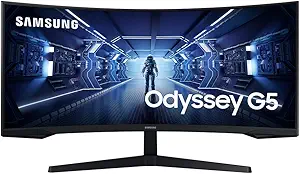
In the expansive landscape of modern display technology, Samsung and BenQ represent two distinct design and engineering philosophies. Samsung, a South Korean multinational titan, approaches the monitor market with an aggressive, consumer-first ethos that prioritizes technological boundary-pushing, cutting-edge panel manufacturing, and sleek industrial design. Known primarily for pioneering ultra-wide form factors, Quantum Dot technology, and industry-leading OLED displays, Samsung designs monitors that aim to be visual centerpieces. Their catalog, heavily anchored by the flagship Odyssey gaming and ViewFinity professional series, focuses on immersion, blistering refresh rates, and multi-functional capabilities, frequently integrating smart TV software into standard desktop displays.
Conversely, Taiwanese manufacturer BenQ (standing for "Bringing Enjoyment 'N' Quality to Life") operates with a more pragmatic, precision-focused approach tailored to dedicated enthusiast niches. While BenQ maintains a robust presence in mainstream consumer monitors, its brand identity is cemented in specialized domains: competitive esports and color-critical creative production. Through its ZOWIE sub-brand, BenQ has achieved near-ubiquity on the professional esports circuit, prioritizing frame clarity, motion blur reduction, and tactile ergonomics over flashy aesthetic elements. Simultaneously, its DesignVue and PhotoVue series cater specifically to graphic designers, photographers, and video editors who demand uncompromising out-of-the-box color accuracy, hardware calibration, and proprietary eye-care technologies.
Ultimately, the foundational divergence between the two brands lies in their target end-user experience. Samsung targets the user seeking peak visual fidelity, deep contrast, futuristic aesthetics, and versatile multimedia integration. BenQ, on the other hand, directs its engineering prowess toward operational utility, visual ergonomics, and specialized task execution, appealing to professionals whose livelihood depends on color consistency or competitive gamers whose success hinges on millisecond reaction times.
Key Differences & Technological Comparison
The technological contrast between Samsung and BenQ is most pronounced in their respective panel selections, internal processing, and feature sets. Samsung is vertically integrated; as a premier panel manufacturer, it possesses early access to proprietary panel advancements such as QD-OLED (Quantum Dot OLED) and advanced Mini-LED backlighting arrays. This enables Samsung's premium gaming and multimedia displays to deliver peerless black levels, exceptional peak HDR brightness, and extraordinarily deep color volumes. Furthermore, Samsung is a major proponent of aggressive screen curvature (typically ranging from 1000R to 1800R), designed to match the human field of view for high-tier gaming immersion.
BenQ, while utilizing panels sourced from specialized fabricators like AU Optronics (a former BenQ subsidiary), sets itself apart through proprietary post-processing, firmware optimization, and dedicated feature integration. In the competitive gaming sphere, BenQ's proprietary Dynamic Accuracy (DyAc/DyAc+) technology is widely regarded as the gold standard for backlight strobing, virtually eliminating motion blur without introducing the severe input latency or artifacting common in lesser implementations. For creative professionals, BenQ prioritizes features like Uniformity Compensation, integrated shading hoods, hotkey puck controllers, and extensive hardware calibration support via dedicated software, ensuring uniform luminance and strict Delta E < 2 color tolerances.
Another fundamental distinction appears in software and user experience. Samsung frequently bundles its Tizen OS into modern monitors, effectively turning productivity and gaming displays into hybrid smart TVs equipped with streaming apps, remote controls, and voice assistants. While convenient for casual media consumers, this can introduce complex menu navigation and occasional software bloat. BenQ favors clean, responsive, dedicated on-screen displays (OSDs) with physical navigation switches. Furthermore, BenQ emphasizes holistic workplace wellness through its suite of Eye-Care technologies, including TUV Rheinland-certified Low Blue Light, zero-flicker panels, and Brightness Intelligence (B.I. Tech), which uses ambient light sensors to actively alter screen brightness and color temperature throughout the day.
Pros & Cons Comparison
Samsung: Pros
- Display Innovation: Industry-leading QD-OLED and Mini-LED panels offering elite contrast, wide color gamuts, and true black levels.
- Immersive Form Factors: Market leader in aggressive 1000R ultrawide and super-ultrawide (32:9) gaming monitors.
- Smart Ecosystem Integration: Many models include Tizen OS, allowing for standalone video streaming, cloud gaming, and IoT management without a PC.
- High Dynamic Range (HDR): Outstanding HDR performance with high peak nits and fine-grained local dimming zones.
Samsung: Cons
- Quality Control Variance: Frequent user reports of panel uniformity issues, scanline artifacts, and firmware glitches on launch-window products.
- Complex OSD Interfaces: Smart TV menus can make basic PC adjustments (like switching inputs) slower and less intuitive than traditional monitors.
- Ergonomics on Ultra-Wides: Massive footprints and heavy panel weights often demand heavy-duty monitor arms or substantial desk depth.
BenQ: Pros
- Motion Clarity Supremacy: Proprietary DyAc/DyAc+ technology sets the industry benchmark for competitive motion tracking and clarity.
- Factory Color Precision: Professional models (AQCOLOR line) arrive pre-calibrated with verifiable calibration reports and hardware calibration support.
- Advanced Eye Care: Industry-leading flicker-free systems, low blue light profiles, and active ambient light sensing reduce long-term eye fatigue.
- Workflow-Centric Accessories: Inclusion of ergonomic accessories like the Hotkey Puck, anti-glare hoods, and height-adjustable stands.
BenQ: Cons
- Conservative Aesthetics & Features: Designs often lean industrial or dated, with thick bezels and a lack of aggressive RGB lighting accents.
- Subdued HDR Performance: Most non-specialized BenQ panels lack Mini-LED or OLED backlights, leading to mediocre peak brightness and HDR impact.
- Premium Price-to-Spec Ratio: On paper, BenQ displays often feature lower resolution or refresh rates compared to similarly priced competitors, relying instead on niche refinement.
Performance, Durability & Value Analysis
When assessing long-term performance and build reliability, the two brands diverge significantly based on use-case velocity. Samsung monitors frequently prioritize high-strung, envelope-pushing performance metrics—such as 240Hz OLEDs or 1000-nit Mini-LED arrays—which inherently introduce higher heat profiles and operational stress. While Samsung products generally perform brilliantly within their warranty windows, the brand has faced persistent criticism within enthusiast forums regarding quality assurance tolerances. Common complaints include early-stage firmware stability issues, edge-lit backlight bleed, and micro-creaks in high-plastic chassis assemblies under thermal expansion. However, from a raw spec-per-dollar standpoint, Samsung often provides superior baseline value, packing massive screen real estate, cutting-edge panel tech, and multi-functional capability into highly competitive price brackets.
BenQ positions its durability strategy around rigorous manufacturing standards, particularly in the structural resilience of its chassis and the long-term stability of its components. Professional esports venues around the world routinely deploy BenQ ZOWIE monitors due to their near-indestructible build quality, robust thermal management, and reliable electronic performance under continuous strain. Similarly, BenQ’s color-accurate creative monitors display remarkable panel longevity, maintaining Delta E thresholds and backlighting consistency over thousands of hours of operation. While BenQ generally commands a higher price tag relative to raw hardware metrics (such as refresh rate or pixel count), the long-term value manifests through minimal operational downtime, zero required post-purchase calibration, and substantial ergonomic longevity.
Final Verdict: Which Brand Should You Choose?
The choice between Samsung and BenQ ultimately hinges on whether your daily computing life is driven by immersive sensory entertainment or specialized, task-critical execution. Neither brand is universally superior, but each holds clear dominion over specific operational categories.
Choose Samsung if:
- You want the absolute pinnacle of visual immersion for AAA gaming, cinematic media consumption, and high-tier HDR content.
- You have the desk space to accommodate expansive, curved ultrawide displays (such as the Odyssey G9 series) that replace multi-monitor setups.
- You value an all-in-one media solution and appreciate having built-in streaming apps and smart TV operating systems integrated directly into your monitor.
Choose BenQ if:
- You are a serious or professional esports competitor playing fast-paced tactical shooters (CS2, Valorant, Apex Legends) where frame clarity and zero-blur target tracking (DyAc) are paramount.
- You are a creative professional—such as a colorist, photographer, or graphic designer—requiring certified, hardware-calibrated color spaces (sRGB, Adobe RGB, DCI-P3) straight out of the box.
- You work long, intensive office hours and require top-tier ergonomics alongside market-leading eye-care technology to minimize strain and fatigue.
Affordability
When evaluating affordability, Samsung leverages its massive vertical integration and global manufacturing scale to deliver exceptionally aggressive pricing, particularly in the mass-market consumer and gaming segments. Because Samsung manufactures its own display panels, it can introduce high-end specifications—such as aggressive 1000R curves, ultra-wide aspect ratios, high refresh rates, and quantum-dot enhancements—at price points that traditional third-party integrators struggle to match. Its budget-to-midrange lines, including the standard Essential series and entry-level Odyssey gaming monitors, offer high technical specifications per dollar on paper. However, this aggressive cost-engineering often necessitates practical trade-offs in structural build quality, utilizing lighter plastics, basic tilt-only stands, and occasional quality-control variances in panel uniformity or edge-lit backlighting to keep upfront retail prices low.
Conversely, BenQ approaches affordability through targeted engineering, functional durability, and application-specific value, often appealing more to office professionals, competitive esports enthusiasts, and cost-conscious creative professionals. While BenQ’s entry-level monitors might feature slightly higher baseline price tags or more conservative aesthetic designs compared to equivalent Samsung models, they frequently offset this difference by bundling value-add hardware. Budget and mid-tier BenQ monitors, such as the GW and modern Mobiuz series, routinely incorporate fully ergonomic stands (height, swivel, and pivot adjustment), proprietary eye-care technologies like Brightness Intelligence (B.I. Tech), and superior integrated audio solutions, eliminating the immediate need for aftermarket monitor arms or dedicated desktop speakers. Furthermore, BenQ's budget color-accurate lines (such as the DesignVue series) undercut tier-one professional competitors significantly, offering factory-calibrated panels with uniform color delivery that cost far less than professional equivalents from other display giants.
Ultimately, the affordability dynamic between the two brands hinges on whether a buyer prioritizes sheer panel performance metrics or long-term functional utility. Samsung wins on raw specification value, making it the superior low-cost choice for general consumers and gamers who demand the largest screen real estate, highest refresh rates, and deepest contrast ratios for the absolute lowest investment. BenQ wins on holistic out-of-the-box value and total cost of ownership, as its products minimize the hidden costs of auxiliary accessories while delivering better structural reliability and specialized ergonomics tailored for sustained productivity or competitive gaming environments.
Customer Support & Warranty
When evaluating warranty coverage and post-purchase infrastructure in the monitor market, Samsung and BenQ present divergent approaches tailored to their respective product philosophies. Samsung, operating as a consumer tech titan with massive manufacturing scale, generally provides a standard one-year to three-year limited warranty depending on the product tier, with premium Odyssey gaming panels and high-end Smart Monitors often receiving the longer duration. While Samsung’s engineering excels in panel innovation—such as Quantum Dot OLED and ultra-wide Mini-LED backlighting—its RMA (Return Merchandise Authorization) process is frequently encumbered by bureaucratic support tiers. Customers often navigate through consolidated third-party service centers, automated chat bots, and multi-step diagnostic protocols before securing an RMA. Furthermore, Samsung's dead-pixel policies are comparatively conservative; their guidelines typically permit a threshold of dark or sub-pixel defects before authorizing a panel swap, presenting a tangible risk for buyers purchasing expensive, flagship curved displays where panel uniformity is critical.
Conversely, BenQ leverages an engineering and support infrastructure explicitly tailored to professional visual artists, esports competitors (via its ZOWIE division), and enterprise users. BenQ backs the vast majority of its standalone monitors with a robust three-year limited warranty, encompassing parts, labor, and the LCD panel itself. In contrast to Samsung’s decentralized support apparatus, BenQ’s customer service is frequently praised for regional responsiveness and direct access to knowledgeable technical representatives who understand panel calibration, color accuracy pipelines, and refresh rate synchronization issues. BenQ’s technical advantage is particularly evident in its color-critical SW PhotoVue and PD DesignVue series, which include zero-bright-dot (ZBD) guarantees for select periods alongside hot-swap advanced replacement programs for enterprise and professional users, minimizing billable downtime.
The practical trade-offs between the two brands hinge on panel complexity versus reliability assurance. Samsung’s support network is ubiquitous, meaning physical drop-off points and regional authorized repair shops are widely distributed, yet the customer journey can be inconsistent, marked by long turnaround times for cutting-edge panel replacements. BenQ may lack Samsung's brick-and-mortar repair footprint, but its streamlined online RMA pipeline, specialized direct-contact support channels, and generous standard warranty terms provide greater peace of mind. For consumers prioritizing cutting-edge display technology who are willing to navigate a corporate support labyrinth, Samsung remains viable; however, professionals, esports purists, and longevity-focused buyers will find BenQ’s transparent pixel policies and reliable warranty fulfillment to be significantly superior.
Picture Quality
When evaluating picture quality between Samsung and BenQ, the fundamental distinction lies in their optical engineering priorities and target audiences. Samsung is a powerhouse in mass-market visual impact, leveraging proprietary Quantum Dot (QLED) and cutting-edge QD-OLED display technologies across its Odyssey gaming and Smart Monitor lineups. Samsung monitors excel in delivering hyper-vibrant color saturation, class-leading contrast ratios, and extreme peak brightness that makes HDR10+ content visually arresting. Their QD-OLED panels, in particular, produce ink-like, true blacks and virtually infinite contrast without blooming, coupled with aggressive panel curvatures (ranging from 1000R to 1800R) that maximize immersion. However, this engineering focus often prioritizes sensory punch over technical restraint; out-of-the-box color profiles can skew oversaturated or overly cool, and subpixel layouts on certain OLED models can occasionally compromise fine-text clarity in productivity environments.
Conversely, BenQ designs its display pipeline with an emphasis on clinical color fidelity, chromatic stability, and luminance uniformity, particularly through its professional DesignVue (PD) and PhotoVue (SW) series. BenQ utilizes top-tier IPS panels integrated with robust internal look-up tables (up to 16-bit 3D LUTs) and dedicated hardware calibration software (Palette Master Element), achieving near-perfect coverage of the Adobe RGB, DCI-P3, and sRGB color spaces with verified Delta E values often below 1.5. Their proprietary Uniformity Technology counteracts the edge-to-edge luminescence and color shifts endemic to consumer IPS displays. While BenQ's Mobiuz gaming monitors feature proprietary HDRi technology to intelligently adjust tonal curves, they fundamentally lack the extreme peak nits and inky contrast offered by Samsung's mini-LED and OLED arrays, meaning native HDR impact is noticeably more constrained.
Ultimately, the trade-off in picture quality centers on experiential dynamism versus chromatic precision. A consumer prioritizing cinematic gaming, jaw-dropping high-dynamic-range performance, and deep, halo-free black levels will find Samsung’s panel architecture clearly superior. On the other hand, creative professionals, graphic designers, and photographers who demand pixel-accurate color spaces, factory-certified calibration reports, and consistent, non-fatiguing visual output will recognize BenQ as the more dependable, technically rigorous display option.
Build Quality & Durability
When evaluating the structural engineering and manufacturing integrity of monitors, BenQ and Samsung adopt distinct philosophical approaches tailored to their primary demographics. BenQ focuses heavily on robust, industrial-grade construction designed to endure the demanding environments of professional color grading, esports, and corporate spaces. Utilizing high-density matte plastics, reinforced internal steel skeletons, and exceptionally weighted metal bases, BenQ displays—especially within their SW photo-editing, PD designer, and ZOWIE gaming lines—exude a utilitarian resilience. Their mechanical height-adjustable stands feature remarkably tight tolerances, minimizing screen wobble even on less stable desk surfaces. In contrast, Samsung leans toward high-concept, modern industrial design, prioritizing razor-thin profiles, dramatic display curvatures (up to 1000R), and futuristic chassis aesthetics often finished in sleek white or glossy black polymer. While visually arresting, Samsung’s reliance on more flexible exterior plastics and expansive, spring-loaded hinge assemblies—necessary to support ultra-wide Odyssey monitors—can lead to chassis creaking during thermal expansion and noticeable oscillation when subjected to vibrations.
In terms of component durability and long-term technical reliability, the two brands exhibit clear trade-offs across panel longevity and internal electronics. BenQ prioritizes operational stability, opting for over-engineered passive cooling, robust internal power supplies, and specialized panel-coating processes that resist degradation over hundreds of work hours. Their displays rarely succumb to common quality-control anomalies like high-rate dead pixels or edge delamination. Conversely, Samsung pushes the technological envelope as a premier panel innovator, integrating advanced Mini-LED backlights and cutting-edge QD-OLED layers into the consumer market. However, this bleeding-edge engineering introduces durability risks; Samsung's hyper-curved panels face higher susceptibility to mechanical stress fractures, edge separation, and thermal hot-spotting over extended operational lifespans compared to flat screens. Additionally, reports of inconsistent initial quality control, such as coil whine and firmware-level wake-from-sleep quirks, have historically affected a higher percentage of Samsung's vanguard gaming monitors.
Ultimately, the practical choice between Samsung and BenQ hinges on the consumer's tolerance for mechanical risk versus aesthetic ambition. BenQ's monitors represent an investment in tangible, long-term longevity; they are tools built like appliances, prioritizing scratch-resistant surfaces, durable micro-switches, and zero-compromise physical stabilization over sheer visual glamour. Samsung, while delivering unmatched visual immersion and unmatched engineering bravery in the form of ultra-thin, deeply curved panoramic canvases, inevitably sacrifices some structural rigidity and long-term mechanical dependability to achieve its sleek, lifestyle-oriented form factors. For critical workstations requiring unwavering, years-long operational dependability, BenQ holds a definitive edge in build quality, while Samsung remains the brand for those willing to trade absolute structural stoicism for peak visual innovation.