




MSI vs GigaByte: Overview & Brand Philosophy
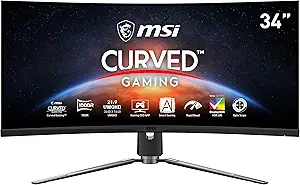
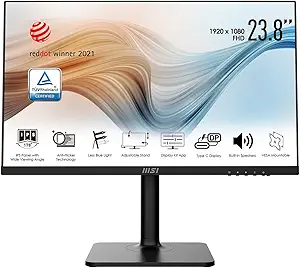
In the fiercely contested display market, both MSI (Micro-Star International) and GigaByte have transitioned from traditional PC component manufacturers into dominant forces in consumer monitors. MSI has steadily built its reputation by prioritizing the dedicated gamer and esports enthusiast. Its monitor philosophy revolves around aesthetic immersion, aggressive styling, and high-performance panels spanning its MAG, MPG, and premium MEG series. More recently, MSI has expanded aggressively into creator displays (Prestige and Modern series) and next-generation QD-OLED technology, positioning itself as an innovator willing to push hardware boundaries with bespoke thermal solutions and rich, gaming-centric OSD software suites.
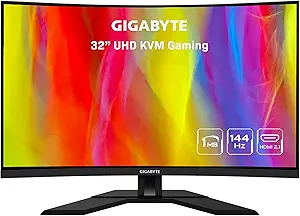
GigaByte, by contrast, entered the monitor space with a laser-focused philosophy centered on pragmatic value and user utility. Rather than leaning purely into hyper-gamified designs, GigaByte splits its portfolio strategically between its budget-to-midrange G-Series and its enthusiast gaming brand, AORUS. GigaByte made waves across the industry by democratizing features that were once considered luxury upgrades, famously integrating hardware-level KVM switches and tactical gaming software across accessible price tiers. While AORUS showcases cutting-edge industrial designs and audiophile-grade DACs, GigaByte's core ethos remains centered on offering class-leading specifications per dollar, eliminating superfluous gimmicks in favor of everyday workstation and gaming functionality.
Key Differences & Technological Comparison
When analyzing display panels and color performance, both manufacturers source extensively from top-tier panel makers like AU Optronics, LG Display, and Samsung Display, but their calibration and tuning diverge significantly. MSI leans heavily into wide color gamuts using Quantum Dot (QD) film technology. Monitors in MSI’s QD lineup typically deliver extraordinary DCI-P3 and Adobe RGB coverage, making them attractive for dual-purpose setups involving color-critical creative work and HDR gaming. GigaByte counters this with exceptionally balanced out-of-the-box sRGB clamp modes, particularly on its G27 and M27 families, preventing the oversaturation that sometimes plagues aggressive gaming displays. In high-end OLED segments, both brands leverage third-generation QD-OLED panels, though MSI utilizes custom graphene heat films and passive heatsinks coupled with robust OLED Care 2.0 firmware to actively mitigate burn-in risks.
Feature integration highlights a stark philosophical contrast. GigaByte’s signature advantage is the built-in KVM switch, enabled through dedicated upstream USB-C and USB-B ports. This allows users to seamlessly switch a single mouse, keyboard, and display signal between a desktop gaming rig and a work laptop with the click of a physical button. While MSI offers KVM features on select MEG and MPG models, it is not as universally standard across their entry and midrange tiers. Conversely, MSI commands the software experience through its Gaming Intelligence and Mystic Light ecosystems. MSI’s on-screen displays (OSD) provide deeper granular control over frame rates, black level stabilization (Night Vision), and crosshair calibration, accompanied by arguably the most intuitive five-way physical joystick controls on the market.
Build quality and industrial design also show marked differentiation. GigaByte favors stealthy, utilitarian matte plastics with clean lines that blend seamlessly into an office environment, reserving bold RGB accents and aggressive angular metal stands for its premium AORUS line. MSI tends to maintain a sharper, gamer-forward aesthetic across its entire catalog, featuring angular rear chassis designs, brushed faux-metal finishes, and integrated ambient lighting. In terms of ergonomics, both brands provide height, tilt, and swivel adjustments on their mid-tier-and-above stands, but MSI often features slightly more robust metal hinge mechanisms at lower price points.
Pros & Cons Comparison
MSI Monitors
- Pros:
- Industry-leading implementation of Quantum Dot (QD) technology for exceptional color saturation.
- Advanced OLED Care suites with aggressive passive cooling mechanisms (graphene film).
- Intuitive OSD software (Gaming Intelligence) with deep calibration profiles.
- Broader portfolio diversity, spanning ultra-fast esports panels to dedicated creator monitors.
- Cons:
- Factory color settings often lean heavily oversaturated without manual calibration.
- KVM switch functionality is largely restricted to higher-tier product series.
- Aggressive, gamified styling on some models may not suit professional workspace aesthetics.
GigaByte Monitors
- Pros:
- Exceptional price-to-performance ratio; routinely undercuts competitors on raw specs.
- Widespread integration of built-in hardware KVM switches for multi-device workflows.
- Sober, professional chassis designs on mainstream G- and M-Series displays.
- Accurate factory sRGB clamping modes that limit oversaturation out of the box.
- Cons:
- Quality control on backlight bleed and IPS glow can be inconsistent on budget models.
- AORUS companion desktop software can occasionally be clunky and resource-heavy.
- HDR implementation on entry-to-midrange displays is often strictly nominal (HDR400 edge-lit).
Performance, Durability & Value Analysis
From a performance and reliability standpoint, both brands exhibit solid long-term engineering, but specific failure rates track with panel sourcing. In the high-refresh IPS domain (144Hz to 240Hz), both brands demonstrate minimal pixel degradation over multi-year cycles. However, consumer return data and community sentiment point to minor quality control variances in GigaByte's entry-tier panels, where IPS glow, backlight uniformity issues, and dead pixels appear marginally more often than on equivalent MSI displays. On the other hand, GigaByte's power deliveries and internal logic boards are exceptionally resilient, frequently surviving prolonged heat cycles without component degradation. MSI's durability stands out in thermal management, particularly on high-refresh curved panels and modern OLEDs, where proprietary heatsinks prevent logic throttling and thermal image retention.
When assessing pricing and value retention, GigaByte is frequently the undisputed value champion. Models like the GigaByte M27Q have set the gold standard for budget-to-midrange utility, offering 1440p resolution, high refresh rates, and a full KVM switch at a price point where competitors often omit adjustable stands or wide-gamut panels entirely. MSI occupies a slightly higher pricing bracket across equivalent tiers, but justifies the delta through higher peak nit brightness, wider color gamut coverage via Quantum Dot coatings, and superior chassis materials. For the pure budget-conscious shopper, GigaByte routinely delivers 90% of the visual performance for 75-80% of the price; for the visual purist, MSI's slight premium reflects tangible gains in color fidelity and panel refinement.
Final Verdict: Which Brand Should You Choose?
Select an MSI monitor if your priority is visual fidelity, media production, and an ultra-responsive gaming experience. MSI is the optimal choice for users who want vibrant, high-impact colors driven by Quantum Dot panels, those hunting for best-in-class QD-OLED gaming displays with meticulous burn-in safeguards, or esports enthusiasts demanding hyper-fast response times and deeply customizable OSD gaming tools. If you are a content creator who games by night or an enthusiast seeking high-end panel immersion, MSI’s superior color volume and thermal engineering justify the minor price premium.
Choose a GigaByte monitor if you are searching for maximum functionality, productivity integration, and unbeatable price-to-performance value. GigaByte is the definitive choice for hybrid workers, students, and pragmatic gamers who juggle a corporate laptop alongside a dedicated gaming tower, making the integrated KVM switch an indispensable, daily quality-of-life feature. If you want a dependable, high-refresh display that avoids aggressive gamer styling, delivers accurate out-of-the-box color modes, and stretches your hardware budget as far as possible, GigaByte remains the smartest purchase on the market.
Affordability
When evaluating affordability in the monitor space, Gigabyte has established itself as an aggressive value-disruptor, largely by prioritizing high-tier panel performance over superfluous physical ornamentation. Rather than inflating price points with RGB lighting, ornate chassis designs, or heavy metal stands, Gigabyte allocates manufacturing budgets directly to panel engineering and high-bandwidth interfaces. This is evident in benchmarks like the G27Q and M27Q series, where the brand brought 1440p resolution, high refresh rates (165Hz to 170Hz), and exceptional DCI-P3 color gamuts into the budget-friendly domain. Crucially, Gigabyte redefines low-cost utility by integrating physical hardware features usually reserved for luxury workstation displays, most notably built-in KVM switches. The trade-off for this price-to-performance ratio generally manifests in ergonomic engineering and unit consistency; Gigabyte’s budget stands often feature limited swivel and pivot ranges, while aggressive panel sourcing has historically led to minor compromises, such as utilizing BGR subpixel layouts that slightly hinder desktop text clarity to keep production costs down.
MSI approaches affordability with a diversified portfolio strategy, splitting its cost-conscious offerings between the budget-tier G-Series (formerly Optix) and the mid-tier MAG line. While MSI occasionally commands a slight $10 to $30 premium over equivalent Gigabyte models, this delta is justified through superior industrial design and build ergonomics. MSI’s affordable displays routinely feature fully articulate stands (height, tilt, swivel, pivot) and heavy reliance on aggressive 1000R or 1500R curved VA panels, which appeal heavily to budget gamers seeking immersion and deep static contrast ratios without paying for OLED technology. Furthermore, MSI exhibits higher technical refinement in budget software integration; their Gaming Intelligence On-Screen Display (OSD) is often more reliable than Gigabyte's companion software, which frequently suffers from firmware update bugs. However, MSI’s entry-level IPS models often trail Gigabyte in color volume and total bandwidth provisions, frequently omitting Type-C connectivity with Power Delivery at the sub-$300 threshold to keep baseline prices low.
Ultimately, the practical choice between the two brands rests on how a consumer measures value against their specific workflow. Gigabyte represents the pinnacle of pure technical affordability, packing bleeding-edge throughput, USB hubs, high-grade IPS color reproduction, and productivity tools into minimalist shells that deliver the absolute highest frame-rates and pixel densities per dollar spent. Conversely, MSI provides a more holistically refined ownership experience for the budget-conscious consumer. Buyers willing to sacrifice integrated KVM features and a sliver of refresh rate headroom will find MSI's structural reliability, robust stand engineering, intuitive control interfaces, and expansive curved options to be a safer long-term investment against hardware fatigue.
Customer Support & Warranty
When evaluating the warranty frameworks and customer service ecosystems of MSI and Gigabyte in the monitor category, both brands exhibit distinct engineering priorities translated into consumer policies, particularly regarding dead pixel allowances and panel longevity. MSI generally offers a 3-year limited warranty across the majority of its gaming display lineups, distinguishing itself with robust, consumer-forward coverage on its QD-OLED and high-end IPS panels. A standout technical policy is MSI’s explicit 3-year burn-in warranty for its OLED lineup, backed by hardware-level OLED Care monitoring features integrated directly into their scalar chips. In contrast, Gigabyte typically provides a standard 3-year warranty for its mainstream and AORUS premium displays, but historically features more fragmented policies regarding burn-in and pixel defects. Gigabyte's Bright Dot Policy often requires a specific threshold of zero bright dots within the first few months or localized clusters, whereas MSI provides clearer tier-based guidance, resulting in less ambiguity when end-users file an RMA for microscopic sub-pixel failures.
From an operational standpoint, the practical execution of warranty claims reveals critical trade-offs between both manufacturers. Gigabyte operates primarily through its centralized eSupport portal, which allows for detailed tracking but has garnered criticism within enthusiast communities for prolonged turnaround times, bureaucratic validation steps, and instances of shipping charges falling on the customer for initial RMA evaluations. Conversely, MSI benefits from a broader global footprint with localized service centers that tend to expedite diagnostics and physical repairs, though their phone support can vary significantly depending on region. MSI often streamlines the software update process through user-friendly onboard flash tools or USB-B uplink firmware upgrades, mitigating the need to ship monitors back for technical bug fixes. Gigabyte’s OSD Sidekick provides comparable firmware flexibility, yet historical driver and scalar communication bugs have occasionally complicated remote troubleshooting, sometimes necessitating physical returns for issues that should have been addressable via software.
Ultimately, both brands present comprehensive baseline warranties on paper, but MSI demonstrates a slight technical and practical edge in post-purchase security. MSI’s decisive approach to panel protection—evident in their upfront burn-in guarantees and relatively transparent pixel defect classifications—aligns better with the risks associated with high-refresh rate, cutting-edge panel technologies. Gigabyte remains a formidable contender that offers dependable component quality and competitive feature sets, but users investing in their top-tier AORUS displays must navigate a slightly more rigid customer service pipeline. For consumers prioritizing friction-free warranty resolution and clearly documented protection against modern panel degradation, MSI holds the advantage in engineering transparency and support infrastructure.
Picture Quality
When evaluating picture quality, MSI and GigaByte approach display engineering with slightly different technical priorities, resulting in noticeable distinctions across color performance and panel implementation. MSI has aggressively carved out an advantage in the enthusiast and creator spaces by pioneering Quantum Dot (QD) film integrations across their mid-range to high-end Rapid IPS and QD-OLED panels. This engineering choice grants MSI monitors exceptionally wide color gamuts, often exceeding 98% DCI-P3 and delivering superior color volume and vibrance. MSI also demonstrates tighter factory calibration protocols—especially within their MAG and MEG lineups—minimizing delta-E deviations out of the box. GigaByte, conversely, focuses on high-efficiency, cost-effective panel engineering primarily targeted at mainstream competitive gamers. While GigaByte's Super Speed (SS) IPS and fast-VA panels offer impressive uniformity and competent sRGB coverage, they generally exhibit narrower AdobeRGB and DCI-P3 color gamuts compared to MSI's Quantum Dot-enhanced competitors, resulting in slightly less saturated and punchy imagery.
In high dynamic range (HDR) reproduction, contrast management, and panel behavior, both brands reveal critical practical trade-offs. MSI's modern portfolio shines brightest in its QD-OLED offerings, where per-pixel dimming achieves absolute black levels, infinite contrast, and class-leading specular highlight rendition, sidestepping the mediocre edge-lit HDR implementations common to budget monitors. Furthermore, MSI’s proprietary "OLED Care" firmware mitigates image degradation and burns-in risks without introducing aggressive, distracting auto-dimming (ABL) shifts. GigaByte counters this with exceptionally balanced back-end image processing, leveraging refined sub-pixel rendering that often yields cleaner text clarity than early-generation MSI QD-OLED counterparts. Additionally, GigaByte excels in shadow dynamics within its AORUS lineup; proprietary algorithms like "Black Equalizer" and "Aim Stabilizer" resolve shadow detail and minimize motion blur without excessively washing out deeper gray tones, making their contrast curves preferable for competitive eSports visibility over strict cinematic accuracy.
Ultimately, the choice between MSI and GigaByte regarding picture quality comes down to a preference for sheer color fidelity versus cost-optimized clarity. MSI takes the lead for media consumers, cinematic gamers, and content creators who demand pristine color gamut coverage, superior factory color tuning, and cutting-edge QD-OLED contrast performance. GigaByte remains the pragmatist’s choice, engineering reliable, high-clarity IPS and VA displays that prioritize motion stability, clean text reproduction, and competitively balanced contrast over the hyper-vivid, color-rich experience MSI consistently delivers.
Build Quality & Durability
When assessing engineering quality and physical longevity, MSI and Gigabyte approach monitor construction with slightly different design philosophies, though both primarily compete within the performance-to-value segment. MSI generally earns higher marks for structural cohesion and premium materials, particularly across its mid-to-high-tier Optix and MPG series. MSI chassis designs frequently incorporate a blend of reinforced, matte-finished plastics and brushed aluminum accents that resist micro-abrasions and fingerprint oils. Crucially, MSI invests significantly in robust stand mechanics; their bases are typically weighted metal with exceptionally smooth, durable internal friction hinges that retain their tension over years of height, tilt, and swivel adjustments. Thermal dissipation is another structural advantage for MSI, as their engineering incorporates deliberate top and rear ventilation patterns that mitigate internal heat accumulation, thereby prolonging the functional lifespan of the internal power circuitry and display panel bonding.
Gigabyte, on the other hand, prioritizes technical feature density per dollar, which occasionally forces practical trade-offs in external chassis solidity. The casing on entry-to-mid-range Gigabyte displays—such as the widely popular G-series and M-series—is predominantly built from thinner, injection-molded plastics that exhibit more torsional flex and prone-to-creak behavior when adjusted. However, Gigabyte counters this with well-engineered internal stability and notable port durability. The input/output boards on Gigabyte monitors are securely recessed and anchored, resisting solder fatigue from repeated cable insertions. While their entry-level stands can feel utilitarian and slightly wobbly under desk vibration, Gigabyte’s high-end AORUS sub-brand operates on a radically elevated tier. AORUS displays feature aggressive, metal-heavy exoskeletons, exceptional structural rigidity, and automotive-grade plastics designed to withstand rigorous, long-term consumer use, putting them on par with the best of MSI's high-end offerings.
The definitive trade-off between the two brands lies in baseline consistency versus targeted segment value. MSI delivers a more consistent standard of build quality across its entire catalog; even their budget-oriented displays generally avoid feeling cheap or plasticky, resulting in higher user confidence regarding long-term wear and tear. Gigabyte shows a wider variance: their standard lineup cuts noticeable corners in exterior tactile quality to keep prices low while packing in premium display controllers (including built-in KVM switches), reserving truly rugged, tank-like durability exclusively for the flagship AORUS line. For consumers prioritizing uniform exterior resilience, stable mechanical stands, and predictable thermal longevity across all price points, MSI holds a distinct edge; for buyers willing to accept minor plastic creaks in exchange for high-performance internals—or those buying directly into the ultra-premium tier—Gigabyte remains a mechanically viable and resilient option.