Razer vs MSI: Overview
Comparing Razer and MSI helps you determine which brand is best suited for your needs in Keyboards. Both brands offer strong choices depending on your budget and key feature requirements.
Key Features & Comparison
Evaluate factors such as build quality, warranty, customer satisfaction, and total value before making your final purchase choice between Razer and MSI.
Features
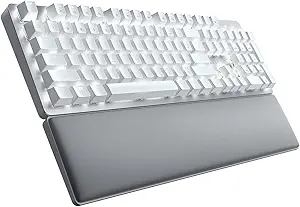
Feature sets reveal a significant divergence in ambition and ecosystem maturity between the two manufacturers. Razer excels in high-utility hardware integration, regularly outfitting its keyboards with dedicated multi-function digital dials, plush magnetic wrist rests, sound-dampening foam layers, and versatile connectivity options including ultra-low-latency 2.4GHz HyperSpeed wireless and multi-device Bluetooth. Software capability via Razer Synapse 3, despite being resource-heavy, is among the most sophisticated in the industry, offering per-key macro recording, hypershift layers that double button functionality, onboard profile storage, and extensive third-party game integration for dynamic Chroma RGB effects.
MSI’s keyboard feature set is distinctly more straightforward and hardware-centric, often focusing on fundamentals rather than bleeding-edge bells and whistles. Many MSI Vigor keyboards provide hotkeys for direct hardware control—allowing users to adjust RGB lighting presets, media playback, and even toggle MSI graphics card performance modes directly from the board without opening software. However, MSI Center lacks the granular customizability, macro complexity, and robust third-party ecosystem found in Synapse. Furthermore, MSI is much slower to adopt contemporary enthusiast trends such as factory-lubed switches, sound-dampening gasket mounts, and premium wireless configurations, leaving them feeling somewhat basic compared to Razer's feature-dense offerings.
Performance
From a raw performance perspective, Razer operates at the forefront of competitive gaming peripheral design. The brand has largely transitioned its flagship lines toward optical switches and analog optical technology, which utilize infrared light beams to register keypresses near-instantaneously while eliminating debounce delay. Razer's analog switches further enable rapid trigger functionality, adjustable actuation points ranging from 0.1mm to 4.0mm, and dual-step actuations, conferring tangible tactical advantages in fast-paced titles like first-person shooters. Backed by true 8000Hz HyperPolling rates, Razer keyboards deliver exceptionally low input latency that satisfies the demands of top-tier esports competitors.
MSI keyboards generally deliver dependable, albeit conventional, mechanical performance. Most MSI models utilize proven third-party switches such as standard Cherry MX, Kailh, or Outemu mechanical switches, which offer familiar tactile feedback and consistent actuation but lack the speed enhancements and flexibility of optical sensors. Key registration is reliable, standard 1000Hz polling rates prevent ghosting, and full N-key rollover ensures accurate execution during intense gaming sessions. Nevertheless, MSI cannot compete with Razer's responsiveness metrics, customization of switch behavior, or the sheer technological edge afforded by optical-analog actuation.
Design
In terms of physical design, Razer strikes an effective balance between aggressive gamer aesthetics and sleek, minimalist desktop integration. Razer keyboards frequently feature matte aluminum top plates, clean beveled edges, and premium doubleshot PBT keycaps with crisp, shine-through legends that resist oil and wear over time. Recent Razer designs have also embraced internal acoustic engineering, incorporating multi-layered sound dampening foams and factory-stabilized switches to significantly reduce the hollow pinging historically associated with mass-produced mechanical keyboards. The resulting hardware looks refined on an executive desk while remaining undeniably performance-oriented.
MSI takes a noticeably more industrial, utilitarian approach to design, characterized by sharper angles, prominent brand logos, and asymmetrical accents that strongly communicate a 'gamer' identity. While boards like the Vigor GK71 Sonic introduce interesting visual concepts—such as MSI ClearCaps with transparent sides that dramatically amplify RGB radiance—the overall fit and finish typically feel less premium. MSI relies more frequently on ABS keycaps that develop shine with prolonged use, and their internal acoustic tuning rarely matches Razer's modern standards, often leading to a more metallic, reverberant typing sound. While MSI's builds are structural and rigid, Razer demonstrates a superior mastery of materials, acoustics, and cohesive aesthetic execution.
Compare current retail pricing, active promotions, and verified stock availability directly from authorized stores: