Magic Chef vs Silonn: Overview
Comparing Magic Chef and Silonn helps you determine which brand is best suited for your needs in Ice Makers. Both brands offer strong choices depending on your budget and key feature requirements.
Key Features & Comparison
Evaluate factors such as build quality, warranty, customer satisfaction, and total value before making your final purchase choice between Magic Chef and Silonn.
Features
In terms of integrated capabilities, both brands concentrate on bullet-style ice production but differ substantially in their interface philosophy and feature automation. Magic Chef typically incorporates simple, high-contrast mechanical membrane pads with elemental diagnostics: indicators for water shortage, bucket-full alerts, and cycle initiation. Most Magic Chef models offer two distinct ice cube sizes to accommodate different beverage profiles, maintaining a functional minimalism that reduces microchip failure points and ensures user-friendly operation across all demographics.
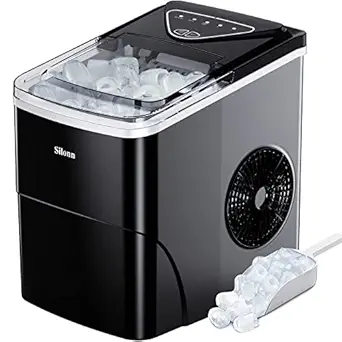
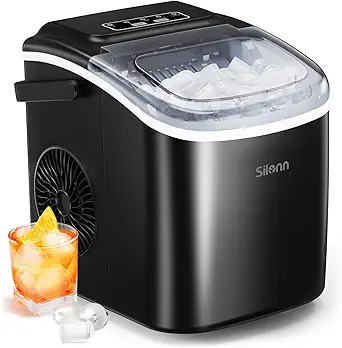
Silonn, on the other hand, excels in user-centric convenience features, frequently integrating specialized automated self-cleaning cycles that simplify routine descaling and sanitization. Silonn's user interfaces lean toward intuitive, one-touch operational matrices with multi-color LED cues and precise cycle timers. Furthermore, Silonn frequently packages their units with ergonomic accessories, such as optimized scoops and portable, removable ice baskets with integrated handles, delivering a more granular and convenience-oriented feature set right out of the box.
Performance
From a mechanical performance standpoint, both brands utilize high-efficiency R600a refrigerant compressors, but their production metrics demonstrate distinct engineering priorities. Magic Chef machines are engineered for steady, thermal equilibrium; while their initial cycle can take between 7 to 10 minutes, the condenser stabilizes effectively over continuous use to yield dense, slow-melting bullet ice. Daily production ratings across standard Magic Chef models reliably hit the 26 to 27-pound threshold, showing minimal susceptibility to ambient temperature shifts in typical indoor environments.
Silonn prioritizes rapid cycle times and low acoustic output, often generating its first batch of ice in as little as 6 minutes. Silonn integrates dynamic cooling fans with advanced sound-dampening cowlings, routinely operating below 45 decibels, which makes them noticeably quieter than comparable Magic Chef units in open-concept kitchens. However, because Silonn machines run slightly faster cycles, the initial batches of ice tend to be slightly hollower and more prone to rapid melting compared to the slightly more dense cubes produced by a fully heat-stabilized Magic Chef compressor.
Design
The aesthetic and physical footprint of these appliances highlights the differing design ethos of each manufacturer. Magic Chef embraces a traditional, utilitarian silhouette featuring boxy, structural profiles and resilient plastic or brushed stainless steel shells. These units are built to blend seamlessly with conventional kitchen cabinetry and utility room fixtures, prioritizing internal component spacing and thermal ventilation grates over ultra-compact dimensions, which aids in passive heat dissipation.
Silonn approaches design from a strictly modern countertop perspective, producing compact, rounded-edge chassis with vibrant colorways—such as mint green, classic white, and deep obsidian—alongside standard brushed metal finishes. Their units generally occupy a smaller volumetric footprint, making them far easier to stow beneath low-hanging cabinets or transport for RV and patio use. Silonn also heavily favors expansive, transparent viewing windows that allow users to monitor ice levels without lifting the lid and breaking the internal thermal seal, seamlessly merging modern aesthetic appeal with thermal conservation.
Compare current retail pricing, active promotions, and verified stock availability directly from authorized stores: