Sony vs Aiwa: Overview
Comparing Sony and Aiwa helps you determine which brand is best suited for your needs in Boomboxes. Both brands offer strong choices depending on your budget and key feature requirements.
Key Features & Comparison
Evaluate factors such as build quality, warranty, customer satisfaction, and total value before making your final purchase choice between Sony and Aiwa.
Features
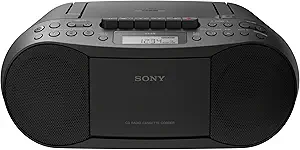
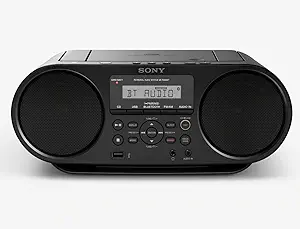
From a feature integration standpoint, Sony excels at thoughtful, user-centric functionality supported by reliable proprietary components. Sony boomboxes frequently boast precise digital AM/FM tuners with extensive preset memories, robust CD-DA/MP3 playback mechanisms, and high-efficiency power management systems engineered for prolonged battery runtime. In contemporary models, Sony incorporates modern wireless standards like Bluetooth with NFC fast-pairing, alongside standard cassette recorders with soft-eject mechanics on retro-focused devices. Every feature is implemented with an emphasis on seamless usability and structural longevity rather than overwhelming the spec sheet with fringe utilities.
Aiwa counterbalances this with an feature set geared directly toward impact and modern lifestyle versatility. Historically famous for introducing multi-disc CD changers, digital graphic equalizers, and proprietary multi-stage bass boost circuits like Dynamic Super Bass (DSB) into portable units, modern Aiwa systems continue this high-feature-density tradition. Contemporary Aiwa boomboxes frequently offer broad multimedia connectivity, including direct USB playback, microSD slots, auxiliary inputs, integrated microphone ports for public address or karaoke, and multi-color dynamic LED lighting effects. While Sony ensures standard features perform flawlessly, Aiwa tends to offer a broader toolkit designed for entertainment-centric and communal environments.
Performance
Sony's acoustic performance is defined by a commitment to linear frequency response, low total harmonic distortion (THD), and clean sonic balance across the audio spectrum. Utilizing well-damped speaker enclosures and refined amplifier circuits like the S-Master digital amp in select models, Sony units produce clear, uncolored midranges and crisp high frequencies. Vocal clarity and acoustic instruments thrive on Sony hardware, and their proprietary Mega Bass tuning is intentionally calibrated to enhance low-end presence without overwhelming mid-frequency detail or causing cabinet resonance at moderate-to-high volumes. As a result, listening fatigue is minimal, making Sony superior for analytical, long-term listening sessions.
Aiwa’s performance ethos, by contrast, centers on acoustic power, visceral low-frequency impact, and sheer volume. Engineered with high-excursion woofers and high-gain internal amplifiers, Aiwa boomboxes are voiced to deliver thunderous bass that punches through ambient noise, making them exceptionally well-suited for outdoor gatherings, workshops, or large rooms. While this aggressive V-shaped frequency profile can sometimes lead to recessed mids and slightly higher harmonic distortion at maximum acoustic output limits compared to Sony, the sheer energy, dynamic range, and expansive soundstage provide an immediately engaging listening experience that bass enthusiasts prefer.
Design
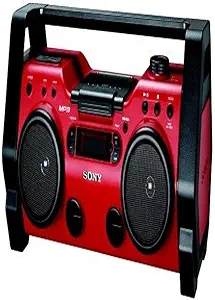
Sony approaches boombox architecture through a lens of minimalist sophistication and industrial ergonomics. Modern units rely heavily on sleek, rounded enclosures, high-grade textured plastics, and recessed, tactile control interfaces that resist accidental toggling. The brand's focus on functional portability is evident in strategically balanced, integrated carry handles, flush-mounted CD lids, and secure battery bay closures designed to prevent degradation over years of handling. Sony’s visual language is understated, typically opting for subtle matte black, white, or gunmetal finishes that blend seamlessly into home offices, kitchens, or professional settings.
Aiwa takes an unapologetically bold approach to hardware aesthetics, prioritizing an aggressive, ruggedized, or party-ready visual identity. From vintage models characterized by exposed speaker cones, prominent equalizer sliders, and oversized chrome accents to modern variants sporting metallic speaker grilles and customizable RGB ambient lighting, Aiwa gear is designed to be noticed. The physical construction emphasizes structural presence, often adopting angular geometry and pronounced shock-absorbing bumpers. While Aiwa’s aesthetic may feel overly ostentatious for quiet home decor, its rugged styling and high-visibility controls make it ideal for active, social environments where rugged presence is an asset.