Pyle vs Aiwa: Overview
Comparing Pyle and Aiwa helps you determine which brand is best suited for your needs in Boomboxes. Both brands offer strong choices depending on your budget and key feature requirements.
Key Features & Comparison
Evaluate factors such as build quality, warranty, customer satisfaction, and total value before making your final purchase choice between Pyle and Aiwa.
Features
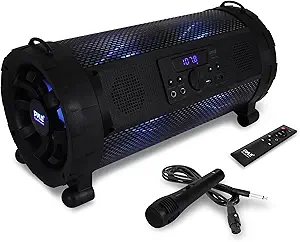
Pyle distinguishes itself by offering an expansive array of input options and multimedia tools that rival small PA systems. A typical Pyle boombox includes not only modern Bluetooth streaming and FM tuners, but also physical inputs for micro SD cards, USB flash playback, auxiliary jacks, and dedicated 1/4-inch microphone or guitar inputs with independent volume and echo controls. Additionally, many Pyle models incorporate dynamic multi-color LED party lights, onboard recording functions, and digital equalization presets. This Swiss-Army-knife approach ensures that Pyle units can serve as portable karaoke machines, public address speakers, or job-site radios right out of the box without requiring external adapters or mixers.
Aiwa adopts a more curated and modern approach to functionality, prioritizing the quality of core features over sheer quantity. While Aiwa boomboxes frequently omit older media formats like physical cassette decks or micro SD slots, they lead in modern wireless standards, often implementing Bluetooth 5.0 or higher with advanced codec support, True Wireless Stereo (TWS) pairing for linking multiple units, and high-capacity lithium-ion battery architectures that support reverse power-bank charging for mobile devices. Aiwa's user interface is generally more intuitive and focused on streaming stability, lower latency, and seamless device handshakes, trading off Pyle's legacy input variety for optimized, hassle-free modern wireless connectivity.
Performance
From an acoustic engineering standpoint, Pyle tunes its boomboxes primarily for high sound pressure levels (SPL) and raw loudness. Driven by robust Class D amplification, these units can produce substantial volume capable of cutting through ambient outdoor noise, making them effective for open spaces. However, this focus on sheer output often comes at the expense of harmonic distortion control and frequency balance. At higher volumes, Pyle speakers may exhibit bass clipping, slightly recessed midrange frequencies, and harsh treble responses, reflecting a tuning profile that prioritizes reach and impact over nuanced sonic transparency.
In contrast, Aiwa focuses heavily on low-frequency extension, transient response, and harmonic purity across the entire volume envelope. Utilizing custom-engineered neodymium drivers, precision passive radiators, and dedicated digital signal processing (DSP), Aiwa boomboxes deliver deep, articulate bass without muddying the vocal range. High frequencies remain crisp without turning brittle, and total harmonic distortion (THD) is kept remarkably low even near maximum output. For consumers evaluating performance based on soundstage, instrument separation, and tonal balance, Aiwa holds a decisive technical edge over Pyle’s volume-first approach.
Design
Pyle’s industrial design is characterized by utilitarian pragmatism, rugged aesthetic cues, and durable plastic moldings. Many of their boombox models feature heavy-duty carry handles, integrated shoulder straps, reinforced rubber bumpers, and prominent front grilles designed to protect components in rough environments. While functionally resilient, the aesthetics often lean toward an aggressive, tactical look accented by bright LED lighting and busy control panels. Knobs and buttons are generally functional but standard in feel, prioritizing tactile accessibility and field serviceability over sleek, high-end ergonomics.
Aiwa’s design language leans substantially more sophisticated, drawing on modern minimalist aesthetics while retaining a nod to classic retro-boombox silhouettes. The brand typically uses premium materials such as brushed metal accents, anodized aluminum grilles, and soft-touch tactile polymers that impart a solid, dense hand-feel. Aiwa’s button layouts and control clusters are streamlined and ergonomically balanced, often featuring discrete moisture resistance ratings (such as IPX5 or IPX4) for weather protection. The overall fit and finish of an Aiwa unit convey an understated, premium elegance that looks as natural in an executive living room as it does on a patio.
Compare current retail pricing, active promotions, and verified stock availability directly from authorized stores: