JBL vs Pyle: Overview
Comparing JBL and Pyle helps you determine which brand is best suited for your needs in Boomboxes. Both brands offer strong choices depending on your budget and key feature requirements.
Key Features & Comparison
Evaluate factors such as build quality, warranty, customer satisfaction, and total value before making your final purchase choice between JBL and Pyle.
Features
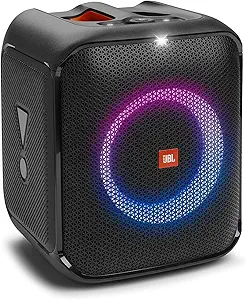
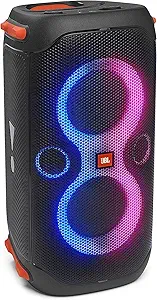
The feature sets of JBL and Pyle showcase entirely different engineering philosophies, particularly regarding modern connectivity versus legacy versatility. JBL concentrates on an optimized, streamlined user experience centered on high-efficiency Bluetooth protocols, seamless multi-speaker daisy-chaining (such as PartyBoost or Auracast), and an intuitive companion mobile application with customizable equalization profiles. Furthermore, JBL boomboxes integrate massive high-capacity lithium-ion power banks capable of rapidly charging external mobile devices, reflecting the needs of contemporary on-the-go users who demand rock-solid wireless stability over an abundance of physical toggle switches.
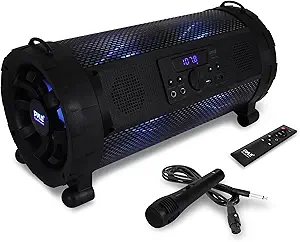
Pyle, conversely, adopts a kitchen-sink approach to connectivity that harkens back to traditional retro boomboxes and mobile PA systems. Many Pyle units incorporate FM radio tuners, physical USB flash drive readers, SD card slots, dual 1/4-inch microphone inputs for instant karaoke or public speaking, and integrated multi-colored LED party lights. However, this expansive catalog of features often comes at the expense of component quality; Pyle's wireless implementations frequently use older Bluetooth versions with limited range and higher latency, and the brand lacks dedicated app support. Consequently, while Pyle provides a vast array of niche functional tools out of the box, JBL delivers a significantly more refined, stable, and modernized core feature experience.
Performance
In terms of acoustic performance, JBL decisively outclasses Pyle through meticulous transducer engineering and advanced digital signal processing (DSP). JBL boomboxes are renowned for their signature sound profile: profound, punchy sub-bass reproduction paired with crisp, well-articulated mid-range and treble frequencies. Even at maximum output, JBL's onboard DSP actively manages dynamic range and excursion to eliminate harmonic distortion, ensuring that low frequencies remain tightly controlled and vocals stay transparent. This acoustic discipline results in a wide, immersive soundstage that easily cuts through ambient outdoor noise without sounding harsh or fatiguing to the listener.
Pyle boomboxes, on the other hand, prioritize raw decibels over acoustic nuance and tonal balance. While often advertised with eye-catching peak wattage ratings (PMPO) that promise deafening volume, their real-world root-mean-square (RMS) continuous output is significantly more modest. Under high volume demands, Pyle speakers tend to exhibit noticeable distortion, a muddy midrange, and thin or boomy bass that lacks low-end sub-bass extension. While they are certainly capable of producing sufficient volume for announcements, background music, or casual backyard parties, Pyle units lack the dynamic headroom, instrument separation, and pristine audio clarity that define JBL's sound engineering.
Design
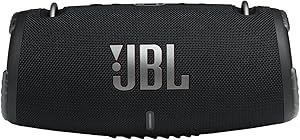
From an industrial design standpoint, JBL sets the benchmark for contemporary rugged portability. Utilizing high-grade textured fabrics, heavy-duty thermoplastic bumpers, and ergonomically sculpted carrying handles with silicone grips, JBL boomboxes are purpose-built to withstand severe physical stress. Crucially, JBL units routinely achieve IP67 ratings, certifying that they are not merely splashproof, but completely dust-tight and capable of surviving full submersion in water. Every seam, gasket, and passive radiator surround is precision-engineered to prevent environmental ingress, resulting in a cohesive, premium aesthetic that feels solid and durable in the hand.
Pyle approaches chassis design from a utilitarian and sometimes retro-inspired perspective, relying predominantly on lightweight, injection-molded ABS plastics. While this keeps the overall weight manageable and lowers manufacturing costs, the materials can feel hollow, and the structural seams lack the tight tolerances seen in JBL's portfolio. Water-resistance ratings on Pyle units are either nonexistent or limited to basic splash resistance (IPX4), making them susceptible to damage from heavy rain, sand, or poolside drops. Pyle's physical controls—such as analog potentiometers, rotary dials, and clicky buttons—provide immediate tactile feedback, but they do not match the sleek, weather-sealed, and premium finish that characterizes JBL's hardware.