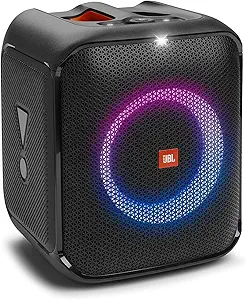
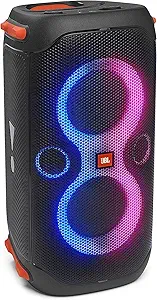
JBL vs GPX: Overview
Comparing JBL and GPX helps you determine which brand is best suited for your needs in Boomboxes. Both brands offer strong choices depending on your budget and key feature requirements.
Key Features & Comparison
Evaluate factors such as build quality, warranty, customer satisfaction, and total value before making your final purchase choice between JBL and GPX.
Features
Feature sets between the two brands reflect their contrasting technical priorities and target demographics. JBL leans heavily into the smart, connected ecosystem, prioritizing wireless protocol advancements, multi-speaker linking capabilities, and smartphone app integration. Modern JBL boomboxes feature advanced Bluetooth codecs, integrated high-capacity power banks via bidirectional USB ports, and proprietary synchronization technologies like PartyBoost and Auracast, which enable users to daisy-chain dozens of compatible speakers. Through the JBL Portable app, listeners can fine-tune their acoustic profile with custom multi-band equalizers and manage firmware updates to optimize DSP algorithms over the product's lifespan.
GPX, on the other hand, excels in physical versatility and physical media playback, catering to users who want an all-in-one media center rather than a dedicated Bluetooth hub. GPX boomboxes frequently integrate top-loading CD/CD-R/RW players, AM/FM analog or digital tuners with telescoping antennas, and in some models, cassette decks with recording capabilities alongside Bluetooth receivers and 3.5mm auxiliary jacks. While GPX units lack app-based equalization, party-linking protocols, or power-bank capabilities, their inclusion of physical controls, headphone jacks, and legacy playback formats provides an expansive array of offline audio sources that JBL completely omits in favor of streamlined digital streaming.
Performance
In terms of acoustic performance, JBL decisively outperforms GPX across virtually every objective metric, including frequency response, total harmonic distortion (THD), and maximum sound pressure level (SPL). JBL implements a multi-driver bi-amplified architecture, utilizing dedicated long-throw subwoofers, precision midrange transducers, dual silk-dome tweeters, and dual passive bass radiators. This engineered topology produces earth-shaking low-end extension down into the sub-bass frequencies (often below 40Hz) without muddying mid-range clarity or rolling off highs. Even at maximum output, JBL's onboard DSP dynamically limits distortion, ensuring vocals remain crisp and the bass response tight and punchy during demanding outdoor playback.
Conversely, GPX units operate on low-wattage amplification systems driving full-range paper cone drivers, which inherently limits their acoustic ceiling. While perfectly adequate for casual listening to podcasts, talk radio, or background music at moderate volumes, GPX boomboxes struggle when pushed to higher output levels, exhibiting audible clipping, thin bass response, and harsh treble. The frequency curve is heavily mid-forward with minimal sub-bass presence, meaning modern dynamic music can sound hollow. Battery performance follows a similar trajectory: JBL utilizes massive lithium-ion rechargeable packs providing up to 24 hours of sustained high-output playback, whereas GPX units rely on lower-capacity internal cells or multiple disposable D-cell batteries with significantly shorter operational lifespans at high volumes.
Design
The industrial design of JBL boomboxes is defined by extreme environmental resilience and modern tactical ergonomics. Constructed from thick polycarbonate skeletons overlaid with ruggedized, hydrophobic fabric grilles and heavy-duty silicone bumpers, JBL devices boast IP67 and IPX7 ratings for complete dust resistance and waterproof submersion. The integrated ergonomic metal or composite carry handle incorporates textured silicone grips, balanced purposefully around the speaker's center of gravity. JBL’s design language is aggressively contemporary, characterized by bold embossed logos, illuminated status rings, and robust passive radiators that flex visibly to illustrate bass displacement.
GPX adheres to a classic, utilitarian aesthetic built largely from lightweight ABS plastics, evoking the boxy silhouette of vintage audio gear. While this lightweight construction makes GPX units exceptionally easy to transport, the plastics feel hollow and are prone to scuffs and structural damage if subjected to drops or harsh outdoor elements. GPX designs feature traditional folding plastic handles, visible speaker grilles, and tactile mechanical buttons, rotary tuning dials, and LCD readouts. Because GPX boomboxes rarely carry certified IP weatherproofing ratings, they are strictly designed for indoor environments or fair-weather patio use, trading JBL’s go-anywhere durability for lightweight, nostalgic desktop convenience.
Compare current retail pricing, active promotions, and verified stock availability directly from authorized stores: