Instant Pot vs Ninja: Overview
Comparing Instant Pot and Ninja helps you determine which brand is best suited for your needs in Air Fryers. Both brands offer strong choices depending on your budget and key feature requirements.
Key Features & Comparison
Evaluate factors such as build quality, warranty, customer satisfaction, and total value before making your final purchase choice between Instant Pot and Ninja.
Features
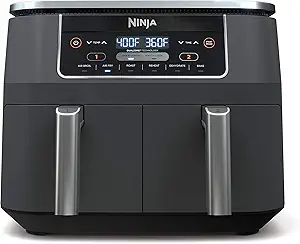
In terms of feature sets, both brands exhibit remarkable innovation, yet Ninja historically leads in mechanical versatility while Instant Pot emphasizes smart usability. Ninja revolutionized the category with its Foodi DualZone technology, introducing Smart Finish (which allows two baskets with different cooking times and temperatures to conclude simultaneously) and Match Cook modes. Additionally, Ninja pushes higher boundary capabilities, such as integrated Foodi Smart Thermometers for live internal protein tracking and specialized functions like 'Max Crisp' which drives temperatures up to 450°F. These operational modes make Ninja units exceptionally adaptive for complex meal prep that requires varying thermal profiles across simultaneous ingredients.
Instant Pot counters by focusing on tactile refinement, sensory feedback, and precision temperature management. Models like the Instant Vortex Plus feature the trademark ClearCook transparent window paired with internal illumination, resolving the common frustration of heat loss caused by repeatedly opening the basket to check doneness. Furthermore, Instant Pot integrates specialized OdorErase carbon filter modules into select exhaust ports to neutralize pungent cooking smells before they disperse. While Instant Pot's presets (Air Fry, Roast, Broil, Bake, Reheat, Dehydrate) cover all culinary essentials with intuitive one-touch dials, Ninja remains marginally ahead in raw functional breadth for power users seeking specialized high-heat or multi-zone functionality.
Performance
Performance benchmarks showcase Ninja's dominance in raw convection velocity and maximum crispiness. Engineered with robust heating elements and aggressive fan speeds, Ninja air fryers minimize preheat intervals and generate an intense, sweeping convective vortex. This translates to superior browning and moisture evacuation on exterior surfaces, making Ninja particularly exceptional for frozen foods, breaded cutlets, and wings that benefit from deep-fried texture mimicry. The trade-off, however, is a higher decibel output; Ninja units are notoriously louder during operation due to their heavy-duty fans, and their aggressive top-down heat can occasionally dry out delicate proteins if not meticulously monitored.
Instant Pot demonstrates exceptional thermal stability and a more balanced, gentle radiant-convective envelope. Utilizing sophisticated microprocessor-driven heat cycling derived from their multicooker technology, Instant Pot air fryers distribute heat with surgical precision, reducing hot spots and preventing surface scorching before the interior is thoroughly cooked. They produce remarkably juicy roasts, even baked goods, and uniformly crisped vegetables with minimal oil usage. Furthermore, Instant units operate significantly quieter than Ninja appliances, delivering a serene kitchen environment while still maintaining swift cook times and dependable, repeatable results.
Design
The design paradigms of Instant Pot and Ninja reflect divergent countertop philosophies. Instant Pot designs lean heavily toward modern minimalism, characterized by sleek, glossy black exteriors, brushed stainless accents, and capacitive touch interfaces. The physical integration of their single-basket systems is elegant, featuring ergonomic, cool-touch handles and seamless pull mechanisms. The standout design achievement is the ClearCook window, which blends seamlessly into the chassis when unlit and provides crystal-clear visibility when engaged. The primary disadvantage of Instant's aesthetic is that high-gloss plastic finishes are prone to capturing visible fingerprints, requiring frequent wiping to maintain a pristine look.
Ninja leans into an utilitarian, industrial aesthetic with robust build materials that project durability. Their two-basket configurations are wide and horizontal, requiring substantial countertop real estate, but they maximize interior volume with shallow, broad footprints that encourage single-layer food distribution. Ninja’s controls combine tactile physical buttons and rotary dials with clear digital readouts, designed for heavy daily wear without touch-screen degradation. Inside the baskets, Ninja employs ceramic-coated nonstick crisper plates that offer superior abrasion resistance compared to standard PTFE coatings, making them exceptionally easy to clean and dishwasher safe, though the overall external footprint can feel bulky in compact kitchens.
Compare current retail pricing, active promotions, and verified stock availability directly from authorized stores: