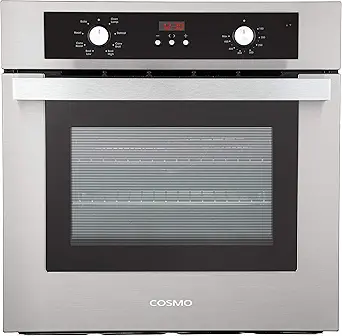
Cosmo vs Kitchen Aid: Overview
Comparing Cosmo and Kitchen Aid helps you determine which brand is best suited for your needs in Wall Ovens. Both brands offer strong choices depending on your budget and key feature requirements.
Key Features & Comparison
Evaluate factors such as build quality, warranty, customer satisfaction, and total value before making your final purchase choice between Cosmo and Kitchen Aid.
Features
From a technological and feature-set perspective, KitchenAid establishes a decisive lead with its chef-oriented innovations. Many KitchenAid wall ovens feature the brand's proprietary Even-Heat Preheating and True Convection systems, alongside specialized features such as built-in temperature probes, bread proofing cycles, and crisping modes. Higher-end models also integrate the KitchenAid Smart Oven+ system, which supports powered attachments including a baking stone, steamer, and grill, alongside robust Wi-Fi connectivity via the Yummly or KitchenAid apps. The brand's rack systems are another hallmark, often incorporating heavy-duty SatinGlide roll-out extension racks that effortlessly handle heavy cast-iron Dutch ovens and roasting pans with smooth, ball-bearing precision.
Cosmo takes a more utilitarian, minimalist approach to features, prioritizing practical everyday functions over high-tech complexity. Standard Cosmo wall ovens offer essential cooking modes such as standard bake, broil, convection bake, and basic defrosting, governed by straightforward digital controls or tactile knobs. However, they lack advanced features such as multi-point smart temperature probes, motorized glide racks, or smart home integration. The interior racking is functional yet lighter in gauge, lacking the gliding mechanisms found in KitchenAid units. For users who prefer an uncomplicated, plug-and-play appliance without a steep learning curve or digital overhead, Cosmo’s simplified feature suite is functional, though it undeniably lacks the versatility and gourmet capabilities built into KitchenAid.
Performance
Thermal performance is where KitchenAid's engineering depth becomes most apparent, particularly in heat retention, distribution, and stability. KitchenAid utilizes Even-Heat True Convection, which couples a dedicated third heating element with a specialized bow-tie fan design to circulate heated air continuously throughout the entire cavity. This system virtually eliminates cold spots, providing exceptional results for multi-rack baking and delicate pastry work where temperature swings must be minimized. Furthermore, KitchenAid employs heavy thermal insulation and multi-pane glass assemblies that keep exterior surface temperatures safe while maintaining rock-solid internal equilibrium, even during prolonged, high-heat roasting cycles.
Cosmo delivers competent baseline thermal performance, utilizing fan-assisted convection in its higher-tier models to circulate air effectively for standard family cooking. For routine tasks such as roasting chicken, baking sheet-pan dinners, and toasting, Cosmo performs reliably and reaches preheat targets in acceptable timeframes. However, thermal profiling reveals greater temperature fluctuation across the cavity compared to KitchenAid, especially when running multi-rack operations simultaneously. The lighter-gauge cavity walls and basic thermal insulation also mean Cosmo ovens dissipate heat slightly faster and can transfer more ambient warmth into the kitchen during self-cleaning or extended baking, making it less optimal for precision-critical baking tasks.
Design
Aesthetic design and tactile ergonomics highlight a clear divergence in brand identity between these two manufacturers. KitchenAid’s visual language is characterized by professional-grade industrial styling, distinguished by heavy, knurled metal handles with red brand medallions, cast-iron aesthetics, and print-resistant stainless steel finishes. The digital interfaces feature crisp full-color touchscreens or backlit glass touch panels that respond smoothly to inputs. Internally, KitchenAid's signature cobalt blue porcelain interior not only enhances visibility against interior halogen or LED lighting but also provides a distinct, luxury feel that elevates the appliance's presence in a customized kitchen.
Cosmo relies on a clean, contemporary European minimalist design, offering streamlined stainless steel profiles, flat door fascias, and industrial bar handles that mimic the appearance of luxury appliances from a distance. The fit and finish are impressive for the price tier, featuring seamless edges and large viewing windows. However, closer tactile interaction exposes the cost-saving measures: the control knobs and push-buttons have a lighter, plasticky feel, the door hinges lack soft-close damping, and the interior uses standard dark porcelain enamel rather than high-gloss premium coatings. While Cosmo successfully captures an upscale look on a budget, KitchenAid delivers a tangibly superior tactile experience that matches its professional visual promises.
Compare current retail pricing, active promotions, and verified stock availability directly from authorized stores: