





Shark vs Sebo: Overview & Brand Philosophy
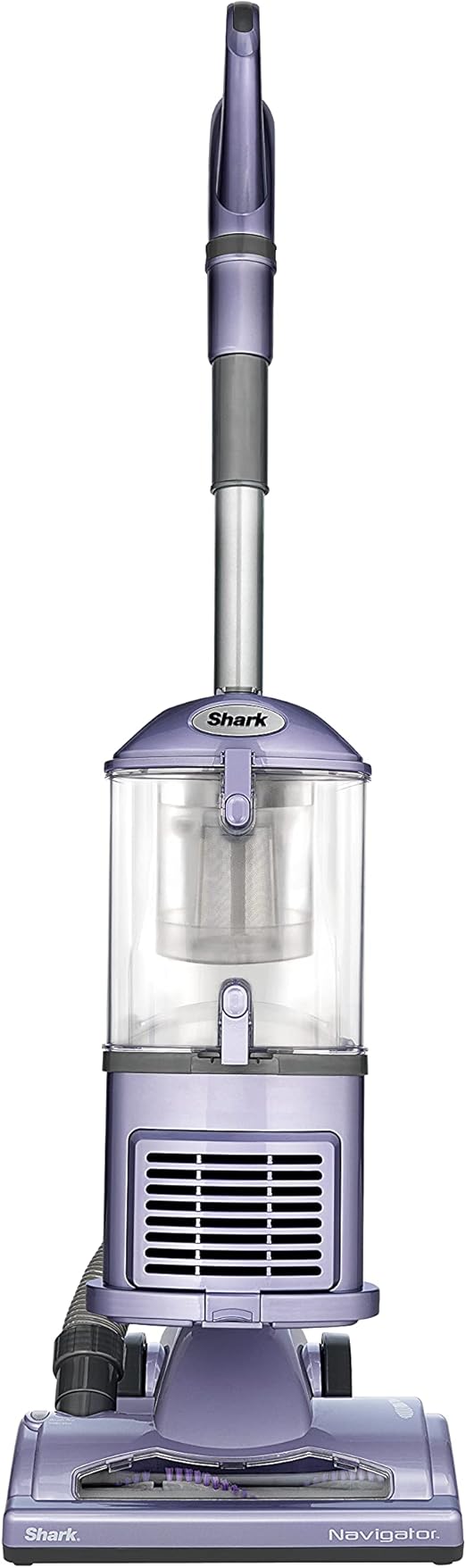
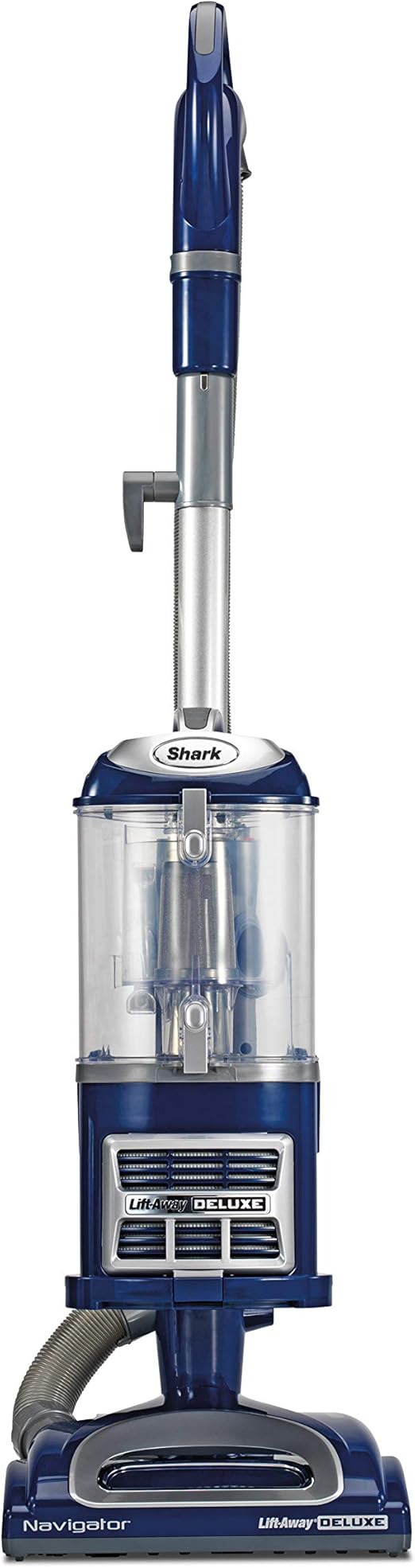
The vacuum cleaner market represents a dynamic collision between consumer-centric mass innovation and traditional industrial engineering. At the forefront of modern convenience sits Shark, an American consumer brand under the JS Global umbrella. Shark’s operational philosophy revolves around high-velocity innovation, aggressive feature packaging, and mass-market accessibility. By rapidly incorporating trendy features such as duo-brush rollers, folding wands, and self-emptying bagless docks, Shark captures a dominant share of mainstream shoppers who prioritize multifunctionality, low initial cost, and cutting-edge aesthetic appeal.
Conversely, Sebo embodies classic, uncompromising German engineering. Founded in 1978 in Velbert, Germany, Sebo originally designed commercial vacuums for hotels, hospitals, and contract cleaners before bringing their platforms to high-end domestic consumers. Sebo’s philosophy prioritizes mechanical longevity, hospital-grade S-Class filtration, repairability, and ergonomic simplicity over short-lived lifestyle gimmicks. Where Shark views the vacuum cleaner as an evolving consumer tech appliance replaced every few years, Sebo treats it as an essential, high-performance maintenance machine built to last for decades.
Understanding this philosophical gulf is paramount before comparing specs. Shark targets the lifestyle-conscious homeowner looking for affordable, versatile, modern cleaning solutions without bags. Sebo builds commercial-standard uprights and canisters for users who refuse to compromise on build quality, deep carpet extraction, allergen capture, and long-term mechanical reliability.
Key Differences & Technological Comparison
The technological contrast between Shark and Sebo is stark across several fundamental categories:
- Bagless Cyclonic vs. S-Class Bagged Filtration: Shark uses multi-cyclonic bagless systems, which save on recurring consumable costs but expose the user to plumes of dust during canister emptying. Even with Shark's Anti-Allergen Complete Seal technology, fine dust inevitably coats the inner baffles and pre-motor filters, causing suction decline unless frequently washed. Sebo relies on high-capacity multi-layer filter bags combined with micro-hygiene filters, earning the British Allergy Foundation seal of approval. Sebo’s sealed bagged architecture guarantees that fine particulate, pet dander, and biological matter are permanently sealed away, maintaining pristine airflow and protecting motor life.
- Brushroll Design and Maintenance: Shark is famous for its DuoClean and PowerFins technologies, which run two different rollers simultaneously—a soft roller for hard floors and a finned brush for agitation—reducing hair wrap. While versatile, these heads are complex, prone to gear-strip issues, and challenging to disassemble when debris bypasses the seals. Sebo uses heavy-duty, single-roller designs (such as those on the Sebo Felix or Automatic X series) that allow the brush roll to be ejected in seconds without tools. Sebo machines also feature intelligent electronic sensors that automatically optimize brush height based on floor resistance and instantly shut down if a jam occurs to prevent belt damage.
- Motor Engineering and Suction Efficiency: Shark employs high-RPM, compact motors that pull impressive peak air watts out of the box but generate high thermal loads and operational noise. Sebo uses industrial-grade, bypass motors engineered for low acoustic resonance, sustained continuous runtime, and massive airflow (CFM). Rather than artificially spiking suction numbers to achieve marketing claims, Sebo maximizes high CFM, ensuring heavy dirt is pulled from deep within dense carpet backing.
- Chassis Construction & Modularity: Shark relies extensively on ABS plastics with intricate click-lock tabs and articulated joints to allow its "Lift-Away" conversion. These plastic pivot points and latch springs represent common failure points under stress. Sebo constructs its uprights and canisters from high-impact ABS blended with structural polycarbonate, heavy-duty metal baseplates, and commercial-grade wiring harnesses, designed from the ground up for modular servicing.
Pros & Cons Comparison
Shark: Pros & Cons
- Pro: Accessible Upfront Pricing: Readily available across major retailers at price points matching entry- to mid-level budgets.
- Pro: Versatile Form Factor: Lift-Away functionality permits quick transitions between upright cleaning, under-furniture reaching, and above-floor dusting.
- Pro: No Consumable Costs: Bagless dirt chambers eliminate the need to buy replacement bags on a monthly or quarterly basis.
- Pro: Integrated LED Lighting: Bright front-facing LEDs illuminate dark corners and dust paths across all flooring types.
- Con: Poor Repairability: Minimal availability of individual component parts; often requires replacing the entire floorhead or motor assembly.
- Con: Frequent Filter Maintenance: Cyclonic filters require regular manual washing and 24-hour drying cycles to prevent suction loss and mold odors.
- Con: Durability Concerns: Plastic hinges, hose flex points, and roller bearings show high wear within 3–5 years of heavy usage.
Sebo: Pros & Cons
- Pro: Decades-Long Durability: Expected operational lifespan of 15–20+ years under residential use, reinforced by robust commercial heritage.
- Pro: Flawless Allergen Containment: Sealed S-Class/HEPA bagged architecture keeps 99.9% of microscopic particulate safely trapped.
- Pro: Fully Modular & Repairable: Every single nut, bolt, motor brush, and bumper is cataloged and replaceable, with readily accessible service manuals.
- Pro: Exceptional Carpet Performance: Unrivaled mechanical agitation that revives dense pile carpet and extracts deep-seated particulate.
- Con: High Initial Capital Investment: Retail prices are substantially higher, positioning Sebo firmly in the premium category.
- Con: Ongoing Consumable Expense: Requires continuous purchasing of high-capacity bags and replacement pre/post-motor exhaust filters.
- Con: Traditional Industrial Styling: Lacks trendy consumer features like touchscreen displays, battery percentage indicators, or pivoting dual-brush assemblies.
Performance, Durability & Value Analysis
From an immediate out-of-the-box performance perspective, Shark frequently matches or exceeds expectations. On mixed hard flooring and low-pile rugs, a modern Shark machine picks up surface debris, scattered pet kibble, and hair with minimal effort. However, evaluating true performance requires observing the degradation curve over time. Due to its bagless design and high-toleranced internal airways, Shark units experience marked drop-offs in cleaning performance if the user fails to wash filters regularly. Furthermore, the reliance on sealed gearboxes and non-serviceable brushroll motors means minor mechanical failures—such as hair ingress melting a plastic roller bearing—frequently lead to premature unit disposal.
Sebo’s value equation, while carrying a steep point-of-entry barrier, drastically surpasses Shark on a cost-per-year basis. A Sebo vacuum maintains the exact same CFM airflow and agitation force on year ten as it does on day one, provided bags are replaced when full. The belt systems are reinforced with internal clutching mechanisms to prevent snapping, the motors run substantially cooler, and the structural integrity of the plastics withstands aggressive impacts against baseboards and furniture. While a homeowner may spend $200–$400 every three to four years replacing burned-out bagless units, a single $800–$1,100 Sebo investment easily delivers fifteen to twenty years of uncompromising industrial power, making it the mathematically superior long-term financial choice.
Final Verdict: Which Brand Should You Choose?
The choice between Shark and Sebo comes down to your financial approach to home maintenance, your flooring profile, and your tolerance for mechanical upkeep:
Choose Shark if:
- You want an affordable, feature-rich vacuum cleaner under $400.
- You prefer the convenience of bagless operation and refuse to purchase recurring disposable supplies.
- You prioritize lightweight maneuverability, LED headlights, and the flexibility to transform an upright into a portable canister for stairs and car interiors.
- You are comfortable replacing your vacuum every few years when mechanical wear catches up with its lightweight construction.
Choose Sebo if:
- You view floor care as a long-term capital investment and want a machine built to last 15 to 20 years.
- You suffer from severe allergies, asthma, or live in a home with multiple high-shedding pets, requiring hospital-grade air containment.
- You have large expanses of medium-to-deep pile carpet or delicate natural fibers (such as wool) that demand precision, commercial-grade height adjustment and gentle mechanical agitation.
- You value right-to-repair ethics and appreciate equipment that can be completely taken apart, serviced, and rebuilt with common tools.
Features
When evaluating feature sets, Shark and Sebo approach vacuum design from radically different engineering philosophies: Shark prioritizes rapid consumer-facing innovation, while Sebo focuses on commercial-grade utility and system longevity. Shark distinguishes itself with high-visibility, lifestyle-oriented technologies such as its DuoClean dual-roller brush system, which seamlessly transitions between deep carpet agitation and bare-floor dusting. Additionally, Shark integrates flexible wands (MultiFLEX) to reach under low furniture, active anti-hair-wrap brush rolls, bright LED headlights on both the floor nozzle and the handle, and sealed HEPA filtration with neutralizing odor-capsule technology. These technical assets are specifically engineered to provide immediate convenience, multi-surface adaptability, and visible cleaning feedback for standard household demands.
Conversely, German-engineered Sebo offers a purist feature set rooted in commercial durability and mechanical reliability. Rather than packing its machines with modular plastic mechanisms, Sebo focuses on functional, precision engineering. Key technical highlights include electronic timing belts with automatic shut-off safety systems that disengage the motor if an obstruction occurs, manual or intelligent automatic brush-height adjustments (seen in the flagship Automatic X-series), and S-Class, hospital-grade electrostatic filtration that frequently outperforms standard HEPA implementations for severe allergy sufferers. Sebo also incorporates ergonomic handle controls, tool-free access to brush rolls and internal blockages, and bypass-cooled motors designed to prevent overheating during continuous, demanding runtimes.
The practical trade-offs between the two feature philosophies are substantial. Shark delivers an intuitive, versatile user experience out of the box with dynamic attachments and motorized capabilities, but its reliance on complex latching systems, motorized articulation points, and bagless cyclone assemblies creates potential failure points over time. Sebo foregoes modern conveniences like LED headlights, flexible wands, and bagless functionality in favor of a robust, bagged system with heavy-gauge ABS construction that can survive decades of daily abuse. For consumers seeking cutting-edge versatility, multi-floor automation, and advanced hair management, Shark's feature portfolio is distinctly superior; however, for those prioritizing mechanical fail-safes, medical-grade air filtration, and industrial repairability, Sebo provides the more structurally sound technical suite.
Performance
When evaluating raw cleaning performance, Shark and Sebo represent fundamentally different engineering philosophies: mass-market consumer innovation versus industrial-grade precision. Shark delivers aggressive, immediate cleaning efficacy driven by high-velocity cyclonic suction and dual-roller brush systems, notably its DuoClean technology. This configuration allows Shark machines to excel at surface-level debris collection, picking up large particulate alongside fine dust without snowplowing on hard floors. However, this high-friction approach relies heavily on soft rollers and high-RPM motors that can bind on dense, high-pile carpeting. In contrast, Sebo approaches performance with German-engineered commercial pedigree. Utilizing high-efficiency, hospital-grade motor assemblies paired with timing-belt driven, electronically monitored brush rolls, Sebo vacuums maintain consistent airflow (CFM) even under sustained, heavy loads. Sebo machines, such as the Felix or the Automatic X series, dynamically adjust brush height to carpet pile via sensor-driven microcontrollers, ensuring optimal agitation and deep-fiber dirt extraction that Shark's fixed-height heads simply cannot match in high-pile or plush environments.
The technical trade-offs regarding sustained performance and air filtration also starkly divide the two brands. Shark utilizes advanced multi-stage cyclonic separation paired with sealed HEPA systems, providing outstanding out-of-the-box air cleanliness. However, as bagless systems, Shark vacuums suffer from rapid airflow degradation as their fine-mesh shrouds and pleated filters become choked with micro-dust, requiring frequent filter washing to maintain peak suction. Sebo utilizes multi-layer, electrostatically charged micro-fiber filter bags integrated with S-Class hospital-grade filtration. Because dirt is systematically packed inside the bag without impeding central airflow paths, Sebo units maintain virtually identical, high-volume suction from an empty bag to a nearly full one. Furthermore, while Shark's complex mechanisms—like motorized pivoting joints and internal wand flexors—introduce localized airflow turbulence, Sebo’s wide, streamlined internal ducting reduces friction loss, leading to superior edge-cleaning and deeper sub-surface suction on textured surfaces.
Ultimately, the practical trade-off between the two hinges on performance longevity versus versatile convenience. Shark offers immediate, versatile performance capable of handling rapid transitions between hard floors and thin area rugs with impressive surface agitation, making it an agile performer for the typical busy household. Nevertheless, its performance is subject to rapid mechanical wear; hair wraps frequently stall the rollers despite anti-tangle claims, and thermal cutoffs are common under sustained heavy usage. Sebo trades flashy, multi-surface adaptability for commercial-grade resilience, unyielding suction persistence, and superior deep-fiber restorative power. For users demanding true deep-clean performance on fine carpets and durable mechanics that sustain peak CFM over decades rather than years, Sebo vastly outperforms Shark’s consumer-tier engineering.
Design
When evaluating design philosophy, Shark and Sebo represent entirely different schools of vacuum engineering: consumer-centric feature innovation versus commercial-grade industrial minimalism. Shark's design approach is defined by modern convenience and hyper-versatility, visually showcased through sleek aesthetics, vibrant colorways, and complex multi-hinge architectures. Signature features like their "Powered Lift-Away" canister pods, "DuoClean" twin-roller floorheads, and folding "MultiFLEX" wands illustrate an ergonomic focus geared toward rapid home adaptability. Conversely, Germany’s Sebo employs a utilitarian, hospital-grade design language that prioritizes functional longevity over aesthetic flash. Built around rugged, impact-resistant ABS plastics, steel reinforcement axles, and modular snap-together components, Sebo machines—such as the iconic Felix upright or the Airbelt D4 canister—are engineered specifically for brutal mechanical reliability, effortless maintenance, and optimal airflow dynamics.
The technical trade-offs between the two designs reveal a distinct split between immediate user convenience and long-term serviceability. Shark designs lean heavily into bagless cyclone systems and complex mechanical integration, outfitting their vacuums with intuitive fingertip LED controls, motorized anti-hair-wrap brush rolls, and swiveling steering joints. However, this high component density introduces structural vulnerabilities: proprietary clips, thin plastic linkages, and inaccessible brush-roll motor housings mean that when a Shark part breaks, it often necessitates replacing an entire sub-assembly. Sebo, by contrast, uses a simplified, repair-forward design architecture. Sebo uprights and canisters feature manual or sensor-driven height adjustments, tool-free access to remove and clean brush rollers, and exterior fabric "Airbelts" that serve as dual-purpose exhaust diffusers and furniture bumpers. Crucially, Sebo's internal layout is engineered so that virtually every single component, from the fan motor to the wiring harness, can be individually disassembled and replaced using basic household tools.
Ultimately, your optimal design choice depends on how you balance short-term ergonomic versatility against long-term operational durability. Shark delivers a brilliantly modern, all-in-one product design ideal for contemporary households that demand instant transition from deep-pile carpets to under-furniture hard floors without switching machines or buying specialized attachments. Sebo's classic bagged architecture yields a heavier, boxier, and undeniably more conservative design, but it operates with superior acoustic dampening, near-perfect hermetic filtration seals, and a service-life footprint easily exceeding fifteen to twenty years. While Shark masters the art of feature-packed lifestyle convenience, Sebo stands as the pinnacle of precision German industrial engineering.
Compare current retail pricing, active promotions, and verified stock availability directly from authorized stores:
Compare current retail pricing, active promotions, and verified stock availability directly from authorized stores: