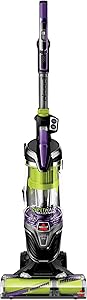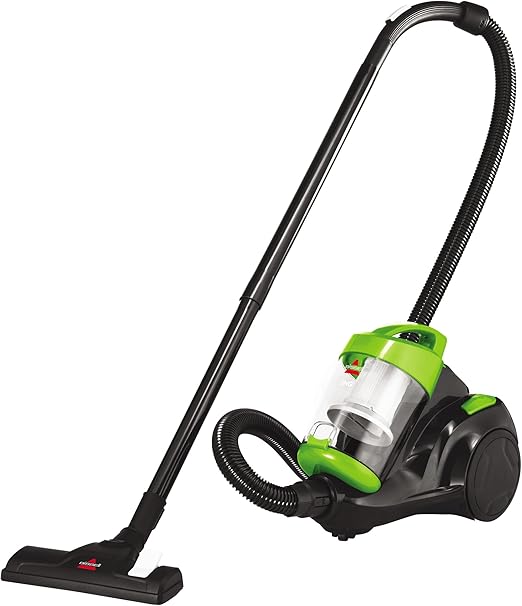







Bissell vs Karcher: Overview & Brand Philosophy
In the competitive landscape of floor care, Bissell and Kärcher represent two fundamentally different engineering philosophies, each shaped by distinct historical origins and regional consumer priorities. Bissell, an American household staple founded in 1876, has concentrated its design ethos on indoor domestic life, particularly homes with companion animals. The Michigan-based manufacturer has built a dominant presence by targeting the chaotic, everyday messes of busy households, establishing itself as the go-to brand for stain removal, carpet deep-cleaning, and multi-surface pet debris management.
Conversely, Germany’s Kärcher, founded in 1935, approaches vacuum technology through the lens of robust industrial design and high-efficiency mechanical engineering. Renowned globally for inventing the modern pressure washer, Kärcher scales that same commercial-grade DNA down to consumer vacuums. Its product development focuses on heavy-duty dust containment, wet-and-dry workshop performance, steam sanitization, and long-term mechanical reliability rather than soft-touch home aesthetics. Where Bissell designs for the living room rug, Kärcher builds for the garage, workshop, and high-traffic hard surfaces.
Key Differences & Technological Comparison
The primary technological divergence between Bissell and Kärcher lies in their structural architecture, airflow engineering, and surface specialization. Bissell heavily leverages mechanical brush roll agitation to separate fibers and loosen debris. Its flagship uprights and upright extractors feature intricate dual-action multi-surface brush rolls, advanced pet hair strainers, and proprietary wet-washing mechanisms—such as the CrossWave series, which dispenses formulated cleaning solution while vacuuming simultaneously. Bissell's engineering prioritizes high mechanical agitation coupled with user conveniences like quick-release brush rolls and specialized pet attachments.
Kärcher, on the other hand, relies primarily on pneumatic power, fluid dynamics, and industrial-grade filtration. In its multi-purpose wet-and-dry vacuums (such as the WD line), Kärcher utilizes direct, unrestricted suction paths paired with pleated flat-fold filter cartridges that allow rapid switching between wet and dry pickup without filter replacement. Kärcher's residential dry vacuums emphasize sealed-system HEPA filtration, low-noise motors, and high static lift over high mechanical agitation. Furthermore, Kärcher incorporates impact-resistant polypropylene canisters and heavy-duty motor housings designed to survive rough environmental conditions that would crack typical domestic consumer plastics.
Pros & Cons Comparison
Bissell: Advantages
- Pet-Centric Design: Superior integration of pet hair management systems, tangle-free brush rolls, and specialized upholstery tools.
- All-in-One Wet/Dry Washing: Market-leading hybrid floor washers (e.g., CrossWave) that vacuum and mop hard floors in a single pass.
- Carpet Deep Cleaning: Industry-standard home carpet extractors capable of lifting embedded organic stains and odors.
- Accessibility: Broad retail availability, readily accessible replacement parts, and widespread customer support across North America.
Bissell: Disadvantages
- Build Quality: Extensive use of lightweight consumer plastics prone to wear, joint snapping, and seal degradation over time.
- Maintenance Overhead: Hybrid wet/dry models require extensive, immediate teardown and manual cleaning to prevent mold and foul odors.
Karcher: Advantages
- Industrial-Grade Durability: Rugged, shock-proof construction built to handle heavy debris, liquid spills, and fine construction dust.
- Exceptional Static Lift: Powerful vacuum motors optimized for pure airflow efficiency and uncompromised suction power.
- Superior Filtration: High-grade filtration systems, including multi-stage steam-assisted vacuums and self-cleaning filter mechanisms.
- Utility Versatility: Seamless operation across basements, garages, patios, construction sites, and bare indoor flooring.
Karcher: Disadvantages
- Limited Soft-Floor Specialization: Lacks dedicated motorized brush rollers on utility models, making standard models less effective on thick carpets.
- Industrial Form Factor: Canister designs can be bulky to store and lack the streamlined, compact aesthetics preferred in standard domestic living spaces.
Performance, Durability & Value Analysis
From a durability perspective, Kärcher holds a distinct advantage in mechanical longevity and component resilience. The brand’s utility vacuums and commercial-grade residential lines employ low-maintenance, high-tolerance motors engineered for prolonged duty cycles under harsh conditions. While Bissell machines offer exceptional out-of-the-box utility, their complex gear assemblies, internal fluid lines, and plastic clips demand higher maintenance and exhibit higher failure rates over a five-year lifecycle. Users demanding a machine that can vacuum broken glass, drywall dust, and pooled water without motor burn-out will find Kärcher’s mechanical execution vastly superior.
When analyzing consumer value, Bissell justifies its price point through functionality, specialization, and convenience. A Bissell machine often eliminates the need for multiple cleaning tools by consolidating a vacuum, mop, and spot-cleaner into a single footprint. Kärcher provides value through raw power, longevity, and versatility across diverse environments. Priced competitively against other European engineering firms, Kärcher offers an unmatched cost-per-year of usable life, whereas Bissell provides a higher immediate return on domestic lifestyle convenience.
Final Verdict: Which Brand Should You Choose?
Choose Bissell if your primary cleaning demands center around traditional domestic living spaces—specifically homes with extensive carpeting, rugs, shedding pets, and routine indoor spills. If you require a unit that can extract muddy paw prints from a living room sofa, deep-clean high-pile wall-to-wall carpets, or wash hard floors in a single step without dragging out a mop and bucket, Bissell’s tailored lifestyle features remain the superior domestic choice.
Choose Kärcher if you prioritize rugged reliability, exceptional suction power, and utility across varied surfaces. If your cleaning scope extends beyond the living room to include garages, workshops, renovations, bare tile/hardwood, and outdoor patios, Kärcher is the clear winner. Homeowners who want a commercial-grade workhorse that withstands heavy abuse, requires minimal mechanical fuss, and excels at heavy wet-and-dry cleanup should invest in Kärcher.
Features
When evaluating the feature ecosystems of Bissell and Kärcher, consumers are met with fundamentally divergent engineering philosophies tailored to entirely different cleaning environments. Bissell heavily focuses on pet-centric, multi-surface home maintenance, equipping its vacuum lineup with lifestyle-driven features. Flagship models, particularly within the CrossWave and CleanView series, boast tangle-free brush rolls, specialized pet hair strainers, integrated Febreze scent filtration, and specialized wet-dry dual-action engineering that washes and vacuums sealed floors simultaneously. Many Bissell uprights also integrate cyclonic spooling systems that magnetically or mechanically compress debris for touchless disposal. These technical additions directly target high-traffic suburban homes, focusing on user convenience, odor control, and the seamless transition between low-pile carpeting and hard flooring via specialized electronic surface toggles and motorized brush-roll shutoffs.
Conversely, Kärcher prioritizes industrial-grade utility, robust fluid mechanics, and specialized utility features derived from its commercial pressure-washing and wet/dry extraction heritage. Rather than cosmetic or pet-focused novelties, Kärcher vacuums—such as the WD (Wet and Dry) and VC series—emphasize high-efficiency airflow architectures, semi-automatic or fully automatic tactile filter-cleaning systems (like Tact), and heavy-duty, blow-molded bypass motor enclosures capable of processing fine drywall dust as effortlessly as standing water. The feature set leans heavily into technical resilience: flat pleated cartridge filters that allow seamless switching between wet and dry pickup without filter removal, integrated electrical tool take-off sockets with automatic on/off switching for dust extraction, and reverse-airflow blower modes. While Kärcher lacks the delicate carpet-grooming micro-features of Bissell, its engineering guarantees superior volumetric suction power and unmatched versatility for heavy-duty household, workshop, and garage tasks.
The practical trade-offs between the two brands rest entirely on your specific household cleaning demands. Bissell’s feature profile offers greater out-of-the-box convenience for residential deep carpet cleaning and day-to-day pet messes, delivering purpose-built tools, self-cleaning storage trays, and automated liquid dispensing. However, these intricate residential features come with maintenance friction; Bissell units feature complex internal ducting and brush housings that demand frequent disassembly to prevent clogs and mildew. Kärcher, by contrast, trades ergonomic finesse and specialized carpet agitating heads for bulletproof mechanical reliability, massive canister capacities, and exceptional utilitarian versatility. For homes dominated by carpeted living spaces and pet shedding, Bissell’s targeted residential feature suite is vastly superior, whereas Kärcher represents the technical choice for users requiring unyielding suction power, rugged construction, and whole-property utility from the basement to the patio.
Performance
When evaluating raw cleaning performance, Bissell and Kärcher approach suction and agitation from fundamentally different engineering philosophies. Bissell focuses heavily on residential carpet maintenance and biological stain removal. Their machines—particularly within the CleanView, CrossWave, and ProHeat lines—utilize high-torque, multi-surface brush rolls engineered to mechanically lift pet hair, dander, and deep-seated debris from carpet fibers. Bissell's dual-action wet-and-dry technologies combine strong fluid dispersion with high-velocity dirty-water extraction, yielding exceptional performance on heavily trafficked residential flooring. However, their reliance on mechanical agitation means their dry suction power on bare, uneven surfaces can occasionally suffer from scatter, and their air-watt ratings generally sit in the middle consumer tier rather than the high industrial range.
Kärcher, originating from a heavy-duty commercial and pressure-washing heritage, engineers its vacuums with an emphasis on pure pneumatic performance, massive airflow (CFM), and static water-lift capability. Whether analyzing their WD (Wet and Dry) multi-purpose units or the VC dry vacuum series, Kärcher prioritizes industrial-grade bypass motors and highly optimized fluid-dynamic pathways. This translates to relentless, sustained suction that excels at capturing dense materials, fine construction dust, and high-volume liquid spills that would choke standard domestic units. However, because Kärcher primarily employs passive suction heads rather than motorized, aggressive beater brushes on their standard utility units, their sheer mechanical agitation on deep-pile carpets lags behind Bissell's targeted domestic designs, requiring specialized floor-tool attachments to achieve comparable fiber agitation.
Ultimately, the practical trade-off in performance hinges on the type of debris and the domestic environment in question. Bissell delivers superior performance for typical suburban households dominated by pet hair, plush carpets, and surface-level food spills, where motorized brush dynamics and active detergent injection are paramount. Conversely, Kärcher represents the superior engineering choice for uncompromising raw suction, sustained duty cycles, and workshop-level particulate extraction across hard floors and utility surfaces. While Bissell maximizes deep-fiber hygiene through mechanical agitation, Kärcher dominates in pure suction volume, continuous airflow efficiency, and broad-spectrum debris management.
Design
When evaluating design engineering, Bissell and Kärcher approach the vacuum cleaner category from fundamentally different philosophical backgrounds. Bissell, a staple of the North American domestic market, crafts its appliances with an explicit focus on family-centric, multi-surface home maintenance. Its design language is defined by complex, highly specialized internal architecture, particularly evident in its dual-tank systems and specialized brush rolls engineered to prevent pet hair wrapping. Bissell excels at aesthetic consumer styling and ergonomic handle integration, frequently adopting transparent casings that allow users to monitor dirt collection and fluid levels in real time. However, this focus on hyper-specialized consumer features often introduces intricate plastic assemblies, latches, and mechanical junctions that, while visually approachable and functionally intuitive for everyday users, can present long-term vulnerabilities under heavy physical stress.
Conversely, German-engineered Kärcher operates with an industrial-grade design ethos that prioritizes structural minimalism, durability, and raw mechanical efficiency. Instantly recognizable by its utilitarian yellow-and-black aesthetic, Kärcher’s vacuums lean heavily on commercial heritage. The technical strengths of Kärcher’s design lie in its robust polypropylene impact-resistant housing, simplified fluid paths, and high-tolerance motor integration that maximize suction power through streamlined internal aerodynamics. Rather than incorporating specialized, high-part-count mechanisms, Kärcher utilizes standardized, heavy-duty components such as oversized bumper rings, rugged caster wheels designed for multidirectional transit, and robust bypass-cooling motors. The trade-off to Kärcher’s rugged industrial design is a lack of high-touch household conveniences; their machines often forgo the swivel steering, integrated cord retractors, and micro-engineered specialized attachments that make Bissell remarkably agile inside cluttered modern living spaces.
Ultimately, the design trade-off between the two brands centers on specialized domestic convenience versus modular, heavy-duty longevity. Bissell’s technical strength lies in user-centric ergonomics—integrating smart controls, lightweight materials, and multi-functional cleaning paths into sleek, household-friendly profiles tailored for deep-cleaning carpets and tackling biological messes. Kärcher, by contrast, wins on structural resilience, modular serviceability, and intuitive, low-failure mechanics that withstand intense, prolonged use across hard floors, workshops, and large open areas. Consumers prioritizing intuitive domestic features, pet-specific innovations, and sleek storage will find Bissell’s design superior, whereas those valuing mechanical simplicity, repairability, and commercial-grade impact resistance will favor Kärcher’s industrial approach.