In the symphony of audio excellence, two illustrious names command center stage, each boasting its own unique blend of innovation, craftsmanship, and sonic mastery. Bose and Yamaha have long been esteemed pillars in the world of audio, captivating enthusiasts with their distinct approaches to sound reproduction and design. Yet, for those seeking to compose their perfect auditory experience, the choice between Yamaha and Bose speakers can be a melodious quandary. Join us as we dissect the distinctive attributes of each brand, embarking on a journey to unravel the nuances of Bose and Yamaha speakers, guiding you toward the harmonious resonance that best suits your sonic preferences.
Bose Speakers
Engineering Elegance, Sonic Serenity For decades, Bose has epitomized the pursuit of audio perfection, blending advanced technology with sophisticated design to create immersive soundscapes that enrapture the senses. Revered for their unparalleled sound quality and sleek aesthetics, Bose speakers have become synonymous with premium audio experiences that transcend expectations.
Yamaha Speakers
Precision Engineering, Sonic Precision Yamaha, renowned for its legacy of craftsmanship and innovation, has carved a niche in the audio industry with its commitment to sonic excellence and technical prowess. From concert hall-quality sound systems to versatile home entertainment solutions, Yamaha speakers embody the brand's dedication to delivering immersive audio experiences that resonate with listeners.
Product Selection
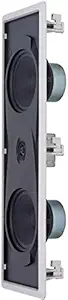
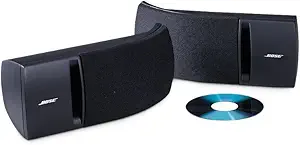
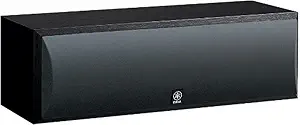
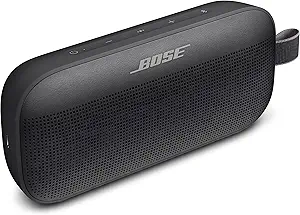
Yamaha and Bose are both renowned brands in the audio equipment industry, each offering a wide selection of speakers with varying features, designs, and price points. Yamaha's product selection is quite diverse, ranging from bookshelf speakers, floor standing speakers, in-wall speakers, to outdoor speakers and more. They also offer a range of soundbars and home theater systems. Yamaha's latest technology includes MusicCast, a wireless multi-room audio system that allows you to control all your music with a simple app. This system can be found in many of their speakers, providing a seamless and high-quality audio experience. On the other hand, Bose's product selection is also expansive, but they are particularly known for their portable Bluetooth speakers and home theater sound systems. Bose's latest technology includes the QuietPort technology and Direct/Reflecting series II technology, which are designed to deliver excellent sound quality in a compact design. Bose speakers are often praised for their sleek design and powerful, clear sound. However, some users have reported that Bose speakers can be quite expensive compared to other brands offering similar features. Comparatively, Yamaha speakers are often lauded for their excellent sound quality and value for money, but some users have noted that their designs can be somewhat traditional and less modern than some competitors.
Affordability
When comparing the price aspect of Yamaha and Bose speakers, it is evident that both brands offer a range of products to cater to different budgetary requirements. Yamaha speakers are generally known for their affordability, especially for those who are just starting out or are on a tight budget. They provide a good balance of sound quality and price, making them a popular choice for many consumers. Yamaha's latest models, such as the Yamaha NS-333 2-Way Bass Reflex Bookshelf Speakers, are competitively priced and offer advanced technology such as the Acoustic Dispersion Prism System, which enhances the overall sound performance. On the other hand, Bose speakers are often considered a premium brand in the audio equipment industry. They are typically priced higher than Yamaha speakers, but they are also known for their superior sound quality, innovative features, and durability. For instance, the Bose Home Speaker 500, one of their latest models, comes with built-in voice control from Amazon Alexa and Google Assistant, Wi-Fi and Bluetooth connectivity, and a color LCD display. These advanced features justify its higher price point. However, it's worth noting that while Bose speakers offer exceptional sound quality and features, they may not be the best choice for consumers on a tight budget. Compared to other brands in the market, both Yamaha and Bose speakers offer value for money in their respective price categories.
Quality/Durability
Yamaha and Bose are both reputable brands in the audio equipment industry, known for their high-quality speakers. When it comes to durability, Yamaha speakers are built to last, using robust materials that can withstand regular use and even some rough handling. Some of their latest models, such as the Yamaha NS-333, feature solidly built cabinets and high-quality components that ensure long-term durability. However, they might not be as resistant to environmental factors like moisture and dust as some other brands. On the other hand, Bose speakers are renowned for their durability and longevity. They are designed with the latest technology and premium materials that make them resistant to wear and tear. For instance, the Bose SoundLink Revolve+ II, one of their latest models, is water-resistant and built with a high-quality aluminum body that can handle a fair amount of abuse. However, Bose speakers generally come at a higher price point compared to Yamaha and other brands, which might be a downside for some consumers. Overall, both brands offer durable and quality speakers, but Bose seems to have a slight edge in terms of resistance to environmental factors, while Yamaha offers better value for money.
Sound Quality
Yamaha and Bose are two prominent brands in the speaker industry, both renowned for their sound quality. Yamaha speakers, particularly the NS-333 2-Way Bass Reflex Bookshelf Speakers, are equipped with a 5-inch PMD cone woofer and a 1-inch aluminum dome tweeter that deliver a rich, balanced sound output. The speakers utilize Yamaha's Advanced PMD cone woofer design and Monster Cable internal wiring, ensuring high-quality audio performance with clear, full-bodied vocals and precise instrument reproduction. However, some users have noted that Yamaha speakers may lack a bit in the bass department. On the other hand, Bose speakers, especially the SoundLink Revolve+ Portable & Long-Lasting Bluetooth 360 Speaker, are known for their impressive sound quality as well. They feature a high-efficiency transducer for full-range sound and dual-passive radiators for deep lows with no unwanted vibrations. A unique aspect of Bose speakers is their 360-degree sound technology, which provides uniform coverage throughout the room. Bose speakers are also praised for their deep, immersive bass. However, Bose speakers tend to be on the pricier side, and some users have reported issues with the longevity of the product. Compared to Yamaha, Bose speakers may offer a slightly better sound quality, particularly in terms of bass output, but at a higher price point.
Conclusion
Yamaha and Bose are both renowned brands in the audio industry, each with their own strengths when it comes to speakers. Yamaha speakers are known for their sound quality and durability, often incorporating the latest audio technologies such as MusicCast for multi-room audio and Advanced YST II (Yamaha Active Servo Technology II) for enhanced bass. They are often praised for their balanced sound profile, making them suitable for a wide range of music genres. However, they can be on the larger side, which may not be ideal for those with space constraints. On the other hand, Bose speakers are lauded for their sleek design and compact size, making them ideal for those who prioritize aesthetics and space-saving. They also incorporate cutting-edge technologies such as QuietPort technology for distortion-free bass and Bose SimpleSync for synchronizing with other Bose products. While they deliver clear and detailed sound, some users have noted that they may lack the depth of bass that Yamaha speakers provide. In comparison to other brands, both Yamaha and Bose offer high-quality speakers, but the choice between the two often comes down to personal preference and specific needs.