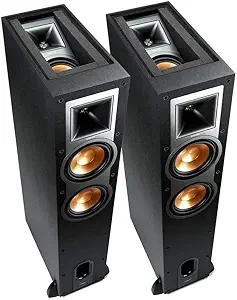
Klipsch vs Amazon: Overview & Brand Philosophy
When evaluating the modern loudspeaker market, Klipsch and Amazon occupy radically different positions born from contrasting corporate philosophies. Founded in 1946 by audio pioneer Paul W. Klipsch, the American brand has spent nearly eight decades engineering high-fidelity acoustic hardware. Klipsch's philosophy is rooted in acoustic purism, high efficiency, wide dynamic range, and low distortion. The company focuses primarily on the emotional resonance of sound reproduction, designing passive and powered loudspeakers, soundbars, and subwoofers aimed at audiophiles, home theater enthusiasts, and serious music lovers who view audio equipment as an enduring investment.
Conversely, Amazon entered the speaker space in 2014 as a disruptor with its Echo line, fundamentally redefining the category around cloud computing, ambient intelligence, and voice UI. Amazon’s hardware philosophy does not originate from acoustic perfection, but rather from functional ubiquity. For Amazon, a speaker is an interactive portal into the Alexa ecosystem, smart home control, automated assistance, and streaming micro-services. While higher-end units like the Echo Studio demonstrate capable engineering, Amazon treats speakers as accessible consumer electronics meant to streamline daily routines rather than dedicated instruments for critical listening.
Ultimately, this comparison highlights the divide between traditional acoustic craftsmanship and the modern, connected smart home. Klipsch designs speakers to make you feel like you are standing in front of a live stage, prioritizing hardware excellence, premium cabinet materials, and proprietary acoustic engineering. Amazon designs speakers to answer questions, manage your household devices, and play casual background audio with zero friction, offering a software-first approach that trades audiophile nuances for digital convenience.
Key Differences & Technological Comparison
The technological gap between Klipsch and Amazon is vast, defined by their differing approaches to driver design, amplification, connectivity, and digital signal processing (DSP):
- Acoustic Architecture and Driver Design: Klipsch is world-renowned for its proprietary Tractrix® horn-loaded technology. By pairing horn geometries with lightweight, rigid drivers like spun-copper Cerametallic™ or Thermoformed Crystalline Polymer (TCP) woofers, Klipsch speakers maximize acoustic output while minimizing amplifier strain and cone breakup. Amazon, on the other hand, utilizes compact, traditional direct-radiating drivers combined with passive bass radiators and multi-directional tweeters (as seen in the Echo Studio). Amazon relies heavily on heavy digital signal processing (DSP) to push small drivers past their natural acoustic limits.
- Intelligence and Ecosystem Integration: Amazon dominates smart connectivity. Powered by the Alexa platform, Echo speakers offer seamless far-field voice recognition, automated routines, Zigbee/Matter/Thread hub integration, and multi-room audio synchronization across diverse third-party endpoints. Klipsch traditionally focuses on hardwired connections—such as speaker binding posts, RCA line inputs, optical inputs, and high-resolution USB-DACs. While Klipsch does produce Bluetooth speakers and Wi-Fi-enabled streaming systems, their smart capabilities are typically limited and often rely on external platforms (AirPlay 2, Chromecast) rather than native voice processing.
- Materials, Construction, and Aesthetics: Klipsch enclosures are typically crafted from high-density MDF wrapped in genuine wood veneers or textured vinyl, with magnetic grilles and visible copper-toned components that exude mid-century, industrial sophistication. Amazon Echo devices feature utilitarian, minimalist designs wrapped in recycled acoustic fabrics and plastics, built to blend invisibly into modern home decor rather than command visual attention as furniture pieces.
- Amplification and Upgradability: The majority of Klipsch’s portfolio consists of passive speakers that pair with discrete AV receivers, dedicated power amplifiers, and external DACs, allowing enthusiasts to continuously upgrade their signal chain over decades. Amazon Echo speakers are strictly closed-box active systems: the DAC, digital amplifier, and drivers are integrated into a single, non-serviceable plastic shell with no path for physical upgrades.
Pros & Cons Comparison
Klipsch: Pros & Cons
- Pro: Exceptional Dynamic Range: Horn-loaded drivers deliver class-leading sensitivity, micro-detail, and low distortion even at high volumes.
- Pro: Premium Build Quality: Built to last for decades, utilizing robust MDF cabinetry, rigid driver materials, and premium finishes.
- Pro: System Versatility: Vast catalog spanning passive stereo pairs, Dolby Atmos floorstanders, architectural speakers, and powered desktop monitors.
- Con: Polarizing Sound Profile: The characteristic "horn sound" delivers bright, energetic highs that some listeners find fatiguing during extended sessions.
- Con: Higher Barrier to Entry: Significantly more expensive, often requiring supplementary audio gear like receivers, subwoofers, and dedicated cabling.
Amazon: Pros & Cons
- Pro: Unmatched Smart Integration: Flawless integration with the Alexa voice ecosystem, smart home appliances, and voice-driven media playback.
- Pro: Highly Accessible Pricing: Entry-level models provide voice assistance and background listening for a fraction of the cost of traditional speakers.
- Pro: Spatial Room Adaptation: Select models like the Echo Studio automatically analyze room acoustics and adjust DSP calibration on the fly.
- Con: Compressed, Limited Soundstage: Even high-end models lack the true physical separation, soundstage depth, and dynamic clarity of traditional stereo monitors.
- Con: Hardware Obsolescence: Relies entirely on cloud connectivity, proprietary software updates, and Wi-Fi networks, which can render hardware obsolete over time.
Performance, Durability & Value Analysis
From an acoustic performance standpoint, there is no contest: Klipsch operates on a fundamentally higher tier. In stereo separation, soundstage depth, tonal accuracy, and transient response, even Klipsch’s entry-level Reference series outclasses Amazon’s flagship smart speakers. Klipsch speakers handle complex orchestral passages, heavy rock transients, and subtle jazz acoustics with precision, preserving the dynamic impact envisioned by recording engineers. Amazon speakers provide pleasing, bass-rich sound suitable for podcasts, casual background listening, and casual pop playlists, but they compress complex frequencies when pushed to higher volumes and lack the spatial imaging of true dual-cabinet speaker setups.
When considering durability and long-term value, the calculation depends on the expected lifespan of your investment. A passive pair of Klipsch speakers purchased today will still function flawlessly thirty or forty years from now, requiring only an updated amplifier or receiver to adapt to future media formats. Amazon devices, while sturdily built for countertop electronics, suffer from rapid digital aging. Changes in cloud architecture, deprecated wireless protocols, or discontinued software support can reduce an Echo speaker's utility within five to eight years. However, Amazon delivers immediate, short-term value per dollar: an Echo Dot or standard Echo provides a smart hub, an intercom, and an everyday audio player at an impulse-buy price point.
Final Verdict: Which Brand Should You Choose?
Choosing between Klipsch and Amazon depends entirely on whether your priority is acoustic fidelity or modern lifestyle convenience.
Choose Klipsch if:
- You are building a dedicated home theater, hi-fi stereo setup, or serious turntable listening station.
- You prioritize pure, uncompressed acoustic performance, room-filling dynamics, and pinpoint instrumental separation.
- You want an enduring, heirloom-quality audio investment that will remain functional for decades without relying on software updates or cloud services.
Choose Amazon if:
- Your primary goal is home automation, hands-free voice assistance, timers, and smart device control.
- You need an affordable, compact, all-in-one speaker for casual background listening in the kitchen, bedroom, or office.
- You want hassle-free multi-room audio deployment on a strict budget, without dealing with speaker wire, external receivers, or complex acoustic calibration.
Product Selection
When evaluating product selection between Klipsch and Amazon, consumers are presented with two radically divergent brand philosophies: high-fidelity acoustic craftsmanship versus smart-home ecosystem ubiquity. Klipsch boasts an expansive catalog tailored meticulously for audiophiles, home theater enthusiasts, and casual listeners alike. Its portfolio spans traditional floorstanding and bookshelf speakers (such as the Reference and Reference Premiere series), architectural in-wall and in-ceiling monitors, dedicated subwoofers, active powered monitors, soundbars, and vintage-aesthetic Heritage series components. From an engineering standpoint, Klipsch optimizes for raw acoustic physics—employing proprietary Tractrix horn-loaded tweeters, copper-spun Cerametallic woofers, and robust MDF enclosures to maximize sensitivity, dynamic range, and tonal accuracy. The trade-off is inherent physical footprint, premium pricing tiers, and the frequent need for outboard amplification or complex multi-channel AV receivers, representing a dedicated investment in dedicated sonic performance.
Conversely, Amazon’s speaker catalog—anchored by the Echo line—is deliberately streamlined, consumer-centric, and dominated by intelligent utility rather than acoustic purism. Amazon’s selection revolves around compact, plug-and-play smart speakers such as the Echo Dot, standard Echo, Echo Pop, and the higher-tier Echo Studio, alongside smart display hybrid units like the Echo Show series. Where Klipsch emphasizes passive acoustic engineering and broad frequency response, Amazon channels its technical prowess into micro-acoustics, beamforming microphone arrays, computational audio, and seamless software integration. The technical strength of Amazon’s lineup rests in automated room-calibration algorithms and voice-driven, cross-device IoT interoperability powered by Alexa. However, the practical limitation is severe hardware rigidity; Amazon offers virtually no passive components, no true component-based surround infrastructure (beyond basic wireless linking of a few subwoofers and Echo units), and no solutions engineered for large-scale, high-SPL theater installations.
Ultimately, the breadth of selection mirrors each brand's target demographic and core competencies. Klipsch provides an exhaustive, modular assortment that allows users to engineer highly customized, long-lasting listening environments, scaling from desktop analog setups to 11.2-channel Dolby Atmos configurations. Amazon delivers an accessible, highly standardized portfolio designed to democratize voice control and ambient multi-room streaming with minimal setup friction. While Klipsch provides a comprehensive catalog that addresses the nuanced physical and technical demands of high-end acoustic reproduction, Amazon presents a focused, smart-first lineup where physical speaker variety is purposefully traded for software sophistication and ecosystem convenience.
Affordability
When evaluating affordability in the speaker category, Amazon and Klipsch operate on fundamentally different business and engineering models. Amazon's Echo lineup represents the absolute baseline of accessible consumer audio, engineered primarily as an affordable gateway into ambient smart home integration and the Alexa ecosystem. By utilizing high-volume manufacturing, standard dynamic drivers, and plastic acoustic enclosures, Amazon keeps retail prices exceptionally low, often heavily discounting devices during seasonal sales. In contrast, Klipsch approaches affordability through the lens of entry-level audiophile performance. While Klipsch offers relatively accessible desktop and bookshelf lines, such as the ProMedia and Reference series, their entry price points still dwarf Amazon’s. Klipsch justifies this premium with superior acoustic engineering, incorporating proprietary Tractrix horn technology, copper-spun thermoformed crystalline polymer (TCP) woofers, and rigid MDF cabinets designed to maximize acoustic efficiency and minimize distortion.
The trade-offs between the two brands illustrate the divergence between smart utility and pure fidelity per dollar spent. Amazon delivers unbeatable digital value for budget-conscious buyers; an Echo speaker packs integrated multi-room Wi-Fi streaming, automated room-calibration acoustics, Bluetooth connectivity, and smart home hub functionality into a sub-hundred-dollar footprint. However, from a technical audio perspective, Amazon speakers struggle with dynamic range, bass articulation, and stereo separation due to their compact, sealed digital architecture. Klipsch compromises on built-in software conveniences to maximize physical acoustic output. A budget Klipsch setup often requires external amplification, cabling, and dedicated physical space, which increases the total cost of ownership. Yet, dollar-for-dollar in pure mechanical engineering, Klipsch yields vastly superior sound pressure levels (SPL), micro-detail resolution, and true stereo imaging that compact all-in-one smart speakers cannot replicate.
Ultimately, determining the more "affordable" brand depends on how a consumer measures long-term value against upfront cost. For casual listeners, smart home adopters, and spaces like kitchens or bedrooms, Amazon provides an all-in-one, low-risk investment with virtually zero setup barrier. Conversely, for listeners seeking authentic high-fidelity sound for music and home theater, Klipsch offers a higher threshold of true acoustic value. Klipsch speakers boast far greater longevity, maintaining their performance and physical durability for decades without suffering from the software obsolescence or privacy concerns that inherently cap the lifecycle of smart devices, making Klipsch a more financially sustainable choice for audio enthusiasts over time.
Quality/Durability
When evaluating build quality and long-term durability, Klipsch and Amazon occupy fundamentally different spaces in the speaker market, dictated by their contrasting design philosophies. Klipsch brings nearly eight decades of audiophile heritage to its construction, utilizing premium, acoustically optimized materials like real wood veneers, brushed polymer finishes, and proprietary spun-copper Cerametallic woofers. Engineered to withstand decades of heavy acoustic vibration without enclosure distortion, Klipsch speakers—ranging from their Reference and Heritage lines to active powered monitors—feature robust internal bracing and heavy-duty MDF cabinets. Amazon, conversely, constructs its Echo and Studio line with functional, mass-market consumer electronics in mind. While modern Echo devices boast solid engineering with recycled plastics, aluminum internal frames, and tightly woven antimicrobial acoustic fabrics, they are primarily utility-first smart home hubs rather than acoustic-first instruments. In a physical resilience test, Klipsch cabinets easily outlast the consumer-grade plastics and snag-prone fabric grilles typical of the Amazon Echo ecosystem.
The technical lifespan and functional durability between these two brands diverge even more sharply than their exterior materials. Klipsch passive speakers represent essentially timeless engineering; devoid of delicate processing chips or built-in connectivity protocols that can become obsolete, a quality Klipsch cabinet paired with high-efficiency Tractrix horn drivers can maintain peak fidelity for 20 to 30 years with simple crossover upkeep. Even Klipsch’s powered models feature discrete, high-grade analog amplification designed for field repairability. In stark contrast, Amazon speakers are inextricably tied to the rapid obsolescence cycles of digital software and cloud services. An Amazon Echo’s lifespan is governed by Wi-Fi standards, Bluetooth module wear, internal microprocessors, and most critically, ongoing server-side software support for Alexa. If Amazon ends firmware updates or sunsets a protocol, the speaker's core value diminishes rapidly, regardless of whether the physical dynamic transducers remain functional.
Ultimately, the quality and durability trade-offs come down to specialized acoustic longevity versus affordable, disposable smart convenience. Choosing Klipsch is an investment in mechanical reliability, structural density, and modular audio durability, where the only real vulnerability lies in potential cosmetic scratching of the wooden chassis or dust buildup on delicate tweeters if left exposed. Amazon offers surprising physical durability against casual indoor drops and a remarkably tight assembly quality at a fraction of the cost, but consumers must accept that these speakers possess an intentional technological expiration date. For long-term endurance, high-SPL structural integrity, and generational quality, Klipsch thoroughly outclasses Amazon; however, for consumers seeking cost-effective, weather-resistant smart utility that survives a standard 3-to-5-year consumer tech upgrade cycle, Amazon’s automated manufacturing and tight tolerances provide adequate, purpose-built resilience.
Sound Quality
When evaluating sound quality, Klipsch and Amazon represent two entirely different engineering philosophies: dedicated high-fidelity acoustic reproduction versus algorithmic, convenience-first audio processing. Klipsch brings nearly eight decades of audiophile heritage to the table, anchored by proprietary acoustic engineering. Central to the Klipsch sound profile is their patented Tractrix horn-loaded technology, paired with lightweight, rigid Cerametallic or spun-copper woofers. This mechanical design maximizes acoustic efficiency, minimizes distortion at elevated output levels, and yields exceptional high-frequency micro-detail and dynamic range. Listeners experience crisp, energetic highs and punchy, tight mid-bass with expansive soundstaging and physical presence. Conversely, Amazon designs its Echo smart speaker lineup with a focus on room-filling dispersion and computational audio. Utilizing compact, full-range neodymium drivers, upward-firing tweeters, and custom DSP (digital signal processing), Amazon relies heavily on software tuning to compensate for inherently limited physical cabinet volumes, delivering a sound signature that favors vocal intelligibility and warm, consumer-friendly bass over clinical precision.
The technical capabilities and practical compromises between the two brands sharply define their respective ideal environments and applications. High-end Amazon offerings, such as the Echo Studio, leverage sophisticated spatial audio engines, multi-driver arrays, and automatic room calibration microphones to adapt their EQ curve to the room’s boundaries on the fly, creating an impressively wide sweet spot for casual ambient listening. However, Amazon speakers hit clear physical limitations when driven to higher volumes; DSP compression aggressively rolls off the low-end to prevent driver distortion, resulting in a congested, muddy midrange and subdued dynamic headroom. Klipsch, whether in their passive hi-fi towers or powered active monitors like the "The Fives" and "The Nines," relies on massive physical enclosures, large magnets, and discrete amplification rather than aggressive DSP limiting. The trade-off is that Klipsch’s brighter, forward "American rock" sound signature can cause auditory fatigue in untreated, reflective rooms if paired poorly, while lacking the automatic acoustic room-correction features standard in Amazon's hardware.
Ultimately, the choice in sound quality hinges on fidelity expectations versus contextual utility. For critical listening, dedicated home theater setups, and high-resolution playback, Klipsch vastly outperforms Amazon, delivering nuanced instrumental separation, rich timbral accuracy, and virtually zero harmonic distortion at high SPLs. Amazon remains heavily optimized for secondary listening zones—such as kitchens, bedrooms, and home offices—where clear voice projection for podcasts and background pop music take precedence over transient speed and stereo imaging. While Amazon achieves remarkable tonal balance for mass-market smart hardware, Klipsch remains the definitive acoustic choice for true high-fidelity audio performance.