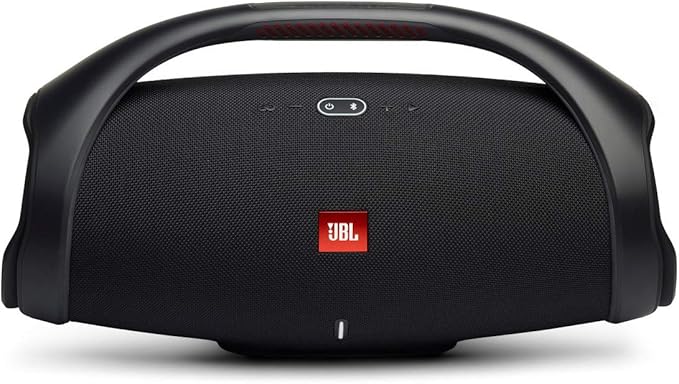






JBL vs Audio Pro: Overview & Brand Philosophy
When evaluating the contemporary speaker landscape, few matchups illustrate the division between mass-market acoustic engineering and Scandinavian minimalist hi-fi as clearly as JBL versus Audio Pro. JBL, a cornerstone of the American audio industry founded by James B. Lansing in 1946 and now operating under the Harman/Samsung umbrella, builds speakers rooted in live-sound heritage. The brand's philosophy centers on high-efficiency output, robust structural design, and an energetic, dynamic sound signature designed to perform across diverse, challenging environments—from professional concert arenas to outdoor gatherings.
In contrast, Swedish manufacturer Audio Pro has approached sound reproduction from an architectural and domestic perspective since 1978. Emerging from the development of patented subwoofer technology, the brand focuses on extracting expansive, precise bass and balanced acoustic reproduction from compact, design-forward enclosures. Audio Pro’s philosophy treats the speaker as an integrated piece of modern interior furniture, prioritizing materials like textured fabric, genuine leather, and solid aluminum while adhering to a more linear, neutral Nordic tuning aesthetic.
While JBL has dominated the global consumer market by perfecting portable, rugged, and IP-rated Bluetooth devices, Audio Pro has cultivated a devoted following among design-conscious audiophiles and multi-room home audio enthusiasts. Understanding the divergent DNA of these two brands is essential: JBL engineers tools for dynamic versatility and active lifestyle durability, whereas Audio Pro crafts precision-tuned lifestyle instruments optimized for acoustic transparency within modern living spaces.
Key Differences & Technological Comparison
The technical divergence between JBL and Audio Pro centers on acoustic design choices, wireless connectivity infrastructure, and material selection. JBL relies heavily on proprietary acoustic technologies like dual passive radiators, racetrack-shaped drivers, and heavy-duty silicone/fabric housings. Conversely, Audio Pro leverages advanced digital signal processing (DSP), class-D amplification, and its heritage ACE-Bass (Amplifier Controlled Euphonic Bass) topology to deliver controlled lower frequencies without demanding cavernous cabinet volumes.
Connectivity protocols represent a fundamental dividing line. JBL’s portable ecosystem primarily leverages standard Bluetooth along with proprietary pairing ecosystems—transitioning from PartyBoost to the latest Auracast-enabled architectures. These solutions optimize peer-to-peer linking for ad-hoc party setups without needing an active internet connection. Audio Pro, while supporting Bluetooth, focuses heavily on networked home integration. Its speakers frequently incorporate Wi-Fi multi-room streaming, Apple AirPlay 2, Google Cast, Spotify Connect, and Tidal Connect, enabling uncompressed high-resolution audio transmission across entire residential spaces.
Build philosophy also highlights their distinct market segments. JBL employs injection-molded rubber bumpers, high-density thermoplastic shells, and IP67-rated waterproof and dustproof textiles designed to withstand water submersion, sand, and accidental drops. Audio Pro utilizes rigid MDF enclosures finished in satin paint, embossed faux leather handles with solid brass accents, and acoustically transparent woven cloth grilles. While an Audio Pro speaker will degrade quickly if exposed to outdoor moisture, its wooden cabinet offers superior internal damping, suppressing unwanted acoustic resonance far more effectively than portable plastic enclosures.
Pros & Cons Comparison
JBL: Advantages
- Class-Leading Durability: Industry-standard IP67/IP68 weatherproofing allows exposure to rain, pool submersion, and outdoor dirt.
- Dynamic Sound Signature: Punchy, low-end presence and high SPL (Sound Pressure Level) output that does not distort at elevated volumes.
- Battery Longevity: Robust lithium-ion cells optimized for long playtimes, often featuring powerbank capabilities to charge external mobile devices.
- Widespread Availability & Support: Massive global footprint ensuring straightforward warranty handling, replacement parts, and accessory availability.
JBL: Drawbacks
- Tuning Lacks Neutrality: Sound profile is often V-shaped, pushing bass and upper trebles at the expense of midrange vocal accuracy and acoustic realism.
- Utilitarian Aesthetics: Bold branding, bright color palettes, and ruggedized chassis can clash with refined residential interiors.
Audio Pro: Advantages
- Acoustic Fidelity & Imaging: Balanced, near-reference frequency response with tight, musical bass and clear, uncolored midrange reproduction.
- Comprehensive Streaming Ecosystem: Native support for Wi-Fi, AirPlay 2, Google Cast, and multi-room management alongside Bluetooth.
- Furniture-Grade Build: Sophisticated Scandinavian styling utilizing premium materials that integrate seamlessly into home decor.
- Analog Versatility: Frequent inclusion of physical RCA inputs, 3.5mm auxiliary jacks, and dedicated external subwoofer line-outs.
Audio Pro: Drawbacks
- Limited Environmental Protection: Most models lack IP water-resistance ratings, restricting use strictly to indoor spaces.
- Niche Portability: Even portable battery-powered variants (such as the T3+ or A10) prioritize indoor domestic transport over rugged outdoor handling.
Performance, Durability & Value Analysis
From an acoustic performance standpoint, both brands excel within their target operating parameters. JBL is engineered for high-energy playback where projection and low-frequency impact are critical. At high volume levels outdoors or in open spaces, JBL products maintain their composure without thermal throttling or noticeable mechanical driver distress. However, critically listening to intricate classical or acoustic jazz tracks reveals the limits of JBL’s DSP tuning, which can compress complex soundstages and smear fine micro-details. Audio Pro, by contrast, operates with the precision of a compact studio monitor. Its bass is fast, articulate, and devoid of the artificial cabinet bloat common in consumer Bluetooth speakers. Midrange timbre—particularly strings, pianos, and vocals—displays authentic warmth and dynamic headroom when fed lossless signals over a Wi-Fi connection.
When assessing durability and overall value proposition, the purchase context is the primary factor. JBL represents exceptional utility per dollar spent if the criteria involve survivability, daily commuting, and travel versatility. A JBL speaker will routinely survive years of drops, poolside exposure, and rough transit with negligible impact on functionality. Audio Pro represents a different value model: high-end home integration that rivals premium lifestyle brands like Bang & Olufsen and Sonos, often at a significantly lower entry price. While you sacrifice weather resistance with Audio Pro, the return on investment comes in interior aesthetics, hi-fi component longevity, and high-resolution home streaming fidelity that preserves signal integrity far beyond typical consumer-grade equipment.
Final Verdict: Which Brand Should You Choose?
Selecting between JBL and Audio Pro ultimately comes down to whether your listening needs are mobile and active, or stationary and critical:
- Choose JBL if: You require an indestructible, travel-ready audio solution for the beach, camping, patio use, or daily commutes. JBL is ideal for listeners who favor contemporary pop, hip-hop, or electronic music, and who prioritize high maximum volume, extensive battery life, and complete water and dust immunity over analytical audio accuracy.
- Choose Audio Pro if: You are seeking an elegant home audio solution that seamlessly combines modern interior aesthetics with genuine hi-fi acoustics. Audio Pro is the superior option for homeowners seeking multi-room synchronization, AirPlay 2 integration, and a transparent, balanced listening experience across vocal-heavy, acoustic, and classical genres where nuanced sound reproduction is paramount.
Product Selection
When evaluating product selection, JBL demonstrates an expansive, mass-market catalog engineered to dominate nearly every consumer audio tier, whereas Audio Pro executes a tightly curated, design-forward portfolio centered on home integration. JBL’s engineering ecosystem encompasses everything from utilitarian ultra-portables like the Clip and Flip series to high-output PA monsters like the PartyBox line, alongside dedicated Dolby Atmos soundbars and high-fidelity architectural speakers. This vast breadth leverages ruggedized acoustic materials, proprietary transducer tech, and extreme environmental protections (frequently IP67 and IPX4 ratings). Conversely, Audio Pro eschews industrial ruggedness and hyper-specialized outdoor variants in favor of a cohesive Scandinavian aesthetic, concentrating heavily on active bookshelf speakers, wireless multi-room desktop units, and compact subwoofers across their acclaimed Addon, C-series, and Drumfire lineups. Their product selection is laser-focused on audiophile-grade domestic listening, employing inert MDF cabinets, genuine leather trim, and real aluminum accents that prioritize acoustic damping and interior design cohesion over all-weather durability.
The technical trade-offs between these two product philosophies are pronounced when analyzing feature sets and consumer application. JBL emphasizes maximum versatility and active lifestyle utility, outfitting the majority of its portable and party lineup with proprietary daisy-chaining protocols (such as PartyBoost and Auracast), high-capacity lithium-ion power-banking capabilities, and rugged passive radiators that maximize low-frequency thump in open-air environments. However, this creates a fragmented ecosystem where cross-generation compatibility is frequently broken, and true high-resolution network streaming takes a backseat to standard Bluetooth codecs in their entry-to-mid tiers. In contrast, Audio Pro trades away portability and weather resistance to deliver an impeccably integrated multi-room and high-fidelity streaming selection. The majority of their stationary catalog standardizes Wi-Fi, Apple AirPlay 2, Google Cast, Spotify Connect, and Tidal, delivering lossless network playback powered by refined Class-D amplifiers and custom long-throw woofers. Audio Pro also natively supports dedicated subwoofer outputs on many of its compact units, offering an engineered modular upgrade path that JBL only reserves for its dedicated home theater category.
Ultimately, JBL offers the superior product selection for consumers requiring breadth, absolute mobility, and diverse physical form factors capable of enduring adverse conditions. Their catalog successfully addresses micro-budget portables, poolside entertainment, competitive gaming soundbars, and commercial-grade bass output. On the other hand, Audio Pro is the definitive choice for design-conscious consumers and budding audiophiles who want a cohesive, modular multi-room ecosystem designed exclusively for indoor refinement. While Audio Pro lacks the expansive outdoor, wearable, and high-SPL party options found in JBL’s sprawling portfolio, it compensates with an uncompromising focus on acoustic fidelity, tactile industrial design, and seamless network streaming across every model it produces.
Affordability
When assessing affordability through the lens of pure cost-to-performance metrics, JBL establishes a near-unbeatable benchmark, particularly in the portable and entry-to-mid-tier Bluetooth speaker markets. JBL leverages the massive manufacturing scale of its parent company, Harman International (a subsidiary of Samsung), to engineer products that feature high-efficiency Class D amplification, proprietary dynamic drivers, and robust IP67-rated waterproof housing at remarkably accessible price points. Entry-level units like the JBL Go and Clip series provide viable micro-acoustics for under $50, while flagship portable offerings like the Charge and Xtreme deliver massive passive-radiator bass response, powerbank utility, and extensive battery life without climbing into luxury price tiers. From a pure purchase-cost standpoint, JBL optimizes the consumer dollar by offering resilient, utility-focused hardware that minimizes the financial risk of accidental drops and outdoor exposure.
Audio Pro approaches affordability from a Scandinavian design perspective, competing primarily in the premium multi-room and hi-fi wireless speaker segments rather than the rugged outdoor space. While Audio Pro’s baseline retail pricing is generally higher than JBL’s average—frequently positioning entry models like the Addon or T3+ around the price ceiling of JBL’s portable range—it delivers superior acoustic engineering per dollar for indoor listening. Audio Pro utilizes dedicated tweeters, long-throw woofers, real wood enclosures, and tuned bass-reflex ports driven by clean digital amplification, offering true audiophile-grade separation, neutral frequency response, and sophisticated Wi-Fi streaming capabilities (AirPlay 2, Spotify Connect) that JBL rarely offers at equivalent prices. Consequently, Audio Pro represents exceptional "long-term affordability" for critical listeners who would otherwise pay double for traditional hi-fi separates, balancing its higher initial cost with materials and playback fidelity that rival luxury lifestyle brands.
The practical trade-off between the two brands hinges on whether your metric of value centers on multi-scenario durability or indoor sonic refinement. JBL wins decisively on immediate out-of-pocket affordability, offering a diverse product catalog that accommodates budget-conscious buyers who prioritize rugged builds, party-oriented features (such as PartyBoost daisy-chaining), and weatherproofing over absolute tonal accuracy. Conversely, Audio Pro yields superior value for consumers willing to invest slightly more for high-fidelity home audio, eschewing water-resistant silicone and flashiness in favor of tactile metal controls, leather accents, and acoustically inert cabinets. While JBL is the unequivocally more affordable brand for the everyday consumer seeking go-anywhere sound, Audio Pro delivers greater value-per-decibel for acoustic enthusiasts seeking affordable luxury.
Quality/Durability
When evaluating build quality and durability, JBL and Audio Pro approach speaker engineering from fundamentally divergent philosophies, dictated by their intended environments. JBL focuses heavily on ruggedized, utilitarian engineering designed to withstand extreme physical abuse, outdoor elements, and active lifestyles. Most portable and party speakers from JBL boast robust IP67 or IPX4 ingress protection ratings, utilizing heavy-duty vulcanized rubber bumpers, thick acoustic fabric wraps, and impact-resistant polymer shells that absorb mechanical shocks from drops and tumbles. Internally, JBL employs rugged, high-excursion transducers with moisture-sealed gaskets and robust thermal heat dissipation to handle high volume without component degradation. In contrast, Audio Pro champions a refined, Scandinavian home-audio aesthetic characterized by dense, acoustically inert MDF cabinets rather than molded plastics. Their build quality radiates through real leather handles, embossed aluminum control plates, and tactile machined-metal rotary knobs, signaling a luxury build crafted for acoustic resonance and interior longevity rather than weather resistance.
From a technical longevity and wear perspective, this divergence presents stark practical trade-offs for the end user. JBL’s engineering prioritizes structural survival against environmental hazards like water submersion, sand, UV exposure, and direct impacts, meaning the speaker will physically endure where others would fail completely. However, the rubberized accents can suffer cosmetic scuffs or sticky surface degradation over years of heavy outdoor use. Audio Pro, while largely lacking any ingress protection against water or particulate matter, excels in acoustic durability; its rigid wooden enclosures eliminate structural vibrations and cabinet coloration over decades of operation. Furthermore, Audio Pro implements sustainable technical features like externally accessible, user-replaceable lithium-ion battery compartments in models like the C3 and T3+, dramatically extending the speaker's functional lifecycle well beyond the sealed, glued-in battery configurations typical of JBL’s waterproof portable line.
Ultimately, determining the superior brand depends on whether your operational definition of durability centers on survivability or artisanal endurance. If your primary demand is a speaker that can brave pool parties, rough transit, beach trips, and accidental drops without suffering water damage or driver puncture, JBL is the undisputed leader in physical resilience. However, if durability means a timeless, stationary interior piece engineered from premium non-synthetic materials that resist internal acoustic degradation and allow for easy component serviceability, Audio Pro represents the higher-caliber long-term engineering investment for home audio enthusiasts.
Sound Quality
When evaluating sound quality, JBL and Audio Pro represent two fundamentally different acoustic philosophies, rooted in their engineering heritage. JBL, backed by Harman’s extensive psychoacoustic research, focuses on an energetic, high-impact signature characterized by deep, punchy low-end and bright, articulate highs. This is largely achieved through proprietary long-excursion drivers, tuned dual passive radiators, and aggressive digital signal processing (DSP) designed to prevent distortion at high output levels. In contrast, Scandinavian brand Audio Pro approaches acoustics with an audiophile-centric, Hi-Fi methodology. Utilizing high-grade digital Class D amplifiers, dedicated textile dome tweeters, and long-throw woofers housed within acoustically treated MDF enclosures, Audio Pro speakers deliver a remarkably neutral, transparent, and balanced soundstage with tight, musical bass that prioritizes fidelity and warmth over sheer loudness.
From a technical standpoint, the trade-offs between the two brands become apparent depending on the listening environment and source material. JBL's sound signature is inherently optimized for modern, dynamic genres like hip-hop, pop, and electronic music, as well as outdoor environments where low frequencies often dissipate; their tuning cuts through ambient noise with exceptional vocal clarity and robust dispersion. However, critical listeners may find JBL’s forward treble and amplified bass to be fatiguing over extended listening sessions, with occasional midrange recession that masks subtle instrument separation. Audio Pro excels precisely where JBL compromises, offering superior midrange resolution, accurate micro-dynamics, and pinpoint stereo imaging that allows acoustic tracks, jazz, and classical arrangements to breathe. The high-resolution audio support—often utilizing dedicated digital-to-analog converters (DACs) capable of lossless playback via Wi-Fi—gives Audio Pro a distinct fidelity edge over JBL’s standard Bluetooth compression codecs.
Ultimately, the choice in sound quality hinges on intended use and listener preference. JBL delivers class-leading crowd-pleasing performance with authoritative volume and visceral bass response that remains stable under rugged, outdoor, and party conditions. Conversely, Audio Pro provides a more sophisticated, nuanced sonic presentation intended for indoor, critical listening, offering rich timber and acoustic realism that rivals traditional, larger bookshelf systems without artificial coloration.