Bowers & Wilkins vs Logitech: Overview & Brand Philosophy
When navigating the audio landscape, few comparisons highlight the spectrum of consumer priorities quite like Bowers & Wilkins versus Logitech. Founded in 1966 in Worthing, England, Bowers & Wilkins (B&W) stands as a titan of high-fidelity luxury, revered by audiophiles, recording professionals, and sound engineers alike. The British brand operates under an uncompromising design ethos: "True Sound." Their mission is to reproduce audio exactly as the artist recorded it, without coloration, distortion, or artificial enhancement. From their iconic Nautilus loudspeakers to the premium Formation wireless ecosystem, Bowers & Wilkins treats speaker design as both an exact acoustic science and an art form, utilizing aerospace-grade materials, custom cabinetry, and bespoke transducer engineering.
In contrast, Logitech approaches audio through the lens of utilitarian technology, workplace productivity, and multimedia accessibility. Founded in Switzerland in 1981, Logitech is a global leader in personal computer peripherals that expanded aggressively into digital audio. Logitech's audio division—alongside its specialized sub-brand Ultimate Ears (UE)—focuses on delivering high-utility, plug-and-play desktop speakers, surround-sound PC setups, and rugged, go-anywhere Bluetooth devices. Rather than catering to dedicated listening rooms, Logitech designs audio hardware for the places people work, game, and socialize, prioritizing seamless cross-platform connectivity, intuitive controls, software integration, and aggressive price-to-performance ratios.
Ultimately, this comparison does not pit direct duplicates against one another, but rather evaluates two distinctly different philosophical pathways in modern acoustic consumer technology. Bowers & Wilkins seeks to elevate the auditory experience to pure sensory art for consumers with high budgets and discerning ears. Logitech seeks to democratize reliable, powerful sound for desk-bound professionals, competitive gamers, and everyday listeners who demand practicality and robust durability without a prohibitive price tag.
Key Differences & Technological Comparison
The primary point of divergence between Bowers & Wilkins and Logitech lies in acoustic architecture and driver technology. Bowers & Wilkins leverages decades of proprietary, laboratory-grade innovation. Their speakers frequently feature decoupled Carbon Dome or Diamond Dome tweeters to push acoustic breakup frequencies far beyond the limits of human hearing, along with Continuum cone midrange drivers that suppress unwanted resonances for pristine vocal clarity. In contrast, Logitech relies on mass-manufactured dynamic micro-drivers, ported enclosures, and tuned down-firing subwoofers. While Logitech systems like the Z906 or Z623 deliver tremendous bass impact and punchy mid-frequencies ideal for explosions in video games or movie dialogue, they lack the micro-dynamic detail, harmonic nuance, and expansive, three-dimensional soundstage rendered by B&W's high-end crossover networks.
Build quality and industrial design further delineate the two manufacturers. Bowers & Wilkins integrates premium materials such as real wood veneers, brushed aluminum, acoustically transparent woven fabrics, and heavy composite matrix bracing designed to eliminate cabinet resonance entirely. A B&W speaker is intended to serve as a centerpiece of interior design. Logitech embraces functional, cost-effective industrial plastics, molded metal grilles, and space-saving form factors. While Logitech products are exceptionally resilient and built to withstand the physical demands of crowded desks or high-traffic home offices, they clearly favor functional minimalism over luxurious tactile aesthetics.
Connectivity, ecosystem compatibility, and software integration present another critical operational contrast. Logitech excels at pragmatic digital and analog consumer interfaces: 3.5mm auxiliary jacks, optical inputs, multi-device USB switching, and low-latency wireless dongles natively mapped into PC ecosystems via suites like Logitech G HUB. Bowers & Wilkins focuses heavily on high-resolution network streaming. Their modern active systems utilize high-bandwidth protocols such as Apple AirPlay 2, Spotify Connect, aptX Adaptive Bluetooth, and the proprietary Bowers & Wilkins Music App, allowing up to 24-bit/96kHz high-resolution streaming across multi-room setups. Logitech focuses on broad consumer convenience and low-latency computing needs; Bowers & Wilkins prioritizes bit-perfect resolution and high-bandwidth fidelity.
Pros & Cons Comparison
Bowers & Wilkins: Pros
- Reference-Grade Audio Quality: Delivers peerless detail, linear frequency response, and an expansive acoustic soundstage.
- Exquisite Craftsmanship: Constructed using luxury materials, rigorous anti-resonance cabinetry, and iconic industrial aesthetics.
- Advanced Transducer Tech: Utilizes proprietary Continuum cones, decoupled tweeters, and custom audiophile crossovers.
- High-Resolution Wireless Integration: Extensive support for 24-bit/96kHz network streaming and audiophile-grade codecs.
Bowers & Wilkins: Cons
- Substantial Financial Investment: Premium positioning commands high price tags that are prohibitive for casual consumers.
- Unforgiving with Poor Audio Sources: The extreme transparency of the drivers exposes flaws, compression, and artifacts in low-bitrate audio files.
- Specialized Placement Demands: Requires deliberate room placement and acoustic treatment to realize full sonic potential.
Logitech: Pros
- Outstanding Value-to-Cost Ratio: Delivers robust, room-filling sound, thumping bass, and surround options at a fraction of high-end prices.
- Plug-and-Play Simplicity: Effortless setup with seamless multi-device switching across PCs, consoles, tablets, and phones.
- Formidable Durability: Resilient plastics and sturdy components engineered to withstand daily handling, desk clutter, and minor drops.
- Optimized for Mixed Media & Gaming: Tuned effectively for clear gaming spatial cues, punchy action effects, and crisp dialogue clarity.
Logitech: Cons
- Limited Audiophile Nuance: Sound profile can be bass-heavy with rolled-off upper trebles, muddying complex orchestral or acoustic tracks.
- Utilitarian Aesthetics: Heavy use of plastic and consumer-grade finishes lacks the visual sophistication of high-end furniture.
- Absence of Hi-Res Streaming Tech: Lacks integrated support for advanced high-bandwidth Wi-Fi streaming standards natively.
Performance, Durability & Value Analysis
From an acoustic performance standpoint, these two brands are optimized for fundamentally different environments. Bowers & Wilkins speakers excel in dedicated listening zones and high-end living spaces. Their frequency response curves are meticulously tuned for transparent, neutral balance, capable of revealing subtle breathing techniques of vocalists or complex instrumental separation in a symphony. In terms of longevity, B&W passive speakers can easily last for decades, as analog driver materials age gracefully and high-end binding posts prevent hardware obsolescence. Even their active, powered products maintain premium performance over sustained lifecycles, although their long-term digital lifespan is inherently tied to ongoing companion software and firmware support. For the true music aficionado, the premium price is justified by an unrivaled emotional and sonic payoff.
Logitech delivers an entirely different, highly pragmatic version of value. In real-world desk and media station settings, Logitech’s active subwoofers and satellite arrays punch far above their weight class regarding pure output volume and visceral bass per dollar spent. For gamers, home-office workers, and casual movie watchers, spending thousands on a setup that sits two feet from a computer screen yields sharply diminishing returns. Logitech systems demonstrate exceptional electronic durability, often enduring years of continuous daily use, power cycles, and heavy physical utilization without mechanical degradation. When measuring value strictly on a metric of functional utility, volume output, and convenience per dollar, Logitech represents an unbeatable mainstream consumer investment.
Final Verdict: Which Brand Should You Choose?
The choice between Bowers & Wilkins and Logitech comes down to your intended use case, primary listening medium, and budget.
Choose Bowers & Wilkins if:
- You are an audiophile, professional creator, or dedicated enthusiast who demands uncompromising acoustic accuracy and master-tape transparency.
- You want a statement piece of audio furniture crafted from genuine luxury materials to anchor a living room, dedicated listening space, or high-end media suite.
- You routinely listen to high-resolution, lossless music tracks via platforms like Tidal, Qobuz, Apple Music, or high-end vinyl turntables.
- You have the discretionary budget to invest in premium acoustic engineering without cutting corners.
Choose Logitech if:
- You need a dependable, cost-effective speaker system specifically for your desktop computer, workstation, or gaming station.
- You prioritize seamless plug-and-play setup with instant connections across PC, gaming consoles, 3.5mm ports, and casual Bluetooth devices.
- Your primary audio intake consists of PC gaming, YouTube, streaming podcasts, action movies, and compressed mainstream music.
- You want robust, bass-heavy, room-filling sound on an accessible, sensible budget.
Product Selection
Logitech approaches product selection from a utilitarian, mass-market perspective, offering a sprawling catalog primarily engineered for desktop computing, casual media consumption, and entry-level home entertainment. Their lineup spans basic 2.0 multimedia setups like the ubiquitous Z-series to THX-certified 5.1 surround sound configurations, alongside portable lifestyle units through their Ultimate Ears (UE) subsidiary. From an engineering and feature-set standpoint, Logitech emphasizes multi-device compatibility, compact footprints, and plug-and-play versatility. Features such as versatile 3.5mm and RCA connectivity, Bluetooth switching, integrated headphone jacks, and down-firing subwoofers prioritize convenience and functional utility over pure acoustic fidelity. The trade-off is an engineering framework reliant on lightweight plastics, basic dynamic drivers, and software-tuned equalization, which effectively serves everyday computing and gaming but inherently caps the technical ceiling in dynamic range and harmonic resolution.
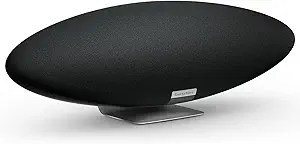
Conversely, Bowers & Wilkins curates a targeted, high-end portfolio anchored in audiophile-grade acoustic engineering and luxury industrial design. Their product selection is sharply bifurcated between ultra-premium wireless lifestyle ecosystems—epitomized by the Formation suite and the iconic Zeppelin—and traditional passive/active floor-standing and bookshelf monitors, such as the 600, 700, and flagship 800 Diamond Series. Technically, Bowers & Wilkins distinguishes itself through bespoke material science, incorporating proprietary Continuum cones, decoupled double-dome or diamond-dome tweeters, and Matrix structural bracing designed to minimize resonance and achieve ultra-transparent sound reproduction. Their modern wireless systems integrate high-resolution 24-bit/96kHz network streaming, sophisticated DSP, and multi-room synchronization, eschewing budget-oriented utilitarian models entirely to maintain uncompromised acoustic fidelity.
Ultimately, the practical trade-offs between the two brand portfolios represent a clear divergence in consumer intent and budget allocation. Logitech provides broad, affordable utility, excelling in accessible products tailored for workspace integration and casual consumer entertainment where low latency, compact ergonomics, and affordability outweigh acoustic perfection. In contrast, Bowers & Wilkins deliberately restricts its product selection to the premium and ultra-luxury segments, offering high-fidelity, heritage-driven solutions that demand significant financial investment and dedicated acoustic environments. Choosing between them is less a matter of catalog size and more a decision between Logitech's functional, everyday versatility and Bowers & Wilkins' specialized, uncompromising high-fidelity audio engineering.
Affordability
When evaluating affordability in the speaker category, Logitech and Bowers & Wilkins occupy opposite extremes of the pricing and engineering spectrum. Logitech is a market leader in democratizing desktop and multimedia audio, engineering budget-conscious solutions that routinely range from sub-$50 stereo pairs to multi-channel systems hovering around a few hundred dollars. In contrast, Bowers & Wilkins is an ultra-premium, luxury audiophile brand whose offerings—from their wireless Formation suite to the flagship 800 Series Diamond—routinely cost from several hundreds to tens of thousands of dollars. From an initial purchase standpoint, Logitech is objectively the more accessible brand, delivering plug-and-play acoustic utility to everyday consumers without requiring specialized amplification, high-end digital-to-analog converters (DACs), or substantial capital outlay.
The stark difference in affordability directly reflects each manufacturer's underlying engineering choices, acoustic architectures, and component quality. Logitech controls retail costs by utilizing lightweight plastic enclosures, mass-produced dynamic drivers, cost-effective integrated Class-D amplifiers, and straightforward analog or basic Bluetooth interfaces. While this compromises true high-fidelity audio—often resulting in scooped mid-ranges and boomy, unrefined bass—it maximizes functionality per dollar for PC gaming, video conferencing, and casual listening. Bowers & Wilkins, on the other hand, directs extensive capital into proprietary acoustic research, utilizing custom Continuum cone drivers, Carbon Dome tweeters, rigid internal Matrix bracing, and inert, resonance-free cabinet materials wrapped in luxury finishes. The technical strength of Bowers & Wilkins lies in pristine sonic accuracy, wide soundstaging, and virtually non-existent harmonic distortion, but achieving this performance involves severe diminishing returns per dollar spent for the average consumer.
Ultimately, the practical trade-offs regarding affordability center on intended use cases and lifecycle value. Logitech provides unmatched utilitarian value; consumers can acquire a complete, feature-rich audio solution (frequently bundled with desktop control pods and dedicated subwoofers) at a negligible financial barrier to entry, though these units are often treated as disposable electronics with limited repairability. Bowers & Wilkins demands a substantial economic commitment not only for the speakers themselves, but often for high-end upstream audio gear to drive them adequately. However, B&W balances its formidable entry barrier with exceptional structural longevity, modularity, and enduring resale value. For cost-conscious buyers seeking practical audio utility, Logitech offers unbeatable affordability, while Bowers & Wilkins represents a high-capital luxury investment strictly for those demanding uncompromising acoustic perfection.
Quality/Durability
When evaluating structural engineering and manufacturing standards, Logitech and Bowers & Wilkins represent radically different philosophies dictated by their target demographics. Logitech focuses on functional, high-utility durability optimized for everyday computer use, gaming environments, and portable scenarios. Their products, such as the Z-series desktop setups or UE portable lines, predominantly leverage high-impact ABS plastics, silicone bumpers, and synthetic acoustic fabrics. These materials are cost-effective, lightweight, and resilient against the rigors of accidental drops, fluid spills, and general desktop clutter. Internally, Logitech emphasizes solid-state reliability and straightforward PCB design over ultra-pure acoustic isolation, delivering hard-wearing utility that can withstand years of active daily operation without structural failure, though plastic seams and thin auxiliary cabling can show mechanical wear over extended lifespans.
Conversely, Bowers & Wilkins operates within the high-fidelity luxury tier, where build quality is inextricably linked to acoustic perfection and heirloom-grade industrial design. Their speakers incorporate bespoke materials such as die-cast aluminum, composite matrices, real wood veneers, and inert mineral-loaded polymer enclosures designed to eliminate unwanted cabinet resonance entirely. From the Continuum cone drivers to decoupled double-dome tweeters, the mechanical assembly reflects zero-compromise precision engineering capable of lasting for decades under proper care. The trade-off lies in environmental resilience: while a Bowers & Wilkins speaker offers vastly superior tactile luxury, anti-resonance rigidity, and premium component longevity, its delicate driver suspensions, fine leather accents, and polished lacquers are considerably more vulnerable to physical impacts, humidity, and direct rough handling compared to Logitech’s ruggedized, utilitarian offerings.
Sound Quality
When evaluating sound quality, Logitech and Bowers & Wilkins (B&W) represent fundamentally different acoustic philosophies, targeting disparate tiers of the audio market. Logitech engineers its speaker systems primarily for near-field multimedia, gaming, and general computer usage. Their acoustic profile is characterized by an exaggerated "V-shaped" sound signature, featuring heavily boosted bass—often driven by dedicated down-firing subwoofers in their popular 2.1 systems—and sharp, prominent treble designed to accentuate in-game sound effects and dialogue. While functional and engaging for casual streaming and intense gaming, Logitech speakers generally employ cost-efficient components, including standard dynamic drivers housed in lightweight plastic enclosures. This engineering approach can result in noticeable mid-range scoop, where critical vocal textures and instrumental separation are overshadowed, as well as harmonic distortion when pushed to higher volume levels.
In contrast, Bowers & Wilkins operates on a high-fidelity audiophile plane, guided by a design ethos centered around acoustic transparency and the reproduction of sound exactly as recorded. Utilizing decades of patented acoustic engineering, B&W incorporates proprietary technologies such as Decoupled Double Dome aluminum or Diamond tweeters, Continuum cone midrange drivers, and rigid, inert cabinets designed to eliminate internal standing waves and mechanical resonance. The result is a sound profile of exceptional neutrality, micro-detail, and spatial imaging. B&W speakers produce tight, controlled low frequencies that integrate seamlessly with lush, articulate mid-ranges and expansive, airy highs. Their wide soundstage creates an immersive, three-dimensional sweet spot that effortlessly conveys the dynamic headroom of complex orchestral arrangements and subtle studio master tracks without harshness or compression.
The practical trade-offs between the two brands center on the balance between cost-to-performance utility and uncompromised fidelity. Logitech excels at providing accessible, high-impact volume and punchy bass that satisfies the demands of high-energy desktop environments without requiring dedicated amplification or premium audio sources. However, for critical listening, Logitech lacks the resolution, transient speed, and tonal accuracy demanded by audiophiles. Bowers & Wilkins delivers reference-grade acoustic excellence, but to truly realize its technical strengths, consumers face significant financial investment not only in the speakers themselves, but often in high-resolution source material, quality DACs, and high-current amplification. Ultimately, Logitech offers fun, bass-forward utility for budget-conscious multimedia consumers, whereas Bowers & Wilkins stands as an elite acoustic benchmark for nuanced, high-fidelity sonic reproduction.