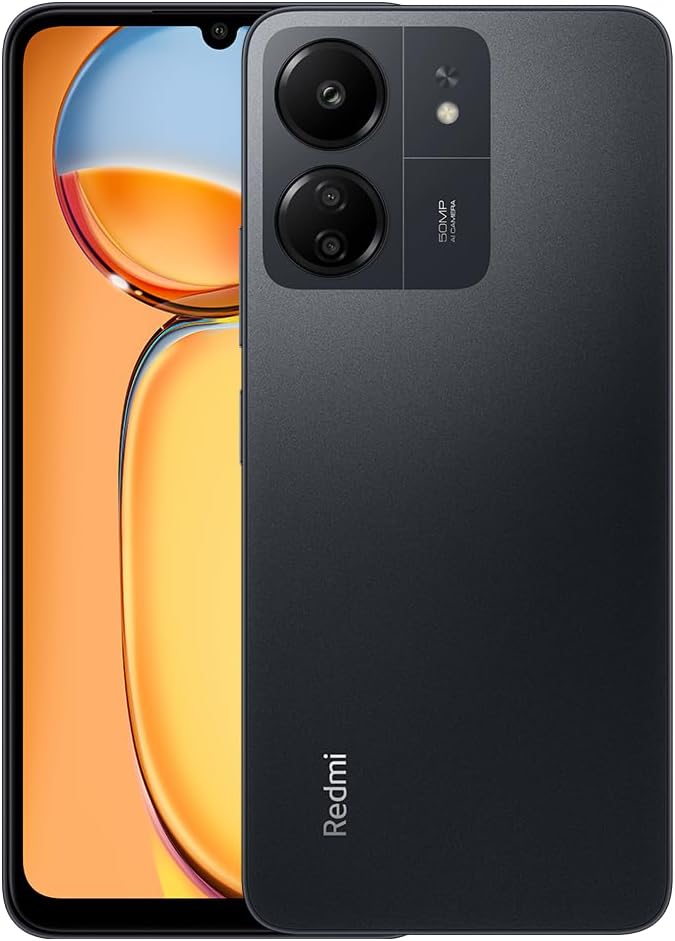
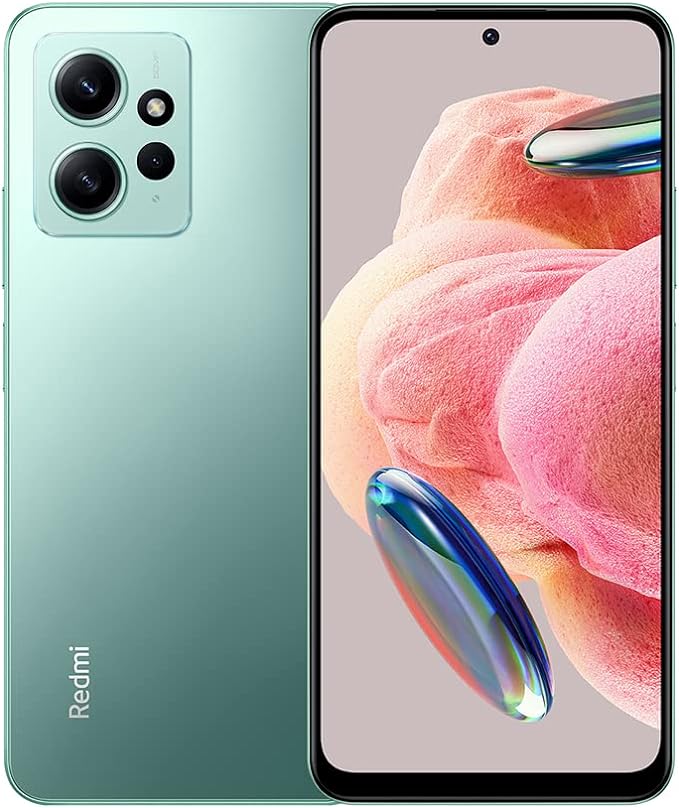
Xiaomi vs Apple: Overview
Comparing Xiaomi and Apple helps you determine which brand is best suited for your needs in Smartphones. Both brands offer strong choices depending on your budget and key feature requirements.
Key Features & Comparison
Evaluate factors such as build quality, warranty, customer satisfaction, and total value before making your final purchase choice between Xiaomi and Apple.
Affordability
When evaluating affordability, Xiaomi stands as an industry benchmark for price-to-performance value, offering devices across every market tier from ultra-budget Redmi handsets to aggressively priced flagships. Xiaomi’s product strategy leverages razor-thin hardware margins, monetizing through ecosystem services and software integration, which allows them to offer features like high-refresh-rate AMOLED displays and 120W fast charging at fractions of competitor prices. For budget-conscious consumers, Xiaomi delivers accessible entry points without forcing severe hardware compromises, making modern mobile technology viable for a broader global demographic.
Apple, conversely, deliberately avoids the budget market, positioning the iPhone exclusively within the premium and upper-mid-range price brackets. Even Apple's entry-level device, the iPhone SE, commands a price comparable to Xiaomi's upper-tier offerings while carrying an aging design and fewer secondary features. However, Apple offsets this substantial initial financial barrier through superior long-term value retention. iPhones depreciate at a significantly slower rate than Xiaomi smartphones, offering higher trade-in and resale values over three to five years, which meaningfully shifts the total cost of ownership equation for regular upgraders.
Quality/Durability
Apple sets an exceptionally high bar for structural engineering and material refinement, utilizing aerospace-grade aluminum or premium titanium frames paired with proprietary Ceramic Shield glass. Water and dust resistance is standardized across their lineup with stringent IP68 certifications, often tested beyond standard laboratory depths. Beyond exterior resilience, Apple’s internal hardware integration ensures long-term operational integrity; devices routinely operate without component degradation for upwards of five to seven years, bolstered by unmatched longevity in software maintenance and prompt global repair logistics.
Xiaomi has made substantial strides in structural quality, particularly in its flagship number series which now incorporates custom protective glass (such as Xiaomi Longjing Glass), ceramic backs, and official IP68 ratings. However, build consistency remains stratified across its expansive catalog; budget and mid-tier sub-brands like Poco and Redmi frequently rely on polycarbonate chassis and lower-tier Gorilla Glass to cut costs. While Xiaomi’s top-tier flagships rival Apple in raw material choices, their secondary market support, long-term parts availability, and localized repair infrastructures do not match Apple’s global ecosystem.
Performance
Apple’s custom silicon architecture, spanning the A-series Bionic and Pro chipsets, consistently leads the industry in single-core CPU throughput and sustained energy efficiency. Because Apple designs both the silicon and the operating system (iOS) in tandem, resource allocation is strictly managed, allowing iPhones to achieve smooth, jitter-free performance with substantially less physical RAM than Android equivalents. In high-demand scenarios like 4K ProRes video rendering and modern AAA gaming ports, Apple's silicon delivers stable frame rates with predictable thermal envelopes.
Xiaomi counters this vertical integration by adopting the highest-tier silicon available from Qualcomm and MediaTek, pairing these chips with aggressive cooling solutions like vapor chambers and loop liquid cooling systems. This hardware-first approach allows Xiaomi flagships to excel in peak multi-core tasks, sustained gaming sessions, and rapid thermal dissipation. Furthermore, Xiaomi equips its devices with excessive physical RAM (up to 16GB or 24GB) and advanced multitasking features within HyperOS, though the overhead of Android and third-party skin optimization occasionally results in less consistent background process management compared to iOS.
Camera Quality
Apple prioritizes photographic consistency, natural color fidelity, and undisputed class leadership in video recording. Through its Photonic Engine and Deep Fusion processing, the iPhone captures images with balanced dynamic range, authentic skin tones, and minimal shutter latency. Where Apple decisively leads is in mobile videography; 10-bit HDR video, Dolby Vision integration, and the addition of log recording with external drive support make the iPhone a genuine production tool for content creators who require absolute reliability and uniform color profiles across all lenses.
Xiaomi, bolstered by its strategic optical partnership with Leica, adopts a more hardware-forward and stylistically expressive photographic philosophy. By integrating massive 1-inch type image sensors, stepless variable apertures, and dedicated telephoto floating lenses, Xiaomi flagships achieve superior natural optical bokeh and exceptional low-light detail without relying heavily on digital sharpening. While Xiaomi often surpasses Apple in raw sensor resolution, optical reach, and dramatic portrait rendering via Leica color profiles, it exhibits slightly more inconsistency in video stabilization, lens switching smoothness, and automated exposure metering.