






One Plus vs Apple: Overview
Comparing One Plus and Apple helps you determine which brand is best suited for your needs in Smart Watch. Both brands offer strong choices depending on your budget and key feature requirements.
Key Features & Comparison
Evaluate factors such as build quality, warranty, customer satisfaction, and total value before making your final purchase choice between One Plus and Apple.
Battery Life
When examining endurance, OnePlus holds a commanding lead over Apple through its innovative dual-engine architecture. Flagship models like the OnePlus Watch 2 employ a hybrid processing framework, pairing a Snapdragon W5 Gen 1 chipset running Wear OS for intensive operations with a low-power BES2700 coprocessor managing background telemetry on an efficient RTOS. This intelligent task-delegation strategy yields an exceptional four-day battery life in smart mode and up to twelve days in power saver mode, all supported by swift VOOC fast-charging that can refuel the device in under an hour. For users who prioritize extended tracking without the anxiety of daily charging schedules, OnePlus delivers a technically superior endurance profile.
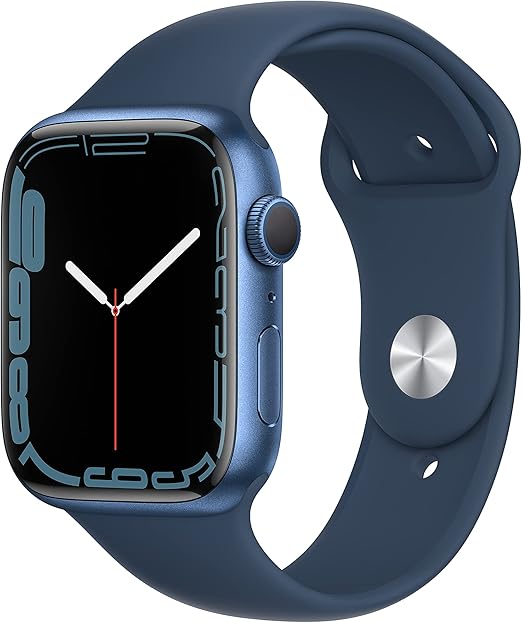
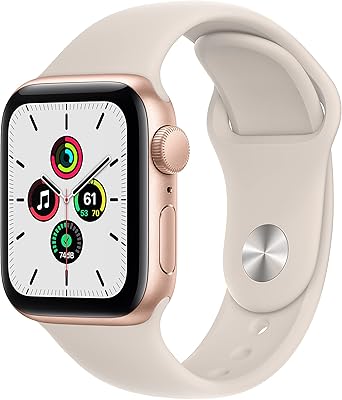
In stark contrast, Apple's Apple Watch lineup, including the standard Series models, remains constrained by the intense demands of watchOS and an uninterrupted background processing ecosystem, generally capping battery life at 18 to 36 hours. Even the rugged Apple Watch Ultra, which incorporates a substantially larger cell, maxes out at approximately 72 hours under specialized low-power modes. Apple relies on tightly coupled hardware-software optimizations and magnetic fast charging to mitigate this limitation, but users must inevitably adopt daily or alternate-day charging rituals. While Apple’s continuous high-fidelity display and relentless sensor polling provide real-time fluid interactivity, the practical trade-off is clear: OnePlus is built for low-maintenance endurance, whereas Apple demands frequent docking to sustain its high-performance operations.
Build Quality & Durability
Apple sets an exceptionally high benchmark for industrial design and structural resilience across its wearable catalog. With offerings that span from lightweight aerospace-grade aluminum to high-grade titanium cases, Apple pairs its chassis with either Ion-X strengthened glass or ultra-hard sapphire crystal faces. The premium Apple Watch Ultra elevates this engineering further with raised bezel edges designed to shield the sapphire screen from side impacts, alongside EN13319 dive certification, high-velocity water sports resistance, and MIL-STD 810H environmental durability testing. The precision of Apple’s digital crown with haptic feedback, combined with seamless structural tolerances and comprehensive water resistance up to 100 meters, reflects mature, world-class craftsmanship designed to withstand extreme physical stress.
OnePlus counters effectively by offering premium structural materials at a far more competitive price tier. Recent iterations feature robust stainless steel casings coupled with a resilient 2.5D sapphire crystal display, providing formidable scratch resistance and structural integrity right out of the box. Rated for 5ATM and IP68 dust and water ingress, OnePlus watches also boast MIL-STD-810H compliance, proving their capability to survive harsh environmental variables such as extreme temperatures and shock. However, while the materials match premium industry standards on paper, the physical engineering of components—such as the rotating crown, which occasionally functions merely as a simple button without software-integrated navigational scrolling—lacks the refined micro-mechanical sophistication found in Apple's hardware execution.
Health & Fitness Tracking
Apple’s health and fitness ecosystem is widely considered the gold standard for consumer wearables, grounded in rigorous clinical validation and regulatory clearances. The Apple Watch integrates FDA-cleared electrocardiogram (ECG) capabilities, irregular heart rhythm notifications, a reliable blood oxygen sensor, and dual-temperature sensors engineered specifically for retrospective ovulation estimation and sleep staging. For athletes, Apple’s workout metrics delve deep into biomechanics, offering real-time vertical oscillation, stride length, ground contact time, running power, and customizable multisport transitions. Furthermore, Apple’s proprietary Health app provides secure, encrypted, and highly granular clinical data consolidation, offering unmatched utility for users seeking medical-grade personal analytics.
OnePlus delivers a robust, consumer-focused health suite centered around its OHealth platform, offering reliable multi-channel optical heart rate monitoring, continuous SpO2 tracking, and comprehensive sleep stage assessments with snoring risk analysis. It caters to recreational athletes with dual-frequency GPS (L1+L5) for precise route tracking and tailored sports modes for activities like tennis and badminton that log swing metrics. Nevertheless, OnePlus lacks high-tier regulatory diagnostic features such as an active ECG sensor, sleep apnea detection, or deep biomechanical running feedback. For everyday wellness, caloric burn, and standard fitness logging, OnePlus provides dependable and accessible metrics, but it falls short of the clinical sophistication and deep analytical depth delivered by Apple’s extensive health stack.
Smart Features & Connectivity
In the smart ecosystem domain, Apple operates practically without equal, provided the user resides within the iOS ecosystem. Powered by watchOS, the Apple Watch serves as a frictionless extension of the iPhone, granting access to a massive independent App Store, fully functional cellular eSIM capabilities, Apple Pay via ultra-wideband NFC, home automation controls via Apple HomeKit, and rich interactive messaging with Siri dictation. The integration extends into deep contextual computing, allowing features like seamless Mac unlocking, Apple Fitness+ synchronicity, and accurate precision finding using second-generation Ultra Wideband chips. The interface is fluid, highly interactive, and functionally autonomous, giving users unmatched productivity on the wrist.
OnePlus takes a distinct approach by relying on Google’s Wear OS platform alongside customized software layers to provide core smart functionality. It includes essential conveniences such as Google Assistant, Google Wallet for contactless payments, notification handling with quick replies, and access to download third-party applications via the Google Play Store. While this gives OnePlus solid parity with general Android wearables, the brand suffers from broader ecosystem limitations; the watch is entirely incompatible with iOS devices, and it generally lacks independent standalone cellular LTE models. Consequently, while OnePlus covers daily connected requirements like navigation and payments effectively, Apple provides a far more sophisticated, multi-device ecosystem characterized by superior standalone capability and rich application support.