Google vs Garmin: Overview & Brand Philosophy
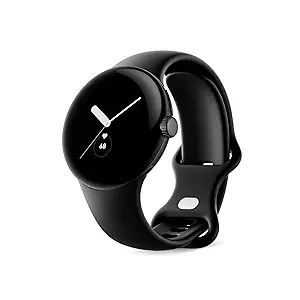
The smartwatch market represents a collision between consumer electronics and specialized athletic equipment, a dynamic perfectly illustrated by Comparing Google and Garmin. Google approaches the wrist as an extension of the modern ambient computing ecosystem. Through its Pixel Watch lineup and the acquisition of Fitbit, Google aims to deliver an intuitive, lifestyle-centric experience that seamlessly integrates with Android devices, manages digital life through Google Assistant, and provides accessible, holistic wellness tracking for the everyday user.
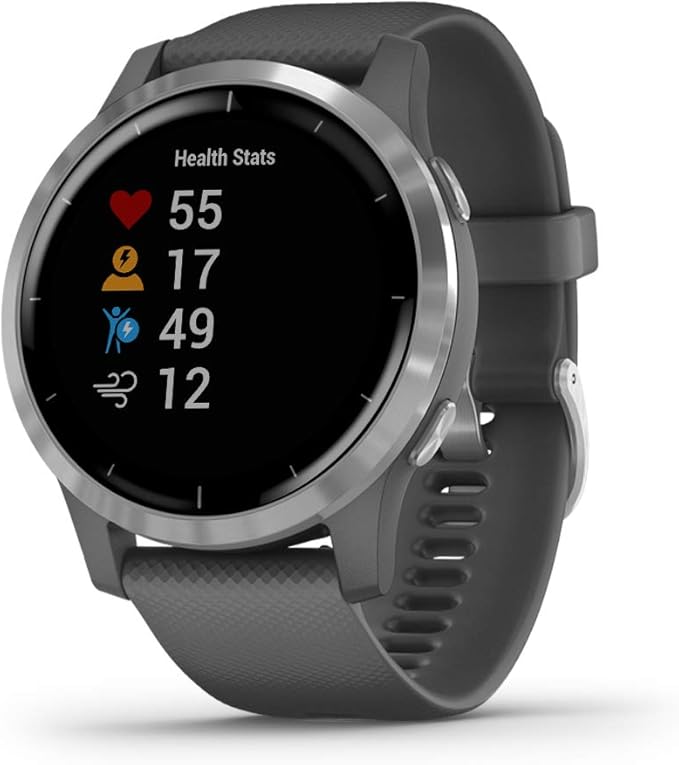
In contrast, Garmin's brand philosophy is rooted in navigational heritage, endurance sports, and extreme physical performance. Garmin does not treat the smartwatch as a miniature smartphone companion; rather, it views the device as an indispensable training tool, tactical instrument, and biometric monitor. With decades of GPS innovation, Garmin builds wearables designed to survive punishing environments while delivering granular, actionable data for marathoners, mountaineers, triathletes, and outdoor enthusiasts who prioritize functional autonomy over digital convenience.
Key Differences & Technological Comparison
The technological divergence between Google and Garmin begins with their operating systems and user interaction models. Google's Wear OS is built for high-touch, visually rich interactions, offering smooth animations on vibrant AMOLED displays, third-party app accessibility via the Google Play Store, and deep integration with services like Google Calendar, Maps, and Google Wallet. Garmin operates on a proprietary, lightweight operating system optimized for utility, tactile button navigation (essential during wet conditions or while wearing gloves), and minimal computational overhead.
Display and battery architecture highlight another fundamental contrast. Google employs curved, bezel-reduced AMOLED screens that look stunning in formal or casual settings but draw substantial power, yielding battery life measured in hours (typically 24 to 36 hours). Garmin frequently utilizes transflective Memory-in-Pixel (MIP) displays alongside AMOLED options (such as the Epix and Forerunner lines). MIP displays thrive in direct sunlight and sip power, allowing Garmin devices to achieve battery lifespans ranging from one week to over a month, with select models offering solar charging capabilities.
Health and fitness tracking methodologies also differ sharply. Google utilizes Fitbit’s algorithms, excelling at passive health monitoring, sleep stage tracking, stress management through electrodermal activity (cEDA), and readiness scoring tailored to casual wellness. Garmin, conversely, provides a comprehensive performance suite. Metrics like Training Load, Heart Rate Variability (HRV) Status, VO2 Max, Hill Score, and real-time stamina tracking offer athletes a scientifically rigorous, subscription-free roadmap to optimize peak performance and prevent overtraining.
Pros & Cons Comparison
Google Smartwatches
- Pro: Seamless Wear OS integration with unmatched voice assistant capabilities, notification handling, and Google suite apps.
- Pro: Sleek, minimalist design language that easily transitions from casual wear to formal attire.
- Pro: Highly accurate core heart rate tracking and accessible, user-friendly wellness insights powered by Fitbit.
- Con: Poor battery life requiring daily charging cycles, making continuous multi-day tracking inconvenient.
- Con: Certain in-depth health insights and historical data require an ongoing monthly Fitbit Premium subscription.
- Con: Limited durability against high impacts and harsh environments due to exposed curved glass designs.
Garmin Smartwatches
- Pro: Exceptional battery longevity, lasting anywhere from 5 days to several weeks on a single charge.
- Pro: Industry-leading GPS accuracy with multi-band GNSS and comprehensive offline topographic mapping.
- Pro: Deep, subscription-free performance analytics tailored to sports, recovery, and training periodization.
- Pro: Rugged, military-grade hardware options with high water resistance and shock tolerance.
- Con: Limited smart features; rudimentary notification interactions and a minimal third-party app ecosystem.
- Con: Steeper learning curve due to complex menus, extensive metrics, and functional button-based interfaces.
- Con: Higher entry price point, with specialized premium models costing significantly more than mainstream smartwatches.
Performance, Durability & Value Analysis
When assessing long-term durability and hardware resilience, Garmin operates in a distinct tier. Built using fiber-reinforced polymers, titanium bezels, and scratch-resistant sapphire crystal lenses, Garmin wearables (such as the Fenix, Instinct, and Forerunner series) are engineered to withstand extreme temperatures, impacts, and aquatic depths. Google’s hardware, while meticulously crafted, relies heavily on exposed domed glass that is inherently more vulnerable to scratches, cracks, and abrasive impacts during outdoor recreation. Users demanding physical ruggedness will find Garmin’s build quality far superior over a multi-year lifecycle.
From a value perspective, the calculation hinges on how you define utility. Google presents a lower initial barrier to entry, offering strong smart capability and foundational health metrics at an accessible price point. However, the recurring cost of Fitbit Premium to unlock full analytics slightly alters its long-term cost proposition. Garmin commands a premium price tag upfront across much of its catalog, but it delivers exceptional software longevity, durable components that outlast typical consumer electronics upgrade cycles, and an entirely free software platform with zero paywalled biometric data.
Final Verdict: Which Brand Should You Choose?
Choose Google if your primary objective is to own a sophisticated, interconnected smartwatch that streamlines your digital day. If you are an Android or Pixel user seeking a stylish accessory for managing communications, answering calls, making contactless payments, and maintaining general health awareness without aggressive physical training demands, the Google Pixel Watch delivers a modern, elegant, and connected experience.
Choose Garmin if your priorities center around athletic performance, outdoor exploration, endurance, and data autonomy. If you are training for endurance events, spend significant time off the grid, require battery life measured in weeks rather than hours, or want professional-grade training metrics without recurring subscription fees, Garmin remains the definitive, uncompromising tool for your wrist.
Battery Life
Garmin and Google approach smartwatch power architecture from fundamentally divergent engineering philosophies, resulting in a dramatic disparity in battery longevity. Garmin designs its hardware around an ultra-efficient, proprietary real-time operating system (RTOS) paired with custom micro-controllers and low-draw display technologies, such as transflective Memory-in-Pixel (MIP) and carefully throttled AMOLED panels. This architecture allows Garmin devices—spanning the Forerunner, Fenix, and Venu series—to deliver baseline battery life measured in days and weeks rather than hours. Entry-level lifestyle models comfortably achieve 5 to 11 days of continuous wear, while outdoor flagship devices can operate between 14 and 30 days on a single charge. In contrast, Google’s Pixel Watch lineup runs on Wear OS, a full-fledged mobile operating system that prioritizes rich interactive animations, deep background synchronization, and continuous smartphone integration. Driven by power-intensive Qualcomm and dual-chip co-processor architectures powering vibrant, high-refresh-rate AMOLED displays, Google watches are engineered for a 24- to 36-hour operational window, necessitating near-daily replenishment cycles.
The gap between the two brands widens significantly during active telemetry tracking and outdoor sensor utilization. Garmin excels through sophisticated power-management software, offering granular profiles that enable users to selectively disable non-essential sensors, dial back satellite frequency, or engage battery-saving modes like UltraTrac. When running continuous multi-band/dual-frequency GNSS alongside all-day health monitoring, a Garmin watch typically sustains between 20 and 60 hours of active tracking, bolstered in select variants by Power Glass solar-charging technology that meaningfully extends runtimes off-grid. Google’s Pixel Watch platform, while highly capable in short-burst health metrics via its Fitbit integration, experiences rapid battery depletion under sustained GPS and optical heart rate monitoring, frequently consuming between 10% and 15% of its total capacity per hour of active tracking. While Google has improved sleep-mode efficiency and added fast-charging pucks to mitigate downtown, its hardware cannot support prolonged multi-day excursions away from a wall outlet.
Ultimately, this comparison highlights a decisive trade-off between autonomous endurance and smart interactive capability. Garmin sacrifices deep application ecosystems, cellular voice versatility, and complex on-wrist multitasking to achieve peerless battery resilience, making it the definitive platform for endurance athletes, frequent travelers, and users afflicted by charging fatigue. Conversely, Google treats battery life as a managed compromise, delivering a fluid, micro-computing extension of the Android ecosystem that demands a predictable, daily charging ritual. Consumers must weigh whether they prioritize Garmin’s uninterrupted, weeks-long health telemetry and off-grid reliability over Google’s comprehensive, high-connectivity Wear OS experience.
Build Quality & Durability
When evaluating structural integrity and durability, Garmin and Google represent two fundamentally divergent engineering philosophies within the smartwatch space. Garmin builds with an uncompromising focus on rugged utility, utilizing high-grade materials such as fiber-reinforced polymer cases, forged titanium or DLC (Diamond-Like Carbon) coated bezels, and ultra-hard sapphire crystal lenses across its flagship lines like the Fenix and Epix. Many Garmin models are tested to rigorous U.S. military standards (MIL-STD-810) for thermal, shock, and water resistance. Conversely, Google’s Pixel Watch lineup prioritizes a sleek, jewelry-like aesthetic, sporting a minimalist chassis forged from recycled stainless steel or matte aluminum, paired with a distinctively curved, custom 3D Corning Gorilla Glass 5 face. While Google delivers exceptional tactile refinement and a seamless finish, the convex, edge-to-edge domed glass leaves the display inherently vulnerable to direct impacts, chipping, and lateral abrasions due to the total absence of a protective, raised bezel.
In terms of environmental resilience and ingress protection, Garmin establishes a dominant technical lead. Most performance-oriented Garmin wearables boast water ratings of 10 ATM (100 meters) or higher, with specialized dive-grade variants engineered to withstand intense hydraulic pressure, extreme temperatures, and prolonged submersion. Crucially, Garmin equips its devices with sealed, textured physical pushers that operate flawlessly when wet, muddy, or handled with heavy gloves. Google offers a respectable 5 ATM (50 meters) water resistance rating, rendering it safe for casual pool swimming and rain, but unsuited for high-velocity water sports or deep submersion. Furthermore, Google’s interaction model relies heavily on touch gestures and a single, finely machined digital crown, which can become temperamental when wet and is inherently more prone to grit ingress over extended exposure to rugged outdoor environments.
Ultimately, the durability trade-offs mirror the distinct target demographics of each brand. Google has engineered a durable everyday device for urban professionals and lifestyle consumers, combining premium metalwork with lightweight ergonomics that slip effortlessly beneath a dress cuff, albeit requiring mindful wear or aftermarket cases to prevent surface scuffs. Garmin, by contrast, engineers utilitarian survival gear disguised as consumer technology, sacrificing svelte form factors in favor of reinforced bulk, impact absorption, and generational longevity. For consumers whose routines subject a watch to trail debris, rock faces, heavy gym equipment, or unpredictable backcountry conditions, Garmin’s defensive architecture stands leagues ahead of Google’s aesthetically driven, shock-susceptible build.
Health & Fitness Tracking
Garmin and Google approach health and fitness tracking from fundamentally different engineering philosophies: Garmin builds dedicated, endurance-grade athletic instrumentation, while Google leverages its Fitbit acquisition to deliver algorithmic, lifestyle-centric wellness. Garmin’s ecosystem, driven by its proprietary Elevate optical sensor array and multi-band GNSS technology, is engineered for granular athletic telemetry. It provides unmatched performance metrics, including real-time stamina, Training Readiness, heart rate variability (HRV) status, and sport-specific power output. Garmin processes these data points locally on the device without requiring a secondary subscription, translating complex physiological strain into actionable training and recovery guidance for endurance athletes, triathletes, and outdoor adventurers.
Conversely, Google’s Pixel Watch hardware shifts the focus toward continuous, passive health monitoring powered by sophisticated machine learning models. Google’s multi-path heart rate sensor, trained via Google AI, delivers exceptional per-second accuracy during daily wear and steady-state cardio, often rivaling dedicated chest straps in low-motion scenarios. Where Google outpaces Garmin is in ambient health awareness, featuring an advanced continuous electrodermal activity (cEDA) sensor for physical stress detection, automatic workout logging, and intuitive sleep architecture analysis presented through Fitbit’s accessible user interface. However, Google’s health ecosystem remains heavily dependent on Fitbit Premium to unlock deep historical trends, advanced sleep profiling, and the Daily Readiness score, creating an ongoing cost of ownership that Garmin avoids entirely.
The practical trade-offs between the two platforms center on data depth versus lifestyle integration, compounded by battery longevity. Garmin’s platform is virtually uncompromised for dedicated fitness enthusiasts who require weeks of continuous tracking, detailed biomechanical feedback, and complete ownership of their biometric data without a paywall. Google provides a far superior consumer wellness experience for users seeking ambient health guardrails—such as irregular heart rhythm notifications, guided stress responses, and seamless Wear OS smartwatch features—but it is hindered by a demanding daily charging cycle and a less capable software suite for structured, high-performance athletic training.
Smart Features & Connectivity
When evaluating smart features and everyday connectivity, Google holds a decisive architectural advantage by leveraging its mature Wear OS platform and comprehensive ecosystem integration. Google’s Pixel Watch lineup functions as a true wrist-borne extension of a smartphone, offering seamless access to Google Assistant, Google Maps with turn-by-turn navigation, Google Wallet, and the expansive Google Play Store. Users can initiate and reply to messages via dynamic on-screen keyboards or voice dictation, manage calendar events natively, and take advantage of standalone 4G LTE options that support untethered calling, streaming, and data sync. In contrast, Garmin approaches smart capabilities through a utilitarian lens. Running on proprietary, lightweight operating systems, Garmin devices primarily offer mirrored smartphone notifications with limited interaction—confining text replies to basic canned responses exclusive to Android users. While Garmin’s Connect IQ store provides custom watch faces, data fields, and niche utilities, it lacks the mainstream productivity, communication, and home automation apps natively present in Google’s ecosystem.
Hardware connectivity and interface engineering further highlight the divergent philosophies of the two brands. Google equips the Pixel Watch with high-fidelity microphones, speakers, and sophisticated haptic engines, facilitating natural voice interactions and wrist-based phone calls. Garmin has begun introducing voice functionality and phone-calling capabilities via Bluetooth on select models like the Venu series, but these rely heavily on tethered passthrough to the phone's native assistant rather than on-device processing. Garmin does excel in focused audio connectivity, providing robust offline music synchronization with services like Spotify, Deezer, and Amazon Music directly over Wi-Fi, paired seamlessly with low-latency Bluetooth headphone protocols. However, Garmin’s implementation of cellular connectivity is exceedingly rare and intentionally restricted to safety, live-tracking, and incident messaging (such as on the Forerunner 945 LTE) rather than full voice-and-data independence, and Garmin Pay supports noticeably fewer banking institutions globally compared to the ubiquitous Google Wallet.
Ultimately, the consumer trade-off between Garmin and Google centers on the balance between smart device functionality and system efficiency. Google delivers an intuitive, full-featured smartwatch experience that rivals modern smartphones in convenience, but this rich connectivity demands high computational power, requiring daily charging cycles and strictly tethering the user to the Android operating system. Garmin, conversely, intentionally bottlenecks deep smart functionality and standalone connectivity to preserve multi-day—and often multi-week—battery longevity, while maintaining platform-agnostic compatibility across both iOS and Android. For users who prioritize actionable notifications, deep Google Workspace integration, and true phone-free communication, Google is the superior platform, whereas Garmin serves those who view smart alerts as a secondary convenience beneath performance tracking and extreme battery endurance.