






Fitbit vs Polar: Overview
Comparing Fitbit and Polar helps you determine which brand is best suited for your needs in Smart Watch. Both brands offer strong choices depending on your budget and key feature requirements.
Key Features & Comparison
Evaluate factors such as build quality, warranty, customer satisfaction, and total value before making your final purchase choice between Fitbit and Polar.
Battery Life
When evaluating battery longevity, Fitbit and Polar target fundamentally different operational demands. Fitbit devices, such as the Sense 2 and Versa 4, are engineered primarily as lifestyle companions that deliver continuous daily biometric tracking. With typical usage involving 24/7 heart rate monitoring, sleep staging, and occasional workout sessions, Fitbit smartwatches reliably yield approximately 5 to 6 days of battery life per charge. However, enabling the Always-On Display (AOD) or utilizing continuous onboard GPS substantially degrades this performance down to roughly 2 to 3 days or about 5 to 12 hours of active GPS tracking, respectively. Fitbit relies on rapid proprietary magnetic charging systems that can provide a full day's worth of power in roughly 12 to 15 minutes, which offsets the need for frequent full charges.
Conversely, Polar approaches battery architecture from an endurance athletics perspective, offering devices like the Vantage V3 and Grit X Pro that prioritize sustained multi-satellite GNSS and heart rate telemetry. In standard smartwatch mode, Polar models generally deliver between 5 and 8 days of operation, which is largely comparable to Fitbit. Where Polar vastly outperforms Fitbit is in dedicated sports tracking scenarios; Polar wearables routinely achieve 30 to 60 hours of continuous high-accuracy dual-frequency GPS logging, extendable up to 140 hours using specialized power-saving modes. Polar incorporates intelligent power management systems that allow users to lower satellite ping rates and display refresh speeds mid-activity, making it the mathematically superior choice for ultramarathoners, multi-day hikers, and performance athletes who find Fitbit's single-day GPS limit too restrictive.
Build Quality & Durability
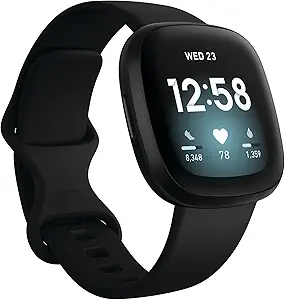
Fitbit constructs its smartwatches with an emphasis on lightweight ergonomics, everyday comfort, and sleek modern aesthetics. Devices like the Fitbit Sense and Versa feature smooth, pebble-like chassis forged from anodized aerospace-grade aluminum, complemented by curved Corning Gorilla Glass 3 displays. This design choice minimizes wrist fatigue during 24/7 wear and sleep, presenting an unobtrusive, contemporary profile suitable for both office environments and casual settings. While rated for 50 meters of water resistance (5 ATM) suitable for swimming, Fitbit's materials are optimized for urban life rather than rugged abuse. The exposed curved glass surfaces and soft aluminum bezels remain vulnerable to scuffs, gouges, and impact damage when subjected to abrasive outdoor activities or heavy gym environments.
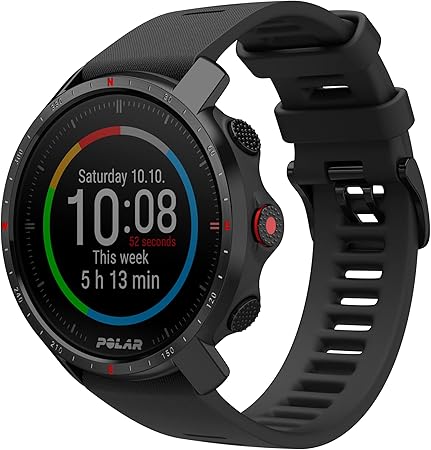
In stark contrast, Polar builds its performance watches with ruggedized engineering designed to withstand extreme environmental stress. Flagship models such as the Polar Grit X Pro and Vantage V3 utilize materials like aerospace-grade titanium, stainless steel bezels, and scratch-resistant sapphire crystal glass. Polar thoroughly tests many of its devices against military durability standards (MIL-STD-810G), ensuring resistance to drop impacts, temperature extremes (-20°C to +50°C), and corrosion. Furthermore, Polar incorporates raised protective bezels to physically shield the display glass and tactile, textured mechanical buttons that can be operated while wearing thick winter gloves or swimming underwater. While this construction results in a bulkier, more utilitarian aesthetic, it delivers far superior structural resilience compared to Fitbit's lifestyle-focused assembly.
Health & Fitness Tracking
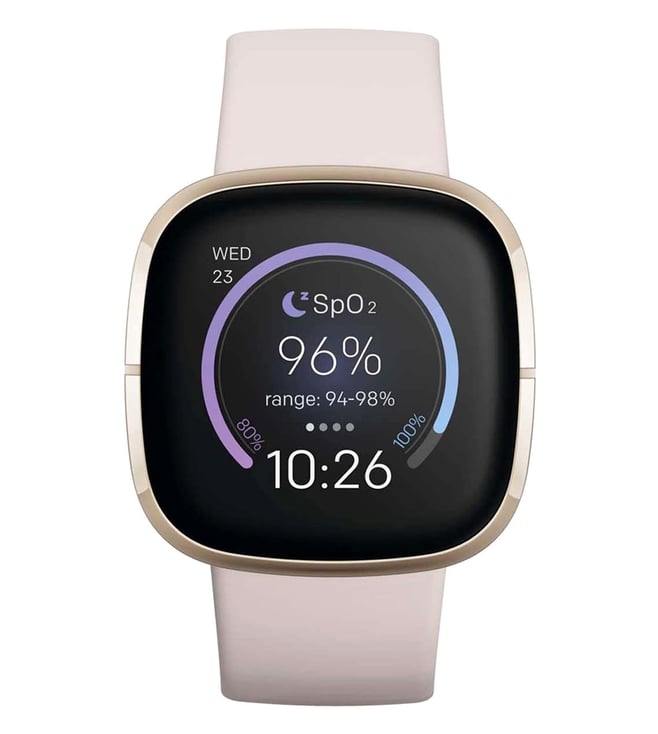
Fitbit excels as an intuitive, holistic wellness platform that democratizes preventative health data for the mainstream consumer. Its biometric array focuses on holistic parameters, including continuous electrodermal activity (cEDA) for passive stress detection, wrist-based skin temperature variations, ECG rhythm analysis, and SpO2 trends. Fitbit’s proprietary sleep tracking is widely regarded as an industry benchmark, using advanced heart rate variability (HRV) and movement algorithms to provide accessible sleep stages and sleep scores. However, Fitbit tends to distill complex physiological data into simplified consumer metrics like the Daily Readiness Score, often locking deeper historical analytics behind the proprietary Fitbit Premium subscription wall, which can frustrate dedicated data analysts.
Polar, by comparison, functions as an uncompromising sports laboratory designed specifically for training optimization, cardiovascular load management, and scientific recovery. Utilizing its sophisticated Precision Prime and Elixir biosensing suites, Polar captures multi-wavelength optical heart rate, ECG, and blood oxygenation, feeding these raw metrics into advanced sport-science frameworks like Training Load Pro and Recovery Pro. Polar’s Nightly Recharge system analyzes autonomic nervous system (ANS) recovery directly without obfuscating the underlying data, helping athletes gauge whether their central nervous system is ready for intense exertion. While lacking the gamified social challenges and passive consumer stress cues found in Fitbit, Polar delivers vastly superior athletic conditioning metrics, structured phased interval training, and running/cycling power estimations without demanding ongoing subscription fees.
Smart Features & Connectivity
Fitbit provides a well-rounded smartwatch experience deeply integrated into modern digital lifestyles, particularly bolstered by its integration into the Google hardware ecosystem. Devices like the Versa 4 and Sense 2 natively support Google Wallet for contactless payments, turn-by-turn navigation via Google Maps, and hands-free voice assistance via Amazon Alexa. Users receive rich smartphone notifications with actionable quick replies on Android devices, alongside Bluetooth phone call handling through integrated onboard speakers and microphones. The touchscreen interface is highly fluid, utilizing modern color AMOLED displays and intuitive swipe gestures that mirror standard smartphone ergonomics, making everyday interactions effortless for non-athletic daily routines.
Polar, conversely, treats smartwatch functionality strictly as secondary utility rather than a core selling point. Polar watches generally restrict their connected features to passive smartphone notification mirrors, basic weather forecasts, and basic music playback controls that require an active Bluetooth link to your phone, with no capability for onboard audio storage or standalone streaming. There are no native voice assistants, dedicated third-party app stores, or contactless payment frameworks integrated into the platform. However, Polar maintains significant superiority in sports sensor connectivity, featuring broad dual-channel Bluetooth Low Energy (BLE) sensor broadcasting to external chest straps (such as the H10), cycling power meters, and cadence pods, making it an elite athletic data hub rather than a true digital lifestyle smartwatch.