






Samsung vs Skagen: Overview
Comparing Samsung and Skagen helps you determine which brand is best suited for your needs in Smart Watch. Both brands offer strong choices depending on your budget and key feature requirements.
Key Features & Comparison
Evaluate factors such as build quality, warranty, customer satisfaction, and total value before making your final purchase choice between Samsung and Skagen.
Battery Life
When evaluating battery longevity, Samsung and Skagen represent two distinct approaches within the Wear OS ecosystem, both heavily influenced by their internal hardware configurations and software optimization. Samsung’s Galaxy Watch lineup, powered by proprietary Exynos W-series processors and relatively large battery packs (especially in the 'Pro' and 'Ultra' tiers), delivers dependable runtimes that comfortably span from 30 hours up to 80 hours depending on the model and usage profile. The inclusion of aggressive power-saving architectures and intelligent WPC-based wireless charging ensures that even power users relying on continuous biometric sensing, LTE, and sleep tracking can routinely get through a full day and night without acute battery anxiety.
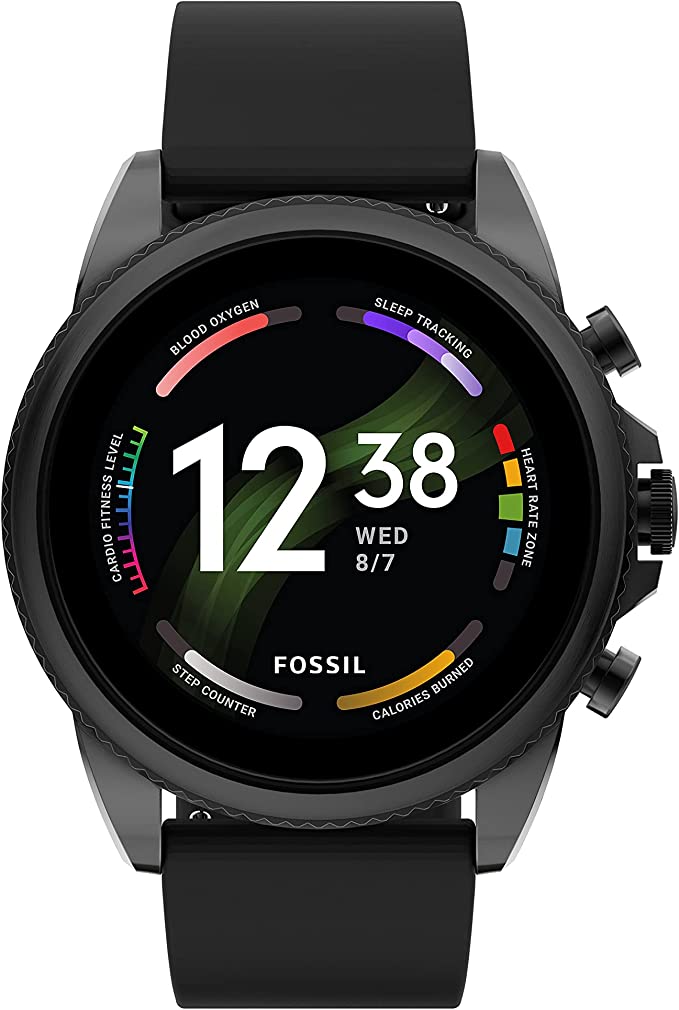
Conversely, Skagen—operating under the Fossil Group umbrella with devices like the Falster series—has historically struggled to match this operational endurance. Relying on Qualcomm Snapdragon Wear platforms paired with smaller, minimalist battery enclosures, Skagen smartwatches typically average around 18 to 24 hours of operation under moderate use. While Skagen incorporates multi-tier battery modes (such as Daily, Extended, and Time Only) to mitigate this deficit, users must actively manage system resources and display wake settings to ensure overnight tracking. However, Skagen counters this limited runtime with proprietary rapid magnetic pin-charging, which can restore roughly 80% of battery capacity within 30 minutes, providing a practical workaround for users willing to top up during daily routines.
Build Quality & Durability
Samsung approaches build quality from an athletic, high-performance consumer technology perspective, engineering wearables designed to withstand rigorous outdoor environments. Depending on the tier, Samsung incorporates aerospace-grade Armor Aluminum or premium Grade 4 Titanium cases, shielded by robust sapphire crystal glass that demonstrates exceptional resistance to scratching and structural impact. In terms of environmental survivability, Samsung watches boast industry-leading IP68 dust/water ingress resistance alongside 5ATM (or 10ATM on Ultra variants) submersible ratings and MIL-STD-810H military shock-testing compliance, making them suitable for open-water swimming, rugged trails, and heavy exercise.
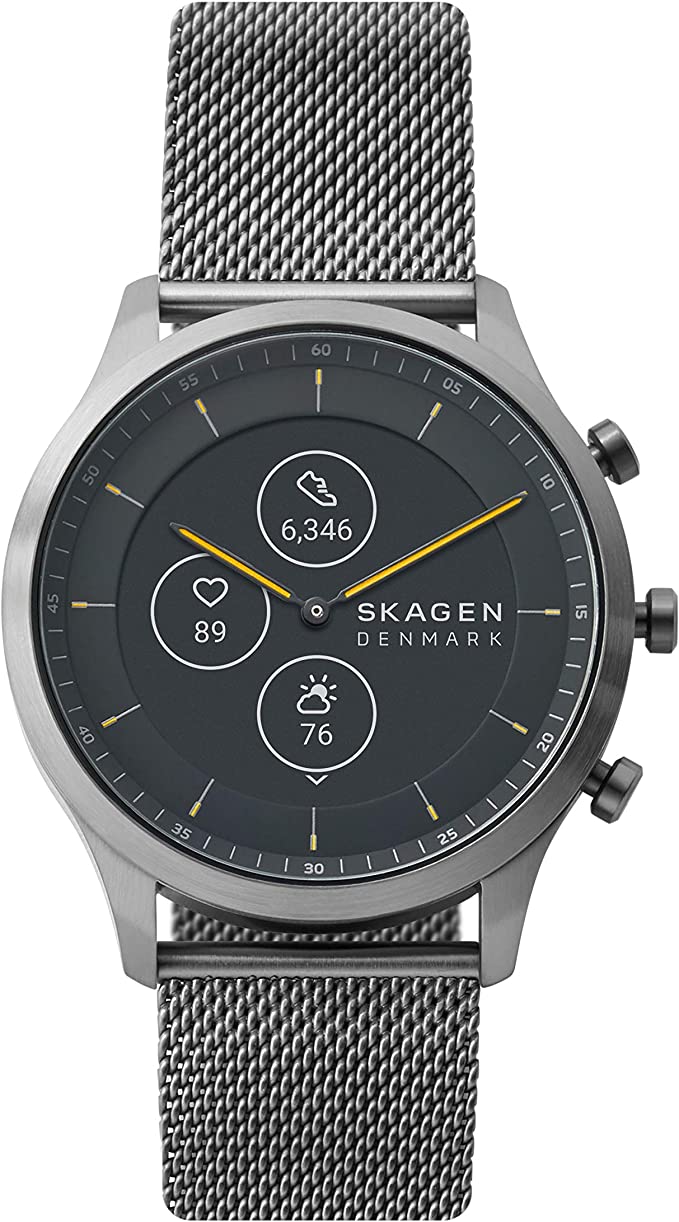
Skagen, deeply rooted in contemporary Danish design, prioritizes horological minimalism, visual elegance, and lightweight wrist aesthetics over extreme ruggedness. Crafted predominantly from brushed or polished stainless steel, the Falster series features signature mesh bands and slim, low-profile lugs that integrate effortlessly into formal and lifestyle settings. While the structural craftsmanship is refined and visually distinctive, Skagen’s durability metrics are inherently modest: the watches typically feature standard mineral crystal glass that is more prone to abrasions than sapphire, paired with a basic 3ATM or 5ATM water resistance rating. Consequently, while Skagen excels as an exquisite piece of jewelry, it lacks the specialized engineering required to endure high-impact sports and abrasive environments.
Health & Fitness Tracking
Samsung’s health architecture is among the most sophisticated in the wearable market, centered on its proprietary 3-in-1 BioActive Sensor. This advanced optical and electrical array enables real-time tracking of optical heart rate (PPG), electrocardiograms (ECG), and bioelectrical impedance analysis (BIA) for skeletal muscle and body fat composition. Supported by comprehensive multi-frequency GPS systems, advanced running dynamics, sleep apnea detection, and skin temperature monitoring, Samsung provides clinical-grade data collection aimed at holistic wellness and athletic progression, all seamlessly aggregated within the robust Samsung Health platform.
Skagen approaches fitness with an essentialist, lifestyle-first mindset that focuses on standard metric capture rather than diagnostic-level biometrics. Utilizing standardized PPG sensors, Skagen devices accurately measure baseline metrics such as continuous heart rate, blood oxygen (SpO2) saturation, step counts, and basic sleep staging. However, Skagen lacks advanced diagnostic capabilities like ECG certification, blood pressure tracking, or body composition analysis. Integration with health data relies heavily on Google Fit or third-party Wear OS applications, which delivers sufficient utility for casual step tracking and recreational gym sessions but leaves performance-oriented athletes wanting greater analytical depth and proprietary coaching insights.
Smart Features & Connectivity
In the domain of smart functionality and operational fluidity, Samsung establishes a benchmark through its customized One UI Watch interface layered over Google's Wear OS platform. The user experience is enhanced by responsive touch interaction, haptic or physical rotating bezel navigation, and deep ecosystem integration featuring Samsung Wallet, SmartThings IoT control, and Bixby alongside Google Assistant. Furthermore, Samsung provides standalone LTE variants across its product lines, allowing users to make untethered calls, stream high-bitrate media, and receive push notifications independently of a paired smartphone, backed by guaranteed multi-year software support cycles.
Skagen provides a clean, bloatware-free execution of Wear OS, presenting an unadorned and aesthetically pure interface that complements its external styling. The platform grants direct access to the Google Play Store, Google Wallet for contactless NFC payments, Google Maps navigation, and Google Assistant via the integrated speaker and microphone. However, Skagen falls behind Samsung regarding connectivity versatility; standalone cellular/LTE configurations are absent, tethering the watch perpetually to a smartphone's Bluetooth connection for data and calls. Furthermore, due to Fossil Group’s shifting hardware strategy, long-term firmware updates and operating system upgrades for Skagen devices remain far less dependable than Samsung’s structured update roadmap.