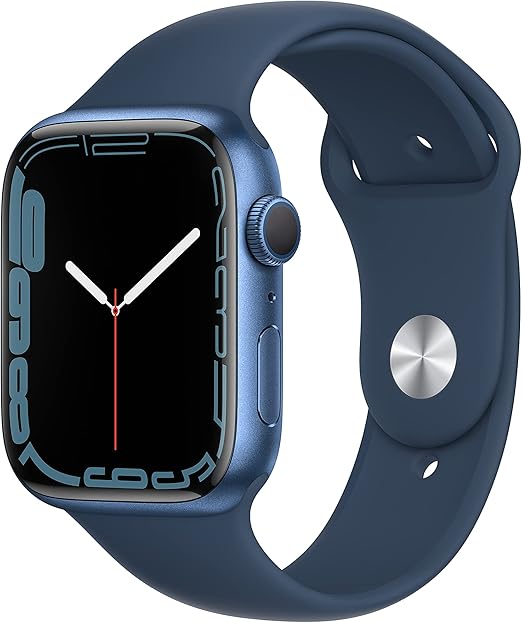
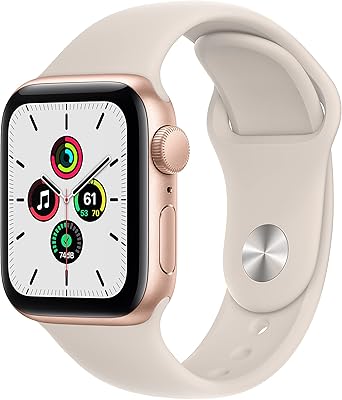
Apple vs Motorola: Overview
Comparing Apple and Motorola helps you determine which brand is best suited for your needs in Smart Watch. Both brands offer strong choices depending on your budget and key feature requirements.
Key Features & Comparison
Evaluate factors such as build quality, warranty, customer satisfaction, and total value before making your final purchase choice between Apple and Motorola.
Battery Life
Battery life highlights a fundamental divergence in design philosophy and processing overhead between Apple and Motorola smartwatches. Apple Watch devices, including the flagship Series 9 and SE, typically deliver around 18 to 36 hours of operational uptime per charge, necessitating daily charging cycles. This intensive power draw is largely the byproduct of driving a resource-heavy operating system (watchOS), continuous background sensor polling, micro-animations, and high-luminance always-on Retina displays. Even the endurance-focused Apple Watch Ultra only stretches operational life to roughly 60 to 72 hours in low-power modes, making power management an ongoing consideration for Apple users.
Conversely, Motorola—represented predominantly by its Moto Watch series—utilizes lightweight proprietary software (Moto Watch OS) engineered specifically to maximize energy efficiency. By ditching the resource-draining background processes and high-overhead architectures of full-fledged platforms, Motorola smartwatches routinely achieve between 7 to 14 days of battery life on a single charge. Motorola also incorporates rapid charging technologies capable of restoring substantial uptime within 30 to 60 minutes. For consumers who prioritize prolonged tracking, minimal wall-tethering, and seamless multiday sleep logging without charging anxiety, Motorola provides a substantially more resilient solution, whereas Apple demands a structured daily recharge routine.
Build Quality & Durability
When examining build quality and chassis engineering, Apple operates at the pinnacle of consumer electronics manufacturing. Apple Watches leverage aerospace-grade aluminum, high-density polished stainless steel, and, in the Ultra lineup, robust aerospace titanium. Display durability is bifurcated into standard Ion-X strengthened glass on entry models and scratch-resistant sapphire crystal on higher tiers. In terms of environmental sealing, mainstream Apple wearables feature 50-meter water resistance (WR50/swimproof), while the Ultra steps up to 100 meters (WR100) alongside EN13319 dive certification and MIL-STD 810H compliance. Precision tolerances, haptic gasket seals, and refined physical controls like the Digital Crown establish a luxurious, highly durable physical package.
Motorola approaches build quality with a value-driven utilitarian mindset, balancing functional resilience against strict cost targets. Modern Moto Watch offerings generally feature aluminum alloy casings with sandblasted finishes paired with standard silicate glass or chemically strengthened curved lens covers, which provide adequate protection against everyday scuffs but lack the scratch immunity of sapphire. Water resistance typically maxes out at 5 ATM (IP68), making them well-suited for swimming and weather exposure, though not for high-velocity aquatic sports. While Motorola's construction is durable, lightweight, and capable of enduring daily exercise regimes, it lacks the surgical precision, premium material variety, and extreme-environment engineering inherent to Apple's portfolio.
Health & Fitness Tracking
Apple represents one of the most comprehensive, clinically validated platforms in personal health monitoring. Apple Watch models incorporate advanced biometric suites, including electrical heart sensors for on-demand electrocardiograms (ECGs), optical photoplethysmography (PPG) sensors for blood oxygen and irregular rhythm alerts, dual-temperature sensing for ovulatory and sleep trend analysis, and sophisticated accelerometer arrays powering car crash and fall detection. The integration with Apple Health provides extensive data modeling, trend recognition, and longitudinal health reporting that holds certified medical clearance (FDA clearance) across multiple features, positioning it as an invaluable preventive health instrument.
Motorola delivers foundational health tracking geared primarily toward everyday fitness metrics rather than clinical-grade diagnostics. Modern Moto Watches track dynamic heart rate, blood oxygen saturation (SpO2), continuous sleep phases, and common activity metrics across dozens of sport-tracking profiles. However, Motorola lacks advanced features such as FDA-cleared ECG generation, skin temperature analysis, or AFib detection algorithms. While the companion Moto Watch app provides clear, accessible overviews of daily steps, burned calories, and resting heart rates that satisfy casual fitness enthusiasts, it does not match the diagnostic depth, sensor calibration precision, or medical research-grade utility native to Apple's ecosystem.
Smart Features & Connectivity
In the smart features and ecosystem integration category, Apple commands a decisive technical advantage. Operating on watchOS, Apple Watches function practically as wrist-bound microcomputers, offering a rich standalone App Store, independent cellular (LTE/UMTS) configurations, advanced offline mapping, seamless Apple Pay transactions, and integrated Siri voice processing. Deep synergy with iOS allows for fluid notification triage, rich messaging with full keyboard input, voice dictation, smart home orchestration via HomeKit, and continuous device handoff within the Apple hardware ecosystem. It transforms the smartwatch from a passive accessory into an active computing hub.
Motorola smartwatches operate under a constrained smart model that emphasizes notifications over interactive execution. Rather than running a heavyweight third-party app platform, Moto Watch OS is limited to mirroring smartphone alerts, controlling media playback, viewing basic weather forecasts, and answering incoming Bluetooth calls on speaker-equipped hardware. There is no integrated NFC payment pipeline, no third-party app ecosystem, and no independent cellular connectivity. The primary benefit of Motorola's approach is cross-platform flexibility, syncing reliably with both Android and iOS devices, whereas Apple restricts its wearable strictly to iPhone owners. Consequently, Motorola suits users seeking a straightforward notification conduit, whereas Apple delivers an uncompromising smart platform.
Compare current retail pricing, active promotions, and verified stock availability directly from authorized stores: