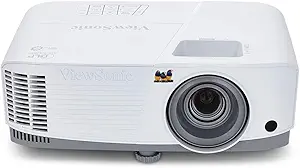







ViewSonic vs BenQ: Overview
Comparing ViewSonic and BenQ helps you determine which brand is best suited for your needs in Projectors. Both brands offer strong choices depending on your budget and key feature requirements.
Key Features & Comparison
Evaluate factors such as build quality, warranty, customer satisfaction, and total value before making your final purchase choice between ViewSonic and BenQ.
Product Selection
BenQ offers an extensive and highly curated catalog that caters specifically to discerning cinephiles, competitive gamers, and business professionals. Their portfolio is distinguished by high-end home theater models, notably the CinePrime and CinePro series featuring true 4K resolution, HDR-PRO technology, and factory color calibration. Additionally, BenQ has cornered niche markets with specialized gaming projectors—such as the X-series, engineered for low input lag and high refresh rates—alongside ultra-short-throw (UST) living room laser displays and durable, outdoor-friendly portable units. This targeted segmentation ensures that high-demand users find hardware explicitly optimized for their unique acoustic and optical environments.
ViewSonic matches this diversity with a broader, highly pragmatic lineup that spans budget home entertainment, interactive classroom displays, and ultra-portable lifestyle projectors. ViewSonic’s portfolio shines particularly in the education and corporate sectors with its commercial-grade lamp and laser projectors, as well as its versatile M-series LED portables and X-series smart 4K projectors. While ViewSonic may offer fewer ultra-high-end, DCI-P3 calibrated cinema models compared to BenQ, they compensate with a wider spread of hybrid, multi-purpose units that transition smoothly between home media, remote work presentations, and outdoor travel, giving general consumers a robust selection across common use cases.
Affordability
When analyzing price-to-performance metrics, ViewSonic typically emerges as the more aggressive competitor in the budget and entry-level mid-range segments. The brand strategically prices its 1080p and entry-level 4K DLP projectors below comparable rivals, making modern solid-state LED and laser lighting engines accessible to price-conscious buyers. ViewSonic achieves this affordability without stripping away essential modern features, frequently bundling built-in smart platforms, integrated Harman Kardon speakers, and flexible keystone correction into models priced several hundred dollars below direct competitors, making them an exceptional value proposition for casual consumers.
BenQ positions its product line at a moderate to premium price tier, reflecting its investment in specialized optics, factory-calibrated color accuracy, and proprietary software. While BenQ does offer competitive entry-level models, such as the venerable HT2050A and TH series, consumers generally pay a premium across their 4K and gaming lineups. However, this higher upfront investment is justified by refined internal processing, better dynamic tone mapping, lower input latencies, and premium glass lens assemblies that mitigate optical aberrations. BenQ is less about rock-bottom pricing and more about delivering high enthusiast-grade performance per dollar spent.
Quality/Durability
BenQ has cultivated an exceptional reputation for industrial design, optical engineering, and thermal management. The brand uses superior all-glass lens elements across many of its mid-to-high-tier models, minimizing chromatic aberration and preventing focus shift caused by thermal expansion during extended viewing sessions. BenQ projectors also boast sophisticated, multi-fan cooling layouts with proprietary acoustic dampening, keeping fan noise unobtrusive while protecting internal DLP chips and light engines from heat-related degradation. Their solid-state laser and 4LED light sources routinely achieve lifespan ratings of 20,000 to 30,000 hours, underpinned by robust chassis builds engineered for sustained daily operation.
ViewSonic prioritizes physical durability and structural utility, particularly evident in their enterprise, educational, and rugged portable lineups. Many ViewSonic portable models feature clever protective elements, such as multi-functional lens covers that double as 360-degree swivel stands, shielding delicate optics during transit. While ViewSonic’s reliance on plastic optical elements in their entry-level models can occasionally result in slight edge softness or thermal focus drift compared to BenQ’s glass arrays, their solid-state LED and phosphor laser projectors boast industry-standard lifespans of up to 30,000 hours with minimal maintenance requirements, demonstrating strong overall longevity and everyday reliability.
Customer Support & Warranty
BenQ backs its projector ecosystem with competitive, tiered warranty coverage, typically providing three years of parts and labor protection on mainstream home theater and professional units, alongside dedicated coverage periods for original lamps. BenQ’s customer support network is well-regarded among audiovisual enthusiasts, featuring direct technical assistance channels, responsive online ticketing, and established service depots across North America and Europe. Users frequently cite knowledgeable support representatives who can address complex technical inquiries regarding throw ratios, color space profiling, and firmware updates, providing confidence to high-end buyers.
ViewSonic sets a formidable industry benchmark when it comes to warranty terms, historically offering generous three-year limited warranties on parts and labor across a broad cross-section of its catalog, often including dedicated first-year express exchange services. ViewSonic’s customer service infrastructure is streamlined and commercial-friendly, reflecting its deep roots in corporate IT and educational hardware procurement. While self-service driver and firmware portals can occasionally be less specialized for consumer AV tweaks compared to BenQ's, ViewSonic's return-merchandise-authorization (RMA) process is widely praised for its efficiency, speed, and customer-first execution.
Picture Quality
Picture quality is the arena where BenQ distinctly pulls ahead, particularly for discerning home theater enthusiasts and purists. BenQ's CinematicColor technology, factory calibration reports (Delta E < 3 out of the box), and wide color gamut support covering 100% of Rec.709 and high percentages of DCI-P3 result in remarkably accurate, naturalistic imagery. Their proprietary HDR-PRO technology incorporates tailored tone mapping and dynamic iris control, producing deep black levels, nuanced shadow detail, and punchy specular highlights that maximize the potential of single-chip DLP architecture without suffering from severe color banding.
ViewSonic delivers vibrant, high-impact visuals through its proprietary SuperColor technology, which excels in environments with ambient light by emphasizing high peak brightness and saturation. While ViewSonic 4K projectors render sharp, highly detailed images with excellent clarity, their factory tuning tends to lean toward cooler color temperatures and punchier, consumer-grade contrast profiles rather than strict reference-standard accuracy. For casual movie watching, sports streaming, and gaming, ViewSonic offers an engaging, colorful presentation, though it lacks the critical tonal accuracy, fine shadow rendering, and sophisticated dynamic tone mapping that make BenQ the preferred choice for dark-room cinema enthusiasts.