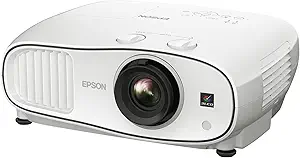






Epson vs ViewSonic: Overview & Brand Philosophy
When navigating the display technology landscape, Epson and ViewSonic stand out as two of the most recognizable and formidable manufacturers in the projector market. While both brands service overlapping segments—spanning from portable leisure units to ultra-bright corporate boardrooms and high-end home theaters—they approach light projection from fundamentally divergent technological and philosophical standpoints. Epson, a vertically integrated Japanese multinational, has built its brand identity on pioneering proprietary display tech, maintaining an uncompromising commitment to balanced color output and enterprise-grade reliability.
Conversely, ViewSonic, headquartered in California, embodies the philosophy of agile visual solutions focused on delivering maximum feature sets per dollar spent. Historically renowned for its computer monitors, ViewSonic applies its visual display acumen to projectors by primarily leveraging Texas Instruments' DLP (Digital Light Processing) technology. ViewSonic focuses on delivering high-refresh rates, ultra-low input lag for gaming, flexible hybrid connectivity, and competitive pricing, making them a favorite among home entertainment enthusiasts, gamers, and budget-conscious educational facilities.
Ultimately, this comparison represents a classic industry duel: the proprietary engineering and color-uniformity mastery of Epson’s 3LCD systems versus ViewSonic’s feature-packed, hyper-responsive, and value-driven DLP ecosystem. Understanding the fundamental nuances between their projection engines, operational life spans, and color management systems is vital to identifying which brand will best serve your specific environment.
Key Differences & Technological Comparison
The most consequential differentiator between Epson and ViewSonic lies within their core display engines. Epson exclusively utilizes proprietary 3LCD (Liquid Crystal Display) technology across its product lines. By splitting white light into primary red, green, and blue beams via dichroic mirrors and recombining them through dedicated LCD panels, Epson engines produce 100% of the red, green, and blue color signals continuously. This prevents the "color brightness deficit" and eliminates the notorious rainbow artifacting (color fringing) that can plague certain viewers.
ViewSonic, by contrast, largely relies on single-chip DLP architecture. Single-chip DLP uses a Digital Micromirror Device (DMD) paired with a high-speed rotating color wheel (or solid-state LED/Laser switching) to sequentially project primary colors onto the screen. This technology delivers exceptionally sharp optical focus, as there are no panel-alignment discrepancies to manage. ViewSonic's implementation of DLP allows for significantly higher native contrast ratios and deep black levels in low-lit environments, as micromirrors can physically tilt away to dump light into an internal absorber.
Resolution handling and motion performance further distinguish the two brands. In the 4K consumer tier, Epson predominantly uses advanced pixel-shifting technology (known as 4K PRO-UHD), shifting 1080p LCD panels diagonally at high frequencies to double the addressable pixels to 4.15 million, which results in a smooth, cinematic, film-like texture. ViewSonic uses XPR (Expanded Pixel Resolution) micromirror shifting on smaller DLP chips to address the full 8.3 million pixels required for true 4K UHD, yielding marginally sharper text and hyper-defined graphics at the cost of slight acoustic hum.
Connectivity, smart integration, and chassis build quality also diverge. ViewSonic often integrates modern consumer conveniences rapidly—featuring USB-C video input with power delivery, integrated Harman Kardon speaker arrays, and low-latency modes (often hitting 4.2ms at 240Hz) specifically optimized for console and PC gaming. Epson projects an air of industrial durability; its units are often physically larger to facilitate high-efficiency, low-noise cooling systems, motorized lens architectures with expansive optical lens shift, and expansive optical zoom ratios that dramatically outclass ViewSonic's standard throw flexibility.
Pros & Cons Comparison
Epson Projectors
- Pro: Equal White and Color Brightness: 3LCD ensures vibrant, fully saturated color output even in rooms with high ambient light.
- Pro: Zero Rainbow Artifacts: The simultaneous 3-panel projection eliminates the strobing rainbow effect inherent to color-wheel systems.
- Pro: Superior Placement Flexibility: Advanced optical zoom lenses and generous horizontal/vertical physical lens shift make setup remarkably versatile.
- Pro: Cinema-Grade Color Reproduction: Extensive factory calibration out-of-the-box with support for wide color gamuts (up to DCI-P3).
- Con: Larger Chassis Footprint: Most models are bulkier and heavier due to multi-panel optical blocks and heat dissipation systems.
- Con: Regular Maintenance Required: Air filters must be regularly vacuumed or replaced to prevent dust blobs on the non-sealed LCD panels.
ViewSonic Projectors
- Pro: High Native Sharpness & Contrast: DLP micromirror tech produces crisp edge-to-edge definition, deep black levels, and high ANSI contrast.
- Pro: Gamer-Centric Performance: Class-leading low input lag, high refresh rates (up to 240Hz), and specialized gaming profiles.
- Pro: Sealed Optical Engine: Dust-free optical designs (IP5X rated) minimize maintenance needs and permanently eliminate dust blobs.
- Pro: Modern Lifestyle Features: Excellent onboard audio (frequently Harman Kardon tuned), USB-C video/charging, and ultra-portable configurations.
- Con: Susceptible to Rainbow Effect: Viewers sensitive to color-wheel sequencing may experience visual fatigue or color flashing.
- Con: Limited Lens Shift & Zoom: Stricter placement requirements often necessitate precise manual mounting or heavy digital keystone correction.
Performance, Durability & Value Analysis
From a longevity and reliability perspective, both manufacturers demonstrate high build standards, but their wear-and-tear profiles differ substantially. ViewSonic’s utilization of sealed optical blocks gives it a distinct durability advantage in dusty environments or portable applications, effectively shielding the light path from ambient particles. Additionally, ViewSonic has aggressively transitioned its lineup toward solid-state LED and Laser light sources, yielding up to 30,000 hours of maintenance-free operation. Epson’s higher-end commercial and residential laser projectors match these operational lifespan metrics, though their entry-to-mid tier lamp-based units will require periodic bulb replacements every 3,000 to 7,500 hours, alongside routine air-filter cleanings to avoid panel degradation.
In terms of pure economic value, ViewSonic typically claims victory in raw features per dollar. If you are shopping in the sub-$1,500 market, ViewSonic frequently offers higher native pixel counts (true 8.3M 4K UHD via XPR), specialized gaming firmware, superior onboard audio, and compact forms that Epson cannot match at the identical price point. However, Epson's value proposition is centered on total visual fidelity, optical adaptability, and resale value. The inclusion of high-quality glass optics with extensive physical lens shift mechanisms often saves buyers hundreds of dollars in mounting hardware or room remodeling costs, delivering high long-term satisfaction for dedicated installations.
Final Verdict: Which Brand Should You Choose?
Your ultimate decision between Epson and ViewSonic should be guided by your primary content consumption habits, the ambient light dynamics of your space, and your physical room constraints:
Choose Epson if: You are designing a dedicated home theater, need high color brightness for daylight living room viewing, or have complicated room dimensions that require substantial optical lens shift and zoom flexibility. Epson is particularly recommended for cinephiles who value authentic film reproduction and viewers who are biologically sensitive to the DLP rainbow effect.
Choose ViewSonic if: You prioritize competitive or casual gaming, desire needle-sharp 4K text and graphic presentation, require a low-maintenance or portable plug-and-play solution, or are working within a strict budget. ViewSonic is the standout winner for media rooms where fast-action gaming, modern device integration (via USB-C), and maximum feature-density define the entertainment experience.
Product Selection
Epson dominates the projector market through sheer breadth and technological specialization, anchoring its extensive product catalog in proprietary 3-chip LCD (3LCD) architecture. Their portfolio spans entry-level classroom units to high-lumen, multi-thousand-dollar commercial installation and native 4K home theater systems. In terms of engineering and feature distribution, Epson’s selection caters heavily to color-critical applications; because 3LCD produces 100% balanced white and color brightness without a color wheel, their selection inherently appeals to videophiles and professional venues demanding color accuracy and high lumens. The brand features deep, specialized sub-ranges—such as the EpiqVision line for modern ultra-short-throw smart entertainment, the Pro Cinema series with motorized optics and lens memory for dedicated media rooms, and the PowerLite series for education and enterprise. The primary technical trade-off within Epson’s catalog is the historical reliance on pixel-shifting technologies (4K PRO-UHD) across its mid-tier offerings rather than true native 4K panels, alongside physically bulkier chassis designs due to the complex optical paths required by three separate liquid crystal panels.
ViewSonic approaches product selection with a strategy built on cost-efficiency, modern versatility, and ubiquitous digital light processing (DLP) technology. Leveraging Texas Instruments' single-chip DLP chips across almost the entirety of its range, ViewSonic offers an expansive array of portable, gaming, interactive classroom, and commercial installation projectors. While Epson prioritizes the upper echelons of dedicated home theater and high-output enterprise venues, ViewSonic excels in the dynamic, budget-to-midrange space. Their portfolio features class-leading compact smart projectors (such as the M-series), dedicated ultra-low input lag gaming models with specialized refresh rates (such as the PX and X series), and solid-state LED and laser lamp-free projectors that emphasize rapid on/off cycles and extended lifespans. However, the trade-off inherent to ViewSonic’s DLP-centric selection is the potential for rainbow artifacts (color breakup) caused by spinning color wheels, lower color brightness ratios compared to white brightness in lamp-based budget units, and relatively limited optical zoom or physical lens shift options compared to Epson’s mechanically superior, installation-friendly models.
Ultimately, the product selection between these two manufacturers reflects distinct architectural philosophies and target audiences. Epson provides an uncompromising, highly segmented selection designed for buyers who prioritize color fidelity, motorized lens versatility, and true light output across large, ambient-lit spaces or darkened luxury theaters. ViewSonic delivers a broader, more agile, and accessible lineup with an aggressive focus on value-per-lumen, smart platform integrations, low-maintenance solid-state light sources, and gaming performance. Consumers seeking refined optics, extensive lens shift, and cinematic color accuracy will find Epson’s catalog far more robust, whereas users demanding space-saving portability, rapid setup, high refresh rates, and cost-effective solid-state lighting are better served by ViewSonic’s diverse DLP ecosystem.
Affordability
When evaluating affordability in the projector market, ViewSonic consistently emerges as the champion of baseline entry pricing and upfront consumer value. By heavily leveraging single-chip DLP (Digital Light Processing) technology across its product lines, ViewSonic significantly minimizes manufacturing costs while delivering compact chassis designs, native 1080p and 4K resolutions, and low input lag at price thresholds that traditional competitors struggle to match. Models such as the PX701-4K illustrate ViewSonic’s ability to democratize high-refresh gaming and ultra-high-definition projection for budget-conscious consumers and educators. Furthermore, ViewSonic aggressively incorporates modern, cost-effective solid-state illumination, offering affordable LED and phosphor laser projectors (such as the M-series and LS-series) that virtually eliminate the recurrent cost of replacement lamps. The primary trade-off for this lower capital investment lies in optical limitations, as lower-cost ViewSonic models often feature limited optical zoom, minimal lens shift capabilities, and susceptibility to the DLP "rainbow effect" due to color wheel mechanics.
Epson approaches affordability through the lens of long-term total cost of ownership (TCO) and superior color performance, though it typically demands a higher initial investment. Anchoring its engineering on proprietary 3LCD optical engines, Epson guarantees equal white and color brightness (CLO), avoiding the washed-out color gamuts often experienced on budget DLP alternatives in high-ambient-light environments. While Epson’s entry-level standard lamp-based projectors carry a slight price premium over ViewSonic’s baseline DLP units, Epson strategically mitigates ongoing operational expenditures by pricing its official replacement lamps exceptionally low—often under sixty dollars for entry-level home and classroom lines. Additionally, budget-to-midrange Epson models generally incorporate superior optical flexibility, including broader manual zoom ranges, physical lens shift, and robust keystone correction, which saves consumers the ancillary costs associated with precise mount placement or specialized installation hardware.
Ultimately, the affordability dichotomy between these two brands rests on the consumer’s definition of value: initial purchase price versus sustained optical utility. ViewSonic is the undisputed frontrunner for buyers seeking maximum pixel density, gaming responsiveness, and contemporary smart/LED features on a strict financial limit, offering unmatched hardware-per-dollar ratios straight out of the box. Conversely, Epson offers a more sophisticated value proposition; while the upfront price tag is marginally steeper, it delivers vastly superior color fidelity, placement versatility, and remarkably inexpensive maintenance, making it the more financially sound, value-retaining investment for mixed-use home theaters and prolonged enterprise deployments.
Quality/Durability
When evaluating engineering quality and long-term durability, the fundamental divergence between Epson and ViewSonic stems from their foundational display technologies: Epson’s proprietary 3LCD architecture versus ViewSonic’s reliance on single-chip Texas Instruments DLP technology. Epson’s industrial design emphasizes optical precision and thermal management, which is critical given that 3LCD engines utilize a complex array of dichroic mirrors and three discrete polysilicon TFT liquid crystal panels. Because these components are susceptible to heat-induced optical degradation—historically manifesting as panel yellowing or polarization decay—Epson integrates robust electrostatic filtration systems and high-efficiency fan arrays into their chassis. In contrast, ViewSonic leverages the inherent mechanical resilience of the sealed DLP optical block. By utilizing a physical Digital Micromirror Device (DMD) alongside a rotating color wheel, ViewSonic projectors exhibit superior resistance to ambient dust infiltration and environmental thermal stress, effectively eliminating the risk of internal optical alignment drift over years of operation.
In terms of light source longevity and structural build, both manufacturers offer distinct trade-offs across their entry-level and enterprise lineups. Epson shines predominantly in the laser-phosphor segment with its ProScene and advanced Home Cinema lines, where solid-state proprietary laser engines boast a mean time between failures (MTBF) of up to 20,000 to 30,000 hours with minimal chromatic decay or lumen depreciation. Their chassis construction features premium, high-density thermoplastics, though their traditional lamp-based models require meticulous user maintenance, specifically periodic air filter cleanings, to prevent thermal throttling. ViewSonic counters with exceptional endurance in compact, education, and commercial environments, particularly with their 3rd-generation LED and hybrid laser solutions (such as the LS series). ViewSonic's IP5X-certified sealed optical engines provide a distinct durability advantage in high-particulate settings—such as classrooms or dusty conference rooms—rendering them virtually filter-free and dramatically lowering routine hardware maintenance compared to Epson.
Ultimately, the practical choice regarding quality and durability hinges on the operational environment versus optical fidelity over time. ViewSonic offers higher structural fault tolerance and lower physical maintenance overhead; the absence of organic panel degradation, combined with robust, modular power supplies and sealed engines, makes their DLP units practically indestructible workhorses for rigorous daily use. Conversely, Epson delivers a higher standard of out-of-the-box build refinement, optical uniformity, and component-level calibration, entirely avoiding mechanical wear parts like spinning color wheels, which can occasionally suffer bearing failure in high-hour DLP units. For controlled environments where absolute image consistency, mechanical stillness, and color brightness retention are paramount, Epson demonstrates superior optical quality; however, ViewSonic remains the more rugged and low-maintenance option when durability against environmental factors and long-term thermal wear is the primary buying metric.
Customer Support & Warranty
When evaluating post-purchase reliability in the projector market, Epson stands out as an industry benchmark, largely driven by its aggressive warranty fulfillment infrastructure. For most of its home theater, education, and commercial lines, Epson typically pairs its hardware with a robust two-to-three-year limited warranty that often includes the proprietary "Epson Extra Care Road Service." This program is an immense technical and operational advantage, providing expedited, next-business-day unit replacement rather than forcing consumers to wait for bench repairs. Furthermore, because Epson engineers its own 3LCD optical engines and proprietary lamp assemblies, its tier-two and tier-three support agents possess deep, vertically integrated troubleshooting expertise. However, a notable trade-off lies in consumable coverage; standard lamp warranties are often restricted to 90 days, though high-end laser models carry comprehensive five-year or 12,000-to-20,000-hour guarantees on the solid-state light engine, cementing Epson’s reputation for enterprise-grade continuity.
ViewSonic counters with an exceptionally consumer-friendly, standardized warranty policy that often surpasses standard market baselines for mid-tier projection. ViewSonic models universally feature a three-year limited warranty covering parts and labor, accompanied by a generous one-year lamp warranty on conventional bulb-based models—quadrupling the duration of Epson’s consumable coverage. For enterprise and educational installations, ViewSonic offers an Express Exchange service similar to Epson's, keeping operational downtime minimal. The engineering trade-off surfaces in customer service routing and specialized diagnostic depth; because ViewSonic primarily utilizes Texas Instruments DLP chipsets rather than fully proprietary optical architectures, hardware RMA diagnostics are occasionally routed through third-party service centers, which can introduce longer bench-repair turnaround times if direct replacement units are backordered.
Ultimately, the practical trade-off between the two brands hinges on application environment and component lifecycles. Epson’s technical support ecosystem is superior for mission-critical corporate installations and premium home theaters where immediate advanced hardware exchange and specialized in-house engineering support prevent catastrophic downtime. Conversely, ViewSonic provides greater baseline financial protection for cost-conscious consumers and small businesses, particularly due to its substantially longer standard lamp coverage on bulb-based units. For users investing in solid-state (LED/Laser) technology, Epson maintains a slight edge in customer-facing infrastructure reliability, while ViewSonic dominates the entry-to-mid-tier DLP segment through sheer duration of standard coverage.
Picture Quality
When comparing the picture quality between Epson and ViewSonic projectors, the core differentiator lies in their foundational projection technologies. Epson almost exclusively champions proprietary 3-chip 3LCD technology, which delivers exceptional color volume and eliminates the distracting "rainbow effect" (color breakup) inherent in single-chip designs. Because 3LCD architecture generates red, green, and blue light continuously, Epson projectors boast an equal balance of Color Light Output (CLO) and White Light Output. This results in remarkably vibrant, natural color reproduction and prevents image degradation in ambient-lit living spaces. By contrast, ViewSonic primarily utilizes single-chip Digital Light Processing (DLP) technology paired with proprietary SuperColor color wheels. While ViewSonic excels at delivering ultra-sharp per-pixel delineation, exceptional ANSI contrast, and virtually zero pixel gap (minimized screen-door effect), its color brightness can lag behind its white peak brightness, occasionally yielding oversaturated or slightly muddy tones when pushed to maximum lumen thresholds.
In terms of resolution, motion handling, and dynamic range engineering, both brands cater to distinctly different viewing environments and visual priorities. Epson leverages advanced pixel-shifting—often branded as 4K PRO-UHD—which, while technically achieving 4K resolution on screen, delivers a slightly softer, more analog and cinematic image. However, Epson's high-end optical engine engineering, dynamic iris implementation, and UltraBlack contrast technologies allow it to achieve significantly deeper native black levels, making it the superior choice for dedicated, light-controlled home theater spaces where shadow detail is paramount. ViewSonic counters with Texas Instruments' fast-switching XPR micromirror technology, producing a crisper, more razor-sharp 4K image that excels in high-clarity PC text, gaming graphics, and fast-action sports. Furthermore, ViewSonic's DLP-driven native response times are virtually lag-free with minimal motion blur, providing pristine kinetic clarity compared to the slightly slower liquid crystal transitions of LCD panels.
Ultimately, the practical trade-offs regarding picture quality come down to viewing material and environmental control. Epson represents the purist’s choice for color fidelity, immersive cinema, and color uniformity across varied lighting conditions, though buyers must accept a physically larger chassis and potential panel alignment drift over long-term usage. ViewSonic offers an enticing, value-forward alternative characterized by pinpoint sharpness, high static contrast, and maintenance-free, sealed optical engines that resist dust contamination. However, home theater enthusiasts sensitive to chromatic DLP artifacts or demanding perfect color luminescence in high-ambient-light settings will find Epson's color-rich engineering inherently superior for nuanced picture reproduction.
Compare current retail pricing, active promotions, and verified stock availability directly from authorized stores: