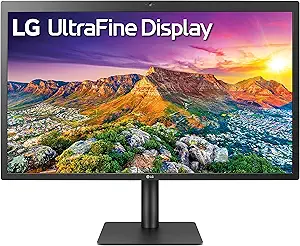
LG vs BenQ: Overview & Brand Philosophy
In the modern display market, few rivalries illustrate differing manufacturing philosophies as vividly as LG and BenQ. LG Electronics operates as a vertically integrated titan. Leveraging its display manufacturing division, LG Display, the company acts as a primary innovator and supplier of display panels to the entire tech sector. LG's philosophy centers on advancing cutting-edge panel technology, pushing boundaries in consumer OLED displays, high-refresh UltraGear gaming platforms, and ultra-wide productivity screens. Their consumer-facing approach blends mass-market accessibility with bleeding-edge visual fidelity.
Conversely, BenQ positions itself not as a raw panel innovator, but as an engineering specialist that optimizes third-party panels for niche, performance-critical demographics. Emerging from the Acer group decades ago, the Taiwanese manufacturer has carved out authoritative positions in competitive esports via its ZOWIE brand, and professional creative sectors via its PhotoVue (SW) and DesignVue (PD) series. BenQ’s philosophy emphasizes ergonomic precision, industry-leading eye-care ergonomics, hardware-level calibration, and workflow-specific utilities rather than adopting nascent panel trends purely for novelty.
Consequently, choosing between these two industry stalwarts requires evaluating whether your priorities lean toward cutting-edge consumer display innovation or calculated, task-specific engineering. While LG democratizes premium panel formats such as Nano IPS and WOLED, BenQ refines existing display architectures to extract the absolute maximum utility for creatives, coders, and competitive gamers.
Key Differences & Technological Comparison
The core technological rift between LG and BenQ lies in panel architecture and vertical specialization. LG’s primary competitive advantage is early access to proprietary panel technologies developed under the LG umbrella. This is most evident in their Nano IPS panels, which utilize an applied layer of nanoparticles to absorb excess light wavelengths, resulting in wider color gamuts (typically 98% DCI-P3) and rapid response times. Furthermore, LG is the clear leader in premium consumer OLED monitors, offering near-instantaneous 0.03ms pixel response times, infinite contrast ratios, and per-pixel illumination that BenQ’s mainstream consumer catalog simply does not match.
BenQ, however, excels in proprietary firmware, signal processing, and targeted ergonomic technologies. While LG relies on native panel performance, BenQ designs specific solutions such as DyAc (Dynamic Accuracy) on its ZOWIE esports monitors. DyAc actively reduces motion blur via aggressive, customized backlight strobing that competitive players often favor over standard variable refresh rate implementations. For creative professionals, BenQ implements proprietary Uniformity Technology and ships its PD and SW series monitors with internal 14-bit or 16-bit 3D Look-Up Tables (LUTs), enabling hardware-level color calibration via their dedicated Palette Master software—a feature set LG only reserves for its rarest, high-end Pro-tier displays.
Form-factor design and daily usability also diverge significantly. LG focuses on immersion and modern aesthetics, often featuring aggressive gaming stylings, ultra-slim "borderless" bezels, and wide curved 21:9 or 32:9 formats. BenQ prioritizes workspace utility and eye health. BenQ’s proprietary "Eye-Care" suite includes ambient light-sensing Brightness Intelligence Plus (B.I.+), low blue light hardware filters, and zero-flicker certifications. Additionally, BenQ frequently integrates functional physical accessories, such as the hotkey Puck (an external controller for rapid OSD navigation and color-space switching) and built-in KVM switches geared toward multi-system productivity.
Pros & Cons Comparison
LG Monitors
- Pro: Cutting-Edge Panel Technology: Direct access to proprietary Nano IPS and high-refresh OLED panels ensures market-leading visual immersion, contrast, and response metrics.
- Pro: Ultrawide and Form-Factor Leadership: Vast array of 21:9, 32:9, and DualUp (16:18) form factors tailored for modern multitasking and expansive gaming setups.
- Pro: Intuitive User Interface: Streamlined OSD navigation managed via an intuitive physical joystick, alongside robust desktop software control via LG OnScreen Control.
- Con: Ergonomic Feature Gaps: Lacks hardware-driven ambient light sensors and advanced eye-care software suites found as standard on rival mid-tier models.
- Con: Variable Factory Calibration: Consumer-tier monitors can exhibit panel-to-panel variance in color uniformity and IPS glow, often requiring manual post-purchase calibration.
BenQ Monitors
- Pro: Professional Color Management: Exceptional out-of-the-box factory calibration, factory calibration reports, and true hardware LUT calibration support in design-centric tiers.
- Pro: Class-Leading Esports Performance: ZOWIE monitors feature proprietary DyAc+ technology, offering motion clarity and target acquisition that remain the gold standard in competitive shooters.
- Pro: Advanced Eye-Care Engineering: Comprehensive hardware-level low blue light emissions, zero-flicker backlights, and intelligent ambient light adaptation reduce visual fatigue during long sessions.
- Con: Limited Next-Gen Panel Options: Slower to adopt OLED, high-zone Mini-LED, or ultra-fast variable refresh rate panel technologies in their mainstream lineups.
- Con: Aesthetic Form Factor: Often utilitarian and industrial in physical design, featuring thicker chassis frames and wider bezels to reduce external glare and house complex internal electronics.
Performance, Durability & Value Analysis
From a performance perspective, evaluating these brands requires mapping them to precise use cases. For dynamic multimedia consumption, cinematic gaming, and cutting-edge specs per dollar, LG generally provides superior value. An LG UltraGear monitor will routinely offer higher refresh rates, broader HDR coverage, and newer panel revisions than a similarly priced BenQ model. In terms of durability, LG’s chassis designs frequently utilize lightweight plastics which, while structurally sound, can feel less substantial than BenQ’s heavy-duty industrial framing. Long-term reliability is largely defined by panel longevity; while LG's IPS panels demonstrate high durability, their OLED portfolio inherently demands consideration of long-term burn-in risks, mitigated primarily by integrated pixel-cleaning firmware.
BenQ positions its value proposition on productivity longevity and precise workflow optimization. A BenQ monitor purchased for desktop publishing, color grading, or competitive esports typically retains its functional value over a longer lifecycle because it is engineered around enduring standards (such as Rec.709/AdobeRGB adherence or fixed-frame motion clarity) rather than evolving refresh rate benchmarks. BenQ displays often feature robust internal power supplies, metal-reinforced ergonomic stands, and internal thermal management designed for continuous operation. While you typically pay a price premium relative to raw panel specs, the inclusion of productivity hardware—such as external OSD pucks, shading hoods, and integrated KVM switches—delivers tangible, professional-grade value over years of daily enterprise use.
Final Verdict: Which Brand Should You Choose?
Your choice between LG and BenQ ultimately hinges on whether your priority is visual immersion and raw panel speed, or professional color accuracy and workplace ergonomics.
Choose LG if: You are an avid gamer, multimedia enthusiast, or power multitasker seeking the most advanced panel technologies available. LG is the definitive choice for consumers seeking the pristine contrast and instantaneous response of OLED, the vibrant saturation of Nano IPS, or expansive ultrawide form factors. If you want high-refresh gaming performance coupled with modern, minimalist hardware aesthetics at an aggressive price point, LG is the superior option.
Choose BenQ if: You are a creative professional, specialized programmer, or competitive esports player. Photographers and video editors who require hardware-level calibration, comprehensive color gamut coverage, and guaranteed panel uniformity should invest in BenQ’s SW or PD lines. Similarly, competitive FPS players who value blur reduction and dynamic accuracy over visual fidelity will find the ZOWIE line peerless. Finally, knowledge workers subject to 8-to-12-hour screen sessions will benefit immensely from BenQ's industry-leading Eye-Care and ambient-sensing technologies.
Affordability
When evaluating affordability in the monitor space, LG leverages massive vertical integration to deliver aggressive price-to-performance ratios, particularly in the mainstream, ultra-wide, and high-refresh-rate IPS categories. Because LG manufactures its own display panels through LG Display, it can cut out intermediary costs, allowing the brand to equip budget-friendly displays with superior color accuracy, broader viewing angles, and proprietary Nano IPS technology that competitors often reserve for premium tiers. In the entry-level to mid-range productivity and gaming segments—anchored by the popular UltraGear and UltraFine lines—LG routinely undercuts rivals by bundling high pixel densities, FreeSync or G-Sync compatibility, and solid HDR capabilities at accessible price points. However, the cost-saving trade-offs are typically felt in physical engineering: budget LG models often feature lightweight, all-plastic chassis, basic tilt-only stands that necessitate third-party VESA mounting, and external power supply bricks that add cable clutter to a workspace.
BenQ approaches affordability through a philosophy of specialized utility and integrated ergonomics rather than raw hardware-cost reduction. Sourcing panels from third-party manufacturers like AU Optronics, BenQ cannot always match LG on baseline panel specs dollar-for-dollar in the general consumer market; an entry-level BenQ gaming display may offer lower peak brightness or rely on older TN or standard VA panel architectures compared to a similarly priced LG IPS equivalent. Instead, BenQ offsets this cost dynamic by providing tangible, built-in value that reduces downstream consumer spending. Even their entry-level GW and GL home-office series feature robust, highly adjustable ergonomic stands, integrated power supplies, and proprietary Eye-Care technology—such as ambient light sensors and advanced flicker-free low blue light hardware—that enhance longevity and day-to-day comfort. In specialized tiers, such as esports (ZOWIE) or creative design (DesignVue), BenQ demands a higher baseline investment, but this cost is justified through tailor-made firmware, shading hoods, and industry-leading backlight strobing (DyAc) rather than generic mass-market compromises.
Ultimately, the financial value proposition depends on whether a user prioritizes raw display performance or comprehensive out-of-the-box utility. LG is the superior choice for pure component affordability, offering consumers the most direct, cost-effective route to premium visual specs—such as 4K resolution, ultrawide aspect ratios, and pristine IPS color reproduction—while accepting minimal physical build quality. BenQ, by contrast, delivers long-term functional affordability; while their upfront costs can be slightly higher for equivalent panel technology, their monitors require fewer external accessories, feature superior native ergonomic design, and deliver specialized task-oriented engineering that provides exceptional durability and user comfort over years of sustained use.
Customer Support & Warranty
When evaluating customer support and warranty coverage, LG presents a consumer-centric infrastructure with broad reach, though its policies can occasionally frustrate enthusiasts. Across its standard UltraGear and UltraFine lines, LG typically offers a baseline one-year to three-year limited warranty depending on the tier, generally covering parts and labor. A key technical battleground is their premium OLED gaming lineup, where LG was initially hesitant but now includes varying degrees of panel burn-in coverage depending on the specific model and region (such as standard two-year coverage on modern UltraGear OLEDs). LG’s global service footprint means repair networks are vast and localized depots are common; however, technical support triage is heavily outsourced. Users often report friction with level-one agents when diagnosing nuanced issues like variable refresh rate (VRR) flickering, sub-pixel rendering quirks, or localized backlighting failures, requiring persistent escalation to reach technicians who understand advanced display protocols.
BenQ approaches customer care and after-sales service with a segmented, enthusiast-first philosophy that frequently edges out LG in practical execution. Operating distinct sub-brands—ZOWIE for competitive esports and PhotoVue/DesignVue for color-critical workflows—BenQ backs its monitors with robust three-year limited warranties as a near-universal standard. Crucially, BenQ’s warranty terms for creative displays often include aggressive zero-bright-dot policies within specific periods, demonstrating high confidence in their factory binning and QA. Furthermore, BenQ’s technical support ecosystem is markedly superior for specialized troubleshooting; support representatives handling ZOWIE or DesignVue inquiries are generally equipped with deep knowledge of proprietary features like DyAc+ motion blur reduction, ICC profile synchronization, and hardware-level calibration software (Palette Master Element), facilitating swift resolution for high-level technical inquiries.
Ultimately, the trade-off comes down to logistical convenience versus specialized support reliability. LG provides the comfort of a high-volume global titan with easily accessible return channels and widespread parts availability, but customers may face bureaucratic hurdles and ambiguous dead-pixel thresholds when dealing with non-catastrophic hardware anomalies. BenQ, while operating a leaner global repair footprint than LG, delivers far more consistent, technically competent after-sales support alongside comprehensive, transparent warranty terms that better safeguard power users against subtle panel defects.
Picture Quality
When evaluating picture quality between LG and BenQ, the competition centers on a clash between cutting-edge panel technology and specialized color engineering. LG holds a definitive engineering advantage as a vertical manufacturer, leveraging proprietary IPS (including Nano IPS) and WOLED panels. LG’s UltraGear OLED and UltraFine series showcase unmatched native contrast ratios, infinite black levels, and blisteringly fast pixel response times that eliminate motion blur entirely. Furthermore, LG’s Nano IPS displays incorporate a specialized nanoparticle layer directly into the LED backlight to absorb excess light wavelengths, yielding ultra-vibrant colors and exceptionally wide DCI-P3 color gamuts. This makes LG the premier choice for consumers seeking high dynamic range (HDR) performance with punchy, immersive visuals and high peak brightness, particularly for entertainment, competitive gaming, and general multimedia consumption.
Conversely, BenQ adopts an application-first engineering philosophy that prioritizes technical accuracy and optical precision over sheer contrast and saturation. While BenQ relies on sourced panels (often from AU Optronics), their proprietary hardware calibration, factory tuning, and internal Look-Up Tables (14-bit or 16-bit 3D LUTs) are virtually unmatched in the consumer-prosumer space. Through their PhotoVue and DesignVue lines, BenQ targets creative professionals with Delta E values guaranteed under ≤2, comprehensive coverage of strict color spaces like Adobe RGB and Rec.709, and specialized Uniformity Technology that minimizes corner-to-corner luminance and color deviations. Additionally, BenQ’s unique proprietary anti-glare screen coatings, such as their AQCOLOR technology and simulated paper-like matte finishes, drastically cut ambient reflections without causing the optical grain or chromatic diffusion that sometimes plagues standard IPS coatings.
Ultimately, the practical trade-off between the two brands hinges on the user's operational definition of picture quality: visual dynamism versus surgical fidelity. LG delivers the superior raw visual spectacle, where OLED's per-pixel illumination and Nano IPS vibrancy offer transformative contrast and HDR rendering, though some of their consumer panels can suffer from IPS glow, edge-lit backlight bleed, or aggressive subpixel layouts that impact text clarity. BenQ, while generally lagging behind in the true HDR and OLED race with displays that frequently top out at modest contrast ratios and SDR brightness limits, provides professional-grade color stability, immaculate gray-scale transitions, and drift-free uniformity that critical photo and video editors rely upon for print-matched workflows.
Build Quality & Durability
When assessing engineering architecture and physical construction, BenQ generally holds an edge over LG, prioritizing industrial-grade durability and mechanical stability over sleek living-room aesthetics. BenQ’s monitor lineup—spanning from their esports-focused ZOWIE series to the color-critical PhotoVue and DesignVue lines—relies on high-density, matte-textured plastics and reinforced internal metal frames designed to absorb physical impacts and frequent handling. A standout feature of BenQ's structural design is their heavy-duty, fully articulated ergonomics; stands feature counterbalanced internal springs, all-metal mounting plates, and smooth height, tilt, swivel, and pivot actions that maintain their tension even after years of daily adjustment. Furthermore, BenQ excels in thermal architecture, incorporating passive heat dissipation vents and internal shielding that successfully prevent localized heat buildup behind the display panel, fundamentally extending the life of the internal capacitors, power delivery boards, and backlighting arrays.
LG, conversely, champions an ultra-modern aesthetic characterized by narrow "borderless" bezels, slim chassis profiles, and minimalist crescent or flat-base stands, which come with noticeable structural trade-offs. While LG’s premium UltraGear gaming and UltraFine creative monitors look exceptionally refined, their reliance on thinner exterior polycarbonate plastics makes the chassis more prone to micro-flex, creaking under stress, and susceptibility to panel edge-pinch defects (which can manifest as backlight bleed or corner IPS glow). Ergonomically, LG's consumer stands are functional but often display more desk-vibration wobble compared to BenQ’s heavier, lower-center-of-gravity bases. However, LG’s technical strength lies in component longevity: as a primary panel manufacturer (LG Display), their native panel quality control is industry-leading. Pixel reliability is exceptionally high, and their high-end displays feature superior anti-glare coatings that resist chemical degradation and micro-scratches far better than entry-level competitors.
The practical trade-offs between the two brands ultimately boil down to aesthetic minimalism versus rugged, functional reliability. LG provides a lighter, more stylish footprint that looks seamless in contemporary office setups, backed by internally robust panel technology, but users must accept lighter plastic housings and external power bricks that introduce clutter and potential failure points. BenQ sacrifices the thin-bezel trend in favor of structural integrity, offering enterprise-grade reliability, integrated power supplies, zero-wobble stands, and superior thermal dissipation that minimize component burnout over extended daily cycles. For buyers prioritizing a tank-like build that can survive frequent physical repositioning, demanding studio work, or travel, BenQ is the definitive leader, whereas LG remains the go-to choice for users seeking cutting-edge visual integration where the monitor remains largely untouched on a dedicated desk setup.
Compare current retail pricing, active promotions, and verified stock availability directly from authorized stores:
Compare current retail pricing, active promotions, and verified stock availability directly from authorized stores: