










When it comes to making high-quality espresso at home, the choice of machine can make all the difference. Two brands that have carved out their own space in the world of home espresso machines are Smeg and Gaggia. Both bring their unique heritage, design, and performance to the table, but how do they compare in terms of what they offer?
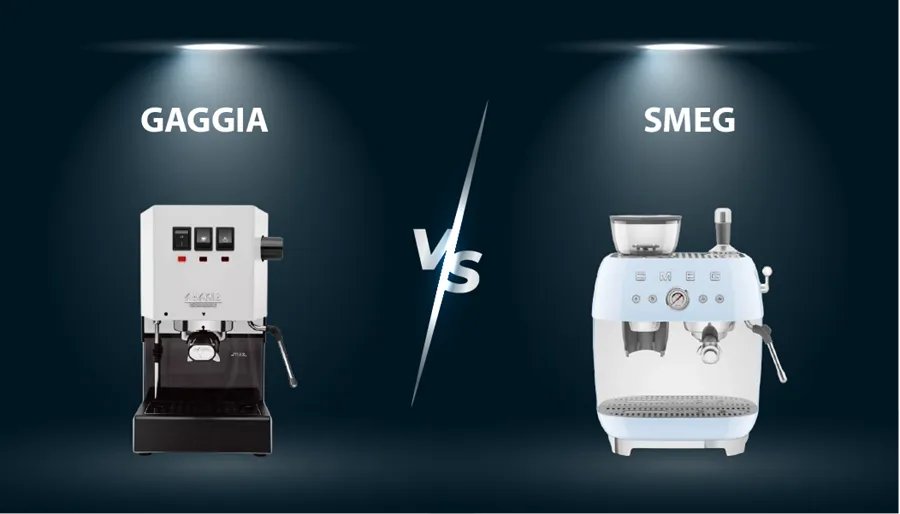
This comparison will help you navigate the key differences between these iconic brands and choose the right espresso machine for your needs. Let’s dive into the details and see what sets Smeg and Gaggia apart in the world of home brewing.
Affordability
Gaggia: Gaggia offers a range of machines that are generally more affordable, catering to consumers looking for value-driven espresso makers. Their entry-level models provide solid espresso-making features at a lower price point.
Smeg: Smeg, with its focus on design and style, tends to be priced higher, particularly due to the retro aesthetic and premium build quality. While their machines are still accessible, they are typically positioned at a mid-to-high price range.
Winner: Gaggia – More budget-friendly options across the board.
Boiler Performance
In this criteria, both Gaggia and Smeg use single boiler systems in most of their machines, which provide quick heat-up times and solid performance for home use. While both brands offer good consistency for brewing and steaming, neither excels in the simultaneous brewing and steaming capabilities that come with dual boiler systems. Therefore, the performance is similar across both, making this a draw.
Extraction Quality
When evaluating extraction quality, Gaggia firmly establishes itself as the choice for espresso purists through traditional commercial-grade engineering. Flagship domestic machines like the Gaggia Classic Pro feature a standard 58mm chrome-plated brass portafilter and group head, matching the thermal mass and dimensions found in professional cafe setups. This substantial brass construction provides superior temperature stability during extraction, minimizing fluctuations that can sour or over-extract the shot. Paired with a commercial three-way solenoid valve that immediately relieves pressure to leave a dry, uniform puck, Gaggia facilitates optimal water distribution through an unpressurized basket. Consequently, it yields a nuanced, complex espresso with a rich, velvety crema, though it demands a fine, consistent grind and proper puck preparation to avoid channeling.
In contrast, Smeg prioritizes convenience and accessibility, engineering its machines—such as the retro-styled ECF01—around a thermoblock heating system and a smaller, 51mm aluminum and stainless steel portafilter. Smeg relies heavily on pressurized filter baskets, which mechanically compensate for uneven tamps or inconsistent grinds from entry-level grinders to generate artificial crema. While the thermoblock achieves rapid heat-up times and digital temperature regulation, the lower thermal mass of the smaller group assembly makes it prone to temperature decline across longer extractions. The resulting cup profile from a Smeg machine is generally approachable, balanced, and consistent for casual drinkers, but it lacks the tactile depth, body, and distinct single-origin flavor separation that Gaggia's commercial architecture extracts with precision.
Steam System
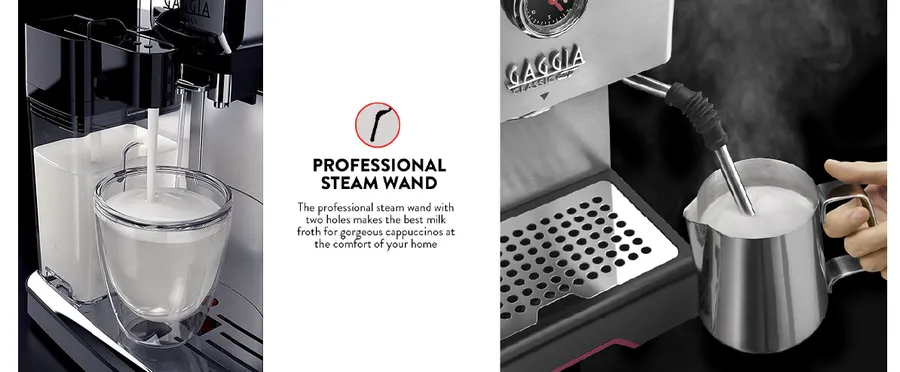
Gaggia: Gaggia offers a commercial steam system, especially in their higher-end models and a variety of steam systems, ranging from fully manual to fully automatic. The steam performance is consistent, allowing for good milk frothing.
Smeg: Smeg also provides a solid steam system, but they are less focused on this aspect, which may affect the power and speed of steaming. Their steam systems are adequate but may not be as fast or powerful as Gaggia’s.
Winner: Gaggia – More reliable and efficient steam performance, especially in higher-end models.
Conclusion
When it comes to Smeg vs. Gaggia, both brands have something unique to offer.
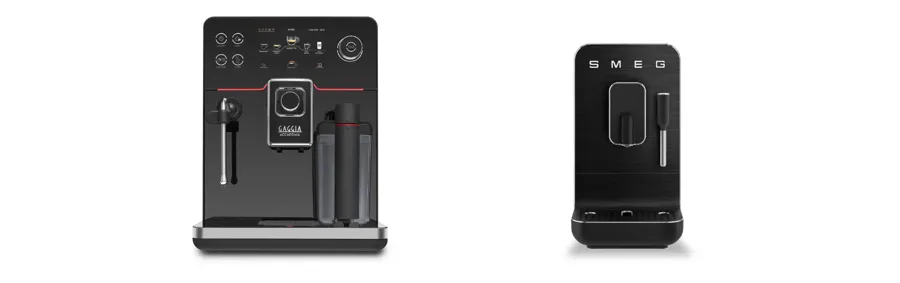
Gaggia, offers a diverse range of machines with excellent extraction quality and high-tech features. Their reputation for extraction quality and steam system performance makes them an absolute solid choice.
On the other hand, Smeg stands out for its design and appearance, with a retro-inspired aesthetic that blends style and function beautifully. Their focus is on premium build quality and stunning design, which makes them a good choice for those who prioritize looks and long-term durability.
At the end of the day, the choice between Smeg and Gaggia comes down to your personal preferences. Either way, both brands bring quality machines and Italian touch to your home that will elevate your espresso-making experience.





