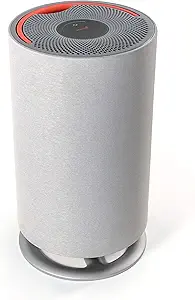
Oransi vs Daikin: Overview & Brand Philosophy
The residential air purification market is defined by a philosophical split between dedicated, high-performance filtration specialists and comprehensive indoor climate conglomerates. Oransi, founded in 2009 by engineers and air quality veterans, represents the specialist approach. Based in the United States, the brand built its reputation on mechanical filtration integrity, oversized filters, energy-efficient German-engineered motors, and a distinct lack of electronic gimmicks. Oransi's core ethos is grounded in clean-room logic: maximizing Clean Air Delivery Rate (CADR) through medical-grade true HEPA filters and durable materials without relying on ionization or chemical air treatment.
Conversely, Daikin is a global HVAC titan headquartered in Japan with nearly a century of climate engineering experience. Entering the portable air purifier market from an extensive background in industrial and residential air conditioning, Daikin treats air purification through a holistic, active-technology lens. Rather than relying solely on passive mechanical trapping, Daikin incorporates proprietary electro-physical technologies, notably its Streamer technology, to decompose captured pollutants on the filter. Their purifiers are engineered as precision-controlled atmospheric appliances designed to integrate into modern, connected smart homes with quiet, low-profile operation.
Comparing these two brands exposes a contrast between mechanical purism and technological sophistication. Oransi targets consumers who prioritize robust, heavy-duty filtration, simple mechanical or touch controls, and transparent manufacturing footprints. Daikin caters to users looking for advanced electronic multi-stage breakdown of odors and viruses, whisper-quiet operation, and the peace of mind that comes with the engineering pedigree of one of the world's largest heating and cooling manufacturers.
Key Differences & Technological Comparison
The primary technological divergence between Oransi and Daikin lies in their approach to neutralization versus containment. Oransi champions high-mass passive mechanical filtration. Flagship units like the Oransi Mod and Mod Jr. utilize massive, pleated True HEPA filters (often rated at HEPA 13 or 14 standards) paired with substantial beds of granular activated carbon. By utilizing high-efficiency, backward-curved EC (Electronically Commutated) motors, Oransi purifiers push large volumes of air through dense filter media with exceptionally low energy draw. Oransi strictly avoids ionizers, plasma generators, or UV-C lights, ensuring zero risk of ozone generation and simplifying maintenance to straightforward, periodic filter swaps.
Daikin differentiates itself with its patented "Streamer" discharge technology. This system generates high-speed electrons that collide with oxygen and nitrogen in the air, creating active elements with powerful oxidative decomposition capabilities. While Daikin units employ high-grade electrostatic HEPA filters to capture fine particulate matter down to 0.3 microns, the internal Streamer unit continually bombards the filter surface to break down trapped allergens, bacteria, formaldehyde, and volatile organic compounds (VOCs) into harmless byproducts. This active breakdown reduces the rate of filter saturation and helps mitigate the secondary odor emission that often occurs when passive filters become loaded over time.
Design, user interface, and construction also reflect these different methodologies. Oransi designs tend to be utilitarian, minimalist, and robust, featuring intuitive glass touch interfaces, cylindrical or monolithic chassis, and durable matte plastics designed for serviceability and continuous, heavy-load cycling. Daikin units showcase a more intricate consumer-electronics aesthetic, often featuring complex multi-directional air intake systems, real-time particulate and odor sensors, automatic fan modulation algorithms, and extensive smart connectivity via companion mobile apps. In terms of acoustics, Daikin's fluid dynamics engineering yields remarkably quiet performance on low settings, whereas Oransi's deep-pitch airflow is tuned to produce unobtrusive, broadband white noise at higher speeds.
Pros & Cons Comparison
Oransi
- Pros:
- Exceptional raw mechanical filtration with thick, commercial-grade True HEPA media.
- Zero ozone generation; complete absence of questionable secondary ionization tech.
- High-efficiency EC motors provide massive CADR with low electrical consumption.
- Simple, reliable user interfaces with minimal electronic failure points.
- Long warranty coverage (often up to 10 years on select models).
- Cons:
- Higher upfront purchase cost compared to equivalent square-footage consumer units.
- Lacks advanced smart home integration (Wi-Fi, Alexa, Google Home) on core models.
- Large physical footprint and heavier chassis make relocation between rooms cumbersome.
Daikin
- Pros:
- Proprietary Streamer technology actively decomposes odors, VOCs, and bacteria on the filter.
- Exceptionally quiet operation on lower modes, leveraging Daikin's HVAC acoustic engineering.
- Electrostatic HEPA filters reduce air resistance, allowing high airflow at lower motor RPMs.
- Sophisticated multi-sensor arrays monitor both fine particulates and ambient odors dynamically.
- Sleek, modern physical designs that blend easily into modern living spaces.
- Cons:
- Electronic components and streamer units introduce more potential points of long-term failure.
- Streamer technology requires periodic manual cleaning to maintain optimal discharge performance.
- Replacement parts and specialized filters can be harder to source depending on geographic region.
Performance, Durability & Value Analysis
From a pure performance perspective, both brands excel, but they manage air quality challenges differently. In environments plagued by heavy physical particulates—such as wildfire smoke, dense pet dander, or severe pollen—Oransi consistently shows faster room clear times (CADR). The sheer surface area of Oransi’s pleated HEPA barrels allows them to load up with substantial particulate matter before experiencing significant airflow restriction. Because Oransi builds around heavy-duty EC motors typically found in commercial cleanrooms, their machines maintain their structural integrity and airflow speeds over years of continuous 24/7 operation without motor degradation or whining bearings.
Daikin demonstrates its highest value in indoor spaces challenged by complex bio-effluents, cooking fumes, dynamic chemical VOCs, and persistent odors. Because passive carbon can eventually desorb gases when saturated, Daikin's active decomposition provides superior long-term odor destruction without needing frequent carbon filter replacements. In terms of lifetime cost of ownership, Daikin filters often have extended replacement cycles due to electrostatic enhancement and active cleaning, balancing out their mid-tier upfront appliance pricing. Oransi carries a steeper initial price tag and sizable filter replacement costs, but compensates with a build quality and warranty structure that positions the unit as a long-term capital investment rather than a disposable home appliance.
Final Verdict: Which Brand Should You Choose?
Your choice between Oransi and Daikin depends entirely on your stance regarding active versus passive purification, your primary air quality concerns, and your tolerance for technical complexity.
Choose Oransi if: You are an allergy, asthma, or chemical-sensitivity purist who demands medical-grade, passive mechanical filtration without electronic emissions. If your primary goal is scrubbing large volumes of dust, mold spores, and heavy wildfire smoke out of large spaces with an appliance that is dead simple to operate, built like a tank, and supported by a robust multi-year warranty, Oransi is the superior choice.
Choose Daikin if: You deal heavily with persistent indoor odors, pet smells, cooking gases, or biological contaminants where active decomposition provides an advantage over passive trapping. Daikin is also the better fit for bedrooms and offices where near-silent decibel levels on low settings are essential, or for users who demand dynamic automatic sensors that adjust performance on the fly based on real-time room air quality.
Features
Oransi adopts a distinctly utilitarian approach to functional features, focusing almost entirely on filtration efficiency rather than smart lifestyle integrations. Most Oransi units, such as the Mod and Max series, utilize straightforward capacitive touch interfaces, multi-speed mechanical or digital control dials, and basic filter life indicators based on runtime counters. The absence of Wi-Fi app connectivity, scheduling features, or intricate environmental dashboards is intentional; Oransi directs its manufacturing budget toward high-grade motor components and oversized filter canisters, avoiding failure points commonly associated with IoT hardware.
Daikin stands in stark contrast by offering an intricate array of active technological features designed for comprehensive air hygiene. Central to Daikin’s offering is the patented Flash Streamer technology, which generates high-speed electrons to decompose trapped allergens, formaldehyde, and odor molecules within the chassis. Additionally, Daikin units frequently feature multi-sensor suites detecting fine particulates (PM2.5), general dust, and ambient odors simultaneously, driving responsive auto modes that optimize fan curves without manual user intervention. For users who prioritize autonomous operation and active microbial neutralization, Daikin offers an indisputably richer feature palette.
Performance
In terms of pure particulate removal and airflow efficiency, Oransi is a standout performer in the premium tier. By deploying heavy-duty HEPA filters—often rated up to true HEPA (99.97% at 0.3 microns) with expansive surface areas—alongside backward-curved centrifugal fans, Oransi units sustain remarkably high Clean Air Delivery Rates (CADR) across large footprints. Because of their industrial-grade brushless EC motors, Oransi purifiers maintain high airflow against dense filter resistance while drawing minimal wattage, ensuring rapid air turnover that effectively reduces suspended particulates and airborne allergens in problematic indoor environments.
Daikin’s performance edge lies in its nuanced, multi-dimensional decontamination capabilities rather than sheer brute airflow. While its electrostatic HEPA filters achieve high capture rates with lower air resistance than traditional dense fiberglass sheets, the real performance differentiator is Daikin's ability to chemically neutralize volatile organic compounds (VOCs) and odors via catalytic oxidation rather than relying strictly on carbon adsorption. However, in larger spaces requiring massive air circulation volumes, Oransi typically clears particulate matter more rapidly, whereas Daikin excels in sustained odor management, allergen neutralization, and ultra-quiet lower-speed baseline maintenance.
Design
The design aesthetic of Oransi centers on modern industrial minimalism with a focus on functional airflow dynamics. Models like the Oransi Mod feature cylindrical or clean rectangular housings engineered from durable, matte-finished plastics, designed to maximize 360-degree intake efficiency. The physical execution is intentionally discrete yet robust, featuring easy-to-replace drop-in canister filters that minimize dust exposure during maintenance. The internal architecture favors short, unobstructed air paths, which significantly dampens mechanical motor noise, though wind sheer noise can become prominent at top fan tiers.
Daikin reflects an engineering-driven, Asian-market industrial design characterized by tower configurations and precision airflow baffling. Daikin units are sculpted to draw air from multiple strategic directions—often including innovative floor-level suction intakes that specifically capture heavier dust and pet dander settling near the ground. The internal acoustic engineering is exceptionally refined, isolating the motor and utilizing the proprietary Streamer unit housing as an internal baffle to deliver whisper-quiet sound levels even under moderate load. Daikin’s aesthetic is unmistakably appliance-oriented and functional, prioritizing ergonomic filter access and fluid dynamic efficiency over decorative minimalism.
Compare current retail pricing, active promotions, and verified stock availability directly from authorized stores: