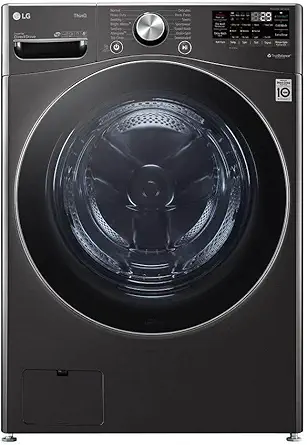
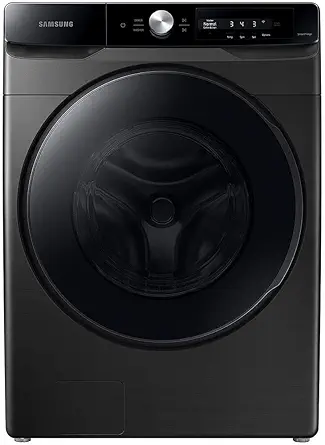
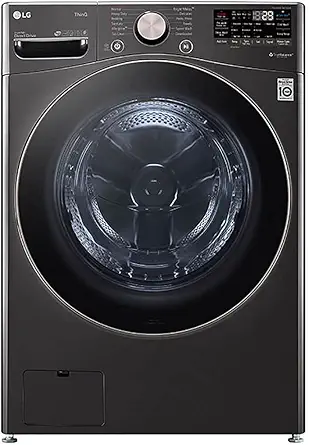
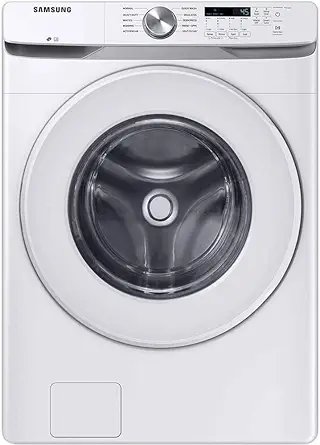
LG vs Samsung: Overview & Brand Philosophy
When it comes to modern laundry appliances, South Korean tech giants LG and Samsung dominate global market share through relentless innovation, sleek aesthetics, and advanced digital integration. Both manufacturers have fundamentally redefined home laundry by shifting the industry away from utilitarian, loud appliances toward quiet, intelligent, and energy-efficient systems. However, while their consumer targets overlap, their core engineering philosophies diverge noticeably in how they approach drive systems, wash mechanics, and smart home ecosystems.
LG has historically anchored its brand philosophy around mechanical refinement, physical durability, and component-level innovation. Known primarily for its Direct Drive technology and artificial intelligence implementations (AI DD), LG focuses heavily on motion dynamics—utilizing sensors to alter drum rotations based on fabric weight and softness. The company positions itself as an engineering-first brand, consistently achieving top marks in third-party mechanical reliability indexes and prioritizing longevity, low vibration, and deep cleaning cycles across both front-load and top-load segments.
Samsung, by contrast, operates with an ecosystem-first, modern lifestyle philosophy. Leveraging its position as a global leader in consumer electronics, Samsung builds laundry appliances designed to seamlessly integrate into interconnected smart homes via its SmartThings platform. Samsung often leads the market in ergonomic styling, ultra-high capacities, and cycle-time reduction technologies, such as SuperSpeed wash cycles and their signature EcoBubble aeration. Their design ethos speaks to tech-forward, design-conscious households that value streamlined user interfaces, automated detergent dispensing, and unified smart device control.
Key Differences & Technological Comparison
Understanding the architectural and functional differences between LG and Samsung is crucial to determining which brand best fits your household's laundry demands. Below is a detailed breakdown of how their core technologies compare.
Drive Systems and Drum Motion
The most notable mechanical distinction lies in motor implementation. LG pioneered the Inverter Direct Drive motor, which mounts the motor directly to the drum without belts or pulleys. This setup significantly reduces moving parts, minimizes rotational vibration, and powers their 6Motion technology, which combines six distinct drum motions (stepping, filtration, scrubbing, tumbling, rolling, and swing) optimized for specific fabric profiles. Samsung historically utilized belt-driven motor assemblies, though newer models feature Digital Inverter Motors. Samsung counters mechanical motion variety with active mixing systems like BubbleWash (EcoBubble), which mixes air, water, and detergent to create a rich foam that penetrates fabric weaves faster at lower temperatures.
Cycle Optimization and Artificial Intelligence
Both brands incorporate AI, but execute it differently. LG’s AI DD (Direct Drive) utilizes physical sensors within the drum to assess the density and fabric composition of the load, cross-referencing this data against thousands of stored data patterns to automatically adjust drum motion, wash time, and rinse temp. Samsung employs AI OptiWash, which focuses primarily on chemical and optical detection: sensors detect the load size, the water level, and, crucially, use an optical turbidity sensor to monitor the cloudiness of the wash water to determine if fabrics need additional detergent or rinse cycles.
Cycle Speed and Steam Cleaning
For quick turnaround times, LG’s TurboWash 360 employs five high-pressure spray nozzles strategically positioned around the drum door to thoroughly saturate garments rapidly, achieving a complete clean in under 30 minutes on moderate loads. Samsung responds with Super Speed Wash, which utilizes high-speed spray jets and a dynamic drum rotation to clean a full load in roughly 28 minutes. Both companies offer robust sanitizing steam cycles certified by the Asthma and Allergy Foundation of America (AAFA), but LG’s TrueSteam produces steam through an independent steam generator, whereas Samsung typically boils water in the bottom of the drum to create vapor.
Smart Home Integration and Connectivity
Connectivity is where Samsung holds a distinct structural advantage. Samsung's SmartThings platform is one of the most mature smart home protocols on the market, allowing the washing machine to interface effortlessly with smart televisions, Family Hub refrigerators, and mobile devices, providing real-time alerts, remote starts, and predictive maintenance schedules via AI Energy mode. LG’s ThinQ platform is highly capable, allowing cycle downloads and remote troubleshooting (Smart Diagnosis), but the ecosystem feels more siloed to LG-branded hardware compared to the wide-reaching smart ecosystem Samsung delivers.
Pros & Cons Comparison
LG Washing Machines
- Pros:
- Direct Drive motor design provides exceptional durability, low vibration, and reduced noise levels.
- Industry-leading historical reliability ratings and fewer initial service calls compared to competitors.
- Highly advanced fabric care powered by AI DD motion selection, reducing fabric wear and tear.
- TrueSteam technology provides powerful allergen reduction and deep sanitization.
- Cons:
- LG ThinQ application is less intuitive and features fewer broad smart-home automations than Samsung SmartThings.
- Control panel interfaces can be overly complex with dense cycle-selection matrices.
- Premium Direct Drive replacement parts can be expensive outside of the standard warranty window.
Samsung Washing Machines
- Pros:
- Seamless smart home integration via the unified SmartThings mobile and home automation ecosystem.
- EcoBubble/BubbleWash technology allows effective stain removal and energy conservation at lower water temperatures.
- Sleek, minimalist industrial design with modern colorways (e.g., Bespoke panels) and intuitive, uncluttered digital dials.
- AI OptiWash dynamically manages detergent dosage and wash time based on real-time soil levels.
- Cons:
- Higher incidence of reported software glitches and drainage/pump sensor faults over multi-year periods.
- Customer service and localized repair network can be inconsistent depending on the geographic region.
- Spin cycles in high-capacity top-load units can be prone to unbalancing if loads are unevenly distributed.
Performance, Durability & Value Analysis
When assessing long-term mechanical reliability, independent consumer testing groups, appliance repair technicians, and industry aggregators consistently grant LG an advantage. LG’s Direct Drive assembly removes the high-wear items common in standard washers—namely belts and pulleys—eliminating critical failure points. While both manufacturers offer 10-year to 20-year limited warranties on their inverter motors, LG's overall build quality across the tub suspension, dampeners, and bearings typically demonstrates a lower failure rate over an 8-to-12-year appliance lifespan. Samsung has made significant strides in quality assurance over recent years, but repair technicians still cite higher rates of secondary component wear, such as door seal degrade, drain pump failures, and PCB control board sensitivity to power fluctuations.
From a cost-to-feature value perspective, both brands offer exceptional tier-for-tier parity. Entry-level front loaders start in similar price brackets, but Samsung often undercuts LG slightly on cubic-foot capacity per dollar, especially in the mega-capacity market (5.0 cu. ft. and above). Samsung also democratizes premium features—such as automatic bulk detergent dispensers, interior drum lights, and Wi-Fi connectivity—by including them in mid-range tiers where LG sometimes reserves them for top-tier flagships. However, LG’s superior energy efficiency ratings (consistently ranking high in the EPA's Energy Star Most Efficient lists) and lower aggregate repair costs make LG a marginally better total cost-of-ownership investment over a ten-year operational timeline.
Final Verdict: Which Brand Should You Choose?
The choice between LG and Samsung ultimately comes down to whether your buying priority is long-term mechanical reliability or modern lifestyle integration.
Choose LG if: You prioritize heavy-duty reliability, gentle fabric preservation, and proven engineering. LG is the superior choice for households that run multiple heavy loads per week, demand low operational noise due to proximity to living areas or bedrooms, and want a machine that consistently scores near the top of long-term durability rankings. If raw cleaning mechanics and appliance longevity supersede connected-home novelty, an LG front-loader remains the industry gold standard.
Choose Samsung if: You want a sleek, modern laundry setup that integrates effortlessly into an existing smart home ecosystem. Samsung is the better option for consumers who value aesthetic customization (such as the Bespoke line), automated detergent management, ultra-large drum capacities, and intuitive digital interfaces that optimize cycles for you. If you are already invested in the Samsung SmartThings platform and prioritize quick, cold-water cleaning routines, Samsung provides a superior user experience.
Energy Efficiency
When evaluating energy efficiency in the washing machine sector, LG and Samsung both represent the pinnacle of modern appliance engineering, yet they achieve their high-efficiency ratings through distinct mechanical and software paradigms. LG anchors its energy-saving philosophy in hardware refinement, driven by its proprietary Inverter Direct Drive motor and AI DD (Artificial Intelligence Direct Drive) technology. By mounting the motor directly to the drum, LG eliminates the belts and pulleys that cause mechanical friction and energy loss. Furthermore, the AI DD system utilizes deep learning to detect fabric weight and soft-fiber characteristics, dynamically adjusting the wash motion from six optimized patterns. This micro-calibration ensures that cycles do not consume more kilowatt-hours or water than strictly necessary. Complementing this is LG’s TurboWash 360, which utilizes high-pressure multi-jets to drastically cut cycle runtimes down to under 30 minutes without sacrificing soil removal, translating directly to reduced power draw per laundry load.
Samsung counters this engineering approach by leveraging advanced fluid dynamics and chemical efficiency to lower thermal energy demands, primarily manifested in its EcoBubble and Super Speed technologies. Heating water accounts for up to 90% of a washing machine's total energy expenditure, and Samsung directly addresses this by using an active bubble generator that blends air, water, and detergent before it enters the drum. These ultra-fine bubbles penetrate fabrics up to 40 times faster than conventional wash water, enabling cold-water cycles to achieve the soil-removal efficacy typically reserved for 40°C warm-water washes, drastically dropping cycle electricity usage. Additionally, Samsung’s Digital Inverter Technology utilizes brushless permanent magnets to minimize friction and thermal build-up, working in tandem with the SmartThings ecosystem. Through SmartThings Energy's AI Energy Mode, Samsung units can monitor household peak-rate hours and automatically adjust motor duty cycles to curb energy consumption by up to 70% in cold-water modes.
From an analytical standpoint, the practical trade-offs between the two brands depend on typical consumer usage habits and cycle preferences. LG holds an edge in mechanical torque efficiency, cycle-time reduction, and physical component longevity, making it the superior choice for consumers who frequently wash heavy fabrics or run multiple fast-paced loads where shorter electrical duty cycles are paramount. Conversely, Samsung excels in thermal efficiency and smart-grid power management, offering superior energy savings for households willing to rely on cold-water cycles and AI-optimized power scheduling. While both brands consistently secure ENERGY STAR Most Efficient ratings, LG’s direct-drive platform offers marginally better inherent baseline efficiency across standard, non-app-controlled cycles, whereas Samsung delivers the higher ceiling of energy reduction if the user fully embraces its cold-wash, bubble-action methodology and smart-home automation features.
Programs Variety
When evaluating program variety in modern laundry appliances, LG adopts an engineering philosophy rooted in sensor-driven intelligence and fabric preservation. Anchored by its proprietary AI Direct Drive (AI DD) technology, LG machines utilize advanced load-sensing algorithms that analyze not just fabric weight, but also structural softness to automatically calibrate drum motions among six distinct wash vectors (6 Motion Direct Drive). In terms of onboard cycles, LG offers a targeted array ranging from the certified Allergiene cycle—which uses concentrated steam to neutralize household allergens—to the high-efficiency TurboWash 360, engineered to execute a full, rigorous cleaning in under 30 minutes via multi-nozzle sprayers. Through the LG ThinQ ecosystem, users can download dozens of highly granular, specialized cycles (such as "Gym Clothes," "Denim," or "Single Garment"). However, LG deliberately streamlines its physical dial to prevent choice paralysis, relying on automated neural-network adjustments rather than overwhelming users with excessive, rigid manual cycle presets.
Conversely, Samsung approaches program variety through extensive, user-configurable versatility powered by its AI OptiWash and adaptive AI Control interfaces. Samsung typically integrates a broader array of discrete, pre-set operational profiles directly into its control logic, offering distinct cycles for microplastics reduction (Less Microfiber cycle), Activewear, Bedding, and specialized Self Clean+ sequences. Its engineering standout is the integration of Speed Spray with Super Speed wash, which harmonizes with Samsung’s EcoBubble technology—a mechanism that froths detergent with air and water prior to drum entry to allow gentle, deep-cleaning cold-water cycles that rival warm-water performance. Through the SmartThings platform, Samsung provides comprehensive automated recipes that can link washer cycles to dryer cycles (Auto Cycle Link) and dynamically sequence wash stages based on soil levels detected mid-cycle via optical turbidity sensors.
The practical trade-off between the two brands centers on automation philosophy versus granular user control. LG excels for consumers who prioritize automated fabric longevity; its AI DD fundamentally alters mechanical action on a microscopic level within a core set of programs, minimizing the need for the user to manually select hyper-specific cycles. Samsung, by comparison, caters to the meticulous user who demands dedicated, purpose-built modes for distinct lifestyle scenarios, backed by the ability to deeply fine-tune soil levels, rinse counts, and spin rates. While LG's reliance on app-based downloadable cycles requires smartphone engagement to unlock its full diversity, Samsung embeds more specialized operational modes into the primary software architecture, giving it a slight edge in out-of-the-box program breadth, whereas LG holds the technical advantage in dynamic, real-time cycle customization.
Noise Level
When evaluating operational noise levels in washing machines, LG consistently maintains an engineering edge primarily due to its pioneering Direct Drive motor technology. By eliminating the traditional belt and pulley system and mounting the motor directly to the drum, LG significantly reduces mechanical friction, operational hum, and high-frequency belt squeal. This hardware design is complemented by their TrueBalance Anti-Vibration System, which uses advanced software dampening algorithms to detect and dynamically balance uneven loads before the high-speed spin cycle initiates. Consequently, LG washers rarely exceed 44 to 48 decibels (dBA) during the wash cycle and generally peak around 68 to 71 dBA during maximum spin, making them an exceptional choice for main-floor laundry rooms or installations directly adjacent to living spaces and bedrooms.
Samsung counters this with its own advanced quiet-operation ecosystem, anchored by digital inverter motors and their proprietary VRT Plus (Vibration Reduction Technology). VRT Plus employs an intelligent frame architecture reinforced by 56 stainless steel balls that spin in the opposite direction of unbalanced laundry to counteract internal momentum and suppress chassis rattle. While Samsung’s wash cycles are exceptionally quiet—often hovering around the mid-40 dBA range—their machines tend to produce a distinct, slightly higher-pitched acoustic profile during the ramp-up phase of the spin cycle compared to LG’s deeper, lower-frequency sound. Furthermore, while Samsung’s digital inverter technology is highly efficient, their belt-driven configurations in select models can occasionally introduce subtle harmonic vibrations over extended use as mechanical components age.
From a practical consumer perspective, both brands deliver whisper-quiet performance that far outclasses older, traditional agitator machines, but the trade-offs emerge during high-stress scenarios like washing heavy bedding or bulky towels. LG's direct coupling provides superior rotational stability and fewer sudden thumps, delivering a more predictably quiet experience even when dealing with off-center loads. Samsung excels at mitigating low-frequency floor vibrations through structural design, making it an excellent candidate for second-story installations with flexible subflooring. Ultimately, while Samsung matches LG during routine wash operations, LG retains a modest advantage in overall acoustic dampening and long-term spin-cycle quietness due to the inherent simplicity and mechanical balance of its direct-drive powertrain.
Fabric Care
When evaluating fabric care, LG consistently holds an engineering edge due to its advanced drive technology and sensor-driven wash motions. At the core of LG’s methodology is its Inverter Direct Drive motor paired with AI DD (Artificial Intelligence Direct Drive) technology. Rather than merely sensing the weight of the laundry load, LG’s system evaluates the softness and density of the textiles by measuring resistance during drum movement. The machine then automatically selects the optimal combination from its patented "6 Motion" technology—incorporating varying mechanical actions such as stepping, filtration, tumbling, rolling, scrubbing, and swinging. This granular approach minimizes mechanical wear and thread distortion, making LG front-loaders particularly gentle on delicate knits and activewear. Furthermore, LG’s integrated TurboWash 360 utilizes multi-directional spray jets that penetrate fabrics quickly, reducing wash cycle durations without requiring prolonged agitation that can prematurely degrade fibers.
Samsung approaches fabric preservation with a strong focus on detergent distribution and fluid dynamics, predominantly through its proprietary EcoBubble (and AI Ecobubble) system. By premixing detergent with air and water to create a rich micro-foam before it enters the wash drum, Samsung allows cleaning agents to penetrate fabric fibers up to 40 times faster than conventional dissolved detergent. The primary mechanical advantage here is temperature reduction: because the bubble cushion thoroughly suspends soils, effective stain removal is achieved in cold water cycles, preventing high-temperature shrinkages and color fading. Structurally, Samsung utilizes its Swirl+ and Diamond Drum patterns, featuring recessed diamond ridges and micro-drain holes engineered to prevent fabric snags during spin cycles. Additionally, Samsung’s Super Speed Wash and AI-driven cycle optimization monitor soil levels via turbidity sensors, dynamically tuning water levels and spin profiles to curb over-washing.
The practical trade-offs between the two brands center on the nature of fabric degradation versus cleaning methodology. LG’s mechanical sophistication is fundamentally superior for mitigating physical friction; its multi-motion wash drum and AI resistance mapping prevent high-stress torque from stretching seams or pilling delicate yarns over repeated cycles. Conversely, Samsung excels at chemical and thermal fabric protection, minimizing dye bleeding and fiber breakdown through low-temperature bubble saturation. However, Samsung's drum physics—often relying heavily on standard bi-directional rotations and impeller ribs—generate slightly more mechanical friction on sheer loads compared to LG's specialized low-impact swing cycles. For consumers prioritizing structural longevity for woolens, silk blends, and synthetics prone to friction damage, LG holds the engineering advantage; for those aiming to preserve the color vibrancy and dimensional stability of heavily soiled cottons and daily wear via cold-water washing, Samsung remains a formidable competitor.