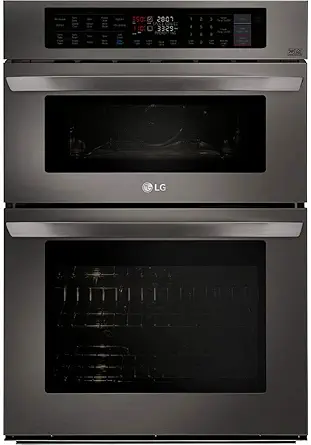
LG vs Samsung: Overview & Brand Philosophy
The modern kitchen appliance landscape has evolved rapidly over the last decade, transitioning from strictly utilitarian hardware into an arena of high-tech digital integration, aesthetic refinement, and precision cooking science. Two South Korean technology giants—LG Electronics and Samsung Electronics—stand at the forefront of this transformation. While both companies built global reputations in consumer electronics, their ventures into the premium built-in wall oven segment reflect contrasting brand philosophies, design languages, and approaches to smart home integration.
LG approaches the wall oven category with an emphasis on engineering durability, user-centric culinary mechanics, and sleek visual harmony. Known heavily for its flagship InstaView technology and ProBake Convection system, LG focuses on fundamental thermal performance. The brand aims to minimize the learning curve for home chefs by combining intuitive physical controls with balanced convection airflow. Through its core LG line and the higher-end LG Studio sub-brand, the company designs its appliances to deliver dependable, restaurant-grade heating while retaining an understated, timeless kitchen aesthetic.
Samsung, by contrast, operates with an aggressive, tech-forward ethos that treats the wall oven as a high-performance smart computing hub. Pioneering features like the Bespoke design portfolio, Flex Duo dual-cavity dividers, and interior AI Pro Cooking cameras, Samsung prioritizes hyper-customization, visual minimalism, and advanced automation. Samsung views cooking as a seamless extension of the connected lifestyle, leaning heavily into its SmartThings platform to appeal to modern homeowners who value intelligent automation, clean flush-mount lines, and customizable exterior finishes.
Key Differences & Technological Comparison
To understand how these two titans diverge, one must examine their proprietary cooking technologies, hardware engineering, interface designs, and smart ecosystem implementations:
- Convection Architecture: LG’s signature engineering feat is its ProBake Convection technology. Unlike traditional wall ovens that locate the primary heating element at the bottom of the cavity, LG relocates the heating element to the back wall around the convection fan. This direct-airflow system eliminates cold spots and delivers consistent heat distribution across all racks. Samsung utilizes a Dual Convection system—employing two distinct fans with individual heating elements—which provides rapid preheating and aggressive air circulation, though it can occasionally lead to edge-browning on delicate pastries if not carefully calibrated.
- Cavity Versatility & Flexibility: Samsung holds a distinct structural advantage with its Flex Duo system. Available in select single and double wall ovens, this feature utilizes a removable ceramic-coated divider that converts a large single cavity into two independent cooking zones with separate temperature and timer settings. LG generally relies on traditional single or double cavity configurations, emphasizing maximum internal capacity and rack stability rather than physical cavity division.
- Smart Features and Internal Monitoring: While both brands feature robust Wi-Fi capabilities, Samsung leans into visual intelligence via AI Pro Cooking and internal cavity cameras. These allow users to monitor food browning directly from a smartphone or detect burning before it occurs. LG relies on its famous InstaView technology—where knocking twice on the tinted glass illuminates the interior without opening the door—relying on physical observation rather than digital camera streaming, which helps keep interior electronics cooler and potentially more durable.
- User Interface and Ergonomics: LG predominantly employs a hybrid control scheme, balancing smooth glass touch panels with heavy-duty physical control knobs for temperature and mode selection. This tactile approach appeals to cooks who prefer fast, greasy-finger-tolerant inputs. Samsung embraces full-digital minimalism with vibrant 7-inch LCD touchscreen panels that guide users through recipe databases, steam-injection settings, and multi-step cooking programs, offering a thoroughly modern, smartphone-like experience.
- Cleaning Technologies: LG champions its EasyClean technology, a 10-minute low-heat, water-assisted clean designed for frequent light maintenance, backed by a standard high-heat pyrolytic self-clean cycle for stubborn grime. Samsung offers steam-assisted cleaning alongside pyrolytic modes, which softens grease effectively, though LG’s enamel coating generally repels baked-on sugars with slightly less effort during quick-clean routines.
Pros & Cons Comparison
LG Wall Ovens
- Pros:
- ProBake Convection delivers exceptional multi-rack heat uniformity.
- InstaView glass allows rapid visual inspection without releasing cavity heat.
- Intuitive tactile dials mixed with clean touch controls minimize operational friction.
- ThinQ app ecosystem provides stable connectivity and remote diagnostics via Smart Diagnosis.
- EasyClean cycle handles light grease effortlessly in under fifteen minutes.
- Cons:
- Lacks a dual-zone cavity divider comparable to Samsung’s Flex Duo in single-oven units.
- Fewer color, material, and panel-customization options compared to the Bespoke line.
- Limited integration of internal smart cameras for remote food monitoring.
Samsung Wall Ovens
- Pros:
- Flex Duo technology provides unmatched cooking versatility in a single-oven footprint.
- Bespoke design series offers modern color palettes and clean, handle-free flat panel options.
- High-resolution LCD touchscreens provide rich, guided visual workflows.
- AI Pro Cooking cameras allow real-time visual streaming to smartphones and smart refrigerators.
- Broad integration within the comprehensive Samsung SmartThings home automation platform.
- Cons:
- Full-touch interfaces can be frustrating to operate with wet or oily hands.
- Dual convection can cause uneven browning during prolonged baking if not monitored.
- Complex internal electronics and camera modules introduce more potential points of long-term failure.
Performance, Durability & Value Analysis
When assessing long-term reliability and culinary performance, distinct patterns emerge across both brands. LG routinely scores near the top of independent consumer reliability surveys for built-in cooking appliances. By maintaining simpler internal architectures—relocating the heating element to the back wall and eschewing internal camera lenses—LG reduces the vulnerability of sensitive micro-circuitry to the extreme thermal stress generated during high-heat self-cleaning cycles (which can exceed 900°F). For serious bakers, LG's ProBake system represents superior performance, producing exceptionally even cookies, breads, and roasts with minimal cavity hot-spots.
Samsung delivers tremendous paper value, packing high-end features like steam-cook injection, cavity dividers, and remote cameras into price points that traditionally undercut luxury European alternatives. However, Samsung's heavy reliance on digital touchscreens and integrated optics in high-heat zones makes professional installation and thermal dissipation vital. From a cost-to-feature perspective, Samsung dominates the multi-functional space, allowing homeowners to effectively replace two appliances with one Flex Duo oven. LG, conversely, retains higher residual value and scores better for long-term ownership satisfaction due to straightforward serviceability and lower component failure rates over a 7- to 10-year lifespan.
Final Verdict: Which Brand Should You Choose?
The choice between LG and Samsung ultimately rests on your culinary priorities, operational preferences, and the architectural design of your kitchen:
Choose LG if: You prioritize classic baking precision, thermal stability, and long-term mechanical reliability. If you do extensive multi-rack holiday baking, want physical dials to quickly set temperatures, and love the idea of simply tapping the glass to inspect your food without venting heat, LG—especially their ProBake or LG Studio models—is the pragmatic, chef-friendly investment.
Choose Samsung if: You want a cutting-edge, design-forward kitchen with maximum functional versatility. If you frequently need to cook two dishes simultaneously at different temperatures but only have space for a single wall oven, Samsung’s Flex Duo system is an unrivaled problem solver. Furthermore, if you are outfitting a contemporary home with handle-free flat panels or wish to monitor your cooking via your smartphone, Samsung’s Bespoke smart oven lineup offers the most comprehensive high-tech kitchen experience available today.
Features
When evaluating the feature sets of LG and Samsung wall ovens, both Korean manufacturers position themselves at the cutting edge of culinary technology, yet they diverge significantly in their engineering philosophies. LG focuses heavily on thermal distribution mechanics, most notably through its ProBake Convection system. By moving the primary heating element from the bottom of the cavity to the rear wall around the convection fan, LG achieves remarkably uniform heat distribution that virtually eliminates hot spots—a major benefit for batch baking. Complementing this is LG's InstaView technology, which allows users to illuminate the interior with two knocks on the glass, preventing heat loss from opening the door, alongside practical culinary inclusions such as built-in Air Sous Vide and high-heat Air Fry modes that appeal to performance-focused cooks.
Samsung, conversely, leverages its ecosystem dominance and modular design to prioritize user versatility and seamless smart-home integration. The hallmark of Samsung’s feature suite is the Flex Duo system, an engineering feat utilizing a removable Smart Divider that splits a single large oven cavity into two independently controlled temperature zones. This gives consumers double-oven functionality within a standard single-oven footprint. Technologically, Samsung pushes digital boundaries with its Bespoke AI Pro Cooking suite, which introduces internal cameras with AI-driven food recognition, live streaming capabilities to mobile devices, and automated browning alerts. Furthermore, Samsung's steam-assist cooking, dual convection fans, and motorized push-to-open doors deliver a distinctly modern, automated luxury experience that rivals high-end European built-ins.
The practical trade-offs between the two brands come down to raw cooking fundamentals versus advanced smart automation. LG’s technical strengths lie in low-maintenance reliability and physical maintenance features, such as its 10-minute EasyClean cycle, which offers chemical-free, low-odor maintenance that is substantially faster than traditional pyrolytic cycles. However, its ThinQ smart platform, while competent, feels more functional than visionary. Samsung offers superior multi-dish flexibility via Flex Duo and a richer digital experience through SmartThings, but the added complexity of internal sensors, LCD touchscreens, and motorized mechanisms introduces more potential points of failure and a steeper learning curve. For users seeking dependable heat consistency and durable core cooking tools, LG holds the engineering edge, whereas consumers desiring cutting-edge tech, dual-zone modularity, and rich interface design will find Samsung's feature package superior.
Performance
When evaluating the performance of wall ovens, the battle between LG and Samsung comes down to how their respective heating systems manage airflow, temperature consistency, and specialized cooking modes. LG’s primary engineering asset is its ProBake Convection technology, which relocates the main heating element from the bottom of the cavity to the rear back wall. This design mimics commercial-grade appliances by pairing the element directly with a high-powered fan, pushing dry, hot air evenly forward across every rack. In practical testing, this results in remarkably uniform browning on multi-rack baking sheets and eliminates the common hot spots found near the bottom cavity. Samsung, by contrast, deploys a dual-fan convection setup in its upper-tier models alongside its signature Flex Duo system. This split-cavity engineering allows users to insert a removable divider to create two independently controlled temperature zones within a single standard-sized oven, preventing aroma transfer and offering unmatched versatility for complex multi-course meals.
Beyond traditional dry-heat baking, both manufacturers have aggressively integrated rapid-cooking and culinary wellness features, though with differing degrees of execution. Samsung excels in sheer heating speed and steam integration; its Steam Cook elements deliver precise moisture injection, resulting in artisan breads with exceptional crusts and proteins that retain maximum moisture without sacrificing surface caramelization. Furthermore, Samsung's broiling power tends to edge out the competition with wider, more intense radiant coverage. LG counters with its versatile and highly rated Air Fry and Air Sous-Vide modes. While Samsung also offers air frying, LG’s algorithmic temperature cycling and targeted air channeling yield crisper results with less residual oil pooling, and its low-temperature precision during sous-vide cycles operates with minimal thermal fluctuation, which is critical for delicate proteins.
From a reliability and real-world trade-off perspective, each system presents distinct operational caveats. LG's rear-element design provides the benefit of a clean interior floor, which pairs with its 10-minute EasyClean cycle for rapid, low-chemical maintenance, though prolonged high-heat preheating can occasionally lag behind Samsung’s dual-element bursts. Conversely, Samsung’s Flex Duo, while brilliant for functional flexibility, suffers from a notable performance compromise: when the divider is inserted, the temperature differential between the top and bottom cavities cannot exceed roughly 75 to 80 degrees Fahrenheit without thermal bleed across the partition. Ultimately, home bakers prioritizing rigid temperature consistency and flawless multi-rack pastry production will find LG's ProBake architecture superior, whereas cooks seeking multitasking versatility, rapid high-heat searing, and advanced steam-assisted roasting will favor Samsung’s dynamic performance profile.
Design
When evaluating the design paradigms of LG and Samsung wall ovens, consumers are met with two distinct philosophies of contemporary kitchen aesthetics and spatial engineering. LG leans into a polished, professional-transitional look characterized by robust, commercial-style pro-handles, heavy-duty stainless steel framing, and its signature Brilliant Blue interior porcelain cavity, which not only elevates the visual luxury upon opening the door but also aids light reflection for better food monitoring. Ergonomically, LG integrates intuitive physical control elements—often pairing a sleek SmoothTouch glass panel with weighted, metal-clad dials—alongside its standout InstaView technology, which allows users to illuminate the interior with two quick knocks on the tinted glass, thereby preventing thermal loss. In contrast, Samsung champions an aggressively minimalist, European-influenced design language, best exemplified by its Bespoke series. Samsung wall ovens minimize visual clutter through flush-mount installations, flat-panel façades, bezel-less edge-to-edge glass, and recessed pocket handles, offered in alternative finishes such as Matte Black Steel, Navy Steel, or White Glass to seamlessly blend with custom cabinetry.
From an engineering and interface standpoint, Samsung prioritizes integrated digital minimalism over physical tactile feedback. Most modern Samsung units consolidate controls into a central, smartphone-like full-color LCD touchscreen (such as the 7-inch AI Hub display), which dynamically adjusts its interface to the cooking mode and integrates an AI Pro Cooking interior camera capable of live-streaming and browning detection. While this creates a remarkably streamlined, futuristic aesthetic, it relies heavily on software-driven navigation that can introduce a slight learning curve compared to LG's more hybrid, glance-and-turn operational layout. Furthermore, Samsung features dual-door innovations, such as the Flex Duo system with a removable Smart Divider and hinged doors that allow access to the upper cavity without disturbing the lower zone. In contrast, LG opts for sheer functional visibility and thermal efficiency via its WideView panoramic window design and glide-out extension racks engineered with ball bearings to support heavy cast-iron cookware effortlessly. Ultimately, LG excels for homeowners seeking high-visibility utility wrapped in a traditional, high-end culinary aesthetic, while Samsung represents the pinnacle of flush, customizable minimalism that hides its appliance identity within modern architectural cabinetry.
Compare current retail pricing, active promotions, and verified stock availability directly from authorized stores: