LG vs BenQ: Overview & Brand Philosophy
When curating high-end appliances for modern kitchens, discerning homeowners and builders frequently evaluate how technology integrates into culinary performance. LG Electronics has spent decades carving out an enviable position in major home appliances, establishing itself as an innovator in kitchen ecosystems. Known globally for its integration of smart platforms, sleek industrial design, and specialized cooking systems like ProBake Convection, LG views the built-in wall oven as the central hub of the modern, connected smart kitchen. Their design philosophy focuses on maximizing throughput, optimizing heat distribution, and delivering user-friendly digital interfaces directly into residential spaces.
Conversely, a marketplace comparison featuring BenQ within the major wall oven category introduces an essential industry reality: BenQ does not manufacture or market kitchen appliances, including wall ovens. Internationally celebrated for visual display technology, DLP projectors, professional monitors, and interactive displays, BenQ’s corporate philosophy focuses entirely on visual computing, workplace collaboration, and optical excellence. Comparing LG to BenQ in the context of major domestic appliances requires addressing a persistent cross-category brand confusion that often arises among consumers who associate premium home electronics branding with overall consumer hardware versatility.
Understanding this fundamental difference is vital for consumers seeking an authentic wall oven investment. While LG dedicates immense capital expenditure to mechanical engineering, thermal insulation, steam generation, and culinary testing, BenQ remains exclusively anchored in precision pixel mapping, colorimetry (such as CinematicColor and AQCOLOR technologies), and optoelectronics. Consequently, this evaluation unpacks LG’s actual technological viability in built-in kitchen hardware against the market realities of BenQ’s display-focused consumer electronics portfolio.
Key Differences & Technological Comparison
Because these brands specialize in entirely disparate industry sectors, their core technologies, manufacturing infrastructures, and feature implementations diverge fundamentally:
- Core Product Competency: LG designs, tests, and certifies thermal culinary appliances, specializing in single and double wall ovens powered by electric and dual-fuel configurations. BenQ specializes exclusively in display panels, computer peripherals, medical imaging equipment, and projection optics, lacking any manufacturing pipelines or UL certification for residential cooking appliances.
- Thermal Engineering vs. Optical Precision: LG wall ovens utilize proprietary systems such as ProBake Convection, which moves the heating element from the bottom of the cavity to the back wall for uniform airflow. BenQ’s technological research centers on light engines, LED/laser illumination systems, and micro-mirror arrays designed to project images accurately rather than generate or contain culinary heat.
- Smart Home Ecosystem: LG integrates its wall ovens natively into the LG ThinQ ecosystem, allowing users to preheat, monitor timers, and execute recipe downloads via iOS/Android integration, voice assistants, and smart recipe apps like SideChef or Innit. BenQ’s software ecosystem, including EZWrite and Display Master, is tailored for corporate conferencing, classroom interactivity, and monitor calibration.
- Build Materials and Cavity Construction: LG builds wall ovens with heavy-gauge stainless steel, high-temperature porcelain enamel liners (supported by their proprietary EasyClean feature), and triple-pane heat-reflective glass doors. BenQ uses lightweight polycarbonate chassis, optical-grade anti-glare glass, and engineered plastic enclosures suited for desk or ceiling installations.
Pros & Cons Comparison
LG Wall Ovens
Pros:
- ProBake Convection design provides balanced heat distribution by moving the heating element to the back wall.
- Robust ThinQ integration allows remote management, diagnostic monitoring, and automation via popular smart home systems.
- Dual cleaning options include a 10-minute EasyClean cycle for light maintenance and traditional high-heat pyrolytic self-cleaning.
- Expansive interior cavity capacities accommodate large roasts, multi-rack baking, and oversized commercial sheet pans.
- Broad product portfolio spanning standard single/double wall ovens, microwave combination units, and ultra-premium Signature Kitchen Suite designs.
Cons:
- Smart touchscreens and complex digital motherboards can be costly to repair outside of standard warranty periods.
- The prominent blue interior enamel, while visually striking, requires specialized care to prevent micro-scratching.
- Service availability can vary regionally depending on the density of certified LG appliance technicians.
BenQ (In the Context of Major Home Appliances)
Pros:
- World-class industry leader in display clarity, projector illumination, and color-accurate hardware.
- Exceptional ergonomics, energy management, and eye-care (Low Blue Light) solutions within the display sector.
- Reliable build quality and comprehensive warranties for commercial and consumer electronic hardware.
Cons:
- Does not manufacture, engineer, or sell built-in wall ovens, cooktops, ranges, or any related cooking appliances.
- Zero culinary infrastructure, kitchen warranty service, or appliance replacement parts pipelines.
- Consumers shopping for kitchen hardware cannot utilize BenQ products for food preparation or thermal heating.
Performance, Durability & Value Analysis
LG wall ovens consistently demonstrate solid durability and performance metrics within mid-to-premium consumer appliance ratings. By decentralizing traditional heating elements and adopting variable-speed dual convection fans, LG achieves high thermal uniformity, reducing hot spots that typically ruin delicate bakes and pastries. In terms of longevity, LG’s use of high-grade stainless steel exterior cladding and resilient porcelain interiors holds up well against repeated thermal cycling. While sophisticated electronic controllers and touch panels introduce points of vulnerability common across all modern smart appliances, LG backs these components with standard residential warranties and accessible replacement part logistics nationwide.
From a direct value perspective, LG provides high utility per dollar spent, typically competing against established legacy giants like Whirlpool, GE Profile, and Bosch. Their integration of built-in Air Fry, sous-vide modes, and steam-assist technologies into standard cutouts minimizes the need for supplemental countertop appliances. Because BenQ has no footprint in the culinary appliance segment, there is no tangible performance, thermal retention, or cooking-value assessment to apply. Investing in BenQ is exceptionally rewarding for home theaters, creative design suites, and professional digital workflows, but it holds zero functional utility for kitchen remodeling projects.
Final Verdict: Which Brand Should You Choose?
If you are planning a kitchen renovation, replacing an aging wall unit, or building a home, LG is the only legitimate choice between these two brands. LG designs reliable, technologically sophisticated, and visually appealing wall ovens that provide genuine utility, excellent thermal stability, and robust smart platform integration for home chefs of all skill levels. Choose LG if you require an appliance capable of baking, roasting, broiling, and streamlining your daily meal prep routines.
If you encounter retail searches or consumer listings suggesting a "BenQ Wall Oven," recognize this as a database indexing error or a brand classification mistake. BenQ should be enthusiastically chosen for your home theater projector, visual editing setup, or gaming display needs, but crossed off any list concerning major household kitchen appliances.
Features
In evaluating the feature landscapes of the major appliance market, contrasting LG and BenQ highlights a fundamental categorization reality: LG is a premier, innovation-driven titan in kitchen engineering, whereas BenQ does not manufacture major home appliances or wall ovens. BenQ is an internationally renowned technology hardware brand whose engineering strengths lie strictly in digital display solutions, professional monitors, and home cinema projectors. Consequently, when searching for wall oven features, any association with BenQ is either a miscategorization or a conceptual confusion with smart home display interfaces, meaning consumer feature availability for BenQ in this sector is effectively nonexistent.
Conversely, LG’s wall oven portfolio exemplifies cutting-edge culinary technology, integrating robust mechanical engineering with advanced smart home ecosystems. LG wall ovens consistently feature high-performance technical attributes such as ProBake Convection—which relocates the heating element from the bottom of the cavity to the back wall to optimize thermal distribution—alongside built-in Air Fry and Air Sous Vide capabilities for precision temperature control without water baths. Furthermore, LG leverages its proprietary ThinQ smart platform, offering features like InstaView technology (knocking twice on the glass door to illuminate the interior without heat loss) and seamless remote diagnostics, recipe integration, and preheat automations.
From a practical consumer standpoint, there is no technical parity or direct trade-off between these brands within this product category. Buyers seeking sophisticated kitchen automation, versatile multi-stage cooking features, and proven steam-assisted baking systems will find LG to be an industry leader with deep technical refinement. Those who encounter the BenQ name in this context must recognize that the company offers zero wall oven hardware, safety certifications, or culinary features, directing their purchasing decisions entirely toward dedicated major appliance manufacturers like LG.
Performance
When evaluating performance in the wall oven category, consumers are met with an immediate divergence in manufacturer focus: LG is an established powerhouse in major residential appliances, whereas BenQ does not manufacture or engineer major kitchen appliances, specializing instead in visual display and computing technologies. Consequently, LG dominates this evaluation through genuine thermal engineering and purpose-built culinary hardware. LG wall ovens utilize proprietary technologies such as ProBake Convection, which relocates the primary heating element from the bottom of the cavity to the rear wall, supplemented by a high-velocity dual-speed fan. This architectural decision ensures consistent, even heat distribution across all racks, virtually eliminating hot spots and providing the steady, high-precision thermal control necessary for multi-rack baking, roasting, and consistent crust formation.
In contrast, cross-shopping BenQ for wall oven performance represents a category mismatch, as the brand lacks the structural engineering, thermostatic systems, high-voltage component integration, or high-temperature insulation required for cooking appliances. LG's technical prowess, meanwhile, extends across advanced functional features such as high-output infrared broiling elements, rapid preheat algorithms, and integrated Air Sous-Vide and Air Fry modes that use precise low-temperature airflow modulation to simulate water-bath cooking without the water. Furthermore, LG integrates smart temperature sensors and IoT-driven culinary updates through its ThinQ ecosystem, allowing for nuanced heating profiles that adapt dynamically depending on the selected dish.
From an analytical standpoint, any comparative evaluation of cooking performance—measured by thermal stability, heat recovery times after opening the door, and temperature range versatility—inherently rests entirely in LG’s favor. While prospective buyers familiar with BenQ’s reputation for color-calibrated monitors and high-end projectors might appreciate precision engineering, that expertise does not translate to the culinary domain. For homeowners seeking reliable, professional-grade cooking performance, rapid high-heat searing, and dependable convection dynamics, LG offers robust, market-proven appliances designed specifically to withstand the rigorous thermodynamic demands of modern kitchens.
Design
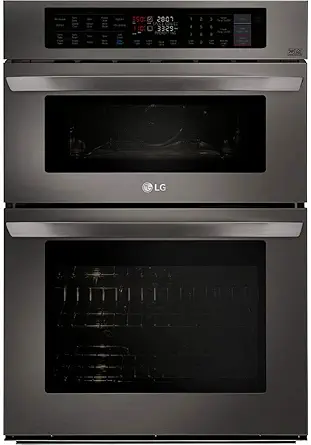
In evaluating the design landscape of kitchen appliances, LG stands as a major, innovative force, whereas BenQ does not participate in the major household appliance sector. LG’s wall oven design language emphasizes sleek, contemporary aesthetics blended with sophisticated ergonomics. Utilizing premium materials such as fingerprint-resistant printproof stainless steel, sleek black stainless finishes, and flush-to-cabinet installation capabilities, LG ovens integrate seamlessly into upscale modern kitchens. A hallmark of LG’s engineering design is the inclusion of their distinctive Brilliant Blue interior cavity, which enhances interior visibility while offering a luxury aesthetic. Furthermore, LG balances tactile control with digital refinement by combining solid, smooth-gliding weighted control dials with intuitive full-color LCD touchscreens, creating an interface that feels both robust and technologically advanced.
Conversely, assessing BenQ in the context of wall oven design requires clarifying a critical market reality: BenQ is an internationally recognized technology company renowned for visual display engineering—including home theater projectors, esports monitors, and interactive flat panels—but it does not manufacture or design major kitchen appliances like wall ovens. Consequently, there are no engineering blueprints, material selections, aesthetic philosophies, or architectural integrations from BenQ within the wall oven category. While a consumer might appreciate BenQ’s consumer electronics design language—focused on thermal management in compact chassis, high-grade optical glass, and intuitive On-Screen Display (OSD) controls—these technical strengths remain confined to consumer optics and display hardware, leaving the brand entirely absent from kitchen suites.
Ultimately, the practical trade-off in this category comparison is straightforward. Consumers looking for thoughtfully designed wall ovens must turn to established appliance leaders like LG, which delivers functional engineering feats like InstaView double-tap glass doors, soft-closing hinges, and ergonomic gliding racks. BenQ cannot be considered an alternative in any design evaluation regarding wall ovens, as its technological capital is strictly dedicated to personal computing and audiovisual technology. For buyers curating a premium, modern kitchen layout focused on architectural harmony and cooking functionality, LG represents the viable, highly polished choice.