Shark vs iRobot: Overview
Comparing Shark and iRobot helps you determine which brand is best suited for your needs in Vacuum Cleaners. Both brands offer strong choices depending on your budget and key feature requirements.
Key Features & Comparison
Evaluate factors such as build quality, warranty, customer satisfaction, and total value before making your final purchase choice between Shark and iRobot.
Features
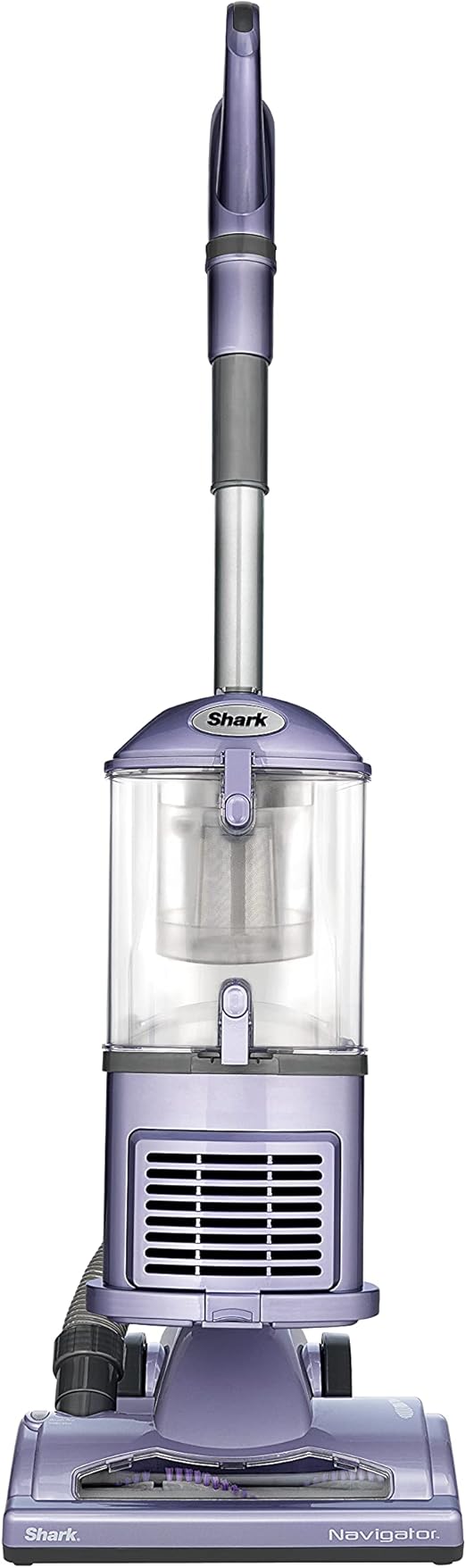
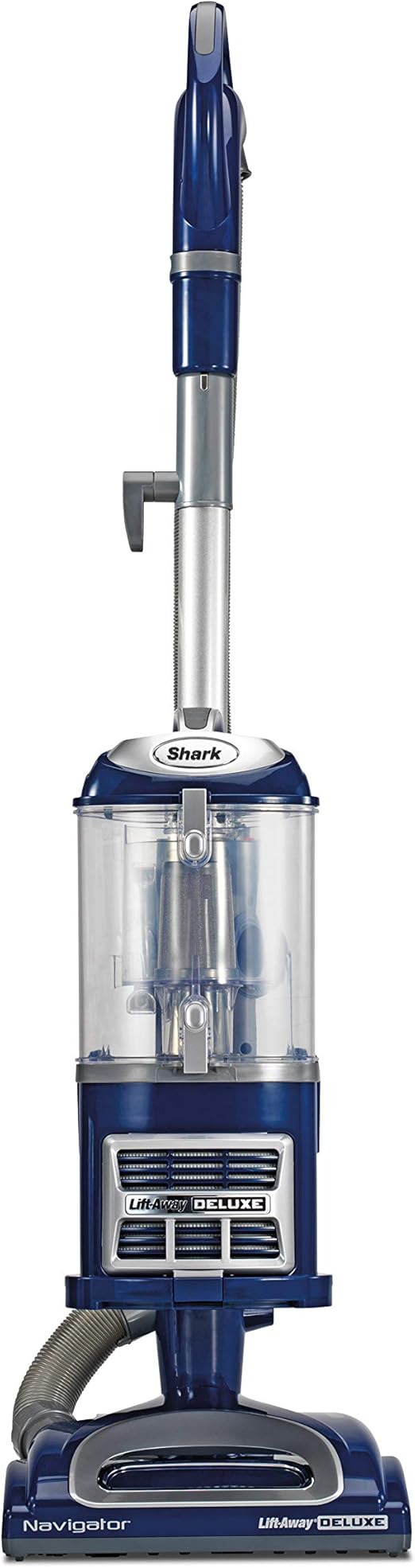
From a feature perspective, Shark emphasizes mechanical innovations aimed at everyday domestic frustrations. Their manual and robotic lineups heavily feature technologies like DuoClean dual-roller heads, Self-Cleaning Brushrolls to eliminate pet hair tangles, and Lift-Away canisters for above-floor versatility. In their robotic vacuum sector, Shark incorporates self-emptying base stations and hybrid vacuum-mop capabilities, often integrating these advanced hardware perks at baseline price tiers that severely undercut the broader market, though their companion software can sometimes feel functional rather than cutting-edge.
iRobot counters with industry-leading computational features and algorithmic sophistication powered by iRobot OS. Roombas excel in computer vision, utilizing advanced RGB cameras and machine learning for proactive obstacle detection, such as identifying and avoiding pet waste, electrical cables, and small hazards that trap competitors. Furthermore, iRobot offers dual counter-rotating rubber extractors that outperform traditional bristles on carpets, alongside sophisticated smart home integrations and paired vacuum-then-mop routines via the Braava ecosystem. While Shark provides superior mechanical versatility across cleaning formats, iRobot delivers unmatched software intelligence and automated reliability.
Performance
In raw cleaning performance, Shark typically dominates in metrics relating to sheer suction power and particulate pickup across mixed surfaces. Shark uprights and high-end stick vacuums generate high CFM (cubic feet per minute) airflow, allowing them to extract deeply embedded debris, fine dust, and dander from thick carpets far more effectively than any automated robot. Even within the robotic segment, Shark’s aggressive brushroll agitation and high motor output yield exceptional surface-level pickup, particularly for pet owners contending with massive shedding on hard floors and rugs.
iRobot’s performance, however, is defined by consistency, coverage efficiency, and mechanical pickup efficiency rather than raw airflow wattage. The Roomba's dual rubber extractors flex to adjust to different floor types, maintaining constant contact without tangling, while Dirt Detect acoustic and optical sensors prompt the robot to perform multi-pass cleaning over stubborn spots. While a Shark upright will always win in a sheer deep-cleaning power benchmark against a robot, within the autonomous space iRobot consistently outperforms Shark in navigational fidelity, corner coverage, and reliable room-by-room completion without human intervention.
Design
Shark’s design language is fundamentally utilitarian, ergonomic, and modular. Their manual cleaners emphasize user accessibility with quick-release wands, folding hinges for under-furniture reach, and completely sealed systems featuring true HEPA filtration to trap microscopic allergens. On their robotic vacuums, Shark favors bagless self-empty bases, which reduces ongoing consumable costs for budget-conscious owners. However, the heavy use of lightweight plastics and complex multi-part latches can sometimes give Shark units a more fragile tactile feel, requiring routine maintenance to prevent clogs and mechanical wear.
iRobot prioritizes an understated, modern aesthetic built around modular serviceability and high structural durability. Roombas are designed with a low-profile circular chassis to access tight kickspaces, constructed from resilient, scratch-resistant matte polymers. Unlike Shark's bagless base approach, iRobot standardizes bagged Clean Base stations to ensure zero dust exposure during disposal—a superior hygienic design, albeit with recurring cost. Crucially, iRobot designs its units with easily replaceable modular components—such as entire wheel modules, brush assemblies, and batteries—extending the operational lifespan of the machine far beyond typical consumer electronics.