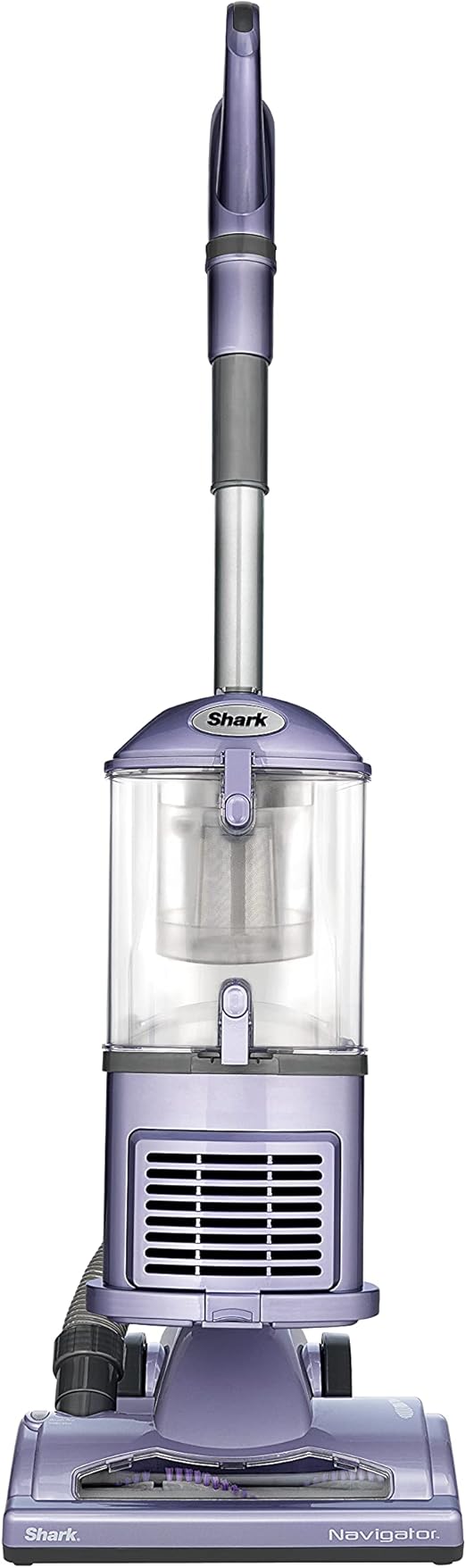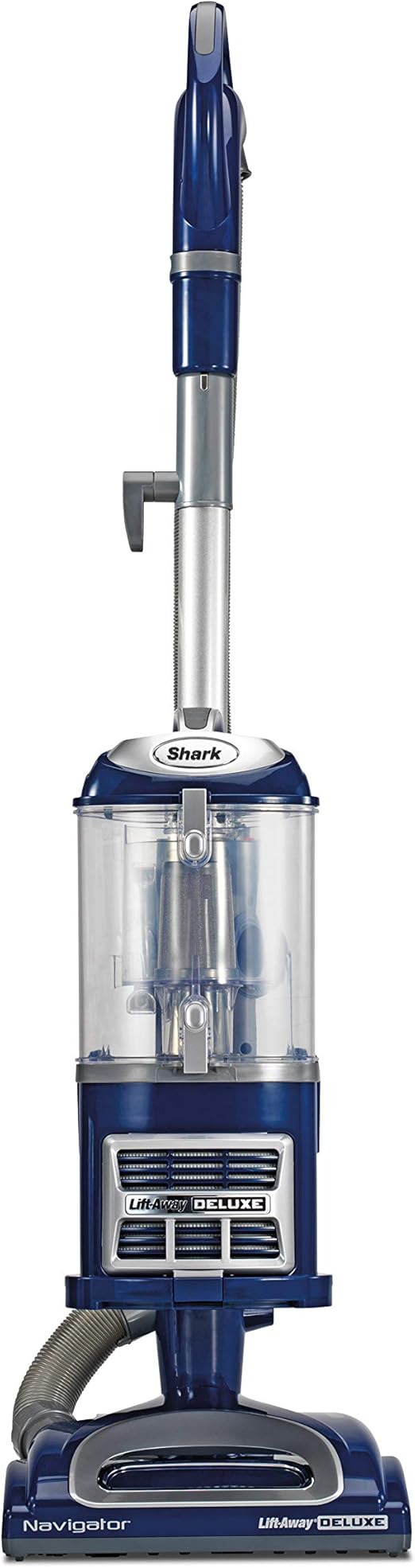






Shark vs Hoover: Overview & Brand Philosophy
In the home floorcare industry, few rivalries are as competitive or clearly defined as the battle between Shark and Hoover. Hoover stands as one of the true heritage titans of the appliance world; indeed, the brand's name became so synonymous with mechanical floor cleaning that it entered the English lexicon as a common verb. Originating in the early 20th century, Hoover built its reputation on rugged, straightforward, utilitarian design aimed at the everyday homeowner who prioritized raw agitation, deep carpet grooming, and long-term mechanical simplicity.
Shark, the floorcare subsidiary of SharkNinja, arrived on the scene as a modern disruptor with a hyper-focus on rapid iterative engineering, continuous consumer feedback, and feature-rich modularity. While Hoover established the foundational principles of upright suction and brushroll dynamics, Shark re-engineered the user experience by prioritizing versatile form factors, specialized roller configurations, and lightweight maneuverability. Rather than relying on legacy branding, Shark carved out significant market share by aggressively positioning its products as premium alternatives to high-end brands like Dyson, but at a more accessible, mid-tier price point.
Today, these two brands represent distinct philosophies in floorcare technology. Hoover leans heavily into traditional durability, high-capacity dust containment, and straightforward maintenance—often dominating the budget-to-midrange corded space and dedicated carpet-washing segment. Shark, conversely, champions ergonomic innovation, multi-surface adaptability without manual height adjustments, and sophisticated air-filtration seals. Understanding how these contrasting design mentalities translate to real-world cleaning is essential for consumers determining which brand best suits their living space.
Key Differences & Technological Comparison
The primary technological divergence between Shark and Hoover centers around brushroll design, chassis adaptability, and filtration mechanics. Shark’s most defining engineering breakthrough is its DuoClean technology, which integrates two motorized brushrolls within a single cleaning head: a soft front roller to pull in large debris and polish hard floors, alongside a stiff-bristled rear brush to deep-clean carpet fibers. Hoover typically relies on a single, aggressive, high-torque brushroll—such as its WindTunnel system—which utilizes multi-channel suction to lift embedded grit, though it often requires manual intervention or brushroll deactivation when transitioning to delicate bare floors.
Modularity is another area of clear contrast. Shark revolutionized the upright segment with its "Lift-Away" (and Powered Lift-Away) canister system, which allows the motor and dust cup to detach completely from the floor nozzle with the press of a button. This transforms a bulky upright into a portable pod for cleaning staircases, drapes, and under low-profile furniture without losing motorized brush power. Hoover has retained a more conventional structural approach. While Hoover uprights feature stretch hoses and extended wands, their core chassis remains unified, prioritizing balance, rigid upright locking, and high-volume dirt cup capacity over modular transformation.
When it comes to filtration and hair management, Shark's Anti-Allergen Complete Seal Technology paired with true HEPA filtration offers near-zero particle bypass, making it an exceptional choice for households managing severe environmental allergies. Shark also introduced self-cleaning brushrolls featuring silicone fins and specialized combs to actively untangle pet hair. Hoover combats hair wrap via its dual-tine brushroll systems in select "React" and "WindTunnel" variants, but heavily differentiates itself through chemical compatibility and hybrid technology—frequently bundling wet-extraction capabilities and antimicrobial-treated plastics into its upright lines to manage stubborn pet grime and secondary odors.
Pros & Cons Comparison
Shark: Pros
- DuoClean Roller Versatility: Seamlessly transitions from high-pile rugs to hardwood floors without scattering large debris or scratching surfaces.
- Lift-Away Functionality: Detachable canister allows for unmatched mobility when tackling stairs, furniture, and elevated spaces.
- Superior Sealed Filtration: Anti-Allergen Complete Seal technology ensures microscopic dust and allergens do not leak back into the ambient air.
- Zero-M Hair Management: Active brushroll self-cleaning technology significantly reduces manual hair removal maintenance.
Shark: Cons
- Proprietary Repairs & Modularity: Individual replacement parts are often expensive or difficult to self-service due to proprietary housing designs.
- Top-Heavy Ergonomics: Stick models and Lift-Away uprights can place significant strain on the user's wrist during extended sessions.
- Smaller Dirt Capacities: The space required for modularity and dual rollers often results in reduced dustbin volume compared to traditional vacuums.
Hoover: Pros
- High Raw Agitation on Carpets: Traditional deep-cleaning brushrolls penetrate dense carpets exceptionally well to pull up heavy, settled sediment.
- High-Capacity Dirt Containment: Larger dust cups (and expansive bagged options) mean fewer trips to the trash can during whole-home cleanings.
- Affordable, Accessible Repairs: Universal belts, standard filters, and simple mechanical layouts make DIY maintenance straightforward and cheap.
- Outstanding Carpet Washing Integration: Hoover’s ecosystem includes best-in-class dedicated carpet shampooers (e.g., SmartWash series), providing a complete floorcare suite.
Hoover: Cons
- Cumbersome Above-Floor Cleaning: Without a lift-away canister, the vacuum body can tip over easily when pulling the hose taut for stair cleaning.
- Hard Floor Scattering: Single-roller upright models can struggle with fine debris on bare floors, sometimes propelling particles backward across the floor.
- Bulkier Aesthetics and Materials: Chassis construction can feel overly plastic-heavy and utilitarian compared to the sleeker finishes of competitors.
Performance, Durability & Value Analysis
From a raw cleaning performance perspective, the two brands trade advantages based entirely on the flooring surface in question. In controlled testing environments, Hoover regularly punches above its weight class on traditional wall-to-wall carpeting. Its robust WindTunnel suction paths and stiff, high-RPM bristle arrays create intense surface vibration that shakes loose heavy sand and ground-in dirt. However, Shark routinely outperforms Hoover on mixed-flooring layouts. The soft front roller of Shark's DuoClean head creates an airtight seal directly against bare floors, effortlessly collecting fine flour-like dust while simultaneously pulling in massive cereal flakes that Hoover’s conventional bumper typically plows across the room.
Regarding durability and long-term value, Hoover claims a distinct advantage in mechanical repairability. Because Hoover sticks to classic designs, components such as drive belts, roller bearings, and replacement hoses are inexpensive and easily swapped out by the end-user with basic hand tools. Shark vacs, while typically backed by comprehensive 5-year warranties, employ complex internal wiring harnesses (especially in Powered Lift-Away variants) and sealed motor heads that often require total assembly replacement rather than simple component-level repairs. Nonetheless, Shark delivers exceptional perceived value right out of the box through high-end features—such as integrated LED headlights, motorized pet attachments, and hyper-flexible folding wands—that Hoover typically reserves only for its most expensive flagships.
Final Verdict: Which Brand Should You Choose?
Your choice between Shark and Hoover ultimately hinges on your home’s floor topography, your maintenance habits, and the physical ergonomics you require from an appliance.
Choose Shark if:
- Your home features a balanced mix of hardwood, tile, and area rugs, where DuoClean's dual-action brushroll eliminates the need to change heads or settings.
- You have multi-level living spaces or extensive upholstery, making the lightweight versatility of the "Lift-Away" pod an absolute necessity.
- You or your family members suffer from seasonal allergies or pet dander sensitivities that demand an extensively sealed HEPA system.
Choose Hoover if:
- Your home is predominantly covered in medium-to-high-pile wall-to-wall carpeting that requires aggressive, high-torque agitation to remove deep-set soil.
- You operate on a strict budget and want maximum suction per dollar, with the added security of cheap, widely available DIY replacement parts.
- You prefer classic upright stability with maximum dust capacity, minimizing mid-cleaning interruptions to empty the dustbin.
Features
When evaluating engineering quality and technological integration, Shark consistently positions itself on the cutting edge of consumer-centric features, while Hoover leans into durable, pragmatic simplicity. Shark’s signature feature set is headlined by its DuoClean dual-roller system, which pairs a stiff bristle brush with a soft front roller to capture large debris and fine dust simultaneously without scattering. Furthermore, Shark has heavily invested in proprietary convenience features like Powered Lift-Away—allowing users to detach the canister while maintaining power to the motorized brush head—and Zero-M anti-hair-wrap technology, which utilizes integrated combs to actively clear pet hair. In contrast, Hoover favors traditional, mechanically robust engineering centered on high-efficiency cyclonic airflow and heavy-duty agitation, evidenced by their WindTunnel technology that creates multiple channels of suction to lift deeply embedded grit from carpet fibers. While Hoover’s feature development may appear less experimental, it yields dependable, field-tested components with fewer proprietary electronic fail points.
The practical trade-offs between the two brands emerge distinctly in their user interface, multi-surface adaptability, and battery ecosystems for cordless models. Shark vacuums excel in real-time versatility, often incorporating dynamic LED headlights, digital controls with floor-type selection directly on the handle, and flexible multi-flex wands that bend to reach under furniture. However, these advanced features result in a more complex design that can be heavier in the hand and costlier to repair. Hoover counters this with utility-driven systems, particularly in their cordless lineup powered by the ONEPWR interchangeable lithium-ion battery platform. This ecosystem allows users to swap identical batteries across Hoover's vacuums, hard-floor scrubbers, and spot cleaners—a significant functional advantage over Shark’s primarily integrated or vacuum-specific battery packs. Additionally, Hoover's automatic floor-sensing features (ScatterGuard) and high-capacity dirt cups focus on reducing maintenance frequency, appealing to users who prioritize sustained runtimes and lower technical maintenance over Shark's agile, modular functionality.
Performance
When evaluating core vacuuming performance, Shark consistently out-engineers Hoover through advanced airflow dynamics and aggressive agitation systems. Shark’s signature DuoClean technology—which integrates a soft front roller to pull in large debris with a second, stiff-bristled rear roller to deep-clean carpets—gives the brand a significant edge in multi-surface transitions. This dual-brushroll design eliminates the "snowplowing" effect common to traditional vacuums when encountering cereal or pet kibble on hard floors. Furthermore, Shark vacuums typically generate higher sealed suction metrics (water lift), meaning they excel at pulling fine dust and embedded allergens from medium-to-high-pile carpeting. Hoover counters with its WindTunnel and Dual-Action brush roll technologies, which produce reliable, workhorse-level surface agitation; however, Hoover uprights and cordless models often struggle with high-velocity airflow retention, causing them to scatter larger particles on bare floors or require multiple passes over heavy debris.
In terms of specialized capabilities—particularly pet hair management and long-term suction consistency—the performance gap widens based on mechanical design. Shark’s Zero-M (now self-cleaning brushroll) engineering uses integrated fins and a comb system to actively clear hair wraps while cleaning, maintaining peak brush velocity without user intervention. While Hoover’s React and High Performance lines offer strong raw mechanical brush power and scatter-guard controls, hair entanglement remains a persistent pain point that degrades brushroll RPM over time. Shark also implements superior complete-seal filtration systems that prevent micro-particles from escaping back into the exhaust stream, thereby preserving motor longevity and continuous suction. Hoover does offer competitive performance in specific niches, particularly within their wet-dry and dedicated carpet washing lines (such as the SmartWash series), where Hoover's fluid extraction motors often outperform Shark's liquid cleaning counterparts.
Ultimately, the practical trade-offs come down to specialized versatility versus straightforward, heavy-duty durability. Shark optimizes performance through high-tech agility, offering features like Lift-Away pods that let users carry the canister while maintaining full motorized brush head power for stairs and above-floor cleaning. The trade-off for Shark's high-performance engineering is increased mechanical complexity, which can make clogs harder to clear if the internal airways are neglected. Hoover delivers a more traditional, high-airflow utilitarian performance that is mechanically simpler and easier to maintain for basic household chores, but it lacks the refined edge-to-edge pickup, debris versatility, and deep-crevice pull that Shark commands across virtually every flooring type.
Design
In evaluating the design philosophies of Shark and Hoover, the architectural divergence between modern versatility and traditional utility becomes immediately apparent. Shark prioritizes modular, consumer-centric engineering, best exemplified by its signature "Lift-Away" pod system and "DuoClean" dual-brushroll technology. Shark’s chassis designs integrate swivel steering with an aggressive, low-profile aesthetic that facilitates effortless navigation beneath low-clearance furniture. Furthermore, features like self-cleaning brushrolls and intuitive fingertip controls illustrate an acute focus on eliminating common user friction points. In contrast, Hoover adheres to a more conservative, utilitarian blueprint that emphasizes rugged simplicity and serviceability. Hoover models, particularly within the WindTunnel and High Performance series, lean on a structurally rigid, upright form factor that feels more industrial, trading agile modularity for high-capacity, straightforward dirt paths that minimize clogs and simplify mechanical maintenance.
When assessing technical strengths, materials, and long-term usability, both brands present distinct engineering trade-offs. Shark relies heavily on intricate multi-component assemblies, featuring sealed HEPA filtration gaskets, bright LED pathfinder headlights, and numerous quick-release latches. While this delivers exceptional dynamic utility for multi-surface and above-floor cleaning, the abundance of moving mechanical joints introduces potential wear points over extended operational lifecycles. Hoover takes a more mechanical, stress-tolerant approach; their designs frequently incorporate manual multi-floor height adjustments, wider cleaning paths, and thicker ABS plastics engineered to withstand high-impact domestic environments. However, this focus on durability often results in a heavier, more cumbersome user experience with less refined weight distribution, making Hoover vacuums feel more fatiguing during stairs and overhead maneuvering.
Ultimately, the design victor hinges on the consumer’s practical cleaning environment and ergonomic preferences. Shark represents the cutting edge of domestic convenience, excelling in multi-story homes, tight spaces, and mixed-flooring conditions where agile transformation and compact storage are paramount. Hoover remains the archetype of heavy-duty reliability, catering to users who prioritize volumetric bin capacity, raw operational stability, and straightforward component repairability over high-tech modularity. While Shark’s sophisticated engineering delivers superior day-to-day maneuverability, Hoover's classic architecture provides a resilient, workhorse design built for uncompromising floor-level duty.
Compare current retail pricing, active promotions, and verified stock availability directly from authorized stores:
Compare current retail pricing, active promotions, and verified stock availability directly from authorized stores: