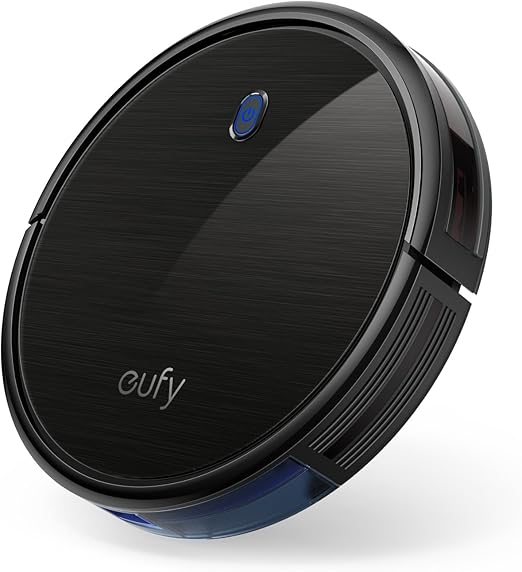
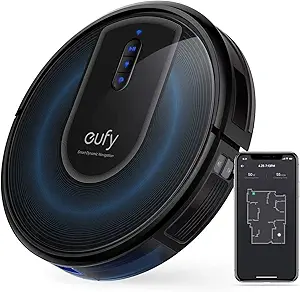
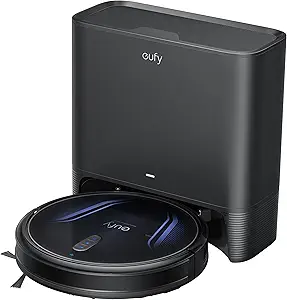
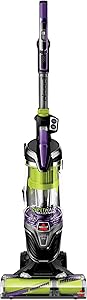
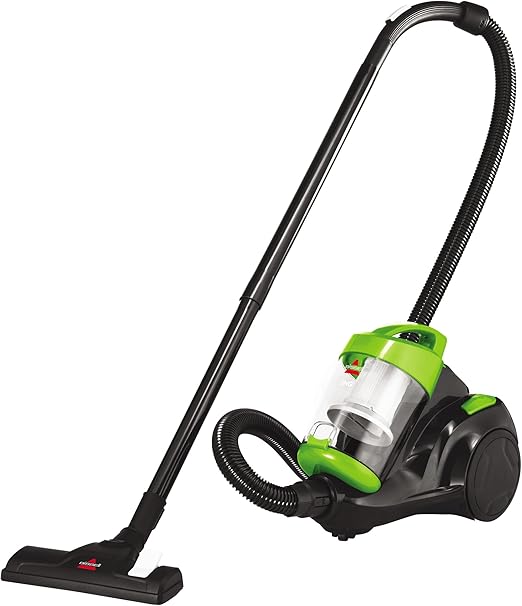
Eufy vs Bissell: Overview & Brand Philosophy
In the evolving landscape of home floor care, Eufy and Bissell represent two distinct schools of engineering thought. Eufy, a sub-brand of the Chinese electronics giant Anker Innovations, entered the market with a hyper-focus on digital automation, smart home integration, and compact robotics. Its design philosophy centers on ambient intelligence—creating low-profile, whisper-quiet robot vacuums and modern cordless stick models that require minimal human intervention while blending seamlessly into the internet-of-things (IoT) ecosystem.
Bissell, by contrast, is an American floorcare titan with a legacy spanning well over a century. Founded in 1876, Bissell built its reputation on mechanical reliability, deep-cleaning power, and high-capacity extraction systems. While the brand has gradually expanded into the robotic and cordless segments, its core philosophy remains rooted in practical, heavy-duty problem solving—specifically catering to multi-pet households, high-traffic homes, and consumers facing stubborn biological stains, carpet grime, and varied floor surfaces.
Choosing between these two manufacturers is rarely a matter of generic brand loyalty; rather, it represents a choice between automated, daily maintenance and intensive, hands-on restoration. While Eufy focuses on predictive algorithms, app sophistication, and hands-free upkeep, Bissell relies on sheer mechanical agitation, multi-surface wash capabilities, and robust suction engines built to handle severe messes.
Key Differences & Technological Comparison
The primary point of divergence between Eufy and Bissell lies in their technological deployment. Eufy excels in navigation systems and digital mapping. Its mid-to-high-tier robotic vacuums (such as the RoboVac and X-series) leverage proprietary technologies like iPath Laser Navigation (Lidar) and AI.See obstacle avoidance to dodge floor hazards such as cables, toys, and pet waste. Furthermore, Eufy's Twin-Turbine suction technology provides elevated airflow in extraordinarily compact form factors, while maintaining sound profiles that routinely operate below typical conversational volume (under 60 dB).
Bissell focuses its engineering resources on wet/dry integration and brush roll dynamics. The brand's premier claim to modern innovation is its CrossWave series, which combines dry vacuuming with active liquid washing in a dual-tank system that separates clean water and formula from dirty recovery water. In dry vacuums, Bissell implements Tangle-Free Brush Rolls that physically mitigate long hair and pet fur wraps using optimized bristle placement and comb teeth—an area where entry-level Eufy units often require manual blade clearing.
Build construction and ergonomics also contrast sharply. Eufy designs prioritize sleek lines, lightweight polycarbonates, and miniaturized components to slip beneath low-clearance furniture. Bissell opts for high-impact, utilitarian plastics designed to withstand frequent impacts, heavy drops, and prolonged stress. Bissell’s machines are generally heavier, feature higher capacity dust bins, and incorporate physical cord wraps or robust pedal mechanisms, favoring raw durability over aesthetic minimalism.
Pros & Cons Comparison
Eufy: Pros
- Market-Leading Compact Profiles: Robot vacuums (notably the RoboVac Slim series) are among the thinnest on the market, accessing tight spaces beneath couches and credenzas.
- Quiet Operation: Superior motor dampening yields industry-low decibel ratings during active operation.
- Refined Smart Infrastructure: The Eufy Clean app provides highly responsive mapping, no-go zones, and seamless pairing with Amazon Alexa and Google Assistant.
- High Suction-to-Size Ratio: Advanced brushless motors and twin-turbine setups generate impressive Pa suction ratings despite small motor chassis.
Eufy: Cons
- Limited Deep Extraction: Lacks heavy-duty carpet shampooers or dedicated deep-pile agitation systems.
- Smaller Bin Capacities: Compact form factors demand more frequent bin emptying or investment in costly auto-empty stations.
- Hair Tangle Susceptibility: Lower-tier brush rolls are prone to hair binding and require routine manual maintenance.
Bissell: Pros
- Exceptional Wet/Dry Versatility: The CrossWave and HydroSteam lines clean dry debris and scrub sticky liquid spills concurrently.
- Superior Pet Hair Management: Purpose-built brush rolls, specialized pet filters, and specialized handheld attachments prevent clogs and trap biological odors.
- High-Capacity Dust & Water Bins: Significantly larger reservoirs mean fewer interruptions during large-scale cleaning cycles.
- Philanthropic Mission: Direct contributions to the Bissell Pet Foundation resonate strongly with animal-welfare-conscious consumers.
Bissell: Cons
- Bulky & Heavy Ergonomics: Upright and wet/dry units are considerably heavier, demanding more physical effort to transport up stairs.
- Lagging Navigation Tech: Bissell’s robotic vacuum entries lack the algorithmic maturity, mapping speed, and obstacle-avoidance fidelity of Eufy.
- Loud Operating Noise: High-powered, traditional air-bypass motors produce substantial noise output across hard floor and carpet applications.
Performance, Durability & Value Analysis
From a raw performance perspective, your surface type dictates the winner. On hard floors and short-pile area rugs, Eufy's autonomous systems deliver consistent, daily maintenance that prevents grit accumulation. However, when tested on high-pile carpets, Bissell’s upright vacuums (such as the CleanView series) produce substantially superior airflow (CFM) and mechanical brush agitation, extracting deeply embedded allergens and fine dirt that robot vacuums fundamentally lack the torque to displace. When liquid spills or sticky kitchen residue enter the equation, Bissell’s hydro-extraction technology outclasses Eufy’s passive mopping pads by a wide margin.
In terms of lifecycle durability and value, the brands balance out differently over a 3- to 5-year timeline. Eufy’s pricing is exceptionally aggressive within the smart robotics space, offering features like Lidar navigation and auto-empty bases at prices hundreds of dollars below brands like iRobot. However, lithium-ion battery degradation and sensitive board electronics inherently limit a robot vacuum's operational lifespan. Bissell’s mechanical, corded units often survive for seven to ten years with basic belt and filter changes. Bissell replacement parts are widely accessible, making physical repairs straightforward and ensuring strong long-term return on investment.
Final Verdict: Which Brand Should You Choose?
Your ultimate decision should rest on your household dynamics, flooring surfaces, and desired level of involvement:
Choose Eufy if: You are seeking an autonomous, set-it-and-forget-it floor maintenance strategy. Eufy is the clear choice for busy professionals, urban apartment dwellers with hard flooring or low-pile rugs, and tech enthusiasts who want dependable, whisper-quiet robotic cleaning with top-tier scheduling and smart-home integration at a fair price.
Choose Bissell if: You live in an active, multi-pet home, have significant wall-to-wall carpeting, or regularly encounter liquid spills, tracked-in mud, and tough pet messes. Bissell is built for consumers who need serious, deep-cleaning suction and wet-extraction capabilities, and who do not mind operating a corded, heavier machine to achieve a true, sanitary clean.
Features
When evaluating the feature ecosystems of Eufy and Bissell, the two brands showcase fundamentally divergent engineering philosophies tailored to distinct cleaning demands. Eufy, an Anker sub-brand, prioritizes smart automation, robotics, and digital integration. Its flagship RoboVac and Omni series are distinguished by technical strengths such as proprietary iPath Laser Navigation, AI-driven obstacle avoidance (A.I See), and high-output Twin-Turbine suction architectures. Advanced models feature high-capacity self-emptying and self-washing base stations with automated mop-drying capabilities, controlled seamlessly via a feature-rich mobile app. In contrast, Bissell directs its technical resources toward fluid dynamics, mechanical agitation, and specialized pet-debris extraction. Rather than focusing on autonomous software algorithms, Bissell’s uprights, stick vacs, and CrossWave wet/dry cleaners emphasize heavy-duty utility features like the patented Tangle-Free Brush Roll, multi-surface brush technology, Febreze odor-elimination filtration, and built-in CleanConnect dirt-disposal systems that prevent dust plumes during manual emptying.
The practical trade-offs between their respective feature sets lie squarely between automated maintenance and deep restorative cleaning power. Eufy excels in hands-off, daily upkeep, offering features like virtual boundary setting, dynamic room mapping, multi-floor plans, and scheduled zoned cleaning that cater directly to connected, smart-home environments. However, Eufy’s compact brushless motors and low-profile form factors struggle with deep-pile carpet agitation, massive liquid spills, or embedded pet hair. Bissell sacrifices the convenience of automated mapping for unmatched physical cleaning features: dual-tank technology that keeps clean and dirty water separated, specialized pet hair strainers, steam sanitization modules, and high-velocity wet extraction that dissolves ground-in stains. While Bissell requires manual operation and regular maintenance of physical filters and dirty-water tanks, its raw feature set offers a level of decontamination and deep-cleaning horsepower that robotic platforms cannot technically match.
Ultimately, consumers prioritizing cutting-edge automation, app-based customization, and silent, routine maintenance will find Eufy’s software-driven features superior. Conversely, households dealing with heavy shedding, frequent liquid accidents, and high-traffic carpet wear will benefit far more from Bissell’s mechanical, wet-dry versatility and pet-centric engineering. While Eufy represents the cutting edge of smart home convenience, Bissell remains the practical workhorse for comprehensive sanitation and high-volume dirt remediation.
Performance
When evaluating performance, Eufy and Bissell approach the discipline through vastly different engineering paradigms, with Eufy dominating automated maintenance and Bissell excelling in raw, mechanical deep-cleaning power. Eufy, Anker’s smart-home subsidiary, concentrates its technical prowess on robotic vacuum autonomy, leveraging sophisticated brushless motors that generate high static pressure—such as the 8,000 Pa Twin-Turbine technology found in its flagship X9 and X10 series. This aerodynamic efficiency is paired with advanced laser LiDAR navigation and algorithmic pathing, enabling consistent, daily surface-level debris removal with minimal consumer intervention. However, while Eufy excels at capturing fine dust, pet dander, and low-pile carpet debris, its lightweight, battery-constrained platforms naturally hit a ceiling in sheer agitating torque and airflow volume compared to traditional plug-in hardware.
Conversely, Bissell designs its performance metrics around heavy-duty restoration and dynamic fluid extraction, serving as an industry benchmark for embedded mess removal. Bissell’s primary strengths lie in high-amperage upright vacuums, stick units, and wet/dry hybrid extractors like the CrossWave series. In direct head-to-head scenarios on medium-to-high pile carpets, Bissell’s high-torque motorized brush rolls and multi-cyclonic suction systems outperform Eufy by dislodging compacted grit and deeply trapped pet hair that robotic units simply glide over. Furthermore, Bissell integrates targeted wet-wash technologies that break down enzymatic stains, sticky residues, and wet spills via controlled chemical-solution dispersion—a functional domain where Eufy’s passive or vibrating mopping pads offer merely light surface scrubbing rather than true deep-clean extraction.
The practical trade-off between the two brands centers on maintenance frequency versus localized deep-cleaning efficacy. Eufy provides superior day-to-day baseline performance; its automated scheduling, edge-detection algorithms, and self-emptying docks prevent detritus accumulation before it embeds into carpet fibers, making it the better performer for hands-off, ambient cleanliness. Bissell requires active manual labor and tethered operation, but it delivers unmatched remediation power, higher peak airflow (CFM), and superior wet-mess capability. Consumers prioritizing set-it-and-forget-it upkeep will find Eufy’s precision engineering superior, whereas households dealing with heavy-shedding pets, active children, and stubborn stains require the raw brute-force suction and hydro-mechanical performance intrinsic to Bissell.
Design
Eufy and Bissell approach vacuum cleaner design from fundamentally different engineering philosophies, reflecting their core competencies in smart robotics and heavy-duty floor care, respectively. Eufy, an Anker sub-brand, prioritizes sleek, minimalist consumer-tech aesthetics and compact engineering. Its robotic lineup, such as the RoboVac and Omni series, features low-profile chassis heights—often under three inches on non-LiDAR models—engineered specifically to glide beneath low-clearance furniture where traditional uprights cannot reach. Even on advanced sensor-laden models, Eufy integrates LiDAR domes, twin-turbine motors, and auto-empty dustbins into tightly packed, visually unobtrusive footprints. In contrast, Bissell champions utilitarian, mechanical durability designed around high-capacity wet/dry extraction and upright power. Bissell’s uprights and CrossWave multi-surface cleaners exhibit an industrial, function-first geometry characterized by robust polycarbonate housings, visible dual-tank fluid systems, and wide cleaning paths that prioritize volumetric airflow and raw liquid/debris capacity over sleek aesthetics.
From an ergonomics and technical feature set perspective, the design trade-offs between the two brands directly impact day-to-day usability. Bissell excels in modular, user-centric mechanical designs specifically engineered for pet owners and deep-cleaning workflows. Features such as quick-release foot pedals, tangle-free brush rolls with transparent inspection windows, and integrated specialized hose attachments demonstrate an understanding of tactile, heavy-duty floor maintenance. However, this functionality results in heavier, bulkier units that demand dedicated closet storage space and significant physical maneuvering. Eufy counters this with automated, hands-off ergonomic design, relying on intelligent sensor arrays (including AI obstacle avoidance cameras and infrared drop sensors) and self-contained base stations. Eufy's handheld and cordless stick offerings similarly emphasize ultra-lightweight ergonomics, USB-C recharging, and balanced center-of-gravity builds, albeit with the trade-off of much smaller dustbins that require frequent emptying.
Ultimately, the design choice between Eufy and Bissell hinges on whether a user values automated, space-saving engineering or rugged, high-capacity utility. Eufy’s refined, modern design language seamlessly integrates into contemporary smart homes, offering discreet visual profiles, sophisticated companion-app telemetry, and automated maintenance ecosystems that require minimal user interaction. Bissell, meanwhile, delivers superior mechanical transparency and rugged component serviceability, utilizing easily detachable, washable tanks and hardwired brush mechanisms engineered to endure messy, large-scale cleanups. For consumers seeking a set-and-forget, technologically advanced appliance that complements a minimalist home, Eufy’s design execution is superior, whereas Bissell remains the design benchmark for high-stress, mixed-surface, and deep-stain floor care.