







Bissell vs Hoover: Overview
Comparing Bissell and Hoover helps you determine which brand is best suited for your needs in Vacuum Cleaners. Both brands offer strong choices depending on your budget and key feature requirements.
Key Features & Comparison
Evaluate factors such as build quality, warranty, customer satisfaction, and total value before making your final purchase choice between Bissell and Hoover.
Features
In terms of specialized functionality, Bissell routinely outpaces Hoover with pet-centric and multi-surface innovations. Features such as specialized tangle-free rubberized brush rolls, built-in Febreze filtration systems, internal LED illumination on floor nozzles, and patented dual-tank fluid isolation systems give Bissell an edge in versatility. Their multi-surface machines frequently feature electronic fingertip controls that allow users to seamlessly modulate water delivery and motor speeds between sealed hardwood, laminate, and area rugs, providing a high degree of operational finesse for mixed-surface environments.
Hoover responds with an emphasis on heavy-duty mechanical features and air-path management. Their proprietary WindTunnel technology utilizes targeted multi-channel suction to lift surface debris while simultaneously drawing out embedded particulate from deep within carpet backing. Additionally, Hoover's carpet washers feature dual-axis CounterRotating brushes that scrub carpet fibers from all angles, alongside specialized heat-forced drying vents (HeatForce technology) that Bissell rarely matches in lower price tiers. However, Hoover's utility-first approach often results in less refined accessory attachments, where Bissell provides more thoughtfully designed specialized crevice tools, motorized pet erasers, and rinse-clean storage trays.
Performance
When measuring cleaning efficacy, raw suction power and debris pickup reveal distinct strengths for each manufacturer. Hoover consistently delivers higher static water-lift and superior airflow CFM metrics on plush carpeting, making its full-sized uprights significantly more capable at removing sub-surface sand, fine silica, and heavy embedded dirt. The sheer torque behind Hoover’s brush roll motors ensures continuous rotation under high friction, preventing stalls on high-pile rugs where lighter vacuums struggle to maintain mechanical agitation.
Bissell shines dynamically in dynamic everyday scenarios, especially where pet hair and wet-dry transition zones are concerned. Their brush rolls are precision-engineered to prevent hair wrap around the axle bearings, reducing maintenance downtime compared to Hoover's more traditional bristled rollers. Furthermore, Bissell's wet extraction units excel at lifting protein-based stains and high-moisture organic messes without saturating carpet pads, thanks to highly calibrated fluid dispersion and recovery pumps. While Hoover captures the crown for pure carpet airflow metrics, Bissell frequently provides more dependable everyday performance across diverse debris types, including sticky spills, scattered pet kibble, and mixed-density fibers.
Design
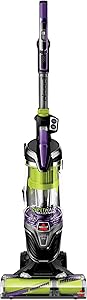
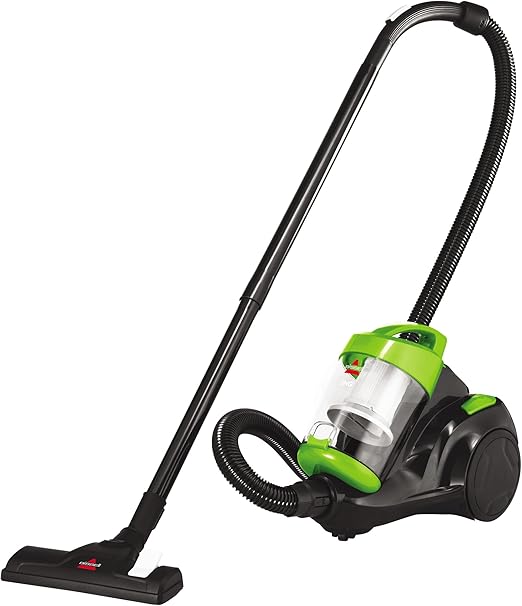
From an industrial design standpoint, Bissell appliances exhibit a sleeker, consumer-friendly aesthetic characterized by ergonomic handles, intuitive latching mechanisms, and translucent plastics that give immediate visual feedback on water and dirt levels. Bissell places a strong engineering focus on weight reduction and maneuverability, incorporating swiveling steering joints and low-profile cleaner heads that easily articulate beneath low furniture and around cabinetry. This focus on agility makes Bissell models remarkably easy to deploy for quick, targeted cleanups, though the lighter-gauge plastic housing can feel somewhat brittle over extended periods of heavy use.
Hoover products favor an industrial, utilitarian design language prioritizing structural rigidity and large internal capacity over ultralight mobility. While newer Hoover stick and upright models have adopted more modern silhouettes, they generally feature wider wheelbases, bulkier motor housings, and heavier corded chassis. The practical payoff is increased dirt-cup volume and larger recovery tanks, meaning fewer trips to the trash bin or utility sink during large-scale cleaning sessions. However, this robust build quality often comes with a penalty in total unit weight, requiring more physical effort to transport up and down stairs and manipulate into confined spaces compared to Bissell’s more nimble form factors.
Compare current retail pricing, active promotions, and verified stock availability directly from authorized stores:
Compare current retail pricing, active promotions, and verified stock availability directly from authorized stores: