Bissell vs Dreame: Overview
Comparing Bissell and Dreame helps you determine which brand is best suited for your needs in Vacuum Cleaners. Both brands offer strong choices depending on your budget and key feature requirements.
Key Features & Comparison
Evaluate factors such as build quality, warranty, customer satisfaction, and total value before making your final purchase choice between Bissell and Dreame.
Features
From a feature perspective, Dreame operates at the frontier of smart consumer robotics and mechatronic sophistication. Its flagship robotic and cordless units boast LiDAR-based dual-laser navigation, AI-driven optical obstacle avoidance, and dynamic mop-pad extension mechanisms that clean tight against baseboards. Dreame’s advanced multi-function docking stations automate the entire maintenance cycle—handling dust emptying, mop-pad washing with heated water, hot-air drying, and precise detergent proportioning. In their stick vacuums, color LCD interfaces provide real-time particle sensing telemetry, runtime countdowns, and automatic suction adjustment based on infrared dust detection, presenting an exceptionally granular level of user feedback.
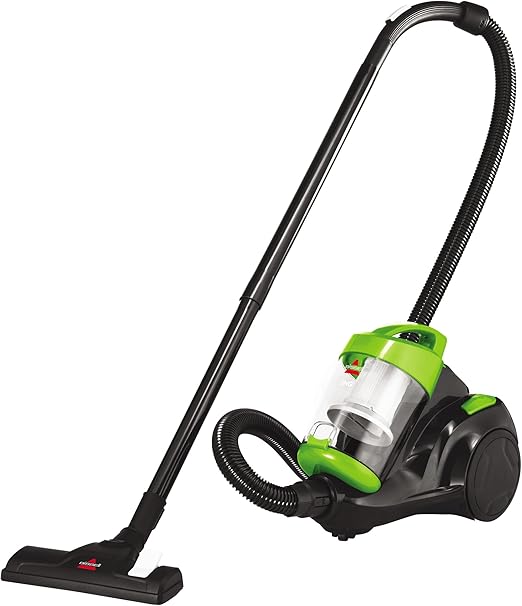
Bissell approaches feature design through functional mechanical utility rather than microprocessors and digital interfaces. Instead of complex software ecosystems, Bissell equips its units with specialized pet-hair strainers, dual-action brush rolls that resist fiber tangling, integrated LED headlights on floor nozzles, and dual-tank fluid systems that separate clean solution from dirty recovery water. Many Bissell wet-dry models, such as the CrossWave series, offer intuitive thumb-controlled fluid dispensing and simple push-button self-cleaning cycles on a basic tray. While Bissell lacks the predictive AI algorithms and automated docking infrastructure of Dreame, its mechanical features are immediately intuitive, resilient, and specifically engineered to streamline the physical burden of heavy cleanups.
Performance
Performance metrics reveal a stark contrast in suction dynamics, fluid mechanics, and surface specialization. Dreame machines leverage state-of-the-art brushless Space digital motors that spin upward of 120,000 to 150,000 RPM, generating immense static air-watt suction that delivers exceptional fine-dust pickup on hard surfaces and low-pile rugs. In autonomous units, Dreame’s dual-spinning or vibrating mop assemblies deliver consistent downward pressure that lifts everyday sticky residues and surface scuffs with ease. However, when faced with dense, high-pile carpeting, Dreame’s lower-clearance heads and reliance on purely airflow-based extraction can limit its ability to dislodge deeply embedded grit and pet dander.
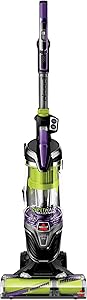
Bissell demonstrates superior performance when raw mechanical agitation and deep wet-extraction are demanded. Its upright vacuums and carpet extractors utilize high-torque, high-amperage motors paired with aggressive, multi-row motorized brush bars that dig deeply into carpet backings to liberate packed dirt. In wet-dry scenarios, Bissell’s higher fluid-flow rates and high-volume recovery pumps excel at lifting major spills, mud, and pet accidents that would quickly overwhelm or clog a delicate Dreame unit. While Bissell produces higher operational decibels and offers less surgical precision on bare floors, its heavy-duty deep-cleaning performance remains a benchmark for homes requiring heavy aggregate and stain removal.
Design
In terms of industrial design, Dreame embraces an ultra-modern, minimalist aesthetic reminiscent of high-end consumer electronics. Utilizing sleek metallic accents, matte whites, space grays, and streamlined geometric silhouettes, Dreame appliances are engineered to blend seamlessly into contemporary, high-design interiors. Ergonomically, their cordless vacuums feature balanced weight distribution with top-heavy motor assemblies optimized for single-handed, wrist-friendly maneuvering, complemented by smooth magnetic attachments and modular click-in batteries. The build quality feels tight and aerospace-inspired, though the extensive use of lightweight, precision-tolerance plastics requires care to avoid drops and cracks.
Bissell’s design language is decidedly industrial, pragmatic, and robust. Form strictly follows function, resulting in bulkier, visibly mechanical profiles dominated by durable, transparent high-impact polycarbonates and high-visibility accent colors. This transparency is functionally intentional, allowing users to monitor dirty water levels, brush-roll engagement, and filter blockages in real time. Bissell’s machines typically feature larger footprints, manual foot-pedal releases, and thicker cords, which trade away modern svelteness in exchange for rugged chassis durability that can withstand accidental impacts, commercial-grade drops, and years of physical abuse. While less glamorous than Dreame, Bissell’s physical architecture is built for hard, unpretentious labor.
Compare current retail pricing, active promotions, and verified stock availability directly from authorized stores: