Denon vs Stanton: Overview & Brand Philosophy
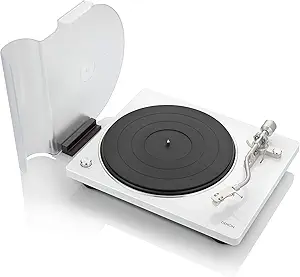
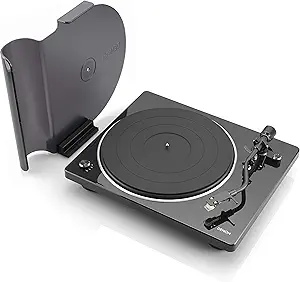
In the expansive domain of vinyl playback, Denon and Stanton represent two radically different lineages forged by distinct operational environments. Denon, founded in Japan in 1910 as part of Nippon Columbia, has spent over a century refining high-fidelity consumer and professional audio. The brand approaches turntable design from an audiophile standpoint: the deck is treated as a sensitive acoustic instrument whose primary directive is the faithful, low-noise extraction of micro-dynamics and tonal warmth from the record groove. Denon's product lines, from entry-level automatic decks to flagship direct-drive reference players, emphasize resonance control, mechanical silence, and living-room aesthetics.
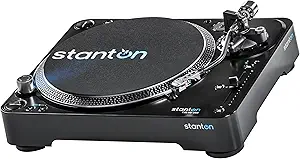
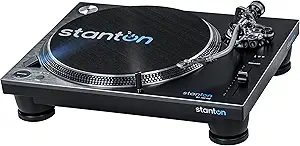
Stanton, established in the United States in the mid-1940s by Walter O. Stanton—the inventor of the easily replaceable phonograph stylus—carries a legacy fundamentally intertwined with the broadcast booth and the DJ stage. While Denon refined the art of passive listening, Stanton engineered equipment designed for hands-on, high-stress manipulation. Stanton’s engineering philosophy prioritizes massive motor torque, extreme chassis dampening, skip-free tracking, and utilitarian durability. For decades, Stanton turntables have been built to withstand the rigors of heavy club use, scratch performance, and continuous commercial duty cycles.
Choosing between these two storied manufacturers is not merely a question of comparing specifications; it requires evaluating the fundamental application of the turntable itself. Denon designs for the focused, seated listener seeking sonic purity, aesthetic elegance, and seamless integration into a domestic hi-fi system. Stanton designs for the performer, the tactile collector, and the user who values indestructible build quality, high-torque manual control, and rock-solid tracking stability above pure audiophile delicacy.
Key Differences & Technological Comparison
The core technological divergence between Denon and Stanton is visible across their drive systems, tonearm geometry, and structural ergonomics:
- Drive Mechanisms & Motor Dynamics: Denon predominantly utilizes belt-drive systems in its entry-to-mid-range offerings (such as the DP-300F and DP-400) to isolate motor vibrations from the platter, switching to sophisticated, ultra-smooth direct-drive motors in its higher-tier models (such as the DP-3000NE). Denon’s direct-drive algorithms focus on eliminating "cogging" (micro-stuttering) to achieve absolute rotational stability. Stanton, conversely, specializes almost exclusively in high-torque direct-drive motors (most famously seen in the ST.150 and STR8-150 series). Stanton’s motors output up to 4.5 kgf-cm of starting torque, engineered for instantaneous startup, manual back-cueing, and beatmatching without rotational drag.
- Tonearm Engineering & Tracking Geometry: Denon outfits its decks with carefully weighted S-shaped or straight tonearms designed to follow precise IEC tracking curves. These tonearms feature calibrated counterweights and sensitive anti-skate mechanisms optimized for high-compliance moving magnet (MM) and moving coil (MC) cartridges, prioritizing reduced groove wear and low inner-groove distortion. Stanton offers both S-shaped tonearms and specialized straight, short-length tonearms (the "STR8" series). Stanton’s straight arms feature zero offset and high tracking force capabilities designed specifically to prevent the needle from jumping the groove during aggressive scratching, though this comes at the expense of higher tracking distortion during critical stereo listening.
- Chassis Architecture & Resonance Mitigation: Denon adopts a refined, modern industrial design featuring high-density MDF or specialized composite plinths coated in gloss or matte finishes, complemented by minimalist controls and innovative curved dust covers. Stanton employs massive, multi-layered battleship construction—often combining cast-aluminum faceplates with thick, vulcanized rubber base sections weighing upwards of 25 to 30 pounds. This heavy mass is specifically designed to eliminate acoustic feedback from club subwoofers and absorb physical floor vibrations.
- Interface & Performance Features: Denon focuses on listening convenience, offering features such as switchable built-in phono stages, optical speed sensors, auto-stop mechanisms, and USB digital recording outputs on select models. Stanton incorporates an extensive performance suite: wide-range pitch faders (±8%, ±16%, ±50%), digital pitch correction (Key Lock), dual start/stop buttons for battle-style deck orientation, reverse playback switches, and adjustable motor start/brake speeds.
Pros & Cons Comparison
Denon Turntables
- Pros:
- Superior acoustic fidelity, channel separation, and low noise floors tailored for high-fidelity playback.
- Domestic convenience options, including smooth semi-automatic or fully automatic tonearm mechanisms on consumer models.
- Gentle tracking geometry minimizes vinyl wear over extended listening sessions.
- Elegant, contemporary industrial design suitable for refined home living spaces.
- Excellent moving-coil (MC) cartridge compatibility on intermediate and high-end models.
- Cons:
- Not engineered for DJ performance, back-cueing, or physical vinyl manipulation.
- Belt-drive entry models lack the instant torque and speed-switch responsiveness of heavy direct-drive units.
- Stock cartridges on entry-level models are relatively basic and require upgrading to unlock the deck’s full potential.
Stanton Turntables
- Pros:
- Industrial-grade direct-drive motors with class-leading torque and zero start-up lag.
- Exceptional build quality with multi-layer steel and rubber dampening that repels acoustic feedback.
- Extensive manipulation controls including broad pitch ranges, reverse play, and motor braking controls.
- Unrivaled groove retention on straight-arm models during scratching and heavy handling.
- Dual start/stop controls allow seamless horizontal or vertical ("battle-style") setup.
- Cons:
- Straight-arm models produce higher tracking error and distortion, making them less ideal for pure hi-fi listening.
- Brutalist, utilitarian aesthetic and massive weight make them poorly suited for minimalist home decor.
- Lack automatic tonearm lift or auto-stop features; operation is 100% manual.
- Brand portfolio and product availability have fluctuated following corporate restructuring under inMusic.
Performance, Durability & Value Analysis
From an acoustic perspective, Denon achieves significantly higher marks in sonic transparency, tonal linearity, and soundstage presentation. In home listening environments, Denon's motor isolation and precise tonearm geometry allow delicate styli to extract intricate details from dynamic pressings without introducing hum or mechanical interference. In terms of durability, Denon decks are engineered for decades of domestic fidelity: their mechanical parts, tonearm bearings, and electronic speed-control sensors operate reliably when handled with standard care, though they are not designed to endure physical abuse or transport in flight cases.
Stanton dominates the mechanical durability index. A high-end Stanton turntable behaves more like industrial workshop machinery than a delicate audio component. The bearings, heavy-duty pitch potentiometers, and high-torque direct-drive stators are over-engineered to withstand continuous, aggressive physical interaction, sudden directional changes, and high-vibration acoustic environments. From a pure hardware value standpoint, Stanton offers immense physical material, motor power, and chassis mass per dollar. However, for a user who does not require DJ functionality, this heavy-duty hardware adds operational complexity and footprint without translating to better stereo imaging or low inner-groove distortion.
Final Verdict: Which Brand Should You Choose?
Your choice between Denon and Stanton should be dictated entirely by whether your priority is domestic audio reproduction or active tactile performance.
Choose Denon if: You are a home audio enthusiast, casual listener, or dedicated audiophile. If your goal is to sit down, enjoy full album sides, preserve the physical lifespan of your vinyl collection, and complement your living room with a visually sophisticated piece of audio furniture, Denon is the clear winner. Models like the DP-300F and DP-400 provide exceptional ease of use and acoustic warmth, while higher-end models satisfy the uncompromising performance standards of traditional high-fidelity audio.
Choose Stanton if: You are an aspiring or professional DJ, turntablist, electronic music enthusiast, or a collector who values bulletproof direct-drive construction above all else. If you plan to back-cue, scratch, mix tracks manually, or need a turntable that can sit inches away from high-powered subwoofers without feeding back, Stanton’s heavy-torque direct-drive workhorses provide the mechanical performance and rugged durability you require.
Affordability
When evaluating affordability between Denon and Stanton, the core distinction lies in how each manufacturer defines value within its target demographic: Denon prioritizes domestic Hi-Fi integration and refined acoustic engineering, whereas Stanton delivers high-utility, performance-oriented DJ mechanics at accessible price points. At the entry to lower-mid tier—exemplified by models like the Denon DP-300F and DP-400 versus Stanton’s T-series (such as the T.62 or T.92 USB)—both brands present accessible initial acquisition costs, typically occupying the $250 to $500 bracket. However, Stanton routinely delivers higher raw mechanical specifications per dollar, outfitting even their budget decks with high-torque direct-drive motors, pitch-fader controls, dual start/stop buttons, and digital conversion outputs that typically command steep premiums from traditional Hi-Fi brands.
From an engineering perspective, this mechanical divergence represents critical trade-offs in value realization. Stanton achieves aggressive pricing by focusing on robust, utilitarian chassis construction designed to endure physical abuse, heavy cueing, and vibration in club or bedroom DJ environments. The trade-off for Stanton's direct-drive power at a low price point is often a higher noise floor, slight motor cogging, and straight tonearm geometries that prioritize skip resistance over audiophile-grade groove alignment, which can accelerate vinyl wear during prolonged critical listening. Conversely, Denon’s budget-friendly platforms employ belt-drive mechanisms and specially engineered low-resonance plinths designed to isolate the stylus from mechanical interference. Denon offsets its slightly higher cost-to-feature ratio by integrating high-precision, low-distortion internal phono preamplifiers and semi-to-fully automatic playback mechanisms, negating the need for novice audiophiles to purchase outboard preamps or specialized cartridges out of the box.
In terms of total cost of ownership, Denon generally represents the more cost-effective long-term investment for standard domestic listening, while Stanton offers unbeatable ROI for performance artists and vinyl manipulators. Denon turntables ship with serviceable, record-friendly moving-magnet cartridges and standard half-inch headshells that allow gradual, cost-effective stylus and cartridge upgrades without requiring complete tonearm recalibration. Stanton platforms, though slightly more expensive to optimize for pristine stereo imaging due to the need for upgraded audiophile cartridges and outboard preamps, boast exceptional physical longevity and battle-ready reliability that minimize repair or replacement expenditures. Ultimately, consumers seeking pure Hi-Fi fidelity and plug-and-play simplicity will find Denon provides superior acoustic value per dollar, whereas those requiring motorized torque, durability, and manipulation controls will extract far more utility from Stanton’s budget-conscious DJ lineage.
Sound Quality
Denon and Stanton approach turntable sound quality from fundamentally divergent audio engineering traditions: Denon operates through an audiophile, high-fidelity lens, whereas Stanton prioritizes the rugged, high-impact demands of professional DJ environments. Denon’s engineering philosophy centers on low-resonance plinths, die-cast aluminum platters, and precision tonearm geometry engineered to capture micro-dynamics and a broad, natural soundstage. This manifests as a neutral, warmly articulate tonal profile with exceptional stereo separation and delicate high-frequency extension, rendering acoustic instruments and vocal nuances with authentic fidelity. In contrast, Stanton designs for punch, tracking stability, and loudness; its decks deliver robust low-end slam, aggressive mid-range projection, and forward transients designed to cut through ambient venue noise rather than delineate subtle harmonic textures.
The mechanical architecture of each brand profoundly influences its acoustic output. Denon favors highly damped, isolated drive mechanisms—whether belt or direct drive—paired with precision-engineered static-balanced tonearms that boast exceptionally low wow, flutter, and motor rumble. This configuration drastically minimizes mechanical noise transfer to the stylus, allowing audiophile-grade moving magnet (MM) or moving coil (MC) cartridges to operate with optimal tracking angle accuracy and low distortion. Stanton, conversely, relies on heavy-duty, high-torque direct-drive motors that provide instant start times and rock-solid pitch stability, but can occasionally transmit minor vibrational interference into the playback chain. Furthermore, Stanton's historical reliance on straight, skip-resistant tonearms—while outstanding for back-cueing—exhibits higher inherent tracking error and inner-groove distortion compared to Denon’s s-shaped, overhang-optimized tonearms, inevitably trading off pure acoustic accuracy and stylus longevity.
Ultimately, the sound quality comparison hinges on the listening environment and source material. Denon represents the superior choice for critical, sedentary listening where transparency, dynamic range, and tonal balance across classical, jazz, and rock vinyl are paramount. Stanton’s trade-off favors durability and rhythmic drive over acoustic delicacy; while it excels at delivering the visceral, bass-heavy impact favored in electronic, hip-hop, and club music, it lacks the nuanced resolution, spatial depth, and pristine treble resolution that makes Denon a perennial favorite for hi-fi enthusiasts.
Features & Functionality
Denon and Stanton approach turntable engineering from fundamentally divergent design philosophies, resulting in feature suites tailored to entirely different operational environments. Denon concentrates heavily on audiophile-grade high-fidelity reproduction and domestic convenience. Its contemporary lineup—epitomized by models like the DP-300F and DP-400 series—prioritizes refined mechanical ergonomics, featuring carefully counterweighted, static-balanced S-shaped tonearms engineered to minimize harmonic distortion and optimize tracking geometry. Many of Denon's consumer units incorporate automated convenience features rarely executed well in Hi-Fi, such as precision auto-stop and tonearm auto-lift mechanisms that disengage the needle at the end of a record side to preserve stylus life. In contrast, Stanton builds almost exclusively for the demands of live DJing, turntablism, and heavy-duty studio monitoring. Stanton’s engineering hallmarks include ultra-high-torque direct-drive motor assemblies, industrial-grade steel chassis for extreme acoustic isolation, and skip-resistant straight tonearms designed specifically to withstand aggressive back-cueing, scratching, and high vibration without jumping the groove.
When assessing technical feature depth, the functional divide between listening pleasure and tactical manipulation becomes even sharper. Denon integrates seamless utility for the digital archivist and vinyl casualist; models such as the DP-450USB feature internal analog-to-digital converters capable of ripping directly to a USB drive in uncompressed WAV or MP3 formats without requiring a connected computer, alongside switchable internal phono preamplifiers and auto-sensing speed selectors (supporting 33 1/3, 45, and 78 RPM). Stanton, conversely, equips its decks—such as the acclaimed ST.150 and T-series—with robust performance toolsets. These include dual start/stop buttons for battle-style orientation, reverse play switches, selectable motor torque, digital S/PDIF outputs, and expansive pitch adjustment sliders with ranges reaching up to ±50% with digital Key Lock to hold pitch independent of tempo. Stanton’s hardware caters directly to real-time speed manipulation and tactile responsiveness, whereas Denon's internal circuitry is dedicated to low-noise signal purity, steady platter rotation via auto-speed sensors, and hands-off playback.
The practical trade-offs between the two brands ultimately center on automation and sonic gentleness versus physical durability and granular speed control. Denon excels in hands-off fidelity, offering an out-of-the-box system that minimizes vinyl wear through precise tonearm geometry and protective auto-lift mechanics, though it completely lacks the torque, pitch stability under load, and heavy dampening required for performance mixing. Stanton delivers practically indestructible, road-ready direct-drive workhorses with peerless operational flexibility for manipulation, but their straight tonearm models introduce higher tracking angle error that can accelerate record groove wear during purely passive Hi-Fi listening sessions. For consumers wanting pristine sound quality, modern archiving conveniences, and automated ease, Denon is functionally superior; for those requiring rugged direct-drive mechanics, tactile pitch adjustment, and club-grade versatility, Stanton remains the utility-driven benchmark.
Ease of Use & Setup Processes
Denon approaches turntable engineering through an audiophile and consumer-first lens, emphasizing out-of-the-box readiness and seamless home audio integration. Models such as the DP-300F and DP-400 showcase Denon's commitment to frictionless onboarding by incorporating pre-mounted moving magnet (MM) cartridges, factory-aligned headshells, and switchable built-in phono preamplifiers that allow direct connection to modern soundbars or line-level inputs. Mechanical setup typically involves little more than seating the die-cast aluminum platter, looping the belt, and balancing the counterweight using straightforward graduated dial markings. Furthermore, Denon drastically simplifies ongoing operation by integrating either fully automatic start/stop mechanisms or auto-lift and auto-stop sensors at the end of a record side, protecting both the stylus and the vinyl without requiring vigilant manual intervention from the listener.
In contrast, Stanton’s operational architecture is steeped in the demands of DJ culture and high-torque direct-drive performance, presenting a steeper initial learning curve that favors durability over automated convenience. Decks like the Stanton T.62 M2 or ST.150 require fully manual calibration, demanding precise adjustment of vertical tracking force (VTF), anti-skate bias (on S-shaped arm models), and tonearm height (VTA) to accommodate high-output DJ cartridges designed for back-cueing and heavy tracking. While Stanton tables omit delicate automatic mechanical linkages—ensuring greater long-term durability in high-vibration club or studio settings—they introduce friction for casual listeners. Users must manually cue every track via an oil-damped cue lever and physically return the arm at the lead-out groove, while features like dual start/stop buttons, pitch faders, and target lights cater to active manual manipulation rather than passive living-room playback.
The comparative trade-off between the two brands highlights a fundamental philosophical divide between consumer automation and tactile, performance-grade control. Denon eliminates technical barriers for home vinyl enthusiasts with intuitive ergonomics, ergonomic speed selectors, and elegant dust covers that double as record jacket stands, making it an ideal choice for listeners who prioritize plug-and-play simplicity and low-stress operation. Stanton provides far greater modularity and direct mechanical feedback, enabling advanced users to swap headshells quickly and customize mechanical parameters, but its lack of automation, heavier overall tracking force requirements, and industrial interface make the setup and listening routine far more labor-intensive for the average consumer.