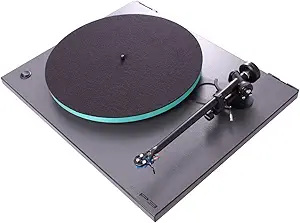
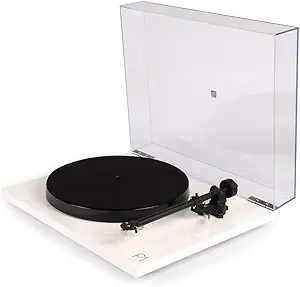
Audio-Technica vs Rega: Overview & Brand Philosophy
The vinyl resurgence has brought two distinctly different design philosophies to the forefront of the analog audio world: Japan's feature-driven engineering versus the United Kingdom's minimalist purism. Audio-Technica, founded in Tokyo in 1962 by Hideo Matsushita, built its foundational legacy on phono cartridges before expanding into an audio giant. In the turntable market, Audio-Technica champions accessibility, utility, and versatility. Their philosophy centers on democratizing vinyl playback by packing modern conveniences—such as switchable preamps, direct-drive motors, USB outputs, and Bluetooth connectivity—into reliable, mass-market designs that appeal equally to casual listeners, beginner audiophiles, and working DJs.
In contrast, Rega Research was founded in 1973 in Essex, England, by Roy Gandy and Tony Relph, born out of a desire to eliminate anything from the audio chain that does not directly contribute to musical fidelity. Rega is legendary for its strict adherence to acoustic minimalism: low mass, high rigidity, and the elimination of superfluous electronics. Rather than loading their decks with digital features or auto-return mechanisms, Rega concentrates its engineering capital on precision-engineered manual tonearms (such as the benchmark RB series), phenolic resin or glass platters, and bespoke low-vibration 24V motors. Their philosophy views a turntable as a scientific measuring instrument designed solely to retrieve information from a vinyl groove with the least possible mechanical interference.
Understanding these opposing company ethos is fundamental when evaluating their product lines. Audio-Technica engineers turntables for lifestyle integration, modern connectivity, and modular convenience across a vast spectrum of price points. Rega designs heirloom-grade, audio-purist playback systems for dedicated listeners who prioritize soundstage depth, micro-dynamics, and mechanical precision over push-button automation.
Key Differences & Technological Comparison
The operational and mechanical distinctions between Audio-Technica and Rega represent fundamentally different approaches to vinyl playback:
Drive Systems and Motor Control: Audio-Technica is famous for both its robust direct-drive mechanisms (widely utilized in their DJ-centric LP120X and LP140XP series) and accessible belt-drive mechanisms (found in the LP60X and LPW series). Direct-drive eliminates belts entirely, offering rapid start/stop times, variable pitch control, and negligible long-term belt wear. Rega rejects direct-drive entirely in favor of specialized, low-vibration belt-drive systems across their entire catalog (from the Planar 1 to the flagship Planar 10). Rega’s high-precision motors are individually tuned to bespoke PCB assemblies (or external power supplies like the Neo PSU), decoupled to isolate mechanical motor rumble from the delicate stylus interface.
Plinth Construction and Resonance Management: Audio-Technica designs generally rely on mass dampening using multi-layer chassis composed of plastic compounds, die-cast aluminum, and in higher-end models, engineered wood (MDF). Rega takes the opposite approach: ultra-lightweight, high-rigidity plinths. Rega’s research has long argued that mass stores energy, which eventually feeds back into the record and muddies the sound. Premium Rega models feature lightweight particulate cores skinned with high-pressure laminates, and their top-tier turntables use aerospace-derived polyurethane foam cores reinforced with double braces between the tonearm and main bearing to achieve immense rigidity without sound-deadening mass.
Tonearms and Cartridge Integration: Rega is widely regarded as one of the finest tonearm manufacturers in the world. Their one-piece cast aluminum tonearms (such as the RB110, RB220, and RB330) minimize mechanical joints, providing ultra-low friction bearing assemblies that deliver outstanding tracking accuracy and transient attack. Rega tables often feature a proprietary three-point cartridge mounting system that eliminates user alignment error when using Rega cartridges. Audio-Technica utilizes standard half-inch mount tonearms, often shaped in the classic S-curve or straight aluminum profiles, featuring universal removable headshells. This makes cartridge swapping and alignment experimentation effortless for users who like to swap stylus profiles frequently.
Connectivity and Features: Audio-Technica leads significantly in out-of-the-box utility. Most consumer-grade models include an integrated, switchable moving magnet (MM) phono stage, meaning they can plug directly into powered speakers, soundbars, or AV receivers without extra equipment. Many feature USB A/D converters for digitizing vinyl, or aptX Bluetooth transmitters. Rega decks are resolutely analog and almost exclusively manual: they have no built-in preamps (with the rare exception of the Planar 1 Plus), no USB, no wireless capabilities, and hardwired, high-grade RCA interconnects designed to run directly into dedicated external phono stages or hi-fi integrated amplifiers.
Pros & Cons Comparison
Audio-Technica
- Pros:
- Exceptional out-of-the-box versatility (built-in phono preamps, USB, and Bluetooth options).
- Broad portfolio catering to entry-level budgets, home audiophiles, and performance DJs.
- Removable headshells permit quick and simple cartridge or stylus upgrades.
- Direct-drive options offer exceptional pitch stability and virtually zero maintenance.
- Broad market availability, accessible replacement parts, and affordable replacement styli.
- Cons:
- Tonearms on entry-to-mid models feature looser bearing tolerances compared to dedicated audiophile decks.
- Higher reliance on plastic components and mass damping rather than structural rigidity.
- Sound staging and acoustic resolution often lack the depth, air, and micro-detail found in specialist decks.
Rega
- Pros:
- Industry-benchmark tonearms offering extraordinary rigidity, low resonance, and precise tracking.
- Audiophile-grade acoustic performance featuring superb pacing, rhythm, timing, and dynamic detail.
- Handmade in the UK with obsessive quality control and premium-grade materials (glass platters, brass bearings).
- Modular upgrade path (external Neo power supplies, Reference belts, advanced cartridge lines).
- Minimalist mechanical design guarantees long-term durability with very few electronic failure points.
- Cons:
- Substantially higher barrier to entry in terms of cost.
- Lack of convenience features: completely manual operation; changing between 33 and 45 RPM often requires physically moving the belt on the sub-platter on entry-level models.
- Requires a separate dedicated phono preamplifier and sound system in almost all configurations.
Performance, Durability & Value Analysis
When measuring performance through the strict lens of sonic realism, dynamic range, and timing, Rega operates in a fundamentally higher performance tier. A Rega Planar 2 or Planar 3 paired with a capable amplifier and hi-fi speakers retrieves low-level information, decay, and stereo separation that Audio-Technica’s mid-tier models cannot replicate. Rega's turntables excel at "PRaT" (Pace, Rhythm, and Timing), delivering rhythmic propulsion and transparency. However, Audio-Technica delivers remarkable value in real-world scenarios. For an everyday listener utilizing mid-tier active speakers or a standard stereo setup, an Audio-Technica AT-LP120XUSB or AT-LPW40WN provides smooth, highly pleasing analog playback with virtually zero setup friction, outpacing almost every other brand within its lower price ceiling.
From a durability and longevity standpoint, the two manufacturers represent different philosophies of build quality. Audio-Technica models are reliable consumer electronics; their motors and mechanical assemblies easily survive years of standard use, though direct-drive electronics, push-button switches, and built-in preamp boards represent potential failure points decades down the road. Rega's minimalist architecture is an investment in longevity. By relying on simple synchronous AC motors, frictionless mechanical tonearms, and solid mechanical linkages, a Rega turntable purchased today can reasonably be expected to perform identically thirty years from now, with only periodic belt replacements and occasional cartridge renewals.
Final Verdict: Which Brand Should You Choose?
Your choice between Audio-Technica and Rega hinges on your budget, your existing audio infrastructure, and the role you want vinyl to play in your life:
Choose Audio-Technica if:
- You are operating on a budget under $500 and want a complete plug-and-play solution.
- You need an all-in-one deck that features a built-in phono pre-amplifier, Bluetooth output, or USB capability for ripping records to digital files.
- You want the high torque, durable pitch control, and instant speed changes of a direct-drive motor for DJing or casual cueing.
- You enjoy the convenience of removable headshells to swap between different stereo or mono cartridges on the fly.
Choose Rega if:
- Your primary goal is authentic, uncompromised high-fidelity sound quality, deep sound staging, and detailed instrument separation.
- You already own (or plan to invest in) dedicated hi-fi components, including a quality outboard phono stage and component amplifier.
- You appreciate handcrafted British engineering and want a minimalist turntable with an established audiophile upgrade path.
- You do not mind fully manual operation, including moving belts by hand to change motor speeds, in exchange for superior acoustic isolation.
Affordability
When evaluating affordability in the turntable market, Audio-Technica and Rega represent fundamentally divergent philosophies regarding where manufacturing capital is allocated. Audio-Technica dominates the budget-to-midrange space by maximizing standard out-of-the-box utility per dollar. Leveraging high-volume automated manufacturing primarily in East Asia, Audio-Technica produces direct-drive and belt-drive models—such as the popular AT-LP60X and AT-LP120XUSB—that integrate switchable phono preamps, USB analog-to-digital converters, electronic speed switching, and pre-installed cartridges. For entry-level and intermediate consumers, this bundled feature set dramatically increases practical affordability by eliminating the need to purchase external phono stages, dedicated preamplifiers, or complex cartridge alignment tools. The trade-off for this accessible price point is a heavier reliance on plastic plinths, higher motor noise floors, and mass-market tonearm assemblies with wider manufacturing tolerances.
Conversely, Rega operates with a purist, audiophile-centric approach that redefines affordability around acoustic engineering longevity rather than entry-level sticker price. Manufactured in the UK, Rega’s foundational models—such as the Planar 1 and Planar 2—command an initial investment that sits near the ceiling of Audio-Technica’s consumer catalog. Rega strips away ancillary electronics entirely: there are no internal preamps (barring specific "Plus" variants), no digitizing USB ports, and frequently only manual speed adjustment via physically shifting the belt on the motor pulley. Every pound spent on a Rega turntable is concentrated into low-mass, high-rigidity plinths, ultra-low-friction handmade tonearms (such as the RB110), 24-volt low-noise synchronous motors, and high-precision phenolic or glass platters. Consequently, the entry cost to a Rega ecosystem is substantially higher once the necessary secondary gear, such as an outboard phono preamplifier and external stereo receiver, is factored into the budget.
Ultimately, the practical trade-off between the two brands depends on whether a consumer measures affordability by immediate total cost of ownership or long-term component value. Audio-Technica is the definitive champion of absolute affordability, providing functional, plug-and-play hi-fi solutions for casual listeners and budget-conscious collectors without hidden peripheral expenses. Rega represents long-tail audio value, requiring higher upfront expenditure and accessory investments in exchange for higher-grade mechanical tolerances, lower signal-to-noise ratios, and an upgradeable platform capable of scaling over decades. While Audio-Technica democratizes vinyl playback at lowest barrier to entry, Rega offers the most cost-effective gateway to legitimate, uncompromised audiophile performance.
Sound Quality
When evaluating sound quality, Audio-Technica and Rega represent two fundamentally divergent engineering philosophies: feature-rich versatility versus purist acoustic minimalism. Audio-Technica approaches audio performance with an emphasis on consumer-friendly consistency and technical precision. Known for their world-class phono cartridges, models like the AT-LP120XUSB and the audiophile-oriented AT-LP7 deliver a crisp, dynamic, and upfront sound signature. Because many Audio-Technica models feature direct-drive motors, they exhibit negligible wow and flutter, resulting in rock-solid pitch stability that excels in rhythmic, modern genres. However, their inclusion of internal preamps, USB outputs, and aluminum tonearms with removable headshells introduces minor compromises. The mechanical mass and additional electrical pathways can induce higher resonance and a subtle veil over microscopic micro-dynamics, yielding a sound that is technically accurate and punchy, but occasionally lacks ultimate spatial depth and warmth.
Conversely, Rega pursues an uncompromising, low-mass philosophy that has established the British manufacturer as a benchmark for high-fidelity audio reproduction. Rega’s engineering premise—exemplified from the entry-level Planar 1 to the high-end Planar 8—relies on ultra-stiff, lightweight plinths paired with their legendary, one-piece cast RB tonearms to prevent the dissipation of acoustic energy. By deliberately stripping away electronic conveniences, built-in phono stages, and pitch faders, Rega effectively eliminates parasitic noise, ground loops, and motor vibration through sophisticated belt-drive isolation. The acoustic payoff is significant: Rega turntables consistently exhibit exceptional timing (Pace, Rhythm, and Timing), expansive three-dimensional soundstaging, and a natural, fluid musicality that reveals complex instrumental layers. While basic factory cartridges on lower-tier Rega decks can sound lean in the lower registers compared to the deep, immediate bass of an Audio-Technica, higher-end Rega moving magnet (MM) and moving coil (MC) pairings produce superior resolution, organic warmth, and midrange presence.
Ultimately, the practical trade-offs regarding sound quality center on acoustic transparency versus operational tolerance. Audio-Technica provides a robust, plug-and-play sonic profile that performs reliably in varied home environments; its heavy damping and tracking flexibility make it forgiving of imperfect vinyl pressings and superficial surface flaws. Rega, on the other hand, demands meticulous setup and a clean listening environment, but rewards audiophiles with a higher ceiling for fidelity. Where Audio-Technica excels at delivering a highly detailed, accessible, and mechanically precise frequency response, Rega provides a genuine high-end analog experience characterized by transparent dynamics, lower mechanical noise floors, and superior emotional engagement.
Features & Functionality
When evaluating features and functionality, Audio-Technica and Rega represent two fundamentally opposed engineering philosophies in the turntable market: feature-rich versatility versus minimalist, audiophile-grade purism. Audio-Technica excels by offering comprehensive, Swiss-Army-knife utility right out of the box. Across their popular consumer and prosumer decks, such as the AT-LP120XUSB and AT-LP60X series, users benefit from a massive array of functional conveniences. These typically include switchable moving-magnet phono preamplifiers, USB outputs for vinyl digitization, push-button electronic speed changes (33, 45, and sometimes 78 RPM), removable headshells for effortless cartridge swapping, and often direct-drive motors equipped with reverse playback and pitch control sliders. Many entry-tier models also provide fully automatic playback mechanisms, prioritizing seamless accessibility, plug-and-play setup, and multi-format integration for casual listeners and home DJs alike.
In stark contrast, Rega strips away virtually every secondary electronic feature to pursue uncompromised acoustic fidelity and mechanical precision. Built entirely on an ethos of low mass, high rigidity, and vibration isolation, legendary decks like the Rega Planar 1, 2, and 3 omit onboard phono preamps, USB interfaces, and pitch faders completely. Rega utilizes bespoke, hand-assembled, single-piece tonearms (such as the RB110 and RB330) that lack removable headshells to eliminate microscopic mechanical resonances. Even baseline conveniences are absent: speed switching on entry-level models requires physically lifting the platter to move the drive belt along a stepped pulley, unless upgraded with costly external electronic power supplies like the Neo PSU. Rega’s engineering quality manifests not in user-facing gadgets, but in aerospace-derived plinths, zero-tolerance brass bearing assemblies, and low-noise 24-volt synchronous motors designed solely to rotate a record with unwavering speed stability and zero electrical interference.
The practical trade-offs between these two brands crystallize around user intent and lifestyle integration. Audio-Technica provides unmatched real-world flexibility and value, letting consumers connect directly to powered speakers, computers, or Bluetooth headphones without purchasing supplementary outboard gear. However, the inclusion of cost-cutting built-in circuitry, plastic chassis components, and direct-drive electronics can introduce mechanical rumble and subtle noise into the signal path. Rega, conversely, demands a higher initial commitment—both financially and structurally—requiring dedicated outboard phono stages, careful manual cueing, and an uncompromising component-hi-fi setup. For consumers prioritizing convenience, digitization, and plug-and-play operability, Audio-Technica is the undisputed functional leader; for listeners seeking a pure, upgradeable listening instrument where every dollar serves ultimate analog resolution, Rega’s austere feature set represents a deliberate and rewarding sacrifice.
Ease of Use & Setup Processes
When evaluating the initial setup and daily ergonomics of turntables, Audio-Technica and Rega embody two fundamentally opposing design philosophies: plug-and-play mass accessibility versus precision-tuned audiophile minimalism. Audio-Technica heavily prioritizes frictionless out-of-the-box operation across its vast catalog, particularly in its entry-to-mid-tier models like the AT-LP60X and direct-drive AT-LP120X. Most Audio-Technica decks arrive pre-assembled or require only minimal consumer intervention, featuring factory-aligned Dual Magnet cartridges mounted on universal headshells, straightforward calibrated counterweights, and integrated, switchable phono preamplifiers that allow direct connection to powered speakers or home theater receivers via standard RCA or USB. Furthermore, Audio-Technica frequently integrates convenience-oriented quality-of-life features such as push-button electronic speed switching (33/45/78 RPM), push-button cueing, and even fully automatic start-and-stop tonearm mechanisms, eliminating the intimidation factor for casual listeners and vinyl novices entirely.
Conversely, British manufacturer Rega approaches engineering through the lens of extreme mechanical rigidity and signal integrity, resulting in a setup workflow that is mechanically pure but demanding of user care and external hardware. Renowned for its hand-assembled tonearms (such as the RB110 and RB330 found on the Planar 1, 2, and 3), Rega utilizes a proprietary three-point cartridge mounting system that, when paired with Rega’s own moving magnet (MM) cartridges, completely eliminates the need for finicky overhang alignment via a protractor. However, the brand eschews built-in preamplification across almost its entire standard lineup (with the exception of specific "Plus" models), requiring users to invest in, properly match, and cable an outboard phono stage. Mechanically, entry-level Rega models demand that users physically lift the platter and reposition the drive belt on the motor pulley to switch between 33 and 45 RPM—a deliberate omission of electronic switches intended to isolate the sensitive plinth from electrical noise, but a clear trade-off against day-to-day operational convenience.
Ultimately, the practical trade-offs regarding ease of use delineate distinct user demographics. Audio-Technica delivers unmatched versatility, offering features that actively protect against user error—such as automatic tonearm return—and providing swift, forgiving setup protocols that get music playing in under ten minutes without secondary audio gear. Rega trades this automated, all-in-one convenience for an uncompromising focus on acoustic damping, low-friction bearing tolerances, and structural stiffness, necessitating a fully manual listening ritual. For audiophiles who value deliberate interaction and possess the patience for strict leveling, outboard preamps, and physical belt handling, Rega’s austere workflow is rewarded with superior detail retrieval; for mainstream consumers or multi-speed collectors wanting instantaneous, stress-free playback, Audio-Technica remains the undisputed benchmark for operational simplicity.