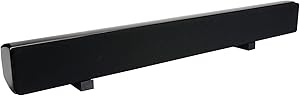
Yamaha vs Dayton Audio: Overview & Brand Philosophy
The soundbar market spans a broad spectrum of consumer audio, ranging from plug-and-play lifestyle devices to utilitarian, performance-first enclosures. Yamaha sits as an undisputed titan in this domain. With a storied history in musical instruments, professional studio equipment, and consumer home theater, Yamaha pioneered digital sound projection technology decades ago. In the soundbar space, Yamaha approaches product design with an emphasis on seamless user integration, advanced digital signal processing (DSP), and comprehensive virtual surround environments. Their philosophy centers on delivering sophisticated, polished audio solutions that enhance living room entertainment without demanding technical expertise from the listener.
Conversely, Dayton Audio emerges from the passionately technical world of DIY loudspeaker design, component engineering, and enthusiast audiophile hardware. Primarily known as an engineering-driven supplier of raw drivers, plate amplifiers, and test equipment, Dayton Audio approaches soundbars with a distinctly utilitarian mindset. Rather than prioritizing ultra-slim aesthetics or complex proprietary digital upmixing, Dayton Audio emphasizes fundamental acoustic physics: robust cabinet construction, high-efficiency Class D amplification, and high-performance drivers. Their philosophy strips away marketing gimmicks to offer raw, uncolored acoustic performance at direct-to-consumer pricing, appealing to sound purists who favor measurable fidelity over lifestyle branding.
This fundamental philosophical divide defines the comparison between Yamaha and Dayton Audio. Yamaha designs for the modern, connected consumer who expects HDMI eARC integration, voice assistant compatibility, and app-based acoustic tuning. Dayton Audio builds for the audio pragmatist who seeks high component quality per dollar, versatile physical connectivity, and a traditional speaker-first approach to sound reproduction, often foregoing the latest proprietary virtual codecs in favor of classic stereo dynamics.
Key Differences & Technological Comparison
When dissecting the technological execution of both brands, the differences in DSP implementation, driver architecture, and system integration are immediately apparent. Yamaha heavily invests in its proprietary processing engines, such as Clear Voice for dialogue clarity and DTS Virtual:X processing to simulate multi-dimensional height and surround channels from a single horizontal enclosure. Higher-end Yamaha systems incorporate beam-forming driver arrays that physically bounce sound off walls to create authentic spatial dispersion. In contrast, Dayton Audio relies largely on transparent, uncolored two-channel or three-channel stereo configurations, avoiding simulated spatial tricks that can introduce phase cancellation or unnatural acoustic artifacts.
Connectivity standards also mark a major point of divergence. Modern Yamaha soundbars consistently feature HDMI eARC/ARC connections, facilitating seamless integration with TV remotes via CEC protocols, alongside Wi-Fi streaming capabilities (MusicCast, AirPlay 2, and Spotify Connect). Dayton Audio models typically rely on legacy, reliable audio connections including standard optical Toslink, 3.5mm auxiliary, coaxial, and basic Bluetooth. HDMI switching is rare or minimalist in Dayton’s catalog. However, Dayton Audio frequently includes a dedicated, variable RCA subwoofer output, empowering users to pair virtually any active powered subwoofer on the market, whereas many mass-market soundbars—including entry-level Yamahas—force users into proprietary wireless subwoofers or sealed, non-expandable enclosures.
Build quality and aesthetic philosophy reflect their respective target audiences. Yamaha’s chassis are sleek, low-profile, and wrapped in premium acoustically transparent fabrics, engineered to slip unobtrusively beneath modern low-clearance televisions. Dayton Audio favors traditional MDF (medium-density fiberboard) cabinetry with durable vinyl wraps or industrial finishes. While noticeably bulkier and less "designer-friendly," Dayton Audio's heavier, more rigid cabinets dramatically reduce internal cabinet resonance, yielding a cleaner, more authoritative midrange that many slimline soundbars simply cannot reproduce due to the constraints of tiny plastic enclosures.
Pros & Cons Comparison
Yamaha Soundbars
- Pros:
- Industry-leading DSP and virtual surround algorithms (Clear Voice, DTS Virtual:X).
- Modern HDMI eARC and comprehensive wireless ecosystem integration (MusicCast, AirPlay 2).
- Low-profile, aesthetically refined designs suitable for modern living spaces.
- Widespread consumer availability and robust customer service support networks.
- Cons:
- Entry-to-mid tier units often rely on integrated or proprietary subwoofers, limiting modularity.
- Plastic internal enclosures on budget models can produce thinner lower-midrange response.
Dayton Audio Soundbars
- Pros:
- Acoustically superior, heavy MDF cabinet construction reduces resonance and distortion.
- High-grade internal drivers deliver flat, accurate, audiophile-grade frequency response.
- Universal subwoofer pre-outs allow integration with any powered subwoofer.
- Exceptional price-to-performance ratio without retail markup or licensing overhead.
- Cons:
- Lack of modern conveniences such as HDMI eARC, Wi-Fi streaming, or app controls.
- Utilitarian, bulky aesthetics that do not easily blend with ultra-thin modern televisions.
- No native decoding or processing for advanced spatial formats like Dolby Atmos.
Performance, Durability & Value Analysis
From an acoustic performance standpoint, Yamaha excels in immersion and narrative clarity. Its sophisticated audio algorithms isolate spoken frequencies, ensuring crisp television dialogue even during complex, high-dynamic-range film sequences. The virtualized soundstage Yamaha projects is expansive, making smaller living spaces feel acoustically larger than they are. However, when evaluating pure, unadulterated musicality, Dayton Audio often takes the lead. By deploying genuine crossover networks, larger voice coils, and rigid MDF enclosures, Dayton Audio provides balanced, natural frequency reproduction across the midrange and upper bass. Instruments and vocals sound grounded, avoiding the processed, scooped midrange characteristics common among ultra-slim consumer soundbars.
In terms of durability and long-term value, both brands score well, though through different engineering methodologies. Yamaha relies on enterprise-grade consumer electronics manufacturing, characterized by reliable internal switching, high-tolerance surface-mount boards, and persistent firmware updates that preserve compatibility with modern displays. Dayton Audio achieves longevity through component simplicity; by omitting complex smart platforms, network stacks, and proprietary microchips that may become obsolete over time, their systems behave more like traditional analog hi-fi gear. Dollar for dollar, Dayton Audio yields higher raw physical hardware for the price, whereas Yamaha’s value lies in its polished ergonomics, user convenience, and cutting-edge software integration.
Final Verdict: Which Brand Should You Choose?
Selecting between Yamaha and Dayton Audio comes down to whether you prioritize seamless home theater integration or modular, purist acoustic hardware. Choose Yamaha if you demand a streamlined, clutter-free entertainment setup. If your requirements include single-cable HDMI eARC connectivity, control via your existing television remote, wireless whole-home streaming, and convincing virtual surround sound for cinematic movie nights, Yamaha remains one of the safest and most reliable investments on the market.
Choose Dayton Audio if you are an audio enthusiast or budget-conscious purist seeking the highest acoustic fidelity per dollar. If you prefer transparent music reproduction, don't mind using optical or analog connections, value the ability to connect any standalone powered subwoofer, and favor durable wood-composite enclosures over ultra-slim plastic styling, Dayton Audio delivers unmatched component-level performance for your media setup.
Product Selection
When evaluating product selection in the soundbar category, Yamaha presents an expansive, tiered ecosystem engineered to address virtually every tier of the consumer audio market, whereas Dayton Audio operates within a hyper-focused, utilitarian niche. Yamaha’s catalog spans from ultra-compact, all-in-one standalone units like the SR-C20A to high-performance, Dolby Atmos-enabled spatial audio systems like the True X-Bar 50A and legendary digital sound projectors. Yamaha leverages proprietary multi-driver acoustic arrays, sophisticated onboard digital signal processing (DSP), and wide-ranging connectivity suites—including eARC, wireless multi-room networking via MusicCast, and integrated voice assistants. This extensive portfolio ensures consumers can choose precisely tailored solutions based on room acoustics, physical footprint constraints, and performance ceilings.
Conversely, Dayton Audio approaches soundbar product selection through the lens of DIY acoustic engineering and cost-effective modularity. Rather than maintaining an extensive lineup of consumer-ready, feature-bloated bars, Dayton Audio offers a selective array of high-value active and passive soundbars, such as the powered L-Bracket and commercial-grade low-profile bars, alongside build-it-yourself DIY soundbar kits. Their design philosophy bypasses licensed spatial decoding formats, algorithmic surround virtualization, and proprietary streaming software, concentrating strictly on fundamental electroacoustic integrity—utilizing robust woofer-and-tweeter topologies, long-throw passive radiators, and clean Class-D amplification. The trade-off is a sparse catalog that requires consumers to bring external processing, physical subwoofers, or external amplification into the equation to achieve a full home theater experience.
Ultimately, the practical trade-offs regarding product selection define two entirely different consumer targets. Yamaha’s deep catalog provides turnkey versatility, cutting-edge HDMI 2.1 compliance, and advanced acoustic simulation out of the box, making it the superior option for mainstream buyers, cinephiles, and smart-home integrators seeking a cohesive end-to-end sound system. Dayton Audio’s minimal, component-driven selection caters instead to budget-conscious hobbyists, system customizers, and commercial audio installers who prioritize analog transparency and modular system pairing over automated calibration and extensive feature variety. In sheer breadth, adaptability, and technological progression, Yamaha holds a decisive advantage in product selection.
Design/Look
From an engineering and industrial design standpoint, Yamaha approaches the soundbar market with consumer-centric refinement, modern interior integration, and sleek, minimalist aesthetics. Yamaha soundbars, such as the popular SR-B and True X series, typically feature gently rounded chassis silhouettes wrapped in acoustically transparent fabric grilles, accented by low-profile, matte-finished polycarbonate trims. This tactile textile treatment allows their units to blend naturally into contemporary living room decors while simultaneously concealing multi-driver acoustic arrays and integrated down-firing or front-firing subwoofers. Technical strengths in Yamaha’s external design include ultra-slim structural envelopes that maintain low clearance heights to prevent visual occlusion of lower television bezels and IR sensors, paired with subtle, dimmable LED indicators or touch-capacitive control surfaces that mitigate light pollution during dark-room home theater viewings.
Conversely, Dayton Audio approaches soundbar design through the pragmatic lens of professional audio utility and DIY custom-integration. Rather than prioritizing soft domestic aesthetics, Dayton Audio’s offerings—such as the BS36 or BS40 series—champion raw acoustic engineering, featuring rigid, heavy-duty medium-density fiberboard (MDF) or dense extruded aluminum enclosures finished in utilitarian black micro-textures or industrial vinyl wraps. Their design philosophy leans heavily toward high-fidelity sound reproduction over aesthetic disguises; the structural enclosures are engineered to combat cabinet resonance, often employing traditional removable cloth grilles or robust perforated metal screens that give the hardware a stark, utilitarian presence. While this form factor lacks the refined, curved fluidity of Yamaha’s lifestyle-oriented consumer electronics, it offers immense structural rigidity, modular mounting capabilities for specialized home-theater installations, and gold-plated, five-way binding posts rather than concealed, proprietary terminal bays.
The practical trade-offs between the two brands ultimately reflect the divide between consumer lifestyle elegance and specialized audio functionality. Yamaha represents the superior option for consumers seeking an unobtrusive, plug-and-play visual centerpiece that complements modern home aesthetics with sophisticated curves, premium textile finishes, and discrete cable management channels. However, Yamaha’s fabric-wrapped exteriors are more vulnerable to dust accumulation, snags, and environmental wear over time. Dayton Audio sacrifices modern living-room elegance, smart ambient displays, and compact profiles in favor of a rugged, studio-grade aesthetic that may look harsh beneath a minimalist OLED television. Nonetheless, Dayton Audio's robust cabinetry is far more durable and appeals directly to home-theater purists and custom installers who prioritize acoustic isolation, component durability, and functional architectural integration over ornamental consumer styling.
Affordability
When assessing affordability in the soundbar category, Yamaha and Dayton Audio approach consumer value from fundamentally distinct engineering philosophies. Yamaha operates as a mainstream acoustic powerhouse, offering tiered affordability that balances proprietary audio processing with competitive pricing. Entry-level and mid-range Yamaha soundbars, such as the SR-B20A or the popular YAS series, are priced accessibly while packing significant feature density. For an approachable investment, Yamaha provides polished, all-in-one digital sound projection, integrated subwoofers, DTS Virtual:X decoding, and proprietary Clear Voice processing. The trade-off at Yamaha's lower price tiers typically involves reliance on simulated surround algorithms rather than physical rear channels, but consumers receive an engineered, plug-and-play solution backed by rigorous quality control and cohesive design.
Conversely, Dayton Audio approaches affordability through the lens of utilitarian, audio-enthusiast engineering, offering an almost unbeatable performance-per-dollar ratio for buyers who prioritize raw hardware over software ecosystems. Dayton Audio soundbars, such as the BS36, eschew the cost-inflating additions of HDMI eARC, licensed Dolby/DTS decoding chips, and smart features, channeling their manufacturing budget directly into discrete transducers, robust passive crossovers, and acoustic cabinet construction. Many Dayton Audio options are passive soundbars, requiring an external amplifier, which demands a more modular initial setup. However, for budget-conscious consumers building a component-based system, Dayton Audio delivers substantially better thermal handling, dynamic headroom, and long-term upgradeability than comparably priced powered units from legacy brands.
Ultimately, the affordability verdict hinges on the consumer’s definition of value. Yamaha represents the better conventional value for mainstream buyers who want an affordable, turnkey system that integrates seamlessly with modern televisions via HDMI and provides advanced DSP enhancements straight out of the box. Dayton Audio provides true audiophile-grade cost efficiency, eliminating digital licensing markups and smart feature overhead to maximize pure transducer fidelity and acoustic output. While Yamaha is the more economically practical choice for the casual viewer seeking immediate acoustic improvement, Dayton Audio yields superior long-term hardware value for resourceful consumers willing to assemble a high-performance, modular audio setup on a strict budget.
Sound Quality
When evaluating sound quality, Yamaha and Dayton Audio approach acoustic engineering from fundamentally divergent philosophies: mass-market consumer refinement powered by proprietary digital processing versus bare-bones, component-level audiophile performance. Yamaha leverages decades of acoustic research and sophisticated Digital Signal Processing (DSP) to maximize the sonic output of compact enclosures. Utilizing proprietary technologies like Clear Voice for dialogue intelligibility and AIR SURROUND XTREME or DTS Virtual:X, Yamaha soundbars, such as the popular SR-B and YAS series, excel at creating an expansive, pseudo-spatial soundstage. Their high-frequency presentation is smooth and fatigue-free, while mid-range response is tuned to ensure vocal clarity without masking ambient sound effects. However, in standalone units without an external subwoofer, Yamaha’s low-end often relies on passive radiators and digital bass extension algorithms, which—while clean—can sound dynamically compressed at higher volumes.
Conversely, Dayton Audio eschews heavy digital processing and proprietary virtualization in favor of raw, analog-inspired transducer performance. Known as a staple in the DIY and budget audiophile communities, Dayton Audio’s soundbars (such as the DTA-100PB or active models in their commercial line) focus on structural cabinet rigidity, class-D amplification modules, and traditional passive crossover networks paired with long-throw woofers and silk dome tweeters. This architecture results in superior dynamic headroom, uncolored midrange fidelity, and significantly lower total harmonic distortion (THD) during music playback compared to Yamaha's processed audio profiles. The trade-off is a near-total absence of modern cinematic spatialization: Dayton Audio delivers a distinctly stereo-forward sound field with less horizontal dispersion, requiring direct on-axis listening for optimal stereo imaging.
Ultimately, the practical choice between the two brands depends entirely on acoustic application. Yamaha represents the gold standard for mixed-media consumer home theater, offering tailored EQ profiles, exceptional dialogue separation in noisy living spaces, and an artificially widened sound field that makes modest enclosures sound vast. Dayton Audio is the purist's alternative, delivering transparent, tonally accurate, and punchy audio that treats the soundbar more like an all-in-one stereo speaker pair. While Dayton Audio holds the technical advantage in dynamic realism and musical linearity, Yamaha’s sophisticated processing creates a more immersive, versatile, and complete cinematic experience for the average living room.