Yamaha vs VIZIO: Overview & Brand Philosophy
In the home theater space, Yamaha and VIZIO represent two fundamentally distinct engineering philosophies. Yamaha, a brand with over a century of acoustic heritage and deep roots in professional audio equipment, designs soundbars with an emphasis on acoustic fidelity, structural resonance, and natural sound reproduction. From their pioneering "Sound Projector" series to their modern, entry-level and mid-tier soundbars, Yamaha views the soundbar as a compact extension of a traditional high-fidelity audio system. Their engineering relies heavily on proprietary digital signal processing (DSP) to simulate spacious soundscapes without relying entirely on physical satellite speakers.
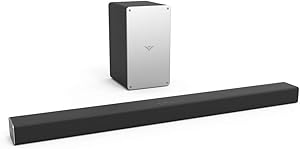
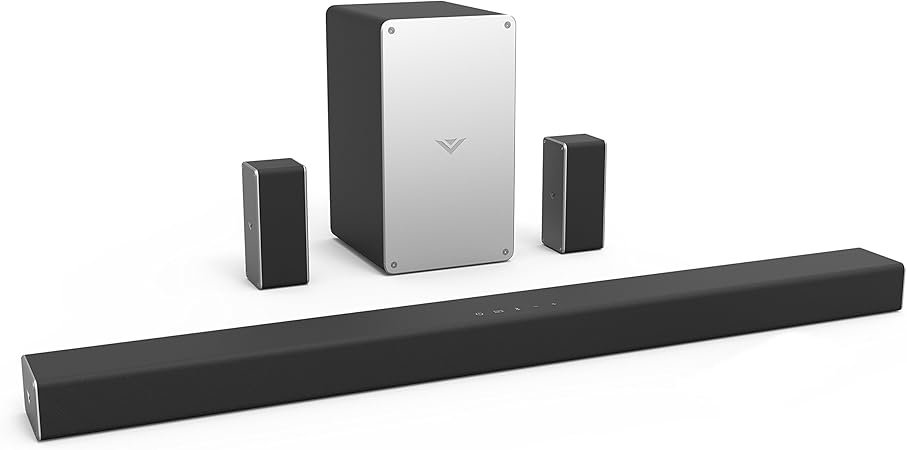
Conversely, VIZIO emerged in the modern consumer electronics boom as a market disruptor focused almost exclusively on democratizing multi-channel home audio. VIZIO’s philosophy centers on maximizing feature density, decoding capabilities, and physical channel count relative to dollar spent. Rather than relying on sophisticated single-unit virtual acoustics, VIZIO made genuine 5.1 and Dolby Atmos surround sound systems accessible by including dedicated rear satellite speakers and wireless subwoofers even at budget and lower mid-range price points. Their goal is straightforward: provide consumers with an immersive, cinematic experience right out of the box with zero setup intimidation.
Ultimately, this comparison pits an audio engineering legacy brand against a value-driven consumer tech giant. Yamaha focuses on refined stereo sound, clean dialogue extraction, and singular, sleek build quality for the discerning ear. VIZIO delivers high-impact, explosive theater audio that emphasizes sheer dynamic range and spatial immersion for the everyday movie and television streamer.
Key Differences & Technological Comparison
The technological gap between VIZIO and Yamaha becomes apparent when comparing physical channel architectures, digital processing algorithms, and hardware design. Yamaha frequently utilizes proprietary technologies such as Clear Voice, which isolates dialogue frequencies without unnaturally elevating background gain, and Air Surround Xtreme or DTS Virtual:X to widen the soundstage on 2.0- and 2.1-channel systems. Higher-end Yamaha systems implement directional beam drivers that bounce sound waves off walls to recreate genuine directional cues. Yamaha soundbars also often integrate built-in dual subwoofers within the main chassis, delivering a clean, low-profile footprint suitable for spaces where an external floor subwoofer is impractical.
VIZIO, by contrast, relies on physical driver arrays to achieve its spatial imaging. Systems like the VIZIO M-Series and Elevate feature rotating speaker modules, dedicated up-firing Atmos drivers, and physical wired-to-wireless rear surrounds. While Yamaha excels at making a standalone bar sound expansive, VIZIO physically surrounds the listener. VIZIO also prioritizes cutting-edge spatial audio codec support, offering native Dolby Atmos and DTS:X decoding further down their product line than Yamaha, alongside HDMI eARC integration for uncompressed multi-channel pass-through.
In terms of user interface and smart capabilities, both brands have made significant strides, though with different priorities. Yamaha's ecosystem often leverages their robust Sound Bar Remote app and features integration with Amazon Alexa directly via built-in microphones on specific models. VIZIO focuses heavily on ecosystem integration with their SmartCast televisions, featuring on-screen menu controls, low-profile designs built to slide neatly beneath thin TV bezels, and seamless voice-assistant passthrough.
Pros & Cons Comparison
Yamaha Soundbars
Pros:
- Superior acoustic tuning with transparent mid-range and natural vocal clarity.
- Excellent standalone units with integrated subwoofers, perfect for minimalist setups.
- Durable internal components and higher-quality, non-resonant chassis materials.
- Industry-leading virtual surround algorithms (DTS Virtual:X, Clear Voice).
- Reliable HDMI-CEC control and intuitive companion mobile apps.
Cons:
- Higher cost-per-channel compared to budget competitors.
- Fewer low-to-mid tier options featuring discrete physical surround speakers.
- Native Dolby Atmos decoding is often limited to premium price brackets.
VIZIO Soundbars
Pros:
- Unbeatable price-to-performance ratio for true 5.1 and Dolby Atmos setups.
- Inclusion of wireless subwoofers and satellite speakers across nearly all tiers.
- Broad compatibility with modern spatial audio formats (Dolby Atmos, DTS:X).
- Innovative industrial designs, such as auto-rotating height drivers on the Elevate series.
- Effortless plug-and-play integration, especially when paired with VIZIO smart TVs.
Cons:
- Stereo music playback can lack nuance, separation, and warm mid-range fidelity.
- Build materials rely more heavily on lighter plastics and fabric wraps prone to dust.
- Occasional firmware glitches and intermittent handshake issues over HDMI eARC.
Performance, Durability & Value Analysis
When analyzing acoustic performance across various media types, Yamaha holds a clear edge in musicality and dialogue-heavy content. The tonal balance of Yamaha soundbars prevents the muddy low-end or harsh treble often found in consumer soundbars. Instruments and spoken words occupy distinct, clear physical spaces in the soundstage, making them exceptionally reliable for daily TV watching, podcasts, and high-fidelity music streaming via Bluetooth or AirPlay. From a durability perspective, Yamaha hardware benefits from the brand’s strict manufacturing tolerances; power supplies, drivers, and chassis exhibit high longevity, suffering fewer motherboard-level failures or wireless connectivity drops over a multi-year lifecycle.
VIZIO dominates the objective value equation for action movies, modern video games, and blockbuster streaming content. A mid-range VIZIO package often delivers deep, room-shaking bass and true directional rear audio that no standalone Yamaha bar can physically recreate without an expensive external expansion. However, VIZIO’s aggressive cost-cutting measures reveal themselves over prolonged ownership. Software updates can occasionally disrupt HDMI-CEC or eARC synchronization, and the lightweight subwoofers and satellites can exhibit cabinet resonance or wireless interference over time. Despite these minor compromises, the immediate sonic impact provided per dollar spent remains practically unmatched in the home theater sector.
Final Verdict: Which Brand Should You Choose?
Your choice between VIZIO and Yamaha should hinge entirely on your primary listening habits, room configuration, and tolerance for physical speaker placement. Choose Yamaha if you are searching for an elegant, single-chassis audio upgrade that does not clutter your living room with extra wires, speakers, and subwoofers. Yamaha is the superior choice for users who listen to an equal mix of music and television, prioritize crystal-clear dialogue above all else, and demand a rock-solid, durable build that will last for years without software quirks.
Choose VIZIO if you want the most cinematic, immersive movie-watching and gaming experience your budget can buy. If you want true 5.1 surround sound with dedicated rear channels and visceral, floor-shaking low end without spending four figures, VIZIO is the definitive market leader. For entry-level to mid-range home theater enthusiasts wanting Dolby Atmos immersion right out of the box, VIZIO remains an indispensable value champion.
Product Selection
When evaluating product selection in the soundbar category, Yamaha and VIZIO adopt radically different portfolio philosophies that reflect their broader engineering heritage. Yamaha, rooted in high-fidelity audio and digital signal processing, curates a more streamlined, audio-first catalog. Their selection is deliberately segmented into standalone compact enclosures (such as the SR-C and SR-B series) for smaller spaces, and premium AV-centric bars (like the flagship MusicCast series) designed to simulate discrete multi-channel audio through advanced acoustic projection. In contrast, VIZIO structures its catalog to dominate mass-market accessibility and plug-and-play home theater surround sound. VIZIO’s line-up spans from hyper-budget 2.0-channel bars to highly aggressive, multi-speaker configurations in their V-Series, M-Series, and top-tier Elevate tiers, almost universally bundling wireless subwoofers and physical satellite speakers at price points where Yamaha typically offers only an all-in-one bar.
The technical trade-offs inherent in these portfolios highlight differing consumer priorities. Yamaha’s selection leans heavily into proprietary acoustic engineering, featuring integrated subwoofers, precision-tuned neodymium drivers, and proprietary technologies like Clear Voice and DTS Virtual:X processing. While Yamaha offers fewer SKUs featuring discrete rear satellites, their all-in-one chassis designs appeal to discerning listeners seeking higher-grade cabinet resonance control, refined frequency response curves, and seamless integration into expansive multi-room ecosystems via MusicCast and Wi-Fi. Conversely, VIZIO’s engineering selection is defined by modular versatility and feature democratization. VIZIO systematically integrates dedicated physical surround channels, HDMI eARC, Dolby Atmos, and DTS:X decoding even into their mid-tier offerings. The pinnacle of their technical assortment, the VIZIO Elevate, showcases mechanical innovation with auto-rotating drivers that physically articulate upward to reflect height channels during object-based spatial audio playback, representing a level of hardware spectacle rarely seen in traditional audio catalogs.
Ultimately, your choice within these brands' selections depends on your acoustic environment and system expectations. Buyers seeking acoustic purity, exceptional two-channel music playback, high-grade internal DACs, and a clean, clutter-free installation will find Yamaha’s targeted portfolio superior, as it avoids the plastic-heavy builds and tethered satellite cabling common in budget surround packages. However, consumers prioritizing true cinematic envelopment per dollar will find VIZIO’s expansive assortment far more compelling. VIZIO’s tiered catalog ensures that practically any buyer—from a dorm-room gamer needing a low-profile stereo upgrade to a home theater enthusiast demanding discrete 5.1.4 Dolby Atmos reproduction—can find a complete, multi-component surround system tailored directly to their budget.
Design/Look
Yamaha and VIZIO approach soundbar aesthetics from fundamentally different design philosophies, reflecting their respective heritages in high-fidelity audio engineering and value-driven consumer electronics. Yamaha prioritizes a sophisticated, audio-first architectural look defined by soft contours, premium acoustic fabric wraps, and discreet, low-profile footprints. Models such as the SR-B20A and the True X Series emphasize understated elegance, employing tightly woven textiles and matte-finish composite plastics that effortlessly blend into traditional living room decors. Structurally, Yamaha soundbars feature integrated acoustic chambers engineered for rigidity to reduce internal resonance, subtly expressed through gently rounded chassis ends and minimalist LED indicators. A hallmark of Yamaha’s industrial design is its multi-orientation adaptability; keyhole mounting slots and low-clearance chassis heights (often under 2.5 inches) ensure these bars sit flush beneath low-bezel televisions or mount seamlessly without drawing visual distraction away from the display.
In contrast, VIZIO champions a contemporary, tech-forward aesthetic characterized by sharp geometric lines, brushed metallic accents, and modular configurations. From their foundational V-Series to the flagship Elevate, VIZIO favors modern, angular silhouettes dominated by fine-mesh metal grilles, hard-plastic structural shells, and contrasting dark-silver or charcoal trim. The pinnacle of VIZIO’s engineering-forward visual identity is the Elevate soundbar, which turns acoustic utility into a dramatic visual showcase via mechanically rotating motorized height speakers that actuate dynamically when Dolby Atmos content is detected. While visually striking and undeniably high-tech, VIZIO’s reliance on metal grilles and reflective accent plates can occasionally appear industrial or stark compared to the warm, living-room-friendly fabric of Yamaha. However, VIZIO’s engineering excels in compact spatial efficiency, frequently packaging complex multi-driver arrays into ultra-slim enclosures that match the aggressive, razor-thin bezels of modern LED and OLED panels.
When weighing the practical trade-offs of each brand’s aesthetic choices, durability and maintenance surface as decisive factors. Yamaha’s fabric-wrapped housings offer a warmer, furniture-grade appeal that minimizes unwanted light reflections from the TV screen, but they are intrinsically more vulnerable to snagging, dust accumulation, and pet hair, making them harder to clean over time. Conversely, VIZIO’s hard-surface metal grilles and rigid polymer enclosures are far more durable, stain-resistant, and easily wiped down, representing a more utilitarian build suited to high-traffic households. The trade-off lies in visual presence: Yamaha excels for consumers seeking a quiet, refined acoustic component that harmonizes invisibly with high-end furniture, whereas VIZIO targets the modern home-theater enthusiast who appreciates visible, purposeful hardware with eye-catching, motorized mechanical flourishes.
Affordability
When evaluating affordability in the soundbar market, VIZIO and Yamaha approach value from distinctly different engineering philosophies. VIZIO dominates the entry-to-mid-range segment by prioritizing maximum hardware-per-dollar, delivering true multi-channel surround sound systems at price points where competitors only offer standalone bars. Through cost-effective materials, streamlined digital signal processing, and aggressive manufacturing scaling, VIZIO packages dedicated wireless subwoofers and discrete satellite speakers into systems like the V-Series and M-Series without crossing premium price thresholds. This makes VIZIO exceptionally appealing for budget-conscious consumers who want a genuine 5.1-channel home theater experience on a sub-$300 budget. However, the trade-off for this aggressive pricing often manifests in lighter, plastic-heavy chassis construction, less refined acoustic crossover tuning, and occasional firmware-level HDMI-eARC handshake inconsistencies.
Conversely, Yamaha treats affordability through the lens of longevity, acoustic engineering, and all-in-one enclosure design. Rather than bundling low-cost multi-speaker arrays to artificially boost channel count, Yamaha focuses its budget-friendly tier—exemplified by the SR-B and SR-C series—on robust acoustic architecture, proprietary dual integrated subwoofers, and sophisticated digital processing like Clear Voice and DTS Virtual:X. While a Yamaha system may offer fewer physical channels per dollar than a comparable VIZIO, the investment yields superior low-resonance cabinet construction, refined mid-range tonal balance, and more reliable amplification with lower total harmonic distortion (THD). Yamaha soundbars also maintain higher residual value and feature more consistent software stability, representing a pragmatic "buy-it-for-life" value proposition even at the lower end of their pricing spectrum.
Ultimately, the definition of affordability hinges on whether a buyer values expansive hardware configurations or long-term acoustic refinement. VIZIO represents an unbeatable value for budget home theater enthusiasts who desire room-filling surround immersion without paying an audiophile tax, accepting the compromises in material build and software polish. Yamaha, by contrast, targets the budget-conscious listener who prefers a durable, high-fidelity standalone bar that excels at daily dialogue clarity and musical playback over multi-speaker gimmicks. While VIZIO wins the raw feature-to-price ratio, Yamaha often proves more cost-effective over years of ownership due to structural reliability and timeless acoustic performance.
Sound Quality
When evaluating sound quality, Yamaha approaches audio engineering from its deep heritage as an acoustic instrument and professional AV equipment manufacturer, while VIZIO focuses on high-impact, mass-market home theater immersion. Yamaha soundbars—such as the SR-B and high-end MusicCast series—excel in acoustic precision, natural timbral balance, and mid-range clarity. Leveraging proprietary technologies like Clear Voice, Yamaha ensures dialogue intelligibility without artificial harshness, integrating high-performance drivers and dual-subwoofer configurations into rigid, anti-resonance chassis. The sonic profile is balanced, neutral, and refined, making Yamaha soundbars notably superior for critical music listening and vocal-driven content where stereo separation and nuanced reproduction matter most.
Conversely, VIZIO dominates the realm of cinematic dynamic range and immersive spatial audio at accessible price points. Rather than relying heavily on virtual processing, VIZIO’s V-Series and flagship Elevate lines frequently incorporate dedicated wireless subwoofers and physical rear surround speakers right out of the box, with higher-end units featuring auto-rotating upward-firing drivers for Dolby Atmos and DTS:X. This delivers an immediate sense of scale and visceral low-frequency impact that Yamaha rarely matches at equivalent budget-to-midrange tiers. While VIZIO provides deep, room-shaking bass and impressive surround envelope effects for blockbuster movies and gaming, its sound profile often suffers from a slightly scooped midrange, occasional cabinet resonance, and a less organic reproduction of complex musical arrangements.
Ultimately, the sound quality trade-off between the two brands hinges on the listener's primary content preferences. Audiophiles and users who prioritize musicality, refined tonal accuracy, and crystal-clear dialogue in compact, standalone enclosures will favor Yamaha’s mature digital sound processing and acoustic discipline. However, for consumers craving a dramatic, surround-sound home theater experience marked by thumping bass, broad soundstages, and immersive height effects, VIZIO offers a technically aggressive package that punches well above its weight class in raw sonic excitement.